


Category
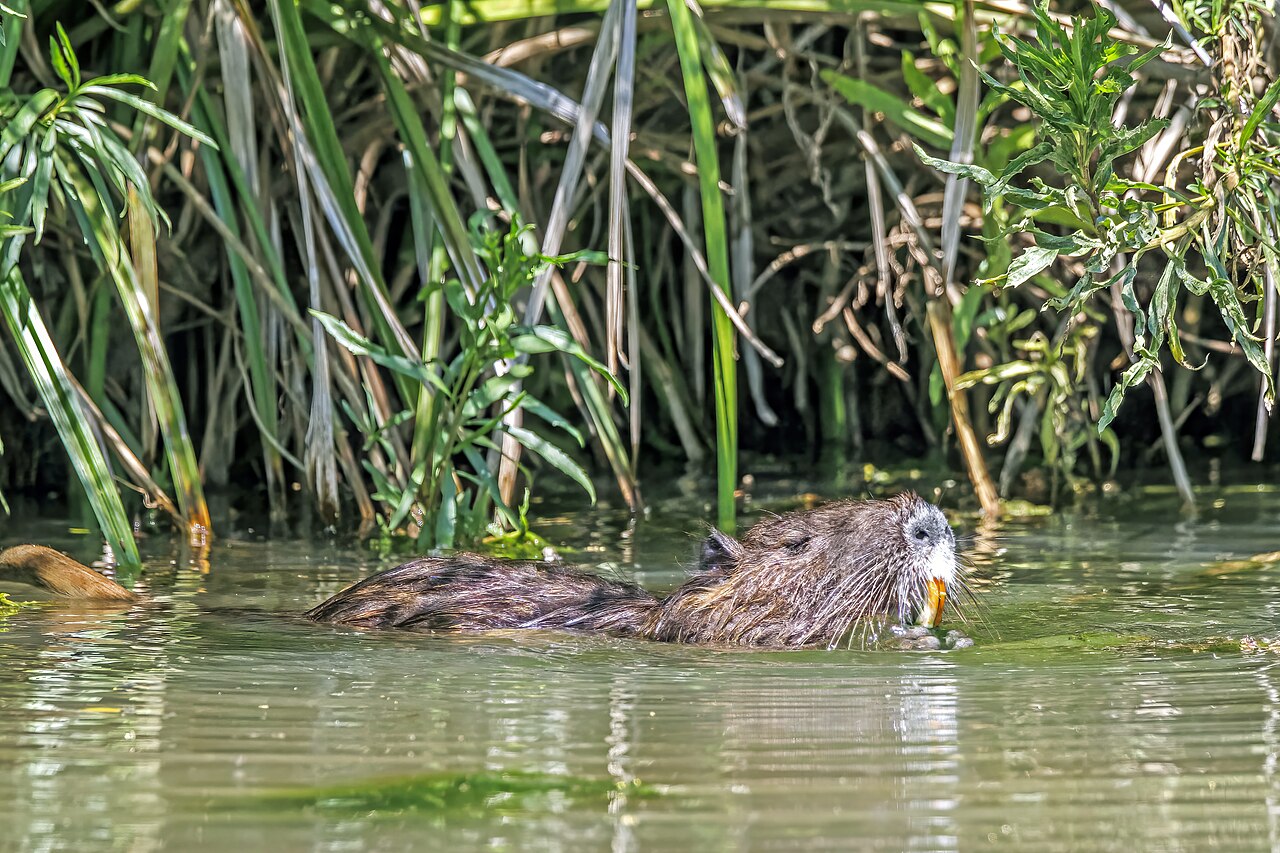
Deep in the pristine waterways of Patagonia, a remarkable rodent thrives in both Argentine and Chilean territories. The coipos, scientifically known as Myocastor coypus, represent one of the region’s most fascinating semi-aquatic mammals. Furthermore, these large rodents play a crucial role in maintaining the delicate ecosystem balance of Patagonian wetlands. Also known as nutria, these…
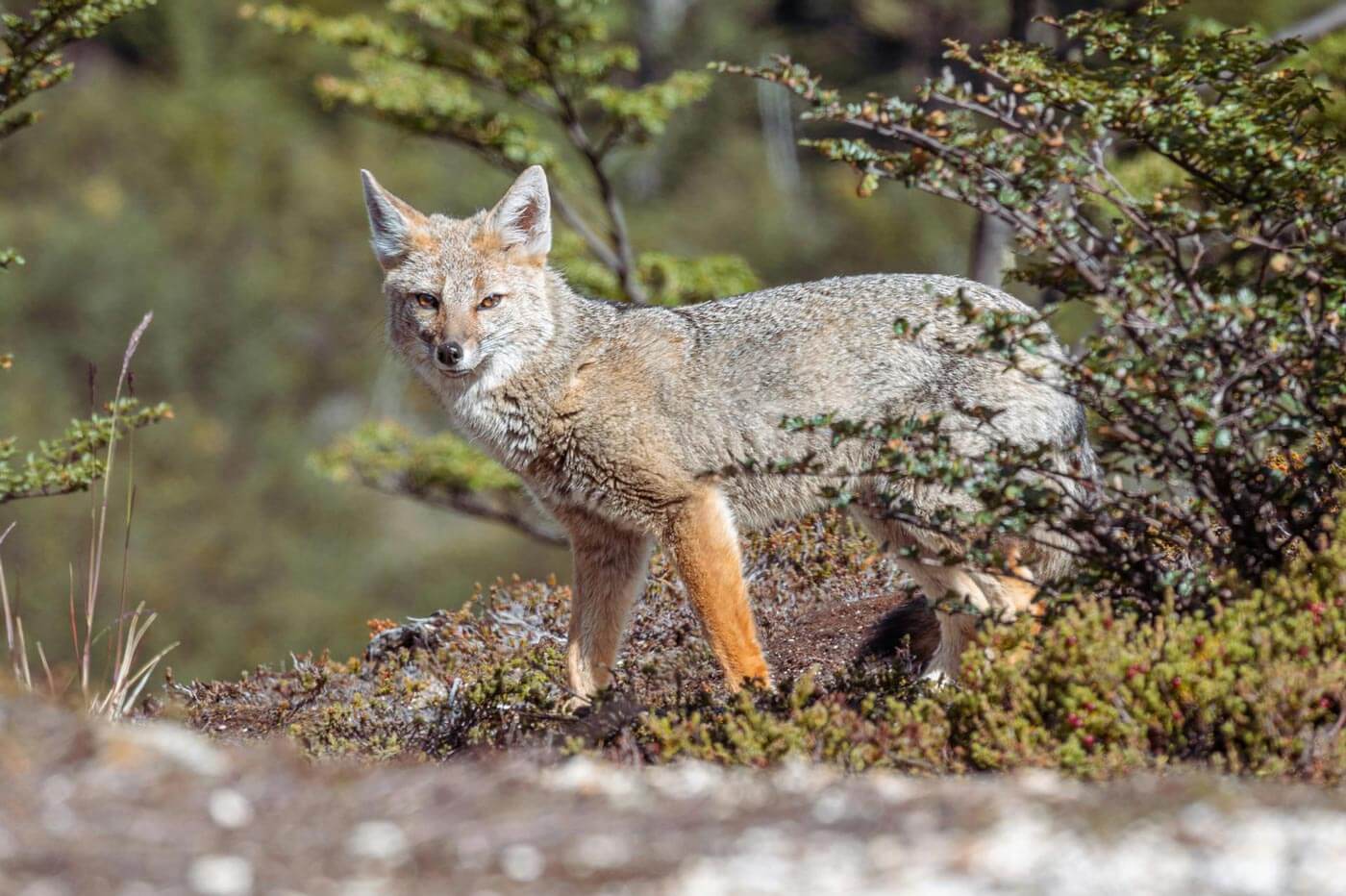
The vast windswept landscapes of Patagonia are home to one of South America’s most adaptable predators: the Patagonian gray fox. This resilient canid, known scientifically as Lycalopex griseus, roams from the Andes foothills to the Atlantic coast, making it an essential part of the region’s ecosystem. However, spotting this elusive zorro gris requires patience and…
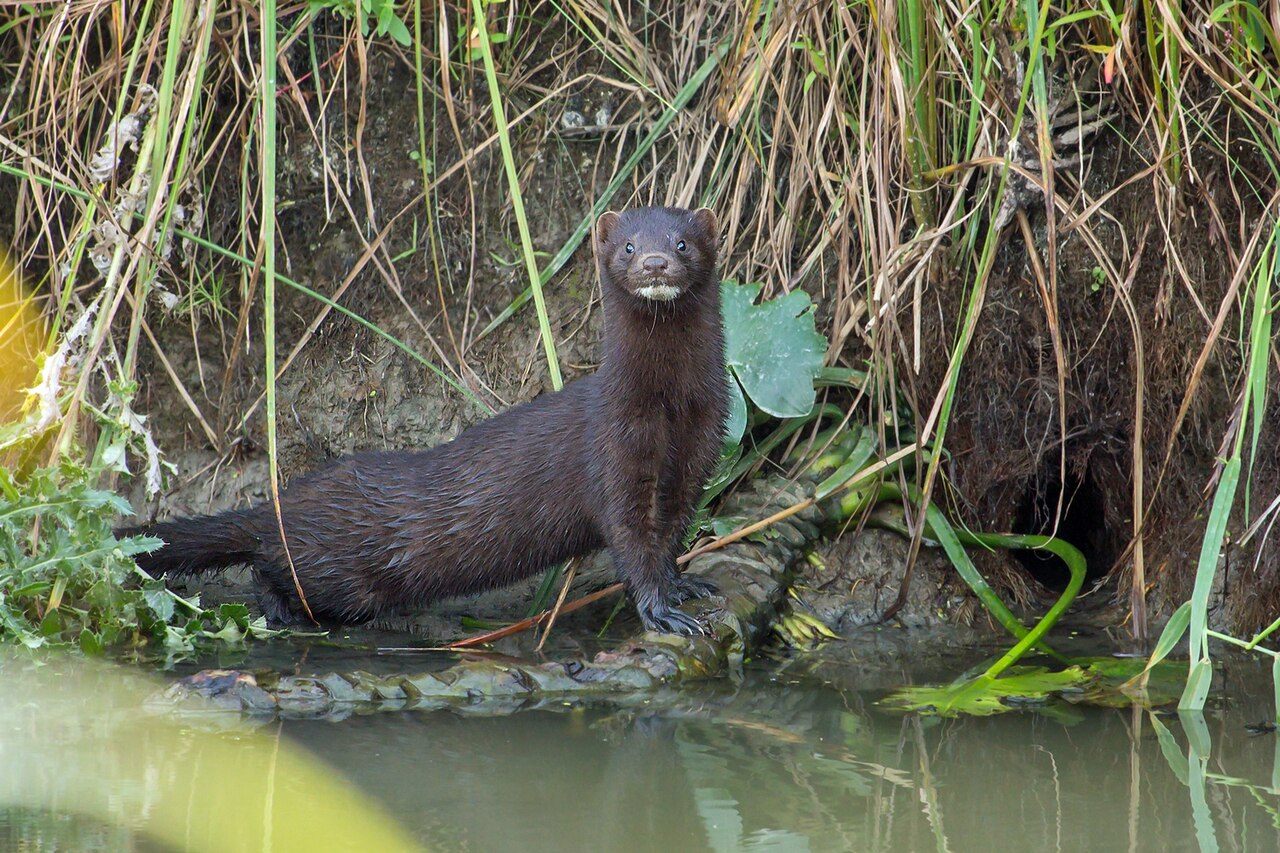
The American Mink represents one of the most complex cases of introduced fauna in Patagonia, where this semi-aquatic carnivore has found ideal habitat in the rivers and lakes of Argentina and Chile. What is an American Mink? A species that, far from its North American origins, today forms a controversial part of the Patagonian ecosystem….
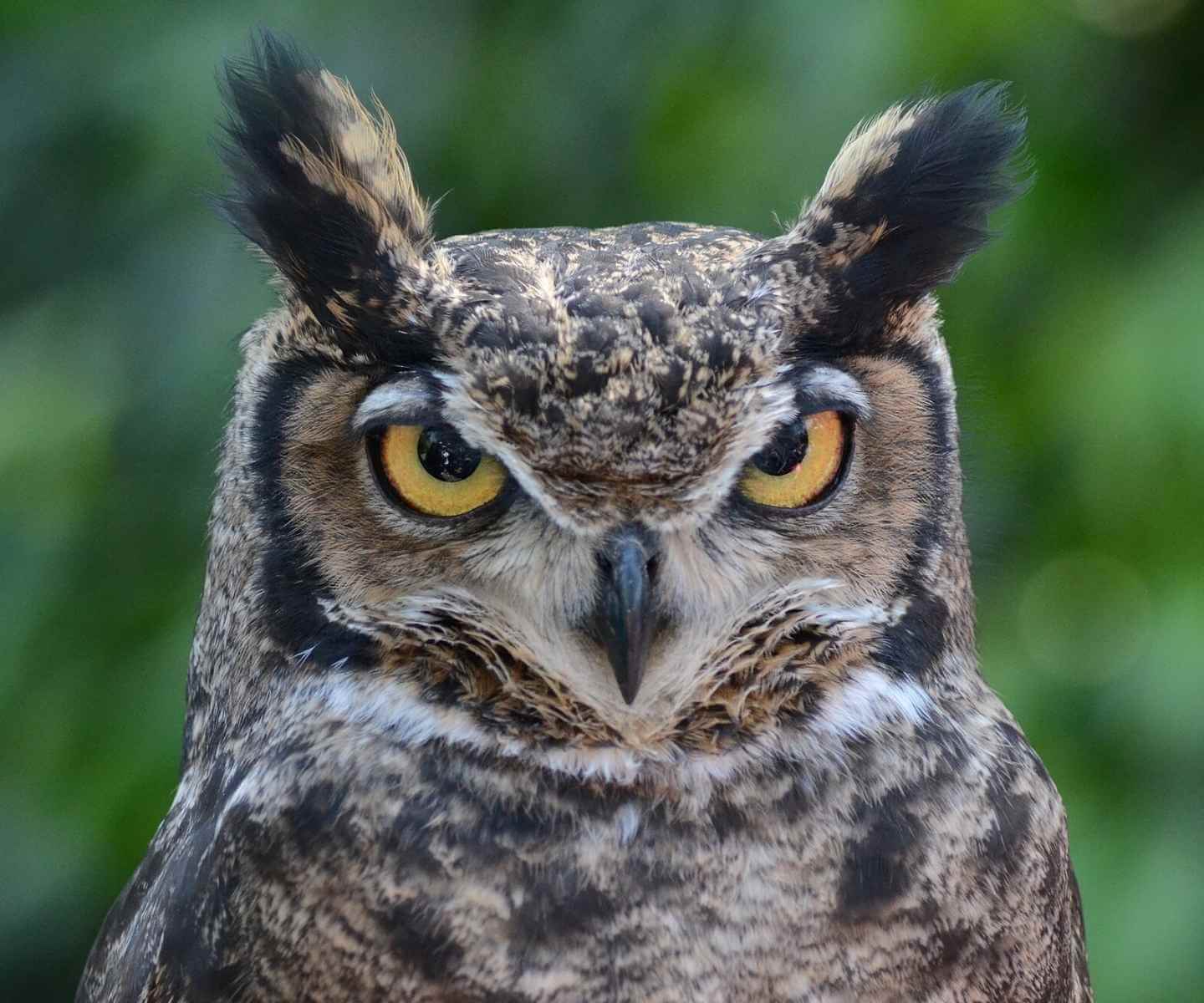
The Magellanic horned owl (*Bubo magellanicus*), known locally as the “tucuquere,” is one of the most iconic and recognizable birds of Patagonia. This nocturnal predator inhabits native forests, steppes, and mountainous regions of Argentina and Chile, playing an essential ecological role as a natural controller of small mammals. Its presence and its distinctive call are…
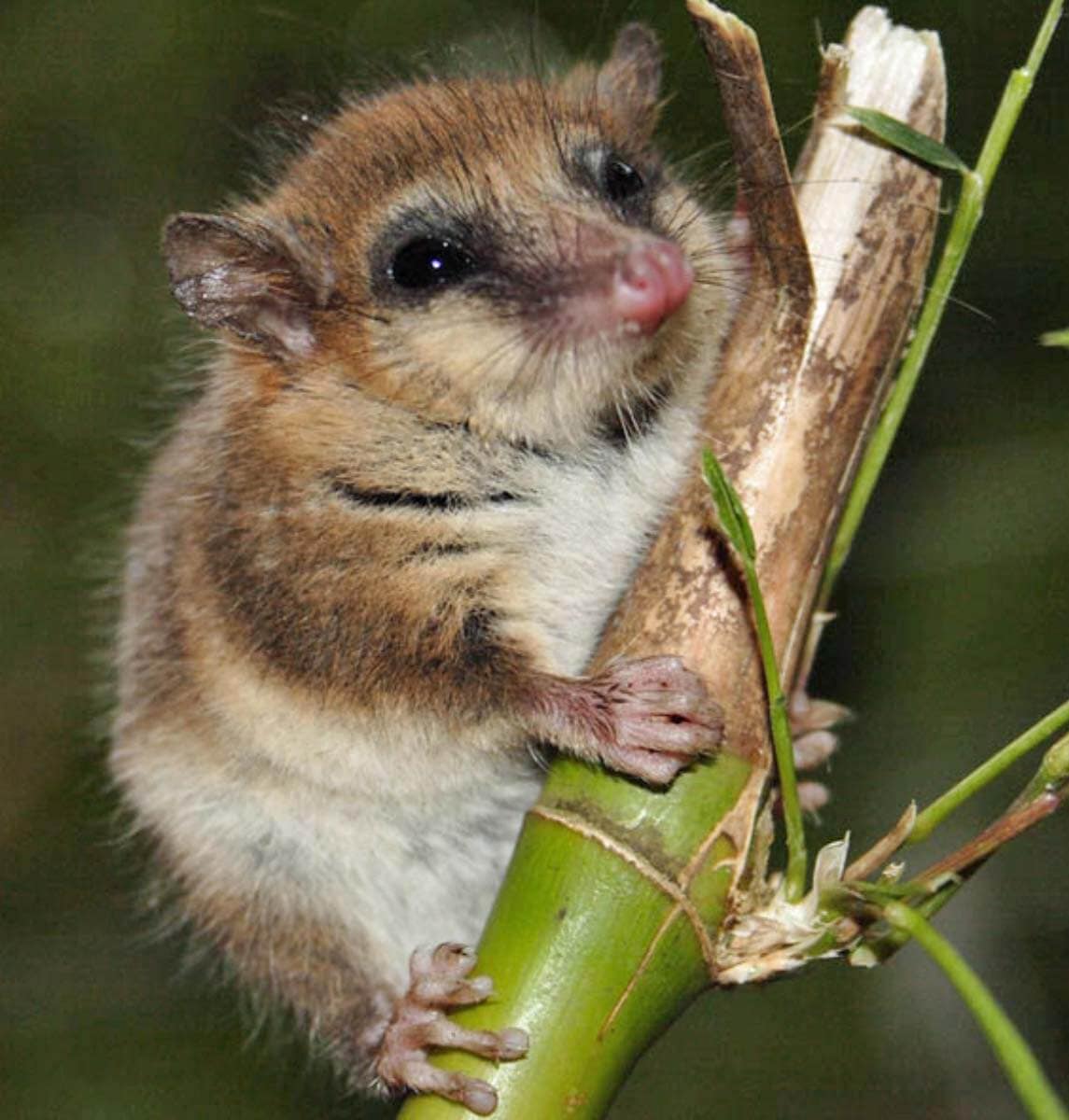
The monito del monte (Dromiciops gliroides) is a small marsupial that inhabits the temperate rainforests of southern Chile and Argentina. Considered a “living fossil,” it represents the only surviving species of an ancestral lineage that connects South America with Australia. Its presence in Patagonia is of immense ecological, cultural, and scientific importance: it plays a…
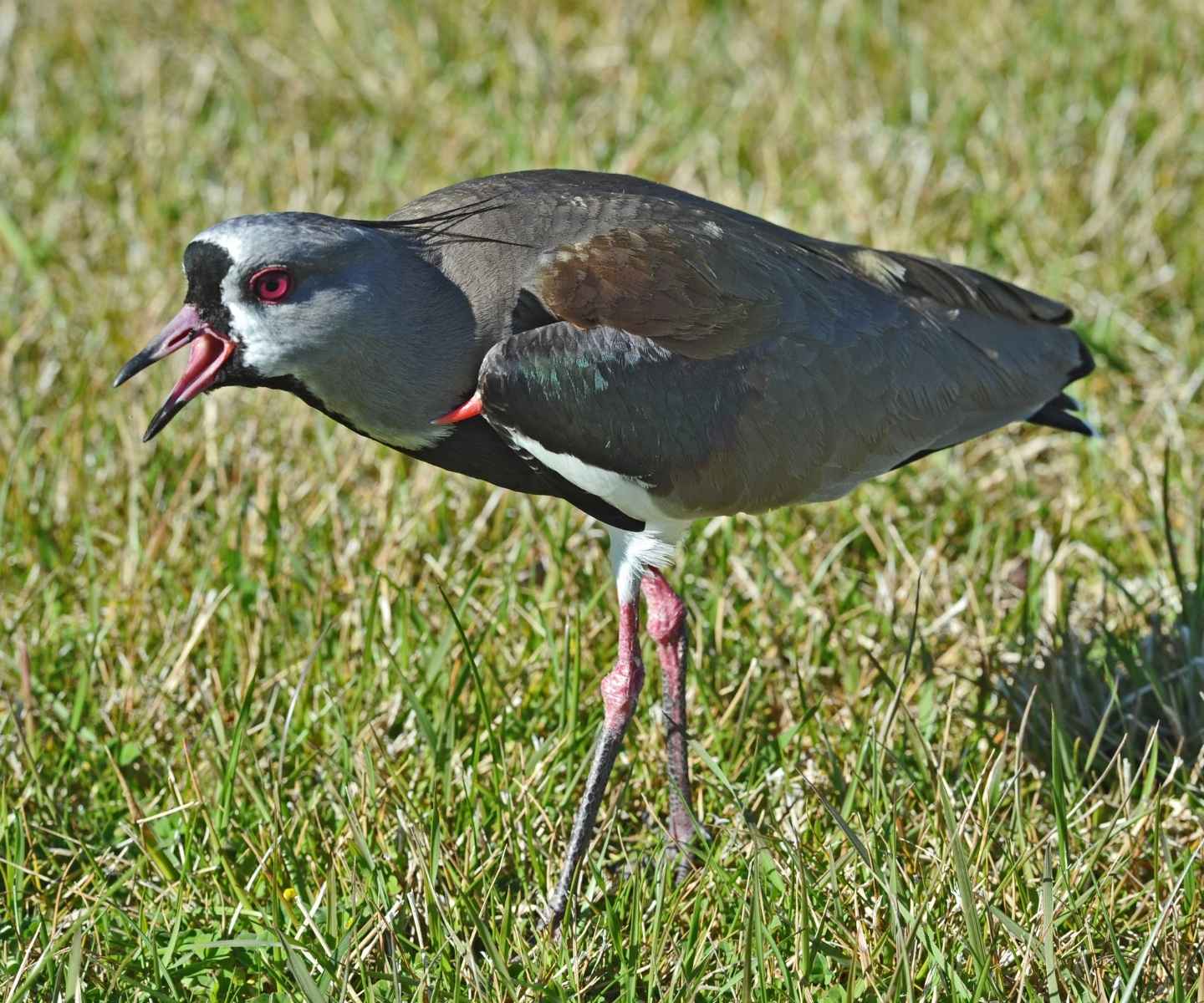
The Southern Lapwing (Vanellus chilensis) is one of the most recognizable and easiest-to-identify birds in Patagonia. Its characteristic call, territorial behavior, and presence in open fields have made it a true symbol of the rural landscape. This species is not only part of the everyday life of those who inhabit the region, but it also…
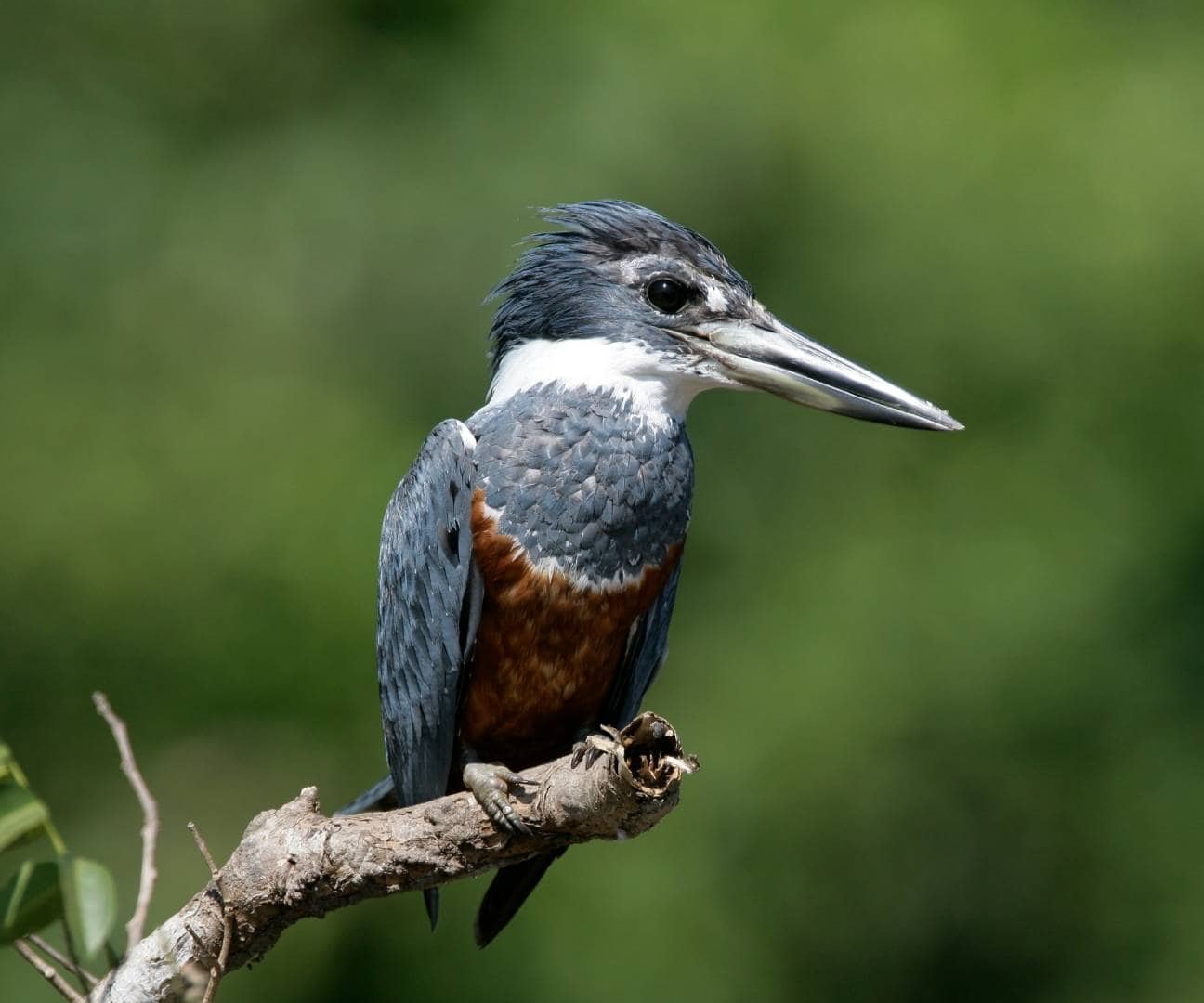
The Ringed Kingfisher (Megaceryle torquata), locally known as the Kingfisher or Kingfisher bird, is one of the most striking birds in Patagonian wildlife. Its unmistakable silhouette, diving skills, and vibrant colors make it a symbol of the region’s rivers and lakes. In Patagonia, this species is not only a highlight for birdwatchers and photographers but…
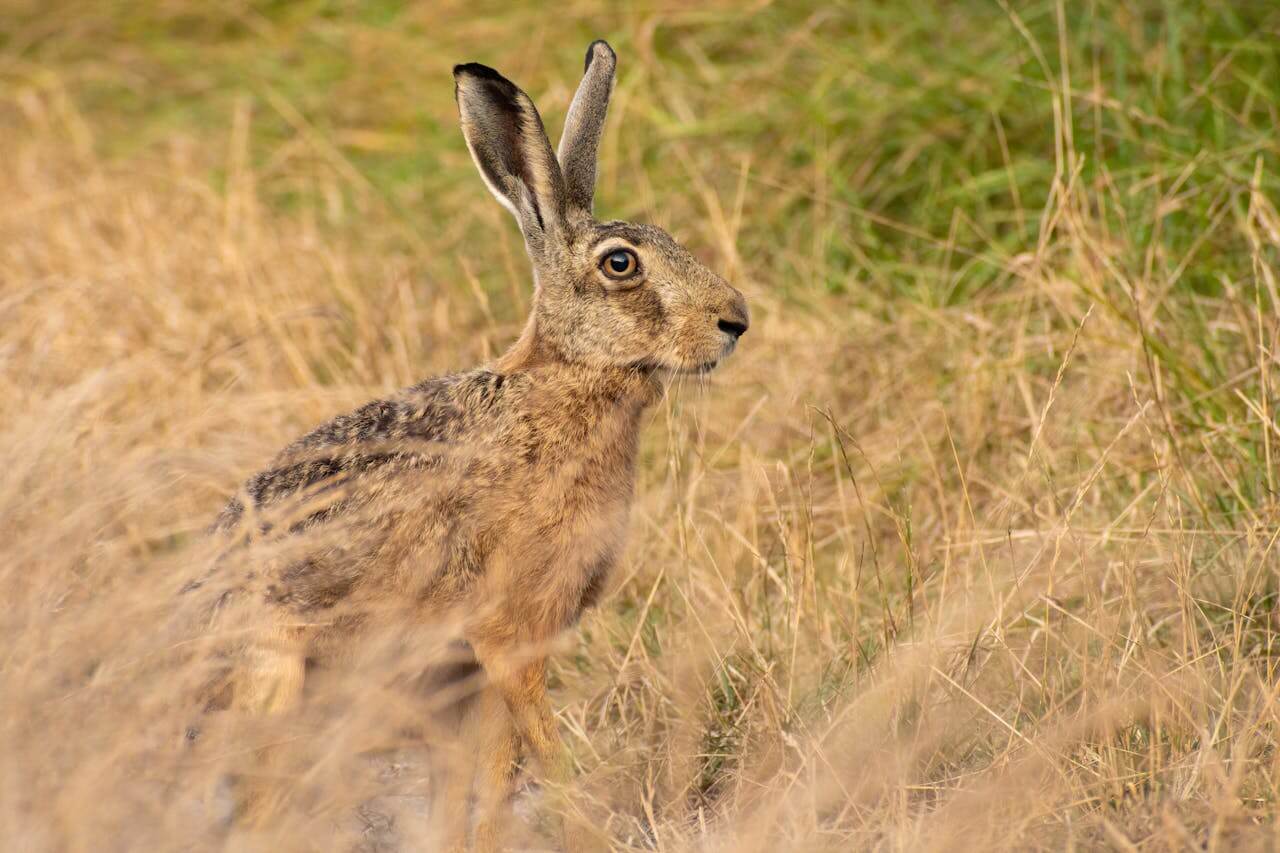
The European hare (Lepus europaeus) is one of the introduced species in Patagonia that has generated the greatest adaptation and controversy. Although not native to the region, its presence has become so common that many associate it directly with the Patagonian landscape. This article explores its history, biological characteristics, ecological impact and current situation in…
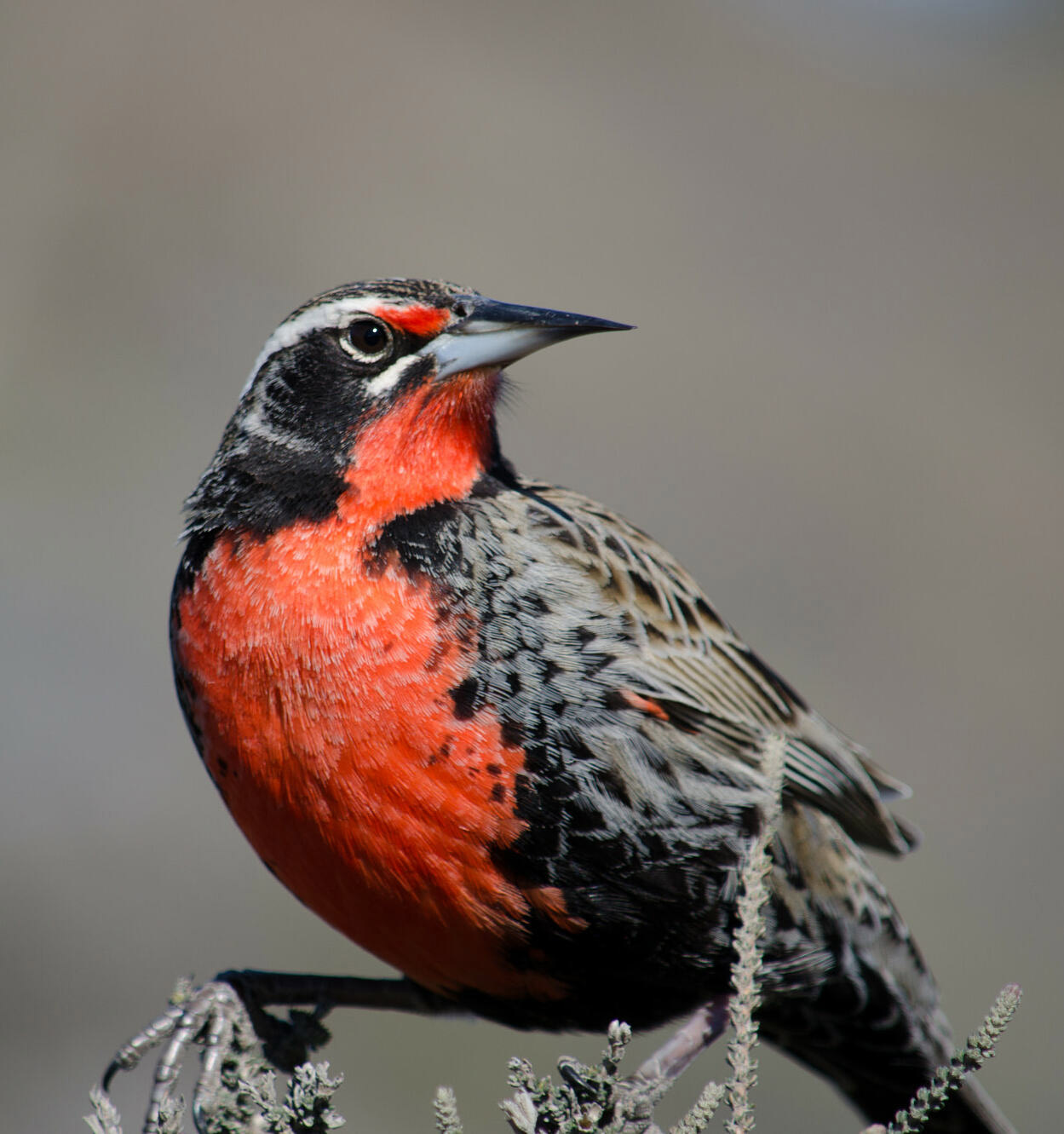
The loica (Leistes loyca), also known as the red-breasted loica, is one of the most emblematic birds of Patagonia. This bird, belonging to the Icteridae family, stands out for its vibrant plumage and melodious song, which has captivated ornithologists and nature lovers alike. In this article, we will explore in detail the life of the…
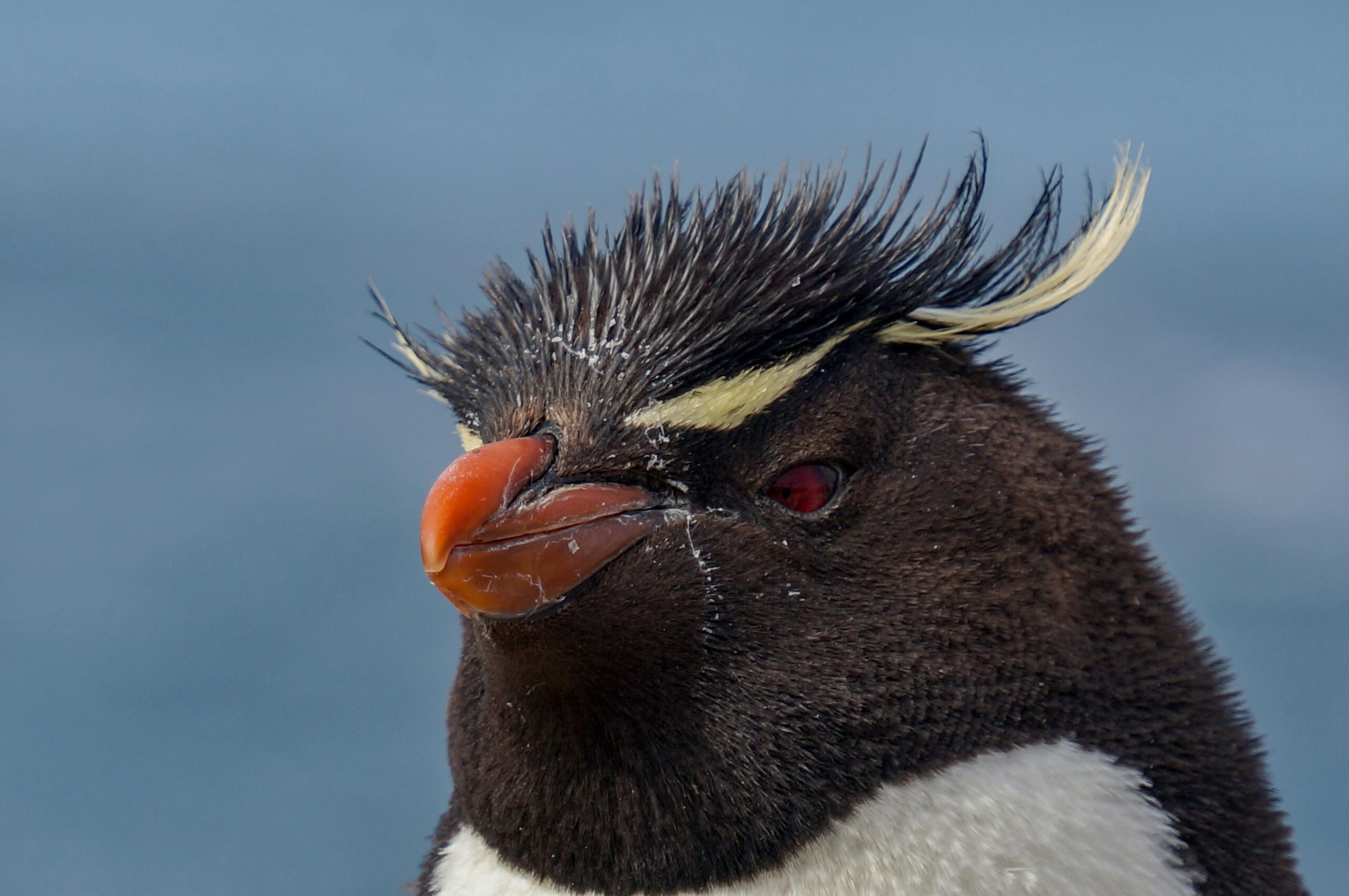
Patagonia is a natural paradise that harbors a unique biodiversity in the world. Among its most emblematic species is the rockhopper penguin (Eudyptes chrysocome), a seabird that has captured the attention of scientists, tourists, and nature lovers due to its distinctive appearance and fascinating behavior. This article delves into the life of this species, its…
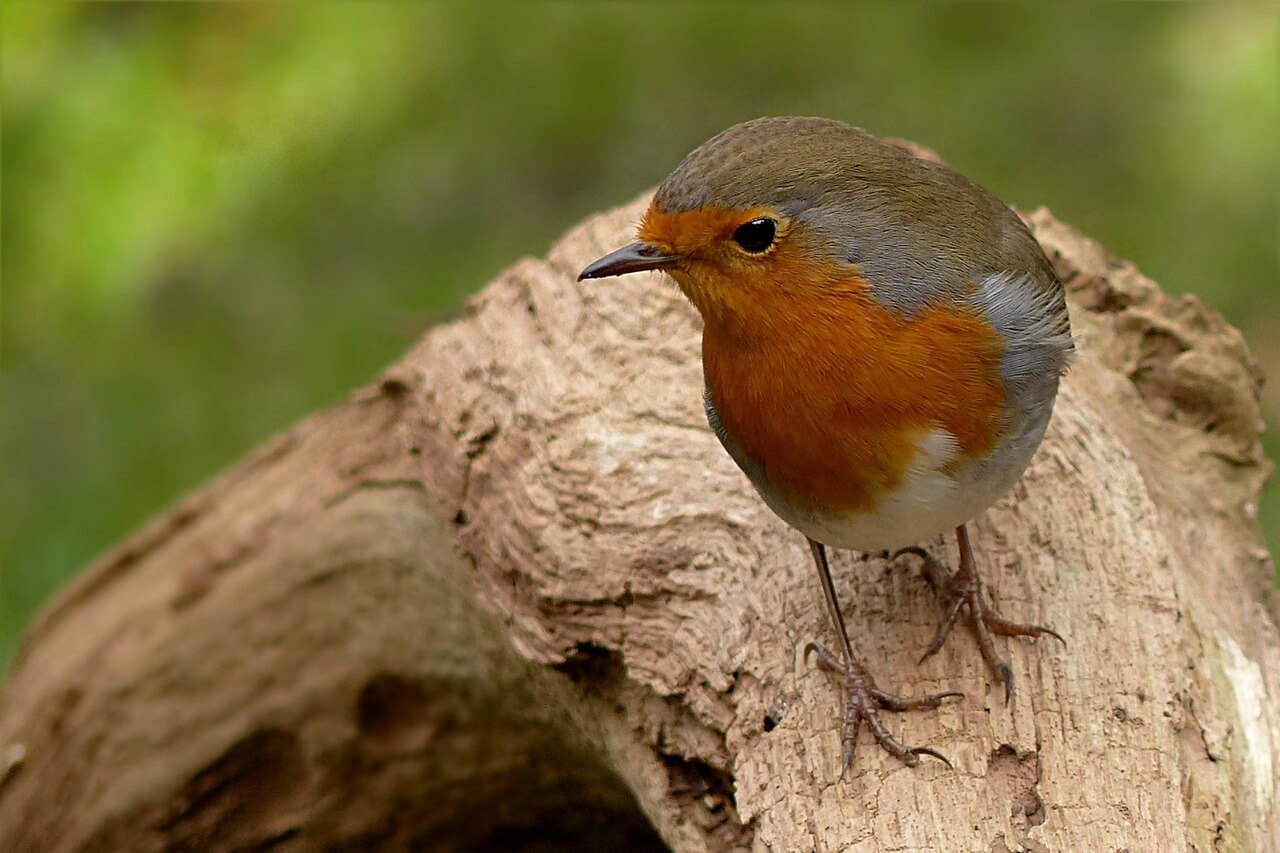
In the heart of Patagonia, amidst the dense Andean forests and humid scrublands, lives a small bird of great ecological and cultural importance: the chucao. Known scientifically as Scelorchilus rubecula, this bird is one of the most emblematic species of the region, not only for its distinctive song but also for its role in the…
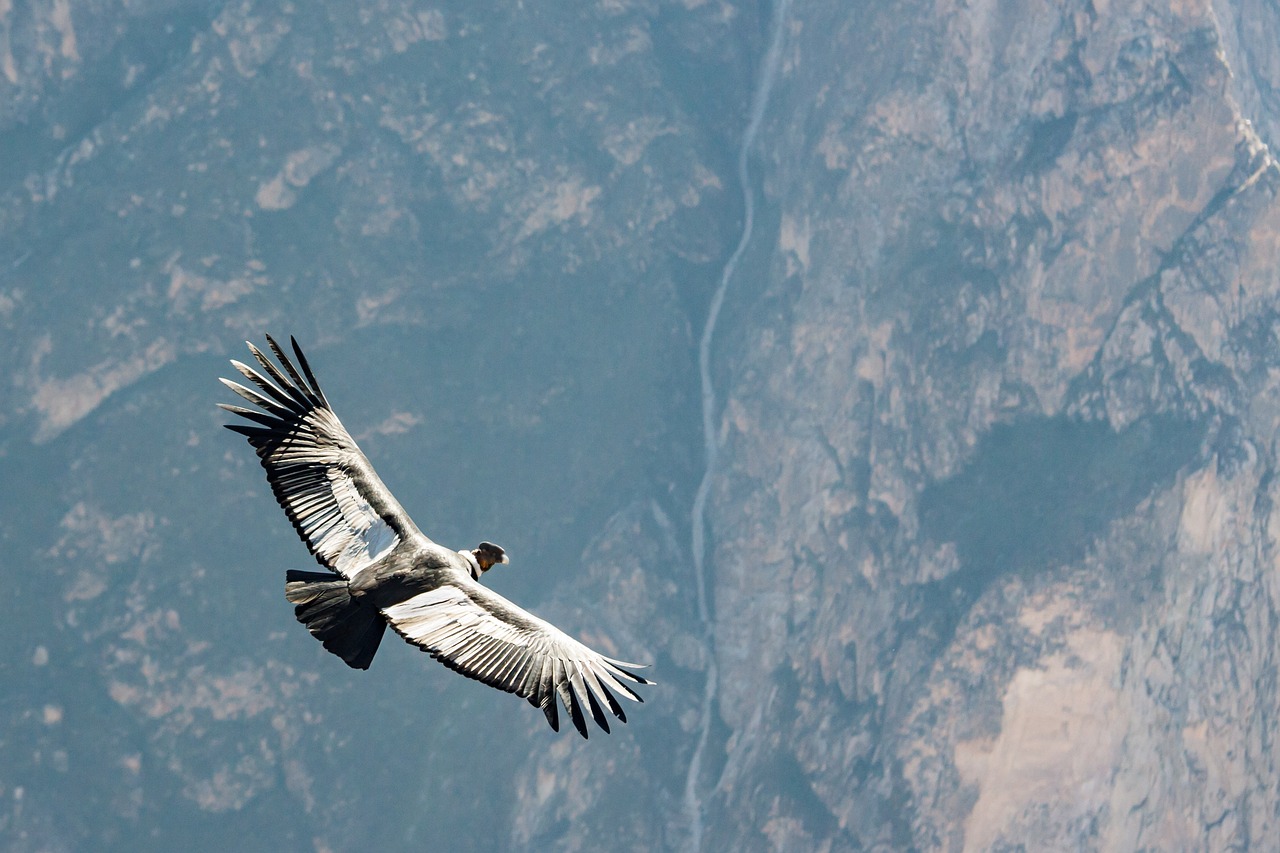
The Andean condor is one of the most majestic and recognized birds on the South American continent. With a wingspan that can exceed 3 meters, it is the largest flying bird in the world. In this article, you will learn in detail about the characteristics, diet, habitat in Patagonia, and the threats this bird faces….
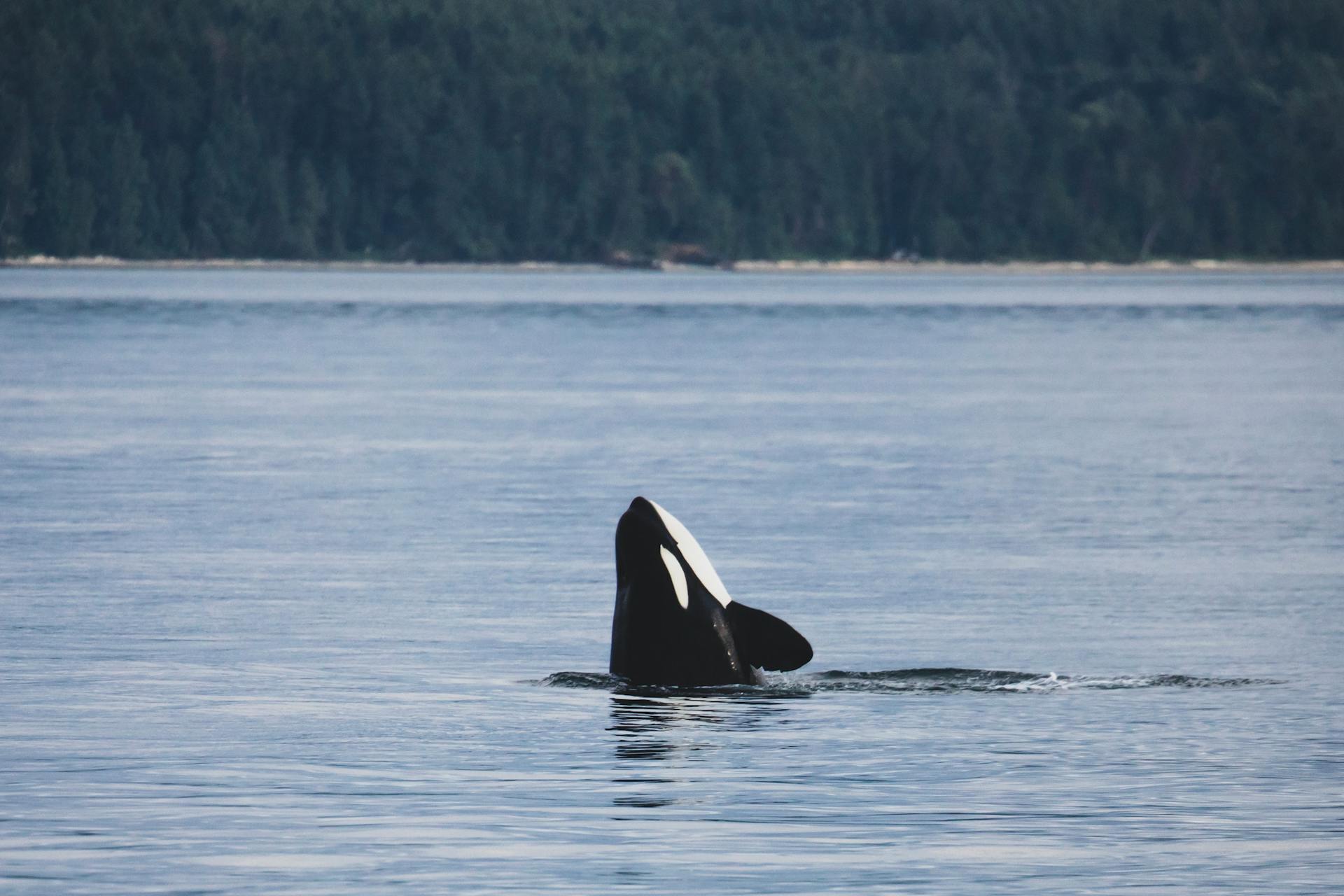
Patagonia, with its vast expanse of wild lands and seas, is home to one of the most enigmatic and fascinating creatures of the ocean: the orca (Orcinus orca). Commonly known as the “killer whale“, the orca in Patagonia has captured the attention of scientists, tourists, and local residents alike, not only for its size and…
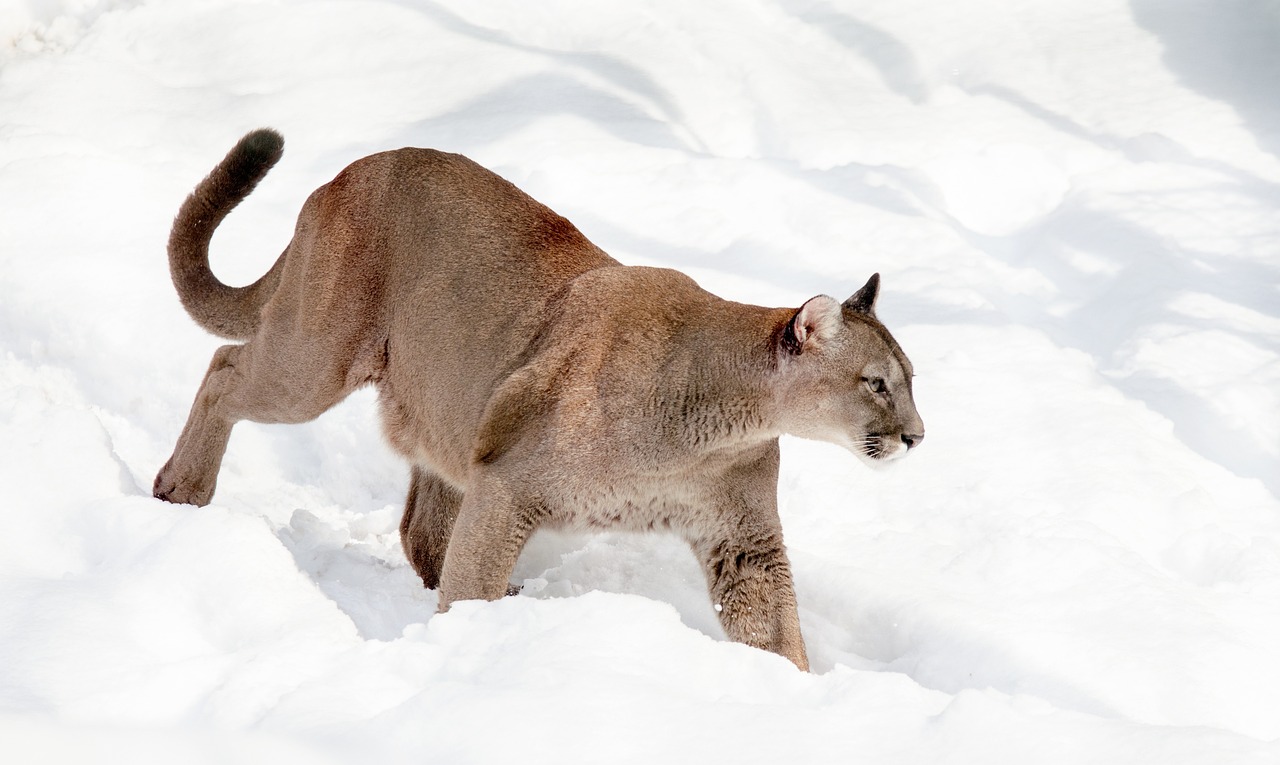
The Puma concolor, popularly known as the puma, mountain lion, or cougar, is the second-largest feline in the Americas after the jaguar. In Patagonia, this majestic creature is known as the southern puma or Patagonian puma, symbolizing the wildlife of southern Argentina and Chile. This article explores the unique challenges and efforts in Patagonian puma…
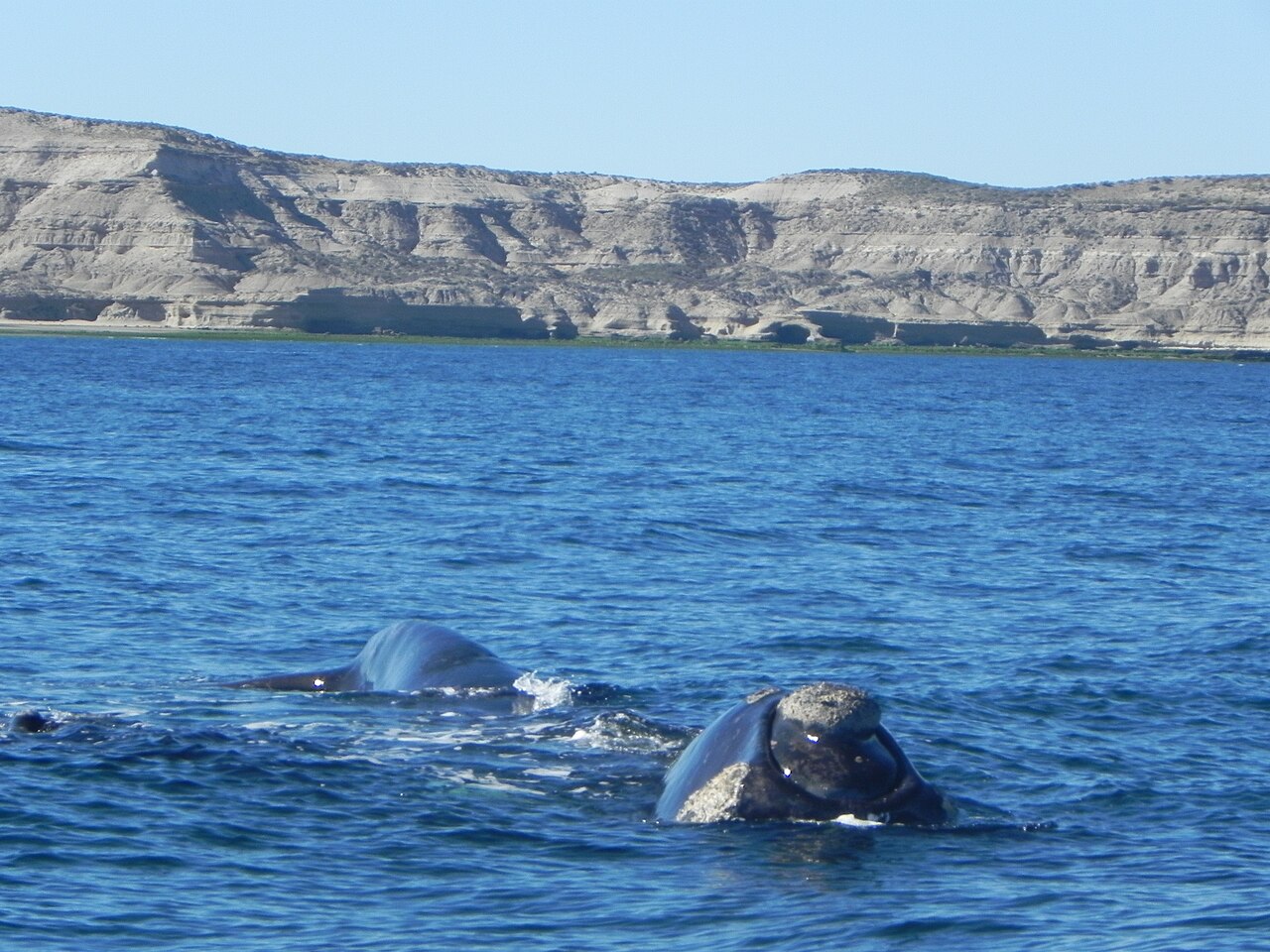
Introduction The Southern Right Whale (Eubalaena australis) is one of the most fascinating cetacean species in the southern hemisphere. These majestic creatures are recognized for their impressive size, unique physical characteristics, and social behavior. This article will explore in detail their habitat, diet, behavior, and the conservation efforts being made to protect them. Habitat and…
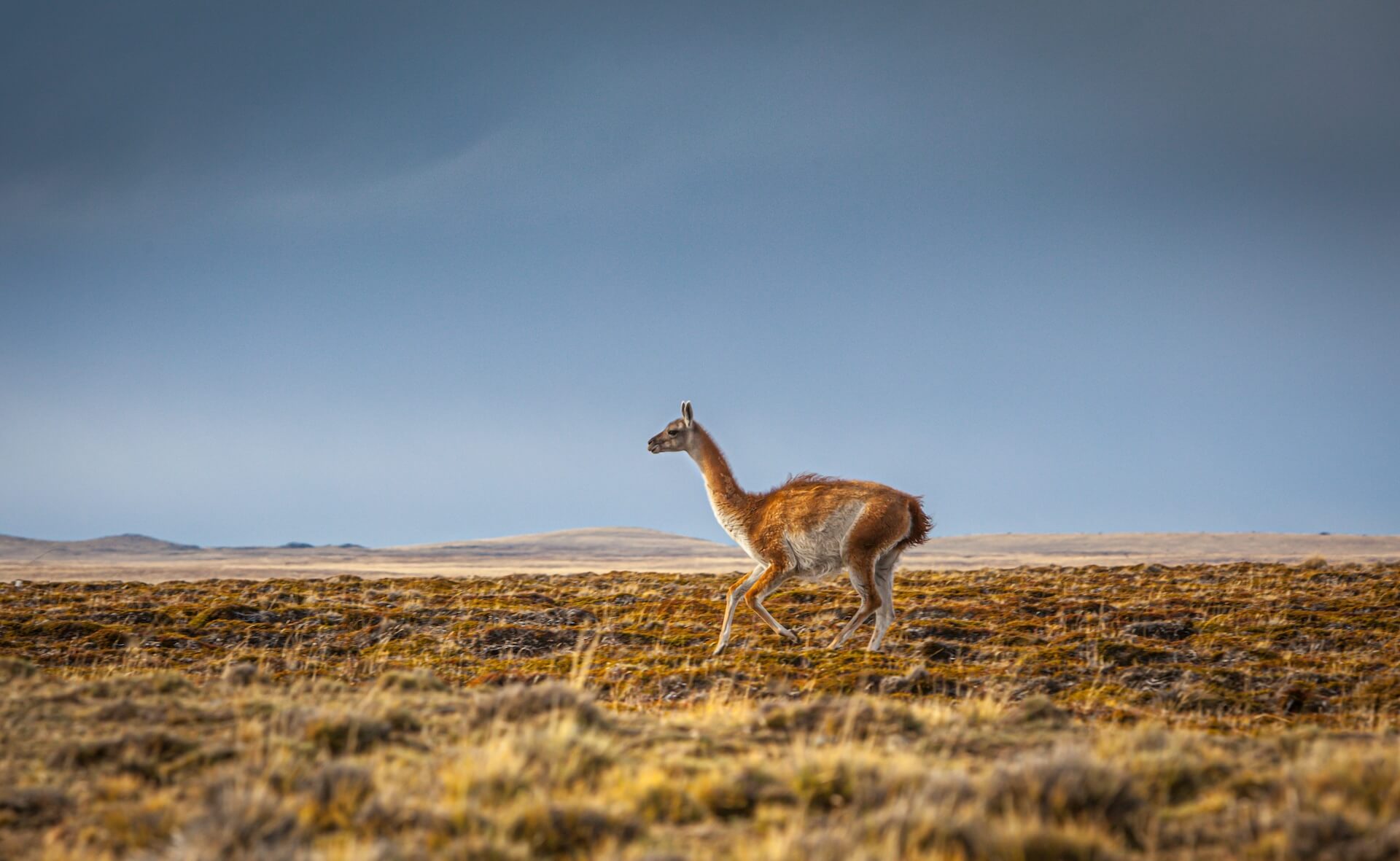
Explore the characteristics, habitat, diet, and differences between the guanaco and other similar animals. We answer frequently asked questions and clarify concepts related to this fascinating animal. Index What is a guanaco? Where does it live? What does it eat? Guanaco predators Behavior and reproduction Comparisons: Guanaco vs other camelids Why do guanacos spit and…
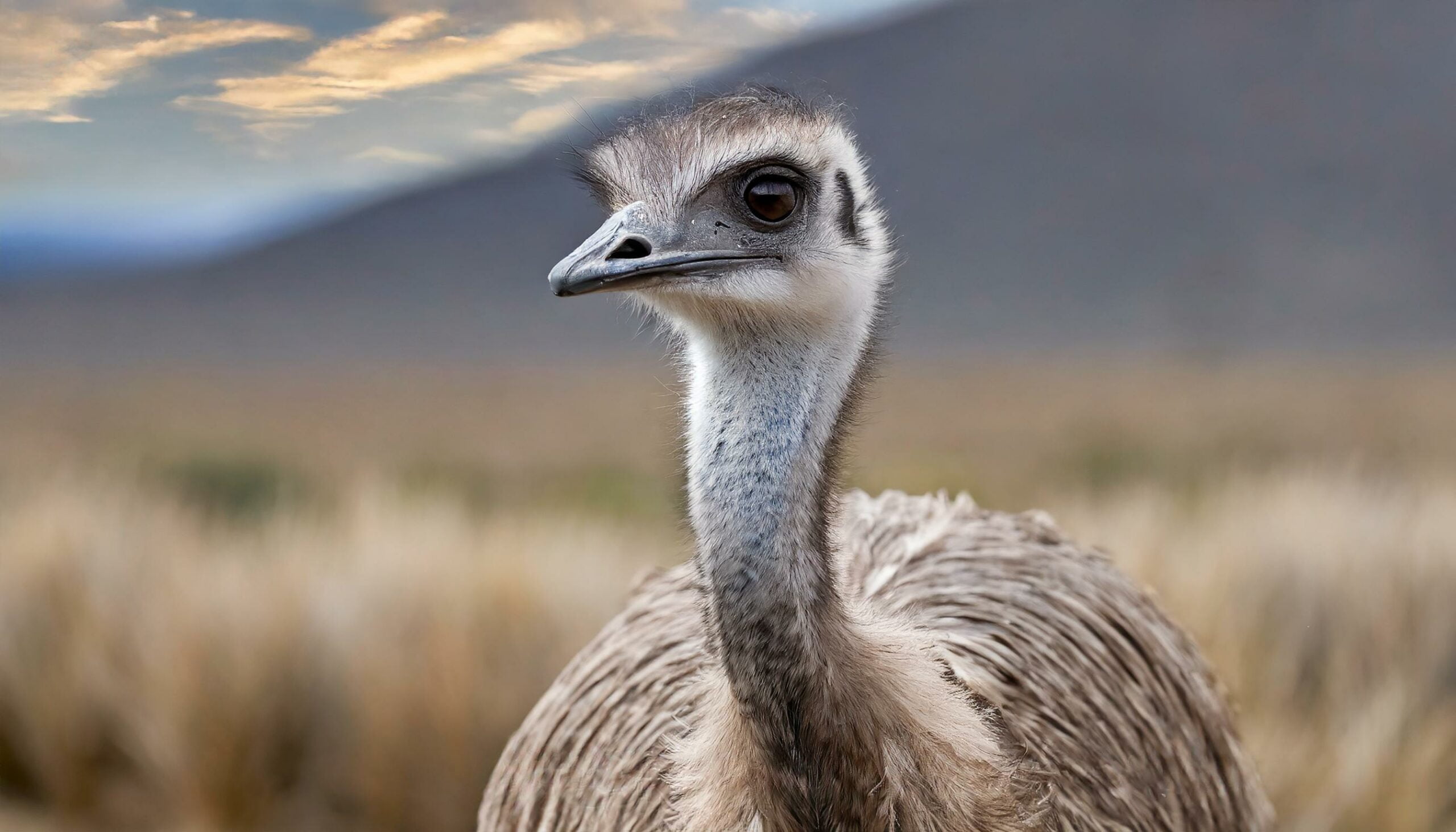
The rheas, native birds of the vast steppes of Patagonia, demonstrate remarkable rhea survival in Patagonia through their anatomical and behavioral adaptations. These adaptations enable them to thrive in one of Earth’s most challenging environments. Below, we explore these giants of the steppe and their survival strategies. Physical Adaptations for Survival The dense plumage of…
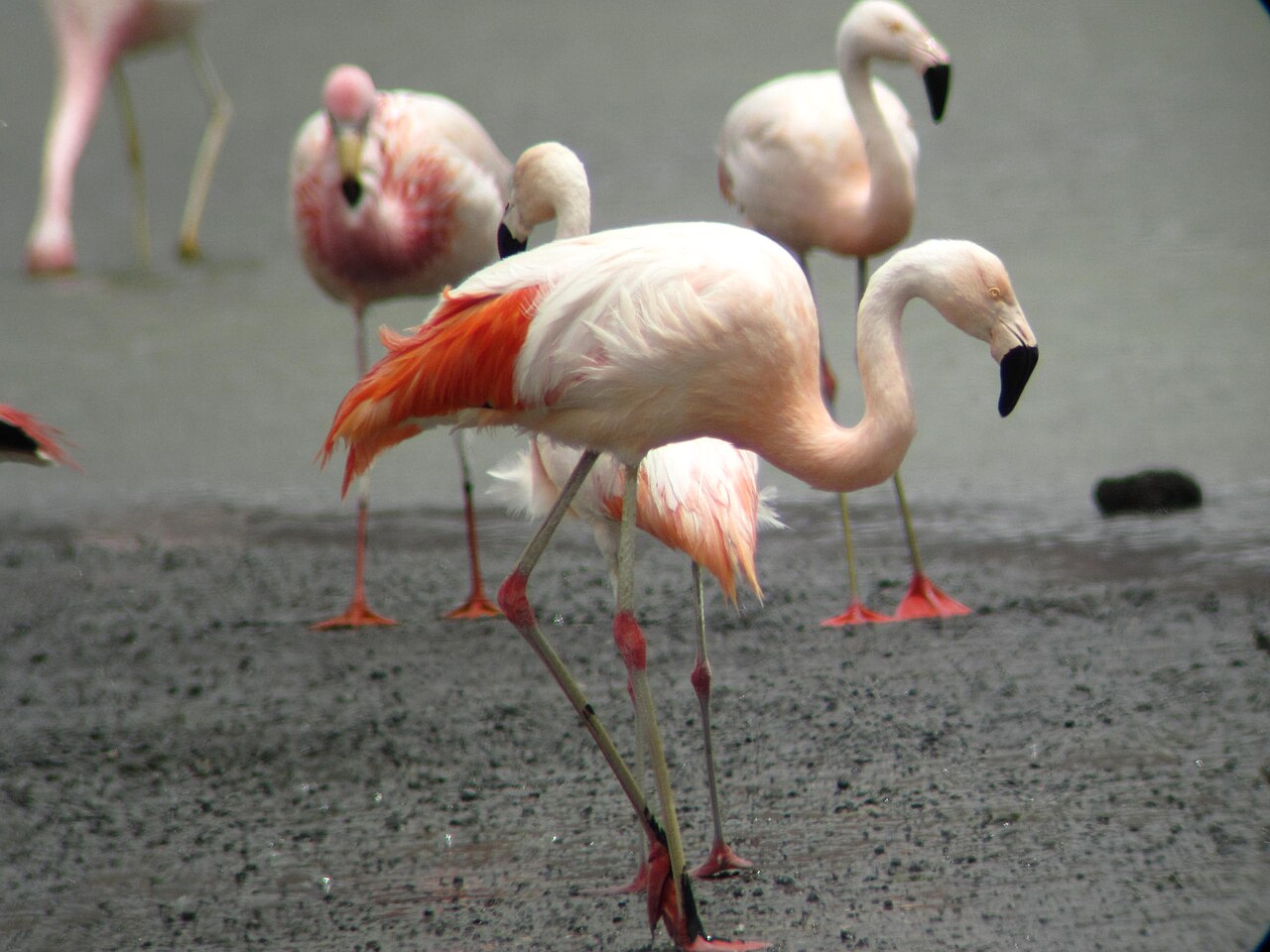
Introduction to Flamingos in Patagonia The presence of flamingos in Patagonia captures everyone’s attention, showcasing birds typically associated with warmer climates adapting to this rugged region. This article explores how these majestic birds thrive in Patagonia. Two Andean flamingos enjoying the Patagonian landscape. Adaptation to Patagonian Climate Contrary to what many might think, both Chilean…
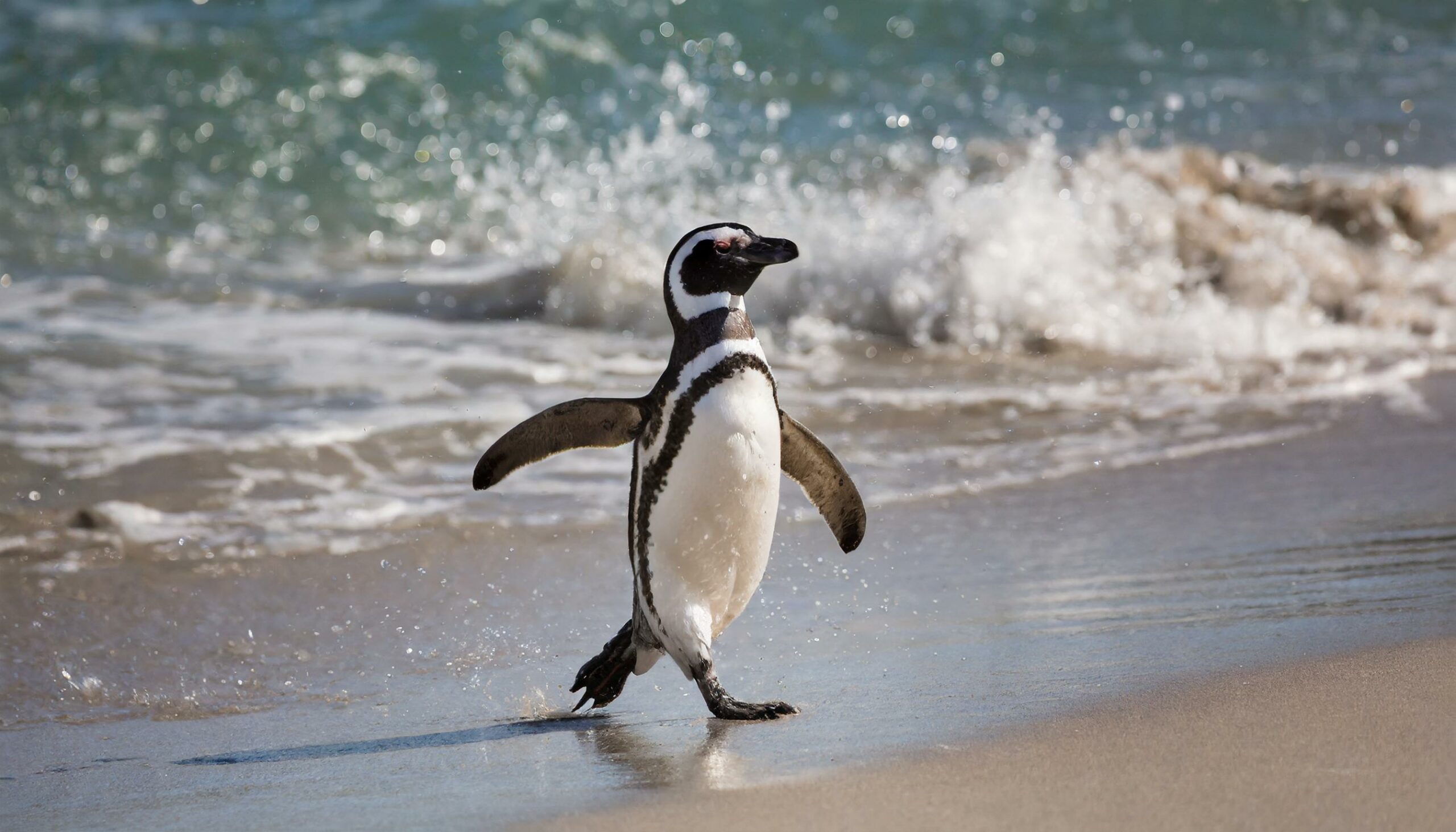
Punta Tombo: Home of the Magellanic Penguins offers an unforgettable experience in one of Argentine Patagonia’s most stunning wildlife sanctuaries. Located on the Atlantic coast of Chubut province, this reserve is renowned for hosting the world’s largest colony of Magellanic penguins, with over a million individuals calling it their home. Magellanic penguins (spheniscus magellanicus) underwater…

Puerto Madryn and Its Sea Lion Pups Puerto Madryn is a popular tourist destination in Patagonia, known for its rich marine life and opportunities to observe whales, dolphins, and other marine species. However, one of the most fascinating aspects of this place is the sea lion pups excursion in Puerto Madryn, which allows you to…
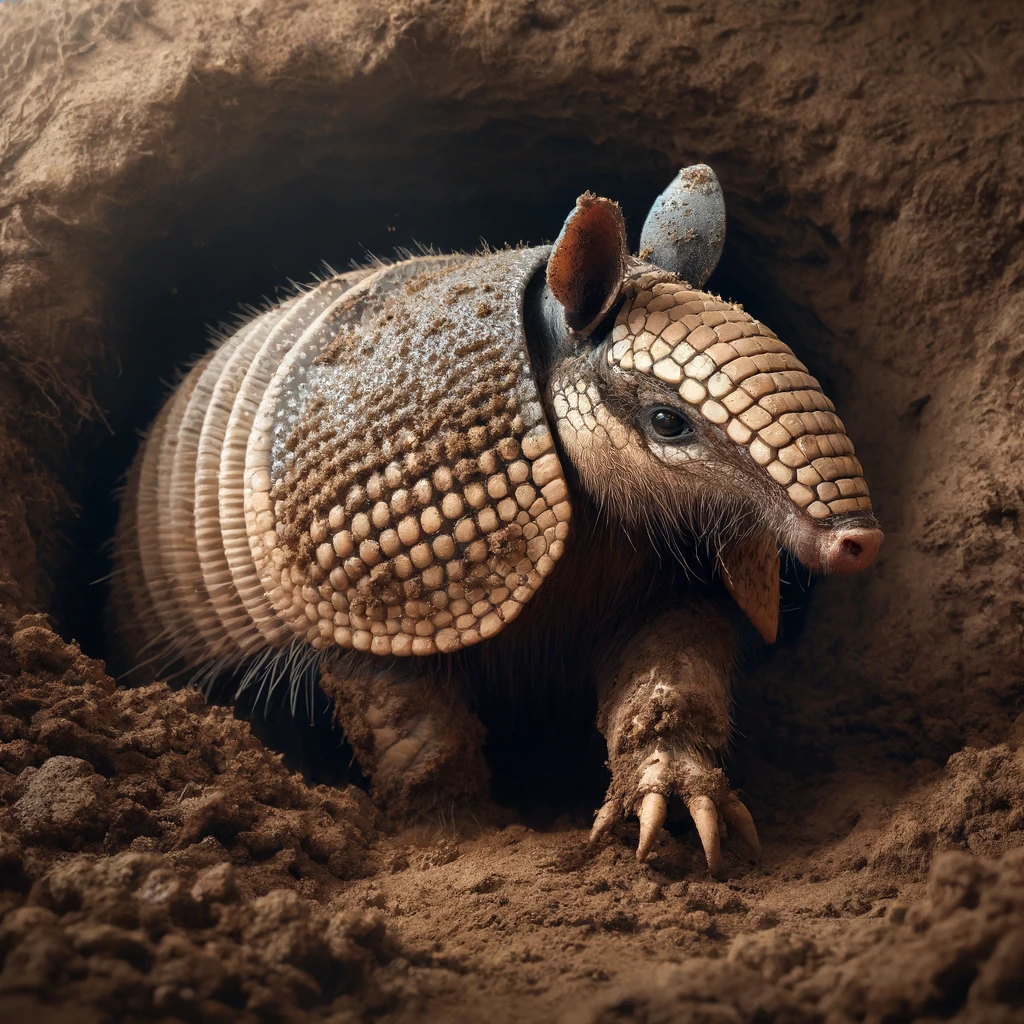
The Patagonian piche (Zaedyus pichiy), also known as quirquincho, inhabits natural grasslands, shrublands, Patagonian steppes, and Andean valleys. It digs shallow burrows to seek protection from predators, extreme cold in winter, and heat in summer. This small armadillo with small ears and a serrated shell is native to Chile and Argentina. The piche is the…
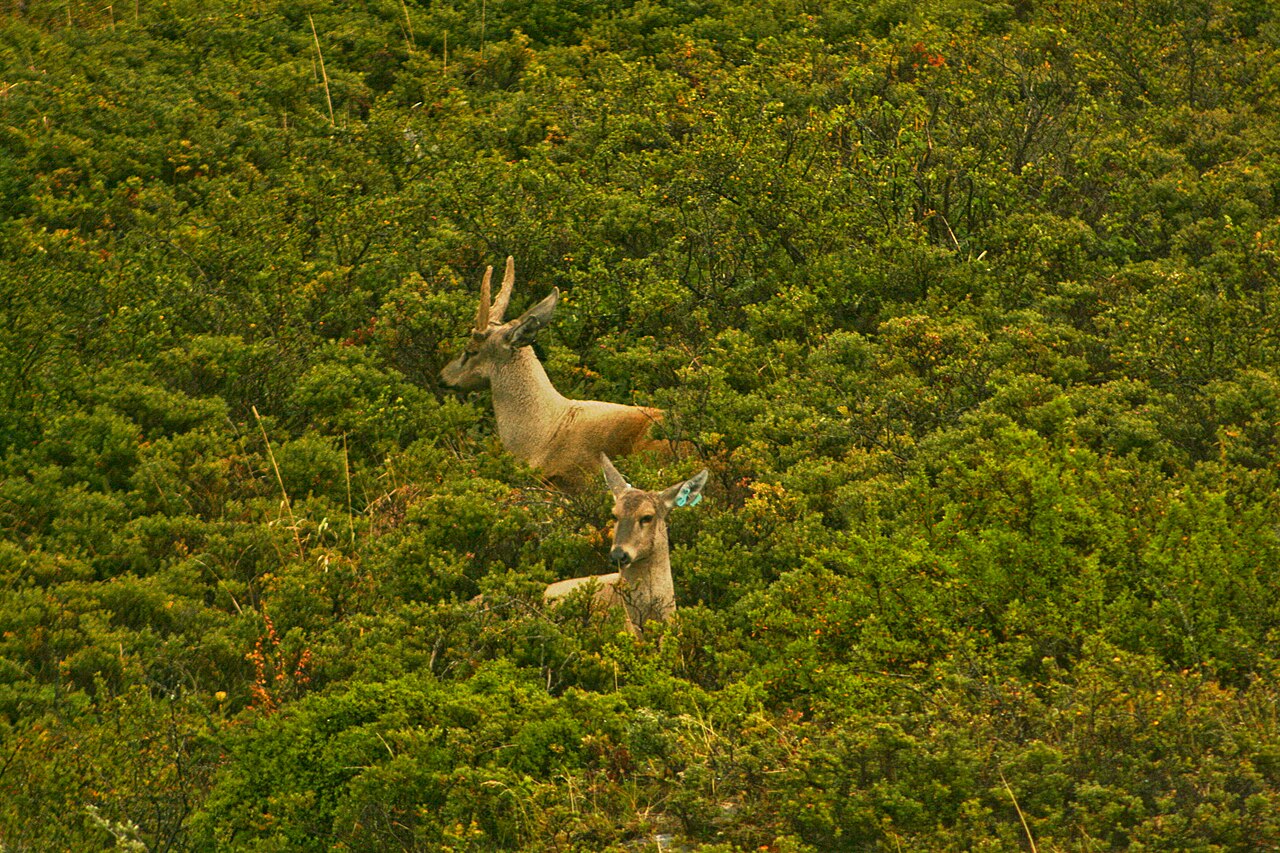
The endangerment of the huemul is an alarming reality that reflects the threats faced by this emblematic species of Patagonia. This article explores the main causes that put the survival of the huemul at risk. 1. Habitat Loss: A Disappearing World The relentless expansion of human activities has led to a dramatic loss of habitat…