Cordilleran Cypress: Characteristics, Conservation, and Importance
The Cordilleran Cypress (Austrocedrus chilensis), also known as “len” in Mapudungun, is an iconic species of the Andean forests of Patagonia. This tree, unique in its genus, stands out not only for its beauty and resilience but also for its ecological and cultural importance in the region. In this article, we will explore the characteristics…
March 7, 202512 min
The Cordilleran Cypress (Austrocedrus chilensis), also known as “len” in Mapudungun, is an iconic species of the Andean forests of Patagonia. This tree, unique in its genus, stands out not only for its beauty and resilience but also for its ecological and cultural importance in the region. In this article, we will explore the characteristics of the Cordilleran Cypress, its distribution, conservation status, and the traditional uses that have made this species a symbol of Argentine and Chilean Patagonia.
Characteristics of the Cordilleran Cypress
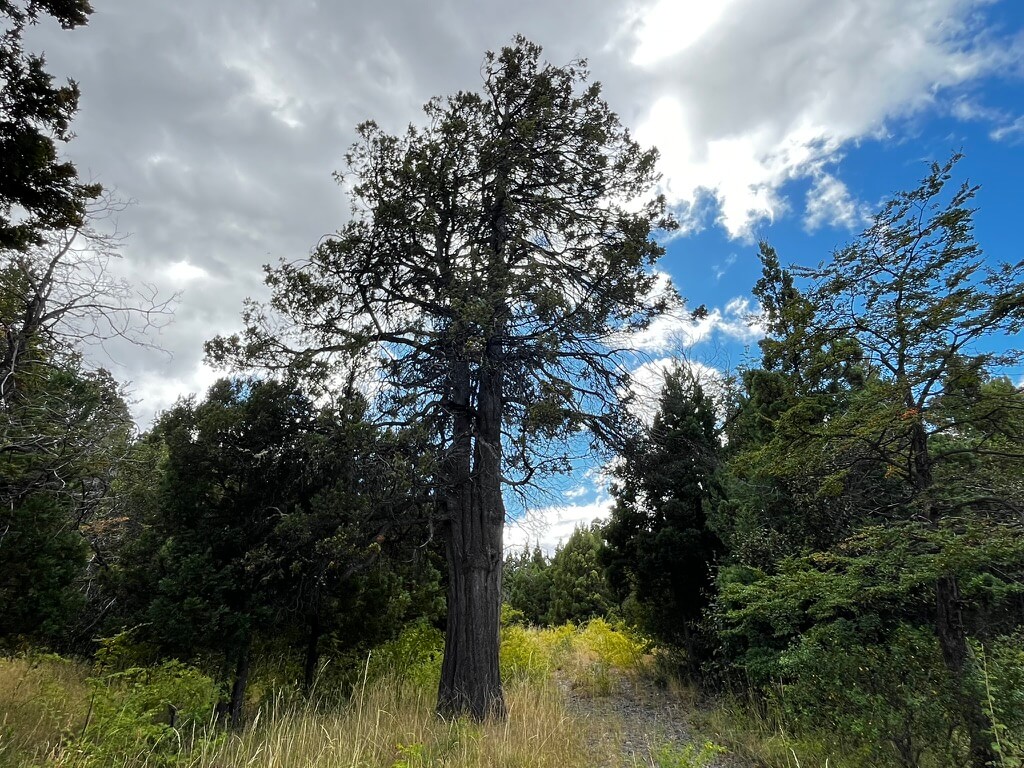
The Cordilleran Cypress is a slow-growing but remarkably resilient tree. It reaches average heights of 20 to 25 meters, although exceptional specimens of up to 44 meters have been recorded. Its crown is conical, with flattened branches and small, opposite, scale-like leaves. The cones, which are its reproductive structures, are ovoid and change from green to brown as they mature.
Hojas del cipres de la Cordillera – Austrocedrus Chilensis
Hojas del cipres de la Cordillera – Austrocedrus Chilensis
One of the most notable characteristics of this species is its adaptability. It grows at altitudes ranging from 400 to 1600 meters above sea level, colonizing steep slopes and semi-arid zones. This adaptability makes it a keystone species for the stability of Patagonian ecosystems.
Cipres de la Cordillera – Austrocedrus chilensis
Cipres de la Cordillera – Austrocedrus chilensis
Cipres de la Cordillera – Austrocedrus chilensis
Distribution and Conservation Status of the Cordilleran Cypress
In Argentina, the Cordilleran Cypress extends from the north of Neuquén to Santa Cruz, making it the most geographically widespread conifer in the country. It is common in tourist areas such as San Martín de los Andes, San Carlos de Bariloche, and El Bolsón. Argentina is home to approximately 70% of the specimens of this species, which is also found in Chile, from the Valparaíso Region to Aysén.
However, its conservation status is Vulnerable (VU), according to the IUCN. Wildfires, urban expansion, and timber exploitation are the main threats to its survival. In Argentina, its conservation is a priority, as it is in better condition than in Chile, where efforts are being made to protect it alongside other native conifers such as Pilgerodendron uviferum and Fitzroya cupressoides.
Traditional and Modern Uses of the Cordilleran Cypress
The Cordilleran Cypress has been used since pre-Hispanic times. Its wood, known for its excellent buoyancy, was used in the construction of canoes and in Mapuche funeral rituals, such as the famous wampo burial of Newen Antug, Neuquén. Today, its wood is valued for its straight, rot-resistant trunk and is used in the construction of furniture, homes, and tourist structures in Patagonia.
Cypress firewood, hard and aromatic, is preferred by locals for domestic use. However, these uses have contributed to the reduction of its forests, especially in areas with high tourist demand.
Ecology and Threats to the Cordilleran Cypress
The Cordilleran Cypress plays a crucial role in preventing soil erosion, thanks to its deep root system. However, its location in semi-arid zones makes it especially vulnerable to wildfires. Its roots can retain embers underground, facilitating the spread of fires weeks after they have started.
The expansion of tourist towns and the exploitation of its wood have significantly reduced its natural habitat. Therefore, it is essential to implement conservation measures to protect this species and promote its regeneration in affected areas.
Reproductive Structures of the Cordilleran Cypress
The Cordilleran Cypress is a dioecious species, meaning there are separate male and female trees. This characteristic explains why some specimens produce fruits while others do not. Female trees are responsible for developing cones or fruits, while male trees produce small structures called catkins, which release the pollen needed for fertilization.
Characteristics of Flowers and Fruits
The flowers of the Cordilleran Cypress are small and inconspicuous but play a crucial role in the species’ reproduction. Male catkins are cylindrical and yellowish, while female flowers form greenish ovoid cones. Once fertilized, these cones transform into woody fruits measuring between 1 and 2 centimeters in length.
The fruits, known as galbuli, turn brown when mature and contain winged seeds that allow for wind dispersal. This process is fundamental for the natural regeneration of Cordilleran Cypress forests.
Why Do Some Cypresses Not Produce Fruits?
The absence of fruits in some specimens is due to them being male trees. These individuals do not produce galbuli but are essential for pollinating female trees. Additionally, environmental factors such as water availability, soil quality, and sun exposure can influence fruit production, even in female trees.
Another reason may be the age of the tree. Cordilleran Cypresses take several years to reach reproductive maturity, so young specimens usually do not produce fruits. Under optimal conditions, a female tree can start producing cones at around 20 to 30 years of age.
Ecological Importance of the Fruits
The fruits of the Cordilleran Cypress are not only important for the species’ reproduction but also for local wildlife. Birds such as the chucao and huet-huet feed on the seeds, contributing to their dispersal. This mutualistic relationship between the tree and the birds is essential for maintaining the biodiversity of Patagonian forests.
Conos Ovoides del Cipres de la Cordillera
Conos Ovoides del Cipres de la Cordillera
Conos Ovoides del Cipres de la Cordillera
The Black Fungus: A Threat to the Cordilleran Cypress
One of the most concerning problems affecting the Cordilleran Cypress is the presence of a fungus commonly known as black fungus (Phytophthora austrocedri). This pathogen, which reproduces in the bark and roots of the tree, has caused devastation in cypress populations in Patagonia, especially in Argentina and Chile.
The most evident symptoms of the infection include:
Discoloration of the bark: The tree’s bark turns dark or blackish in affected areas.
Wilting of leaves: The cypress leaves turn yellow and then brown, falling prematurely.
Dieback of branches: Branches begin to dry out from the tips inward.
What Are the Green Threads on the Black Fungus?
In some cases, green threads or a kind of green fuzz can be seen on areas affected by the black fungus. These structures are actually sporangia or reproductive structures of the fungus. Sporangia are small formations that contain spores, which allow the fungus to spread and colonize new trees.
These green threads are a sign that the fungus is active and in full reproductive mode. The spores released by these sporangia can be carried by wind, water, or even animals, facilitating the spread of the fungus to other trees.
Distribution and Impact of the Black Fungus
The black fungus was first identified in Argentina in the early 2000s in the Nahuel Huapi region and has since spread to other areas of Patagonia. In Chile, cases have also been reported in the Los Lagos and Aysén Regions. This disease has caused the death of thousands of Cordilleran Cypress specimens, affecting not only natural forests but also commercial plantations.
The ecological impact is significant, as the Cordilleran Cypress is a keystone species in Andean ecosystems. Its loss affects biodiversity, soil stability, and the dynamics of Patagonian forests.
Hongo negro del Cipres de la Cordillera
Hongo negro del Cipres de la Cordillera
Hongo negro del Cipres de la Cordillera
Hongo negro del Cipres de la Cordillera
The Role of the Community in Conservation
The fight against the black fungus depends not only on scientists and authorities but also on the community. Residents of Patagonia, as well as tourists, can contribute by following responsible practices, such as:
Avoiding the transport of soil or plants from infected areas.
Reporting trees with symptoms of the disease to local authorities.
Supporting reforestation initiatives with native species.
Conservation Efforts for the Cordilleran Cypress
In Argentina, various initiatives have been implemented to protect the Cordilleran Cypress. These include the creation of protected areas, such as national parks and natural reserves, where indiscriminate logging is prohibited, and forest regeneration is promoted. Additionally, reforestation campaigns have been carried out in areas affected by fires or human activities.
In Chile, conservation efforts focus on the protection of native forests and the restoration of degraded areas. Governmental and non-governmental organizations work together to monitor cypress populations and develop strategies for their long-term conservation.
The Cordilleran Cypress and Climate Change
Climate change represents an additional threat to the Cordilleran Cypress. Rising temperatures and decreasing rainfall in the Patagonian region could negatively affect its growth and survival. Additionally, extreme weather events, such as prolonged droughts and intense storms, could increase the risk of wildfires.
To mitigate these effects, it is essential to implement climate change adaptation policies that include the protection of Andean forests and the promotion of sustainable practices in the use of natural resources.
Conclusion
The Cordilleran Cypress is an emblematic species of Patagonia, whose beauty and resilience have made it a symbol of the Andean forests. However, its vulnerable conservation status demands concrete actions to protect it. From its traditional use in Mapuche culture to its value in modern architecture, this tree represents a natural and cultural legacy that we must preserve for future generations.
Frequently Asked Questions
1. How tall does the Cordilleran Cypress typically grow?
The Cordilleran Cypress typically reaches average heights of 20 to 25 meters, though some exceptional specimens have been recorded at up to 44 meters tall. This slow-growing tree is characterized by a distinctive conical crown with flattened branches and small, scale-like leaves.
2. Where can I find the Cordilleran Cypress in Patagonia?
The Cordilleran Cypress grows at altitudes ranging from 400 to 1,600 meters above sea level throughout the Andean forests of Patagonia in Argentina and Chile. It has remarkable adaptability and colonizes steep slopes and semi-arid zones, making it a keystone species for regional ecosystem stability.
3. What does “len” mean and why is it significant?
“Len” is the Mapudungun name for the Cordilleran Cypress (Austrocedrus chilensis), reflecting the tree’s deep cultural importance to Indigenous peoples of Patagonia. This traditional name highlights the species’ significance beyond its ecological role in Argentine and Chilean Patagonia.
4. What are the identifying features of the Cordilleran Cypress?
The Cordilleran Cypress is identifiable by its conical crown, flattened branches, and small opposite scale-like leaves. Its reproductive structures are ovoid cones that transition from green to brown as they mature.
5. Why is the Cordilleran Cypress considered a keystone species?
The Cordilleran Cypress is a keystone species because of its exceptional adaptability to harsh conditions, including steep slopes and semi-arid zones at high altitudes. This resilience makes it crucial for maintaining the stability and integrity of Patagonian forest ecosystems.
6. What makes the Cordilleran Cypress resilient despite slow growth?
Though the Cordilleran Cypress grows slowly, it is remarkably resilient and can thrive in challenging environments across a wide altitude range from 400 to 1,600 meters. Its ability to colonize difficult terrain and semi-arid zones demonstrates its exceptional adaptability to Patagonian conditions.