
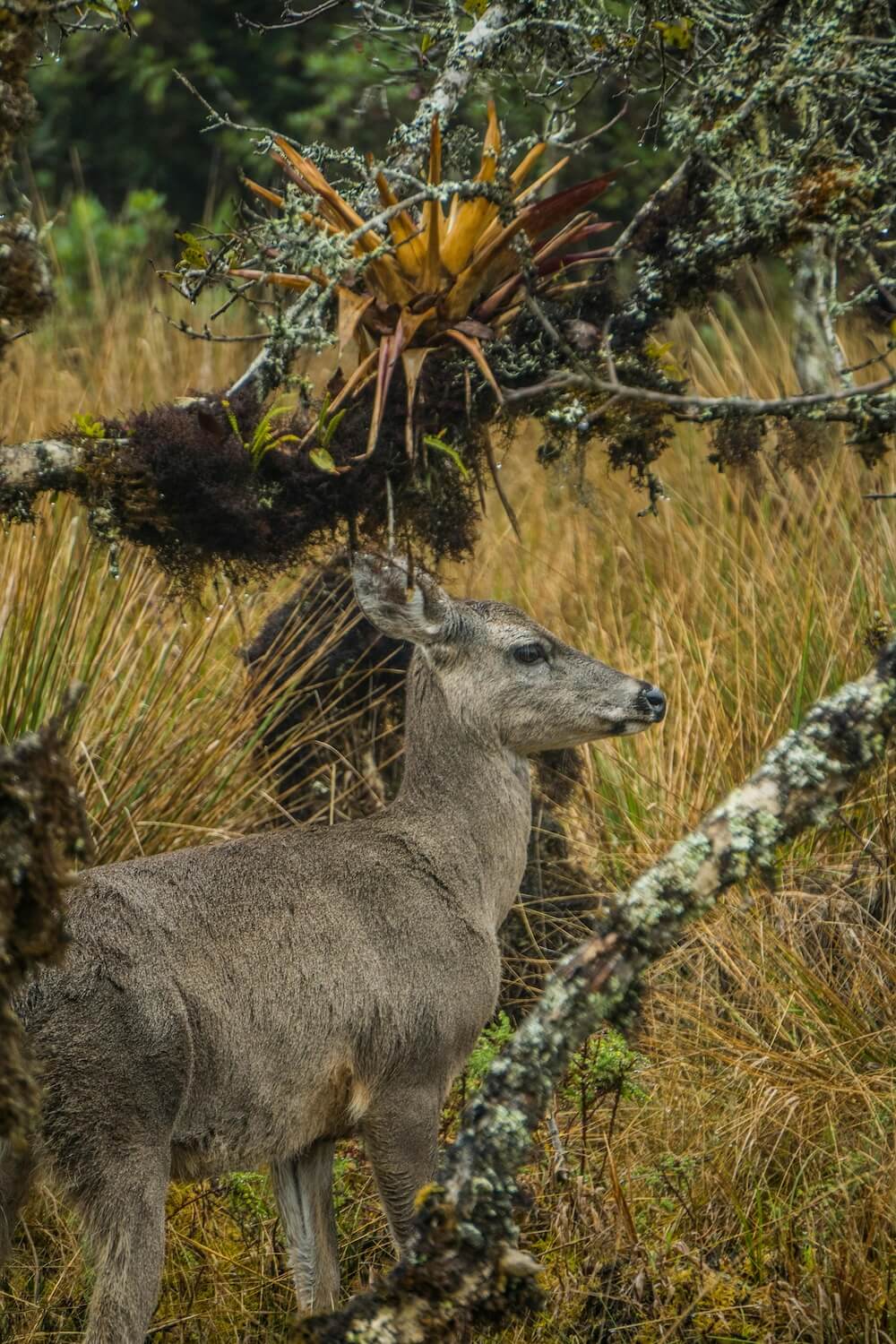
The endangerment of the huemul is an alarming reality that reflects the threats faced by this emblematic species of Patagonia. This article explores the main causes that put the survival of the huemul at risk.
1. Habitat Loss: A Disappearing World
The relentless expansion of human activities has led to a dramatic loss of habitat for the huemul. The forests that used to be their home have been reduced to fragments, leaving the huemul without enough space to feed, reproduce, and live in peace. This deforestation process not only affects huemuls but also negatively impacts the biodiversity of the region.
World Wildlife Fund (WWF) reports that deforestation is one of the main threats to many species, including the huemul.
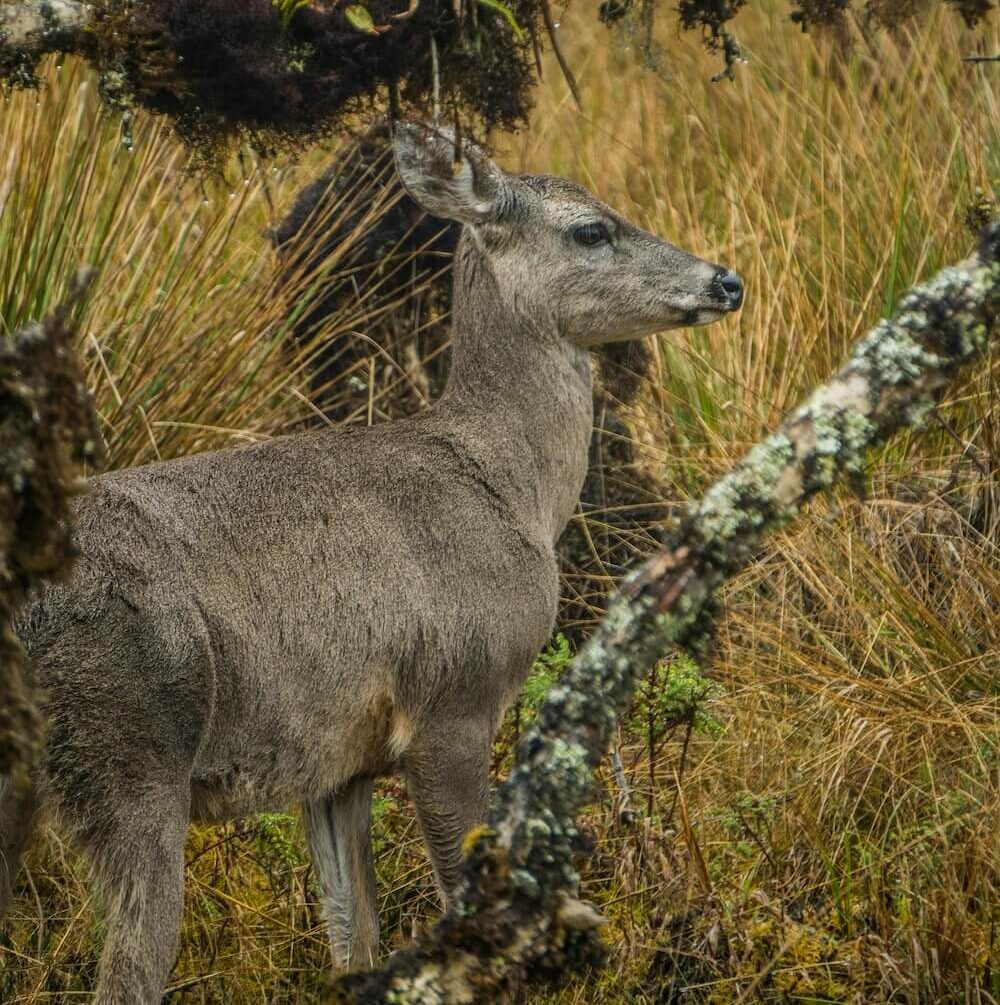
2. Climate Change: A Rapidly Changing Environment
Climate change is transforming the landscapes that the huemul once knew. Rising temperatures and the loss of glaciers are altering their migration patterns and access to water sources. Adapting to these changing conditions has become almost impossible for this vulnerable species. Moreover, climate change is causing the emergence of new diseases and altering reproductive cycles.
According to an article in National Geographic, climate change is severely affecting high mountain ecosystems, where the huemul lives.
3. Poaching and Illegal Trafficking: The Constant Threat
Poaching and illegal trafficking of huemuls are a painful reality. The demand for their antlers and hides in the black market has led to an alarming decrease in their population. Indiscriminate hunting has created an uncertain future for the huemul, where the shadow of extinction looms over every remaining individual. Conservation initiatives are fighting against this problem, but much remains to be done to ensure the huemul’s survival alongside other native species like the guanaco.
The IUCN Red List includes the huemul as an endangered species due in part to poaching.
Witness an Exceptional Encounter!
Watch the video we made for you, capturing an incredible moment when a huemul, descending from Laguna de los Tres, crosses our path. The majesty of this creature in its natural habitat left us speechless. Carefully filmed from the trail, respecting its space and without disturbing its environment, this video reminds us of the beauty and fragility of wildlife in Patagonia, home to other endangered species like the Patagonian puma.
For more information on huemul conservation and how you can help, visit our conservation section to learn about the actions we are taking to protect this emblematic species of Patagonia alongside other native wildlife such as the majestic Andean condor.
Want to hear the sounds of this animal?
Imagine being in the heart of Patagonia, surrounded by nature, and hearing the unique calls of a Huemul in the wild. We’ve included a video where you can listen to its incredible sounds and feel the connection with Patagonia’s wildlife. Hit play and enjoy this interactive experience!
Frequently Asked Questions
1. What is the huemul and why should travelers care about it?
The huemul is an emblematic deer species native to Patagonia, Argentina, and represents a crucial part of the region’s biodiversity and natural heritage. For travelers and nature lovers visiting Patagonia, understanding and protecting the huemul is essential to preserving the wild landscapes and ecosystems they come to experience.
2. How is habitat loss affecting the huemul population?
Deforestation and human expansion have fragmented the huemul’s forest habitat into disconnected patches, leaving them insufficient space to feed, breed, and survive. This habitat destruction not only threatens the huemul directly but also undermines the entire biodiversity of the Patagonian region.
3. What role does climate change play in endangering the huemul?
Rising temperatures and glacier loss are disrupting the huemul’s migration patterns, water access, and reproductive cycles while also introducing new diseases into their populations. The rapid environmental changes in Patagonia’s high mountain ecosystems are occurring faster than the huemul can adapt.
4. Are huemuls hunted illegally, and what motivates poachers?
Yes, poaching and illegal trafficking of huemuls persist as serious threats to the species, driven by demand for their antlers and hides in illegal markets. This ongoing human predation compounds the challenges the huemul already faces from habitat loss and climate change.
5. How can visitors to Patagonia help protect the huemul?
Travelers can support huemul conservation by visiting protected areas responsibly, supporting local conservation organizations, and spreading awareness about the species’ endangerment. Making informed choices about ecotourism helps ensure that tourism revenue benefits rather than harms Patagonia’s wildlife.
6. Where in Patagonia are huemuls most likely to be found?
Huemuls inhabit the high mountain ecosystems and forested regions of Patagonia, though their populations have become increasingly fragmented and isolated. Visitors interested in seeing huemuls should consult with local guides and visit protected areas where conservation efforts are actively underway.