

Category
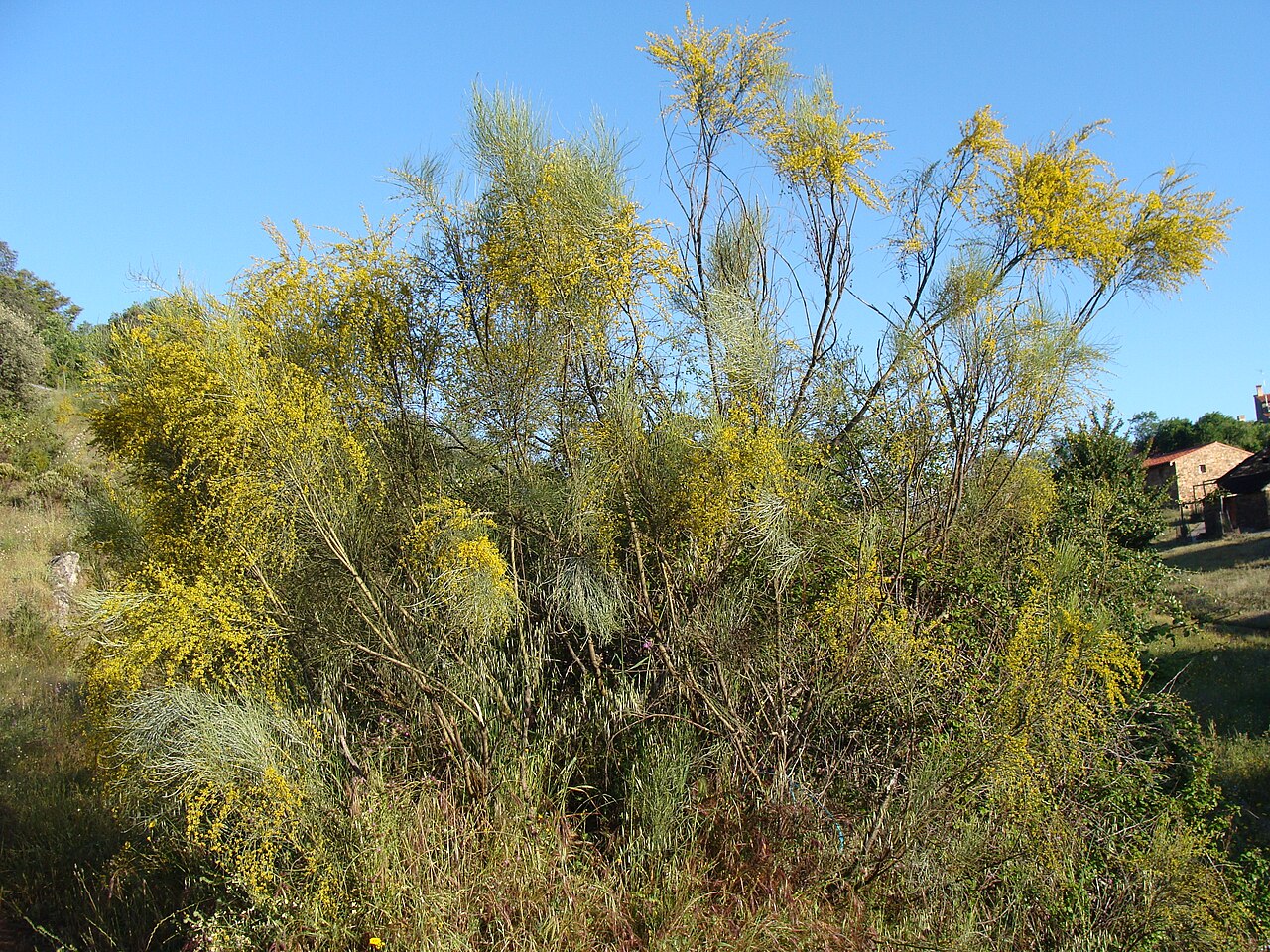
Broom (retama) is one of the most distinctive shrubs you can find while traversing Patagonian landscapes, especially during the flowering season. However, this eye-catching plant with bright yellow flowers hides a complex history within our native ecosystems. In fact, what many know as Retama sphaerocarpa or Spanish broom is part of a botanical phenomenon that…
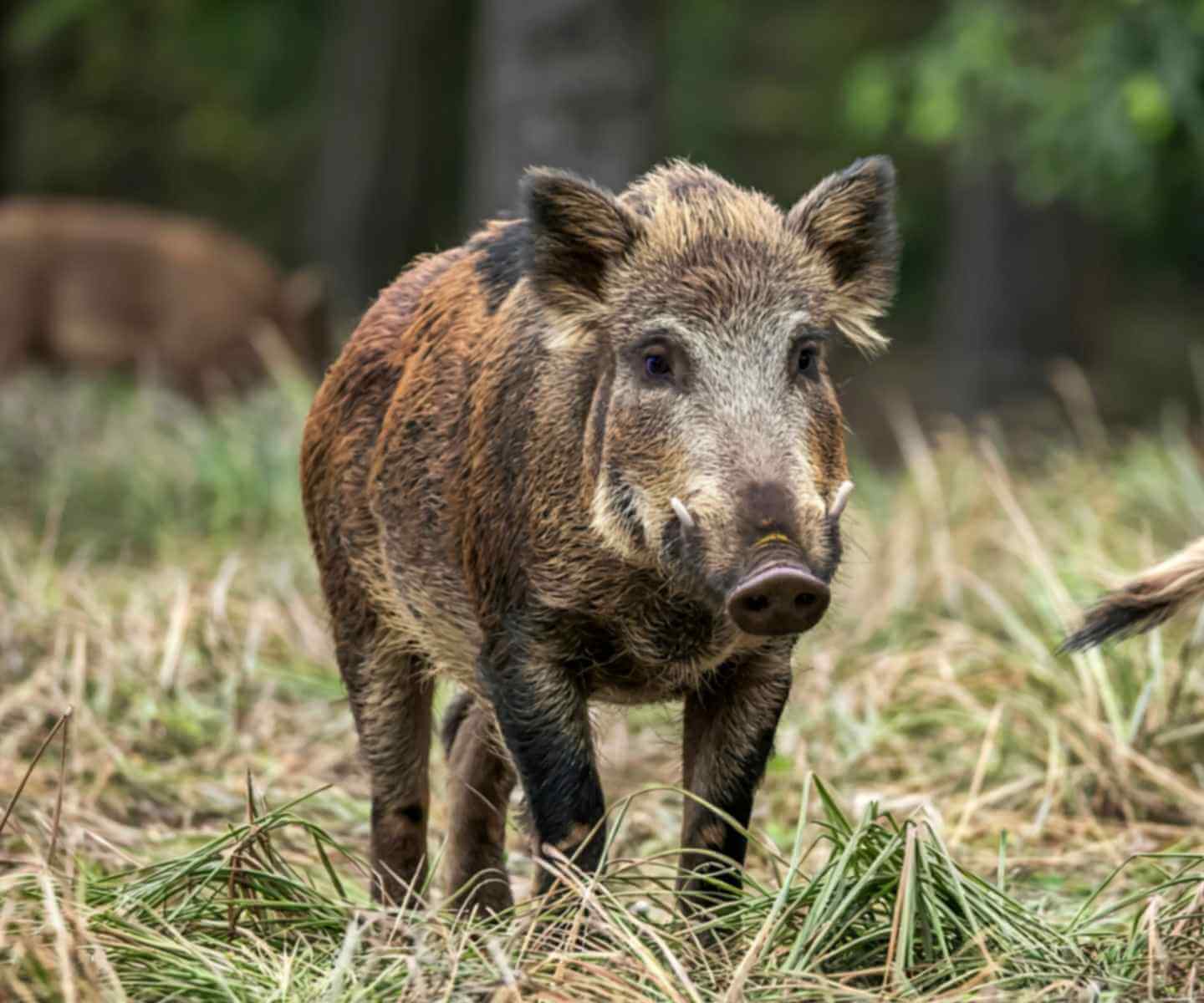
Across the vast and diverse landscapes of Patagonia, from the dense Andean-Patagonian forests to the arid steppes, a foreign presence has been gaining ground for over a century. The European wild boar (*Sus scrofa*), a robust and adaptable mammal, has become a fixture of the wildlife scene, not by natural design, but by the hand…
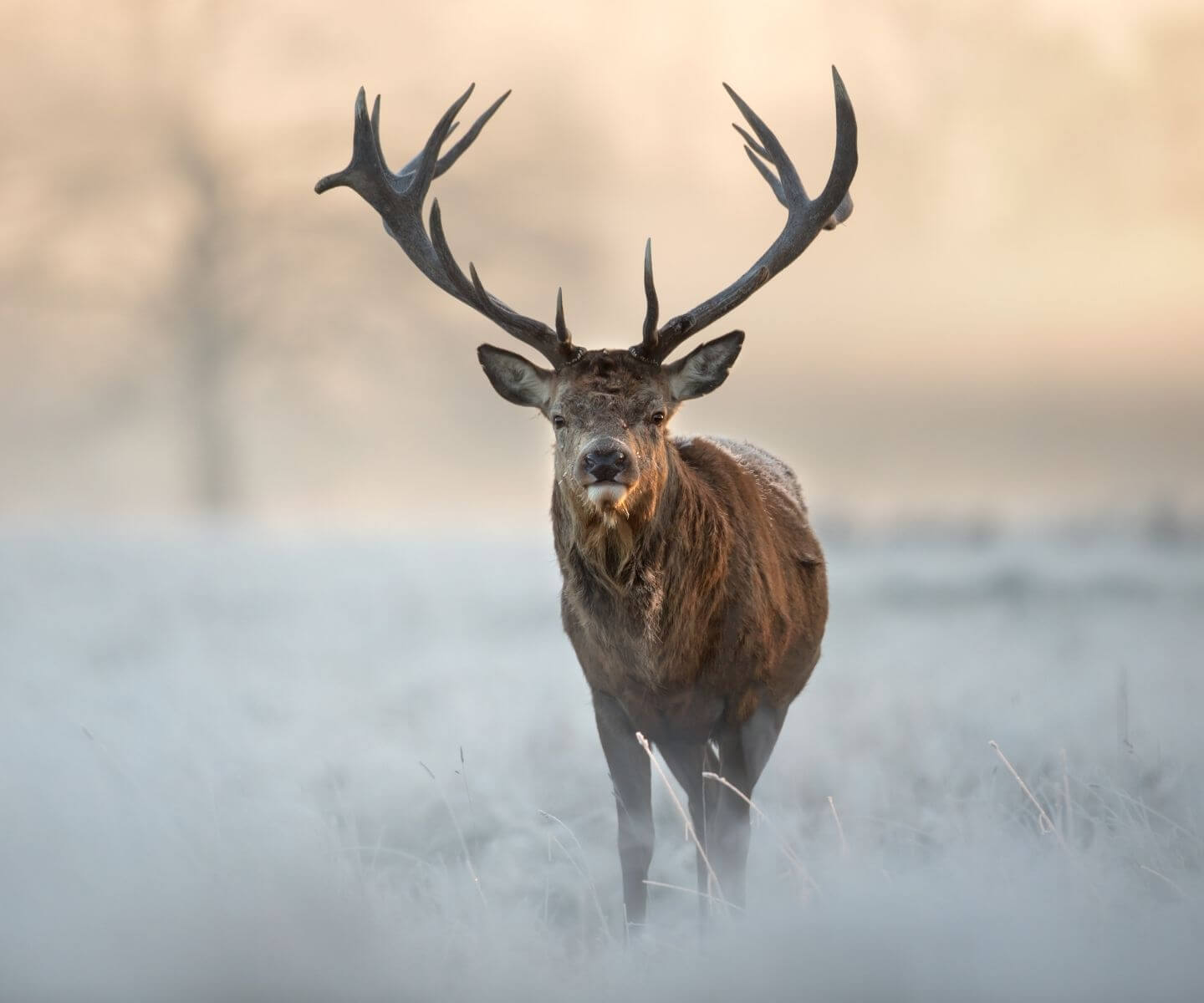
The red deer (Cervus elaphus), also known as European red deer, is an introduced species in Argentina that has successfully adapted to various environments, especially in the Patagonian region. It was introduced in 1906 in La Pampa province by Pedro Luro for hunting purposes, and following its release in the Patagonian mountains in 1924, its…
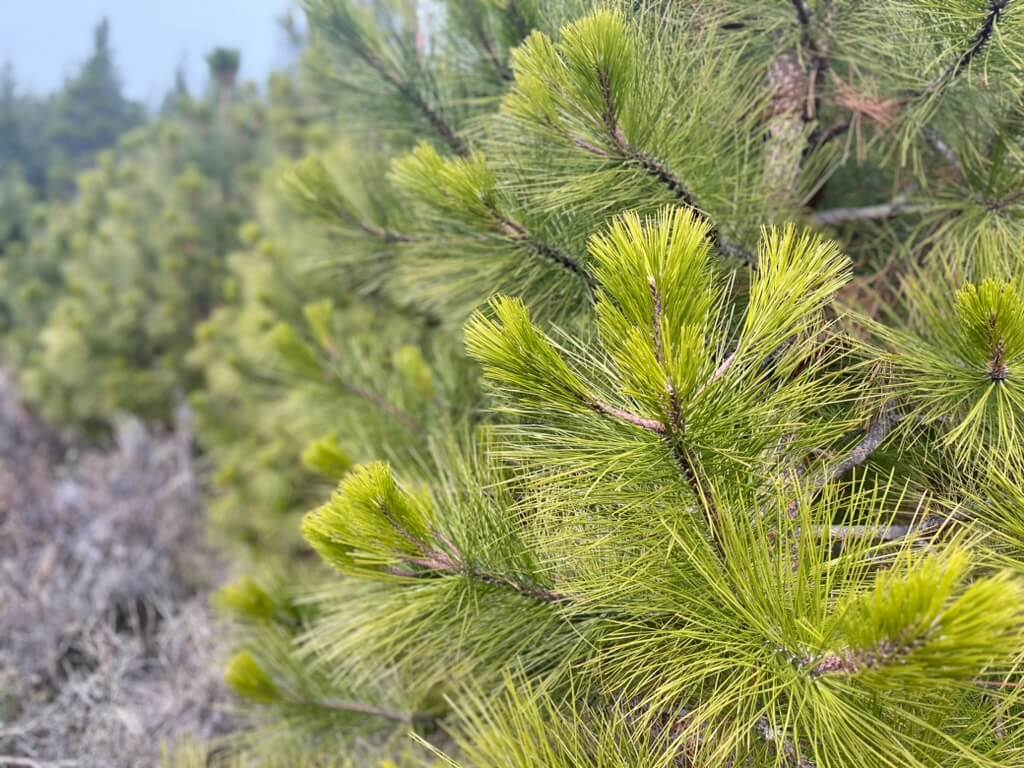
In Patagonia, one of the most visible and controversial trees is the pine, but not the native kind—instead, several introduced species for forestry and commercial purposes. Species like Pinus ponderosa (Oregon pine), Pinus radiata (Monterey pine or radiata pine), and other exotic pines were brought mainly for rapid timber production. However, these pines are double-edged…

Patagonia, that vast and majestic region shared between Argentina and Chile, is known for its imposing landscapes, ancient glaciers, and unique biodiversity. However, in recent years, a phenomenon has alarmed authorities, scientists, and local residents: fires in Patagonia. These events, increasingly frequent and intense, not only threaten local flora and fauna but also the ecological…