
Can Amanita muscaria Be Found in Patagonia?
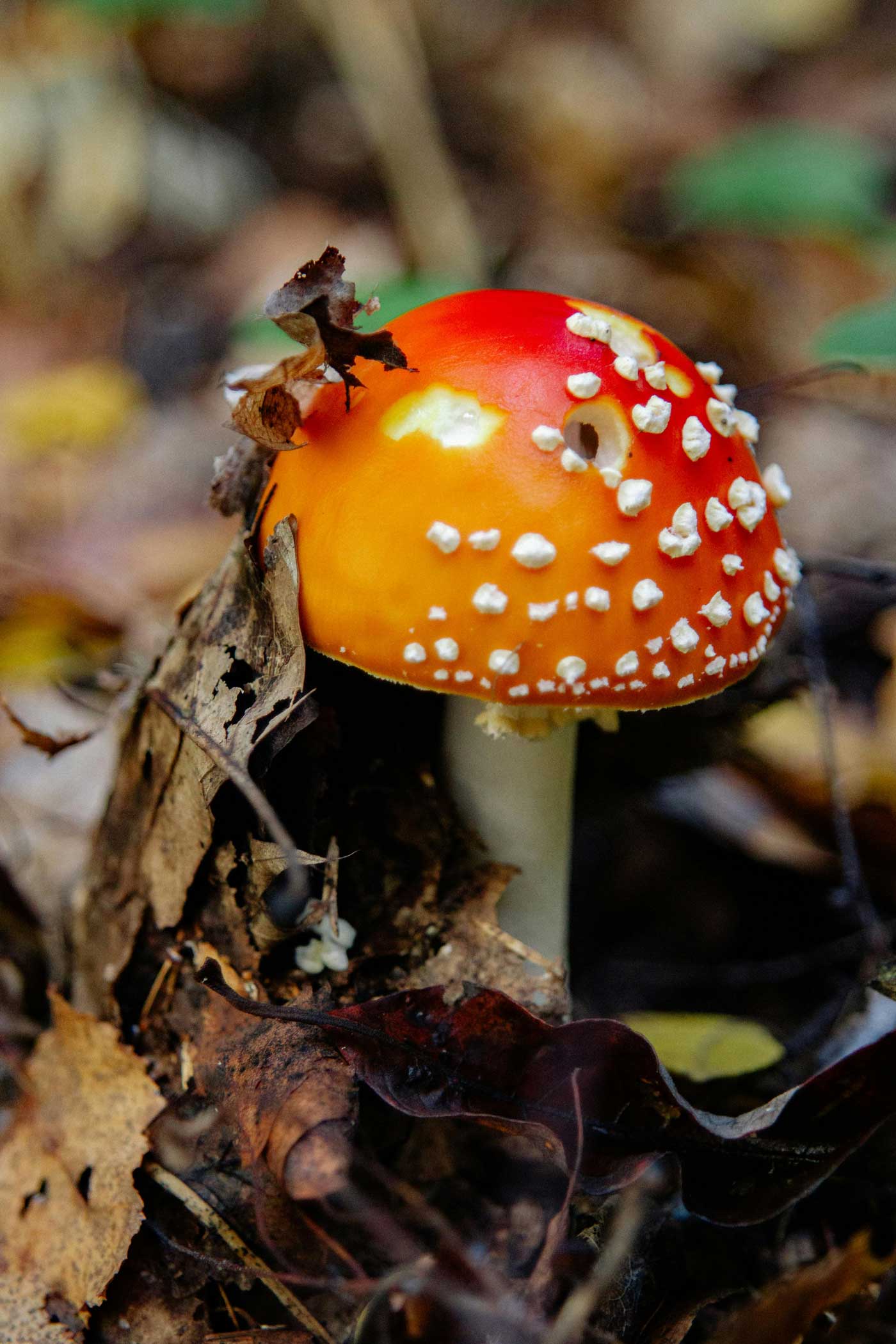
Yes, and not only that—in some areas, it has become an ecological problem. The Amanita muscaria, with its unmistakable red cap and white spots, is one of the most recognizable mushrooms in the world. Though native to the Northern Hemisphere, it now grows in several regions of Argentine Patagonia, especially where non-native pine trees were introduced. This mycorrhizal species has adapted to native Nothofagus forests, such as those with coihues and lengas, disrupting fragile ecosystems. Its toxicity and psychoactive properties—linked to shamanic traditions in other cultures—make it a phenomenon of both scientific and cultural interest.
History and Discovery: From Siberia to Patagonia
Taxonomy and Global Expansion
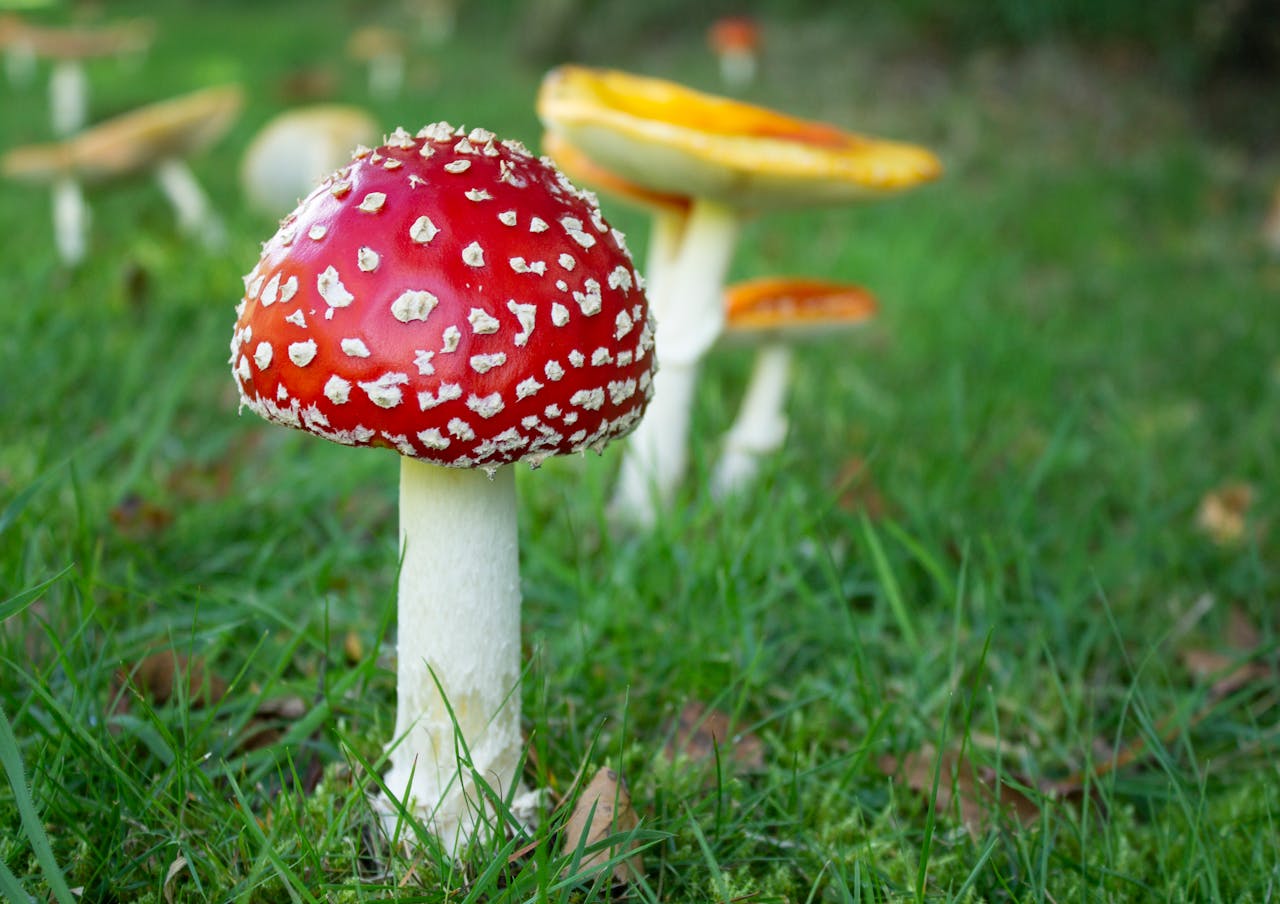
Carl Linnaeus described this mushroom in 1753 as Agaricus muscarius, but Jean-Baptiste Lamarck reclassified it into the genus Amanita in 1783. Native to the Northern Hemisphere, it arrived in South America alongside exotic trees, adapting to coihue and lenga forests.
“The invasion of A. muscaria in Nothofagus forests is a warning for Patagonian conservation.” — CONICET researchers.
Key Timeline
- 1256: First written mention by Albertus Magnus as an insecticide.
- 1783: Current scientific classification by Lamarck.
- 2001: First record in Patagonia (Lanín National Park).
- 2020-2024: Molecular confirmation of its invasion in native forests.
Geographic and Artistic Description: Red Against Green
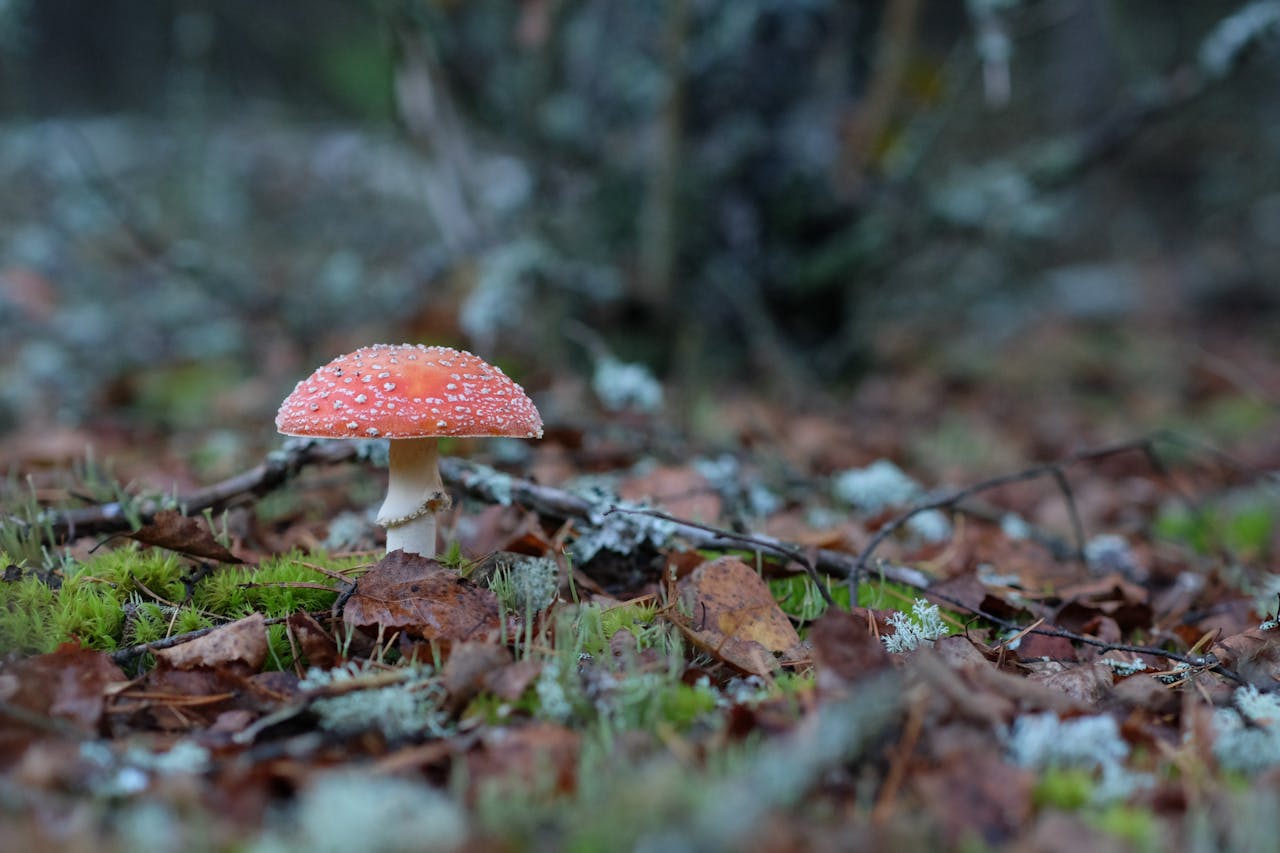
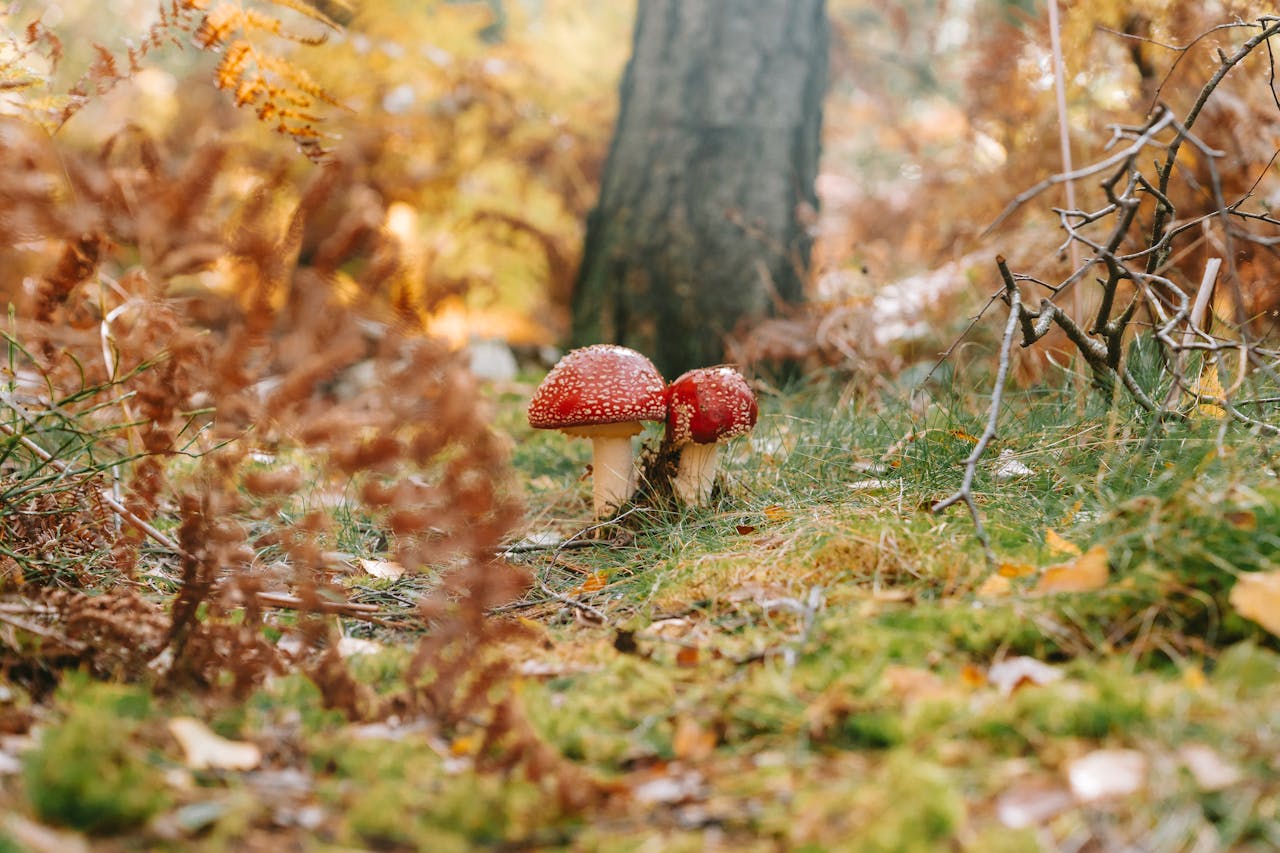
In Patagonia, Amanita muscaria grows mainly in the Argentine provinces of Neuquén, Río Negro, and Chubut, as well as in southern Chile, in regions like La Araucanía, Los Ríos, Los Lagos, and Aysén. It is often associated with pine forests, European beeches, and native Nothofagus like coihues and lengas. Its vibrant aesthetics have inspired everything from cave art to the mushroom emoji 🍄. In Los Alerces National Park, its basidiocarps contrast with the green tones of the forest, creating unique scenes that attract nature photographers.
How to Identify Amanita muscaria?
Amanita muscaria is easily recognizable by its bright red cap covered in white warts, its white stem, and prominent ring. It typically grows in autumn, especially near pines or coihues. It’s important not to confuse it with other Amanita species, some of which are deadly.
Drying and Compound Transformation
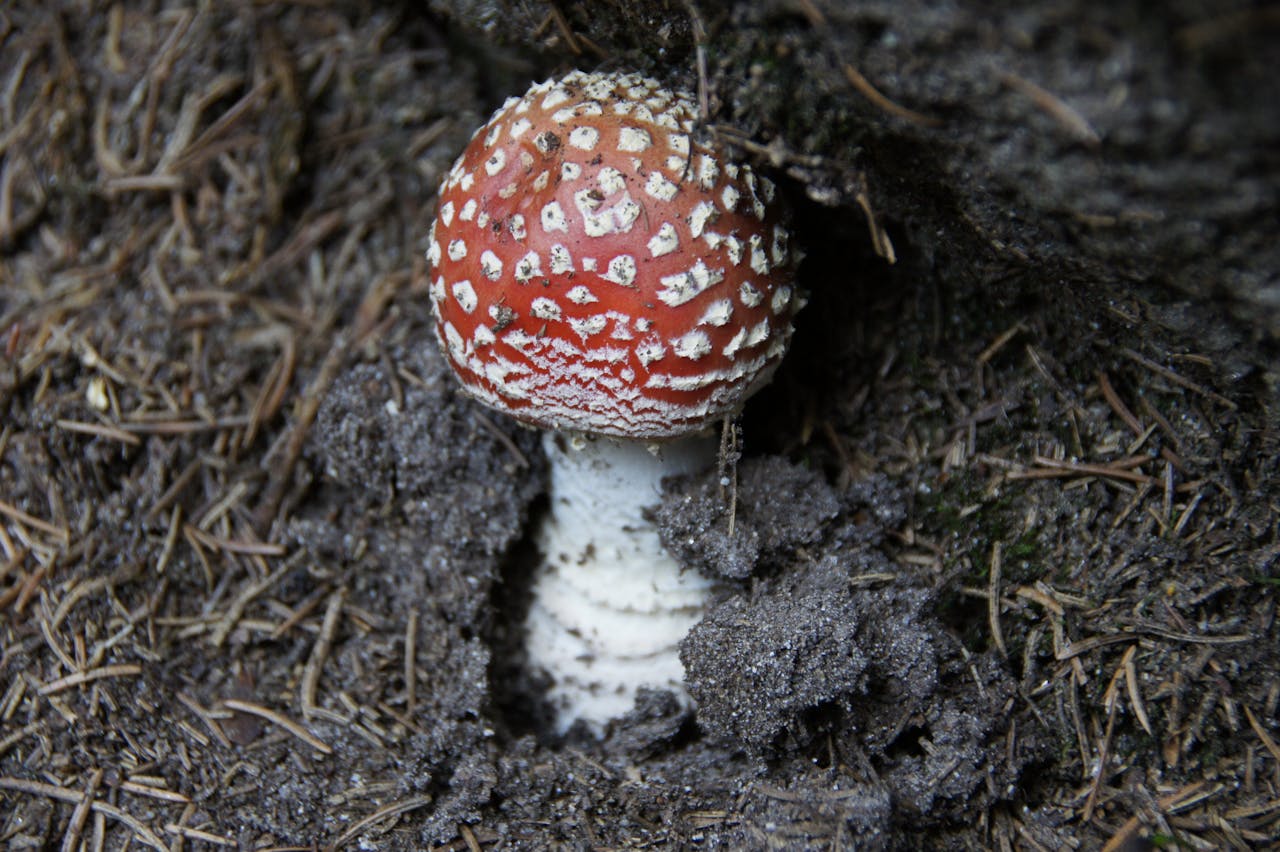
One of the most common methods to reduce Amanita muscaria toxicity is drying, which converts some ibotenic acid into muscimol. This process doesn’t eliminate all risks but may soften its effects. Traditionally, it’s sun-dried or baked at low temperatures (below 80°C) for several hours.
What Does Science Say Today?
Recent studies analyze muscimol’s effects on the nervous system and its potential therapeutic use. However, there’s no scientific consensus on its benefits for anxiety or sleep. A 2022 study in the Journal of Ethnopharmacology warns about dosage variability in homemade preparations.
Conservation and Tourism: A Delicate Balance
Its expansion in protected areas like Nahuel Huapi National Park concerns biologists, as it competes with native fungi essential to forest cycles. Though some tour operators promote “mycological trails,” experts warn of poisoning risks and ecological damage from indiscriminate harvesting.
Modern Uses and Controversies
Supplements, Microdosing, and Anxiety
In recent years, products like amanita muscaria gummies, tinctures, and pills have gained popularity for their mild psychoactive effects. While some users claim that Amanita muscaria microdosing helps with anxiety or insomnia, scientific evidence is scarce, and miscalculated doses can be dangerous.
Effects and Differences from Other Mushrooms
The effects of Amanita muscaria differ radically from Psilocybe mushrooms. While Psilocybe contains psilocybin—a classic psychedelic acting on serotonin receptors (5-HT2A)—Amanita muscaria owes its effects to ibotenic acid and muscimol.
Muscimol is a GABAA receptor agonist, producing sedative, dissociative, and even hypnotic effects. Unlike psilocybin, it doesn’t cause typical “psychedelic” visions but rather body alterations, vivid dreams, time distortion, and dreamlike states.
| Feature | Amanita muscaria | Psilocybe | Notes |
|---|---|---|---|
| Active Compound | Muscimol, ibotenic acid | Psilocybin, psilocin | GABA vs. serotonin |
| Effects | Sedative, dissociative, dreamlike | Visual, introspective | Key experiential differences |
| Duration | 6 to 10 h | 4 to 6 h | Longer latency in Amanita |
| Risks | Vomiting, sedation, confusion | Anxiety, paranoia | Dosing challenges with Amanita |
Growing Market
Demand for products like amanita muscaria tea, extracts, and grow kits is rising online, particularly for amanita muscaria for anxiety and comparisons to other mushrooms. Most are sold without clear regulation.
Fun Fact
Global searches for “amanita muscaria extract” and “drying amanita muscaria” have grown over 300% in the last five years.
Frequently Asked Questions
Is Amanita muscaria edible?
Consumption is not recommended. It contains toxins like ibotenic acid and muscimol, which cause vomiting, hallucinations, and, in severe cases, coma.
Why is it invasive in Patagonia?
By associating with exotic trees like pines, it later jumps to native species like coihues, displacing essential local fungi.
Conclusion: An Icon at a Crossroads
Amanita muscaria embodies both environmental challenges and Patagonia’s cultural richness. Its management requires research and public education. Want to explore the fungal kingdom further? Visit our mushroom section.