Introduction
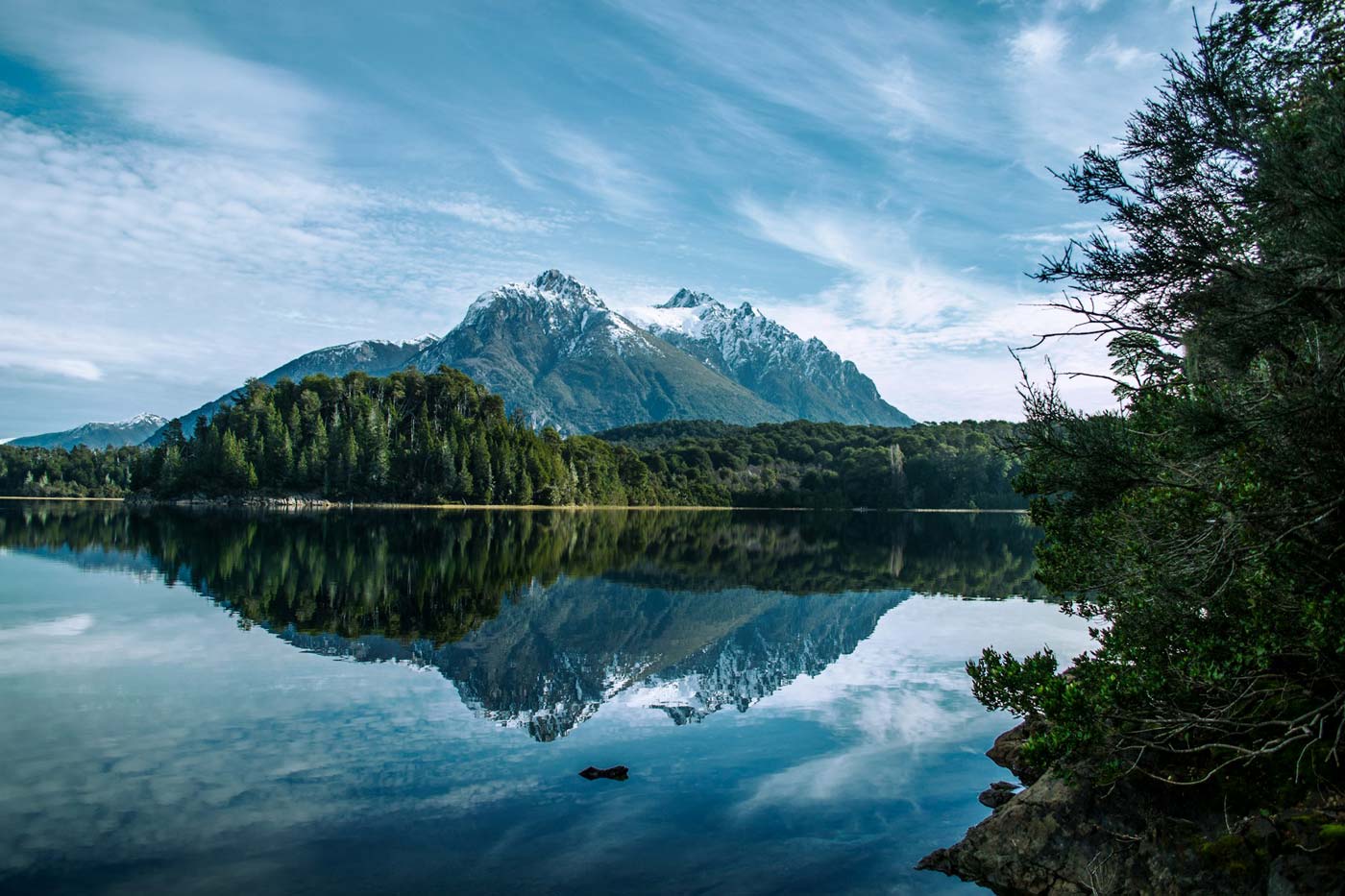
San Carlos de Bariloche, the heart of Argentine Patagonia tourism, blends alpine charm with world-class ski resorts, artisanal chocolate, and the stunning Nahuel Huapi National Park. This four-season destination offers everything from winter sports to summer hiking trails.
Did you know?
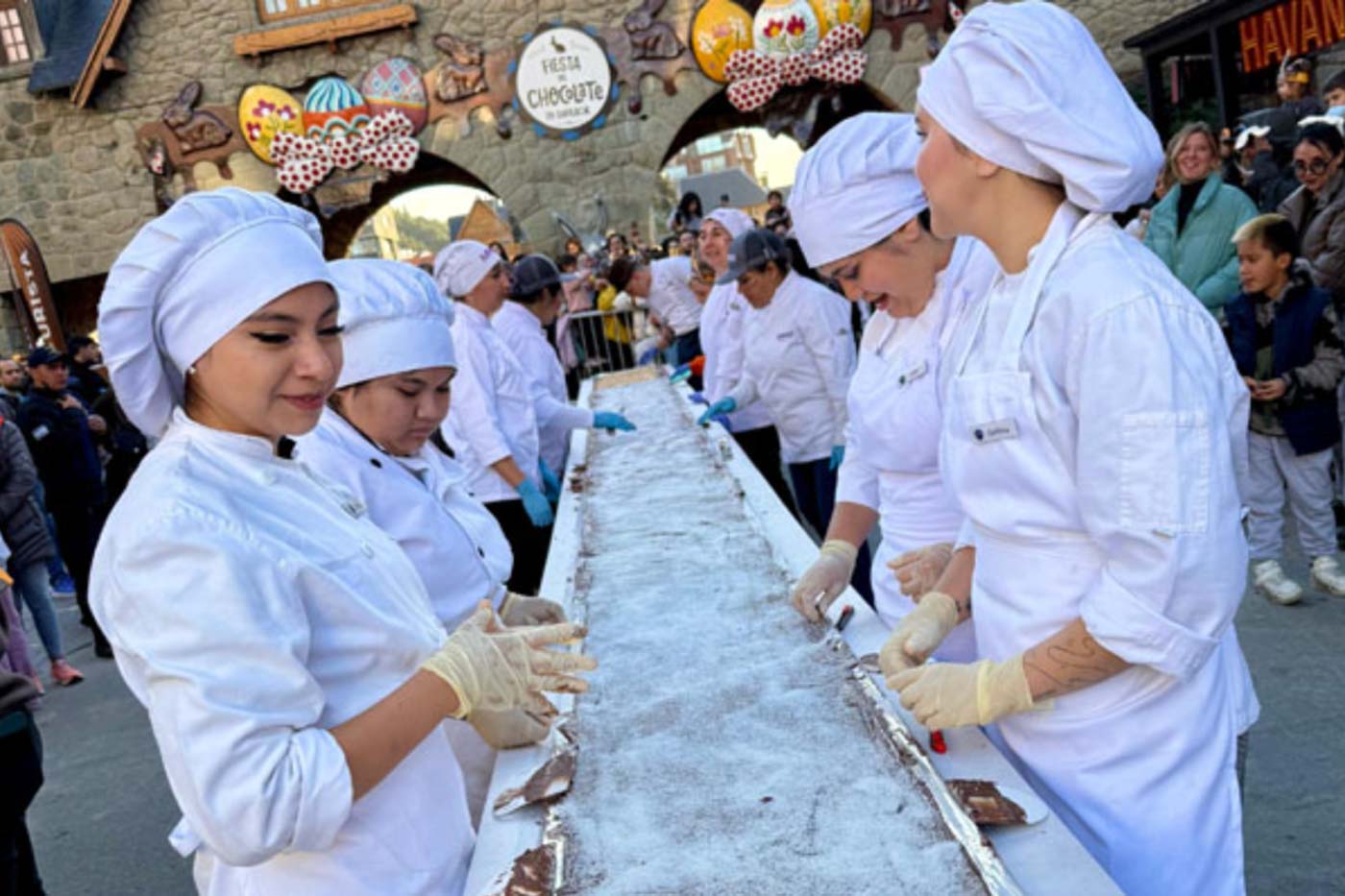
Bariloche hosts Argentina’s National Chocolate Festival annually, earning its reputation as the country’s chocolate capital.
History & Discovery
Originally inhabited by Poya and Mapuche indigenous peoples, the region entered Argentine territory during the late 19th century “Conquest of the Desert.” The name Bariloche derives from the Mapudungun word “Vuriloche,” meaning “people from behind the mountains.”
“The 1934 railroad connection transformed Bariloche into Argentina’s premier mountain resort,” notes historian Mario Mezzadra in his studies of Patagonian development.
Geographical & Cultural Features
Nestled between the snow-capped Andes Mountains and the sparkling waters of Nahuel Huapi Lake, Bariloche offers some of Patagonia’s most breathtaking scenery. This alpine paradise boasts:
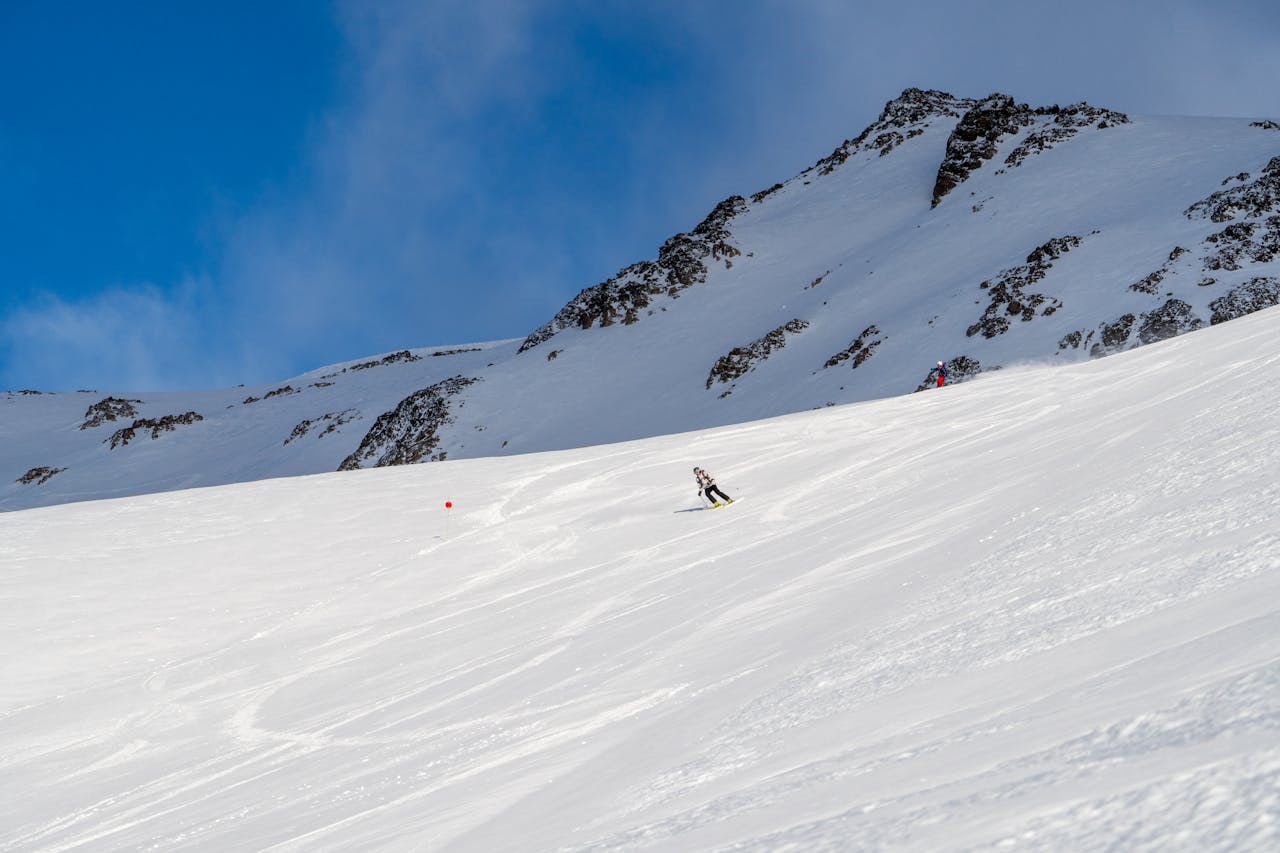
- Cerro Catedral – South America’s largest ski resort with 120km of slopes (perfect for skiing in Bariloche from June-September)
- Nahuel Huapi Lake – Crystal-clear glacial waters ideal for kayaking tours, sailing, and swimming in summer
- Circuito Chico – The famous 60km scenic drive past Llao Llao Hotel and panoramic viewpoints
- Ancient Andean forests of arrayán and coihue trees along hiking trails like Cerro Campanario
Pro Tip: For the best Bariloche photography spots, visit the Cerro Otto viewpoint at sunset.
Bariloche Architecture & Cultural Arts
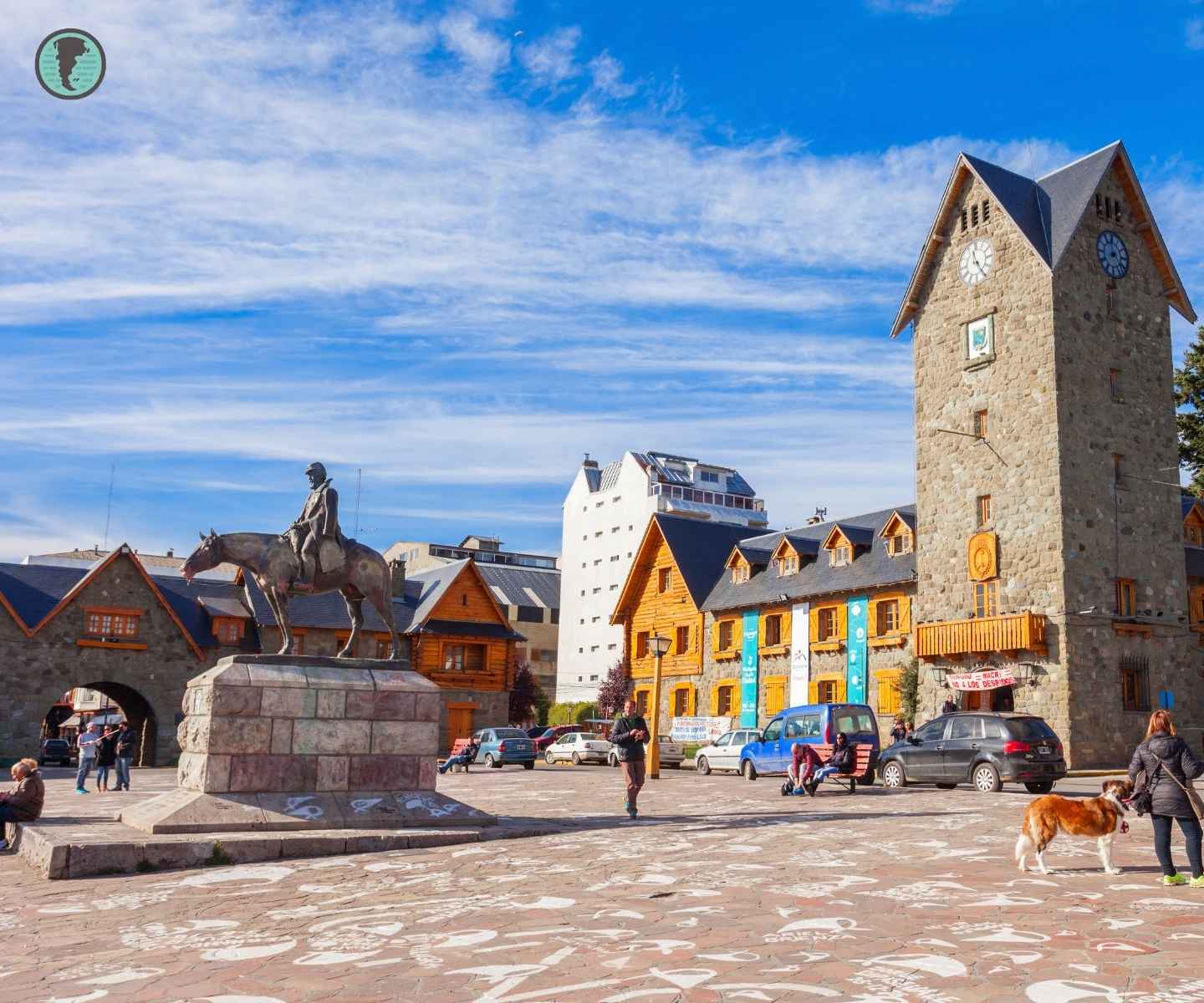
The charming alpine architecture of Bariloche blends European influences with Patagonian materials. Key landmarks include:
- Bariloche Civic Center – Built with local stone and timber in Swiss-chalet style, featuring the iconic clock tower
- Bariloche Cathedral – Neo-gothic stone church overlooking Nahuel Huapi Lake
- Llao Llao Hotel – The legendary luxury lodge with stunning lakeside architecture
Beyond buildings, Bariloche’s arts scene thrives through:
Mapuche-inspired street murals depicting indigenous legends
Woodcarving workshops showcasing local craftsmanship
Chocolate shop facades with elaborate Swiss-style designs
“The architecture tells Bariloche’s story – from Mapuche roots to European immigration to modern Patagonian identity.” – Local Heritage Foundation
Ecotourism & Activities
Tourism drives Bariloche’s economy, attracting visitors worldwide to its pristine landscapes and adventure sports. This popularity brings ongoing challenges for sustainable development and environmental conservation.
Top Experiences
- Kayaking on Gutierrez or Nahuel Huapi lakes
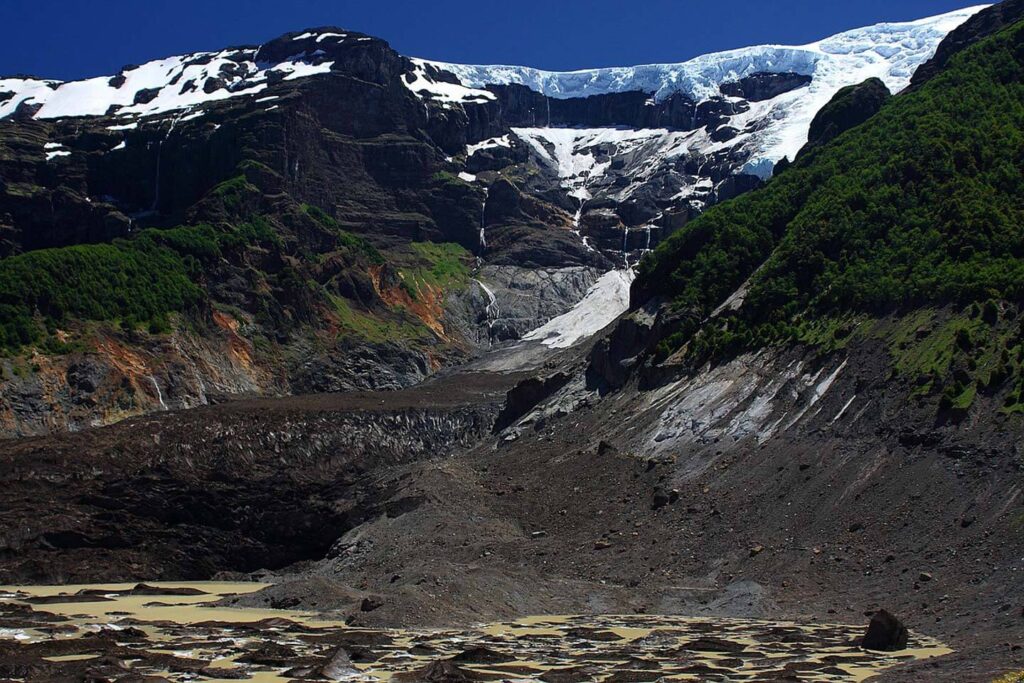
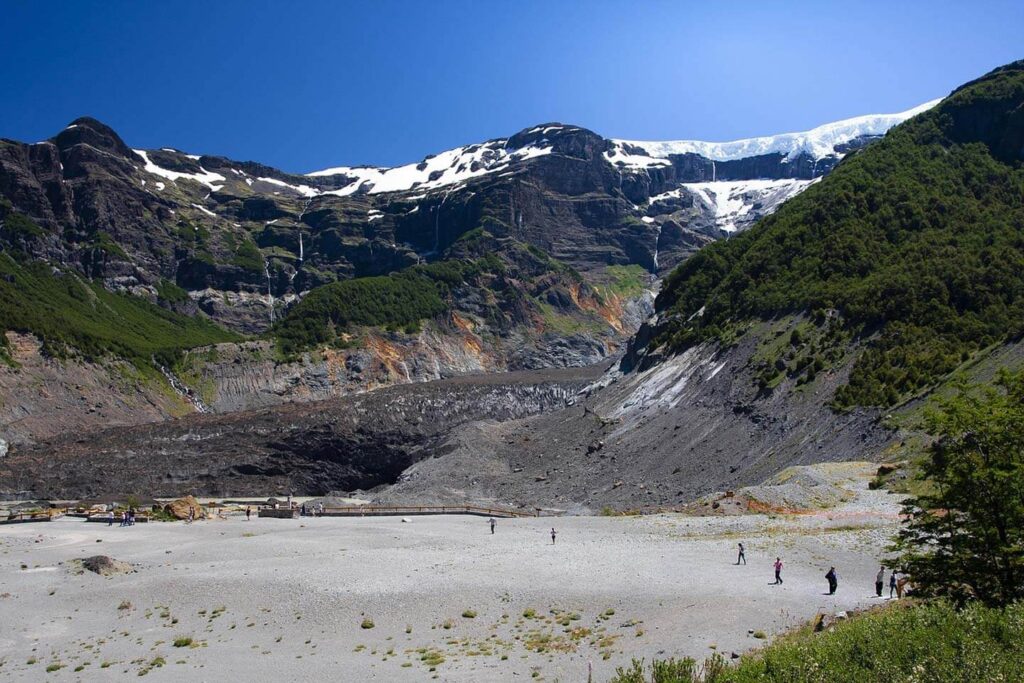
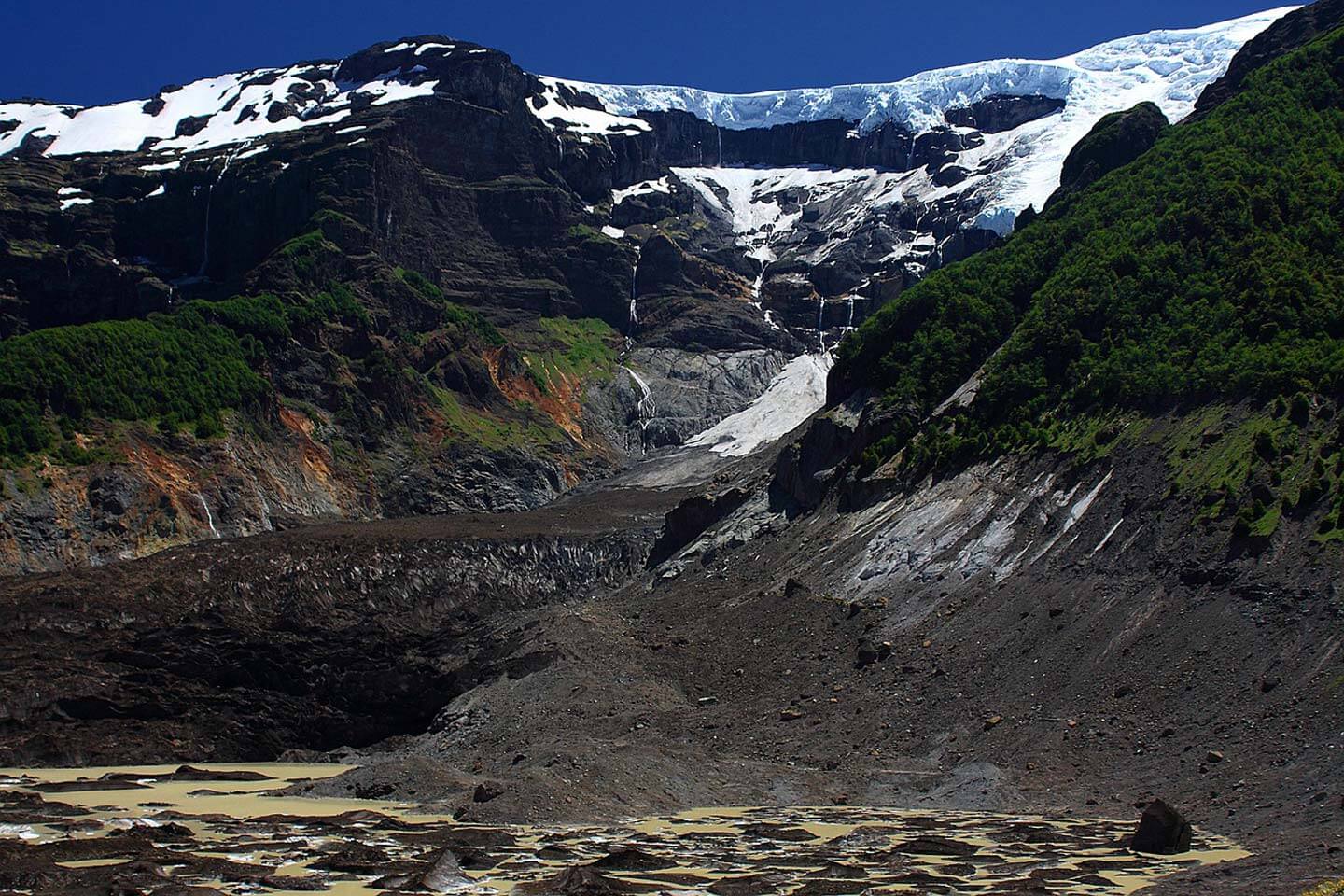
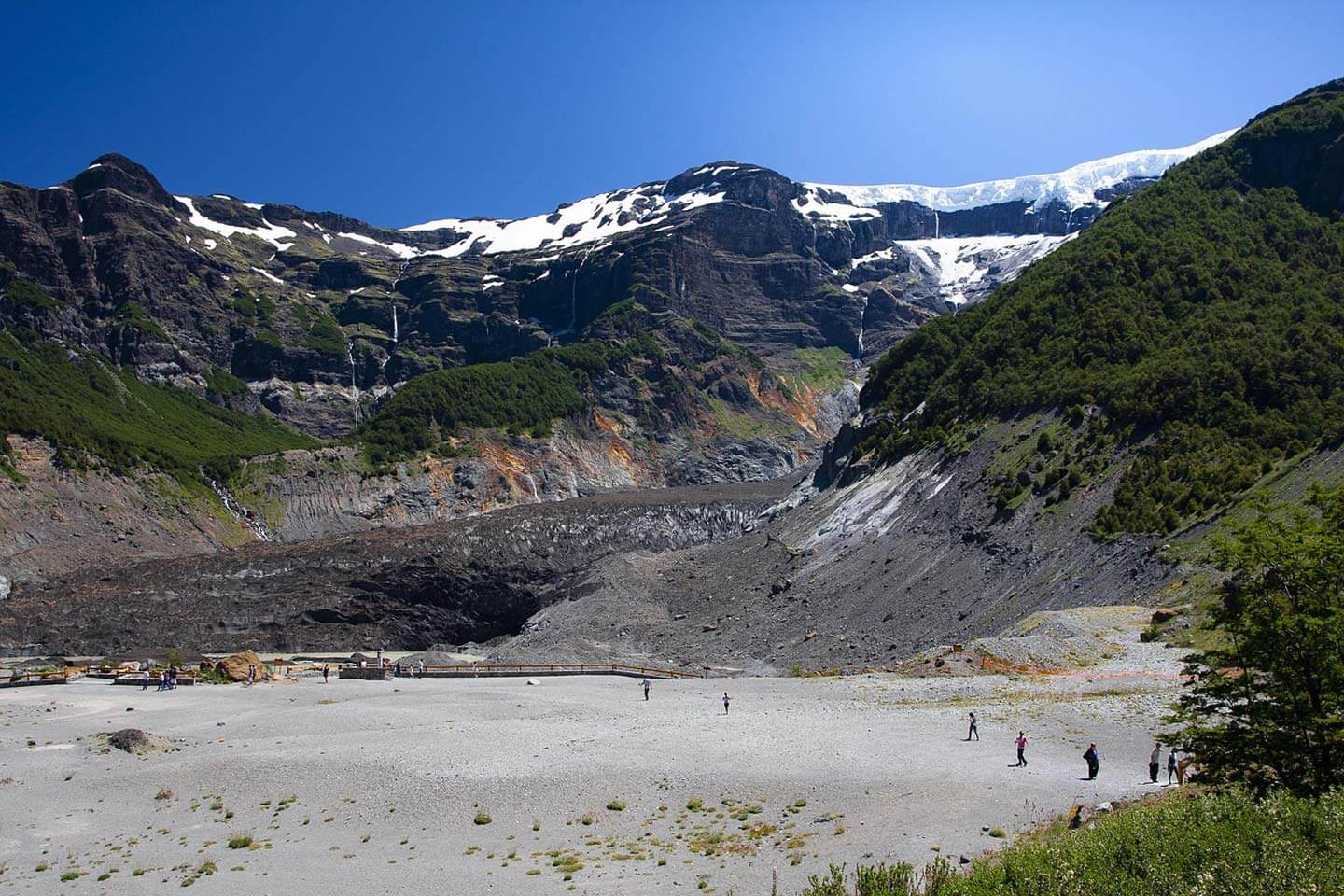
- Trekking Mount Tronador’s glaciers
- Scenic Circuito Chico bike route
- World-class skiing (June-September)
Bariloche Culture: Legends, Chocolate & Alpine Traditions
Bariloche’s unique cultural blend combines Mapuche heritage with European immigrant traditions, creating Patagonia’s most vibrant mountain culture.
Local Legends & Traditions
- Nahuelito – The famous lake monster legend (Patagonia’s Loch Ness)
- Mapuche weaving – Indigenous wool crafts at Mercado de la Estación
- Alpine festivals – Octoberfest celebrations with German roots
Bariloche’s Famous Food Scene
- Chocolate Route – Visit iconic shops like Rapa Nui and Mamuschka
- Craft beer tours – Sample Patagonian brews at El Bolsón breweries
- Fondue restaurants – Swiss-style dining at Familia Weiss
“The Nahuelito legend persists through oral traditions and its tourism appeal,” explains anthropologist Andrea Martínez. (source)
Video: Scenic Circuito Chico
Historical Timeline
- Prehistory: Mapuche and indigenous settlements
- 1876: Explorer Perito Moreno’s expeditions
- 1902: Official founding of San Carlos de Bariloche
- 1934: Creation of Nahuel Huapi National Park
- 2007: Designated Argentina’s Adventure Tourism Capital
Frequently Asked Questions
What are the best things to do in Bariloche?
Top activities include hiking, kayaking, skiing, visiting chocolate factories, boat tours, mountain biking, birdwatching, and sampling local craft beer.
When is the best time to visit?
Summer (Dec-Mar) offers ideal conditions for hiking and water activities, while winter (Jun-Sep) transforms the area into a snowy wonderland for skiing.
Is Bariloche safe for tourists?
Generally yes, but standard precautions apply. With 135,000 residents, the city experiences petty theft. Secure valuables and avoid isolated areas at night.
Useful Links for San Carlos de Bariloche
- San Carlos de Bariloche Official Tourism Site
- Nahuel Huapi National Park (Official)
- National Chocolate Festival
- Patagonian Train – Schedules & Routes
- Check Bariloche Weather (National Weather Service)
- Río Negro Tourism Board
Final Thoughts
Bariloche transcends postcard-perfect scenery – it’s a gateway to authentic Patagonian culture, adventure, and history. Whether you’re a family, backpacker, couple, or outdoor enthusiast, this destination delivers Argentina’s most complete mountain experience.
Hungry for more Patagonian wonders? Explore nearby highlights like the Cave of Hands or majestic Perito Moreno Glacier.