
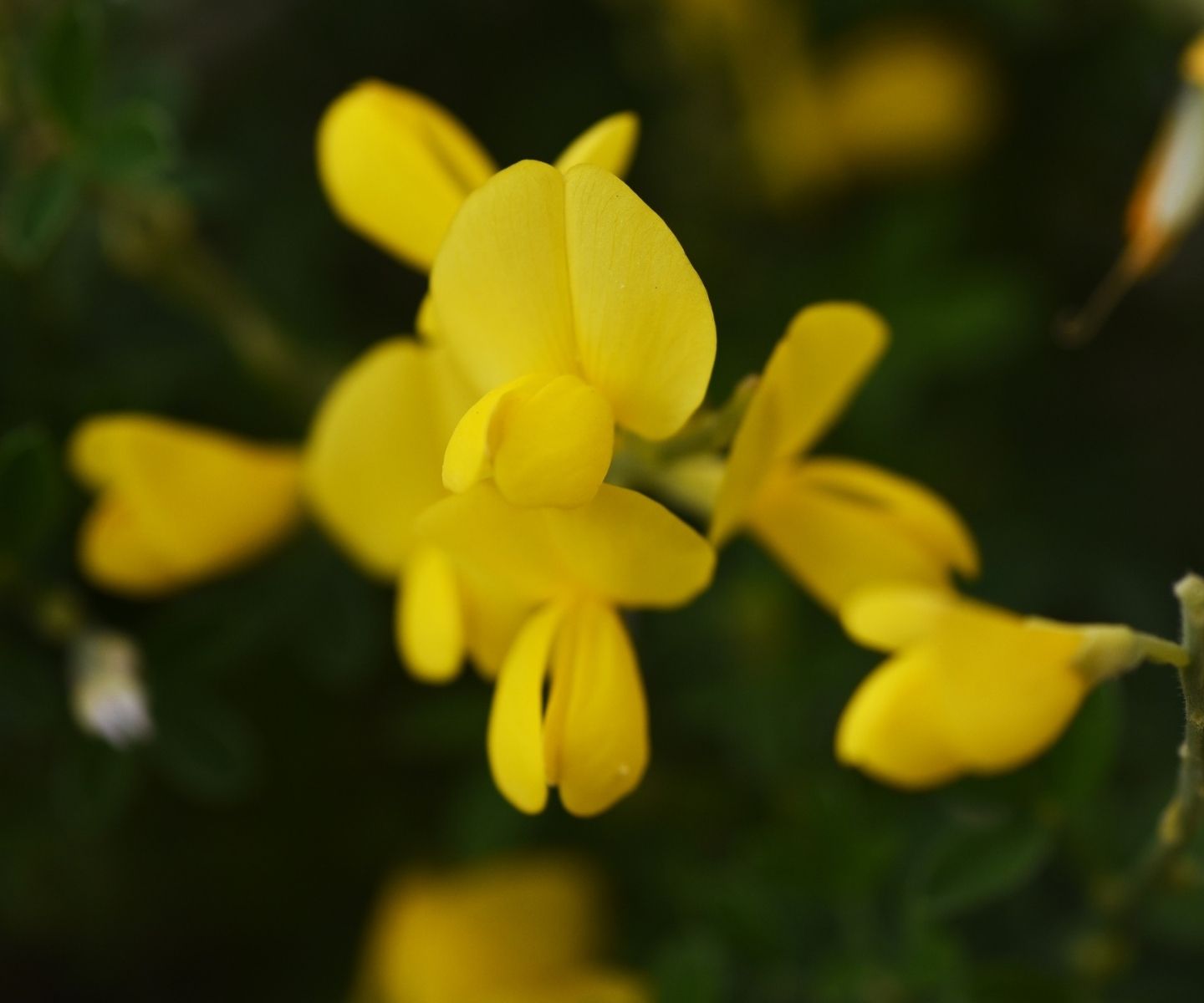
Broom (retama) is one of the most distinctive shrubs you can find while traversing Patagonian landscapes, especially during the flowering season. However, this eye-catching plant with bright yellow flowers hides a complex history within our native ecosystems. In fact, what many know as Retama sphaerocarpa or Spanish broom is part of a botanical phenomenon that deserves our attention as lovers of Patagonian nature.
Identification and Botanical Characteristics
Broom belongs to the genus that groups seven species of shrubs in the Faboideae subfamily, within the Fabaceae family. This family relationship closely connects it to the genera Chamaecytisus, Cytisus, and Genista, sharing distinctive morphological characteristics.
| Scientific Name | Retama sphaerocarpa |
| Family | Fabaceae |
| Plant Type | Shrub |
| Height | 1–2 m |
| Flowering | Oct–Dec |
| Distribution | Río Negro, Neuquén, northern Chubut |
| Conservation Status | Invasive |
Thin green stems constitute one of the most notable features of these shrubs. Additionally, they present a high branching density that gives them that characteristic compact appearance. On the other hand, the leaves are very small—an adaptation that allows them to conserve water in drought conditions.
Retama sphaerocarpa, commonly known as white broom, white Spanish broom, or Portuguese broom, represents one of the most frequently observed species in Patagonian territory. This naming reflects its geographic origin and its distinctive floral features.
 Field Guide: Patagonian Flora and Broom
Identify broom and native Patagonian plants with this illustrated guide. Perfect for trekking and naturalists.
Origin and Introduction in Patagonia
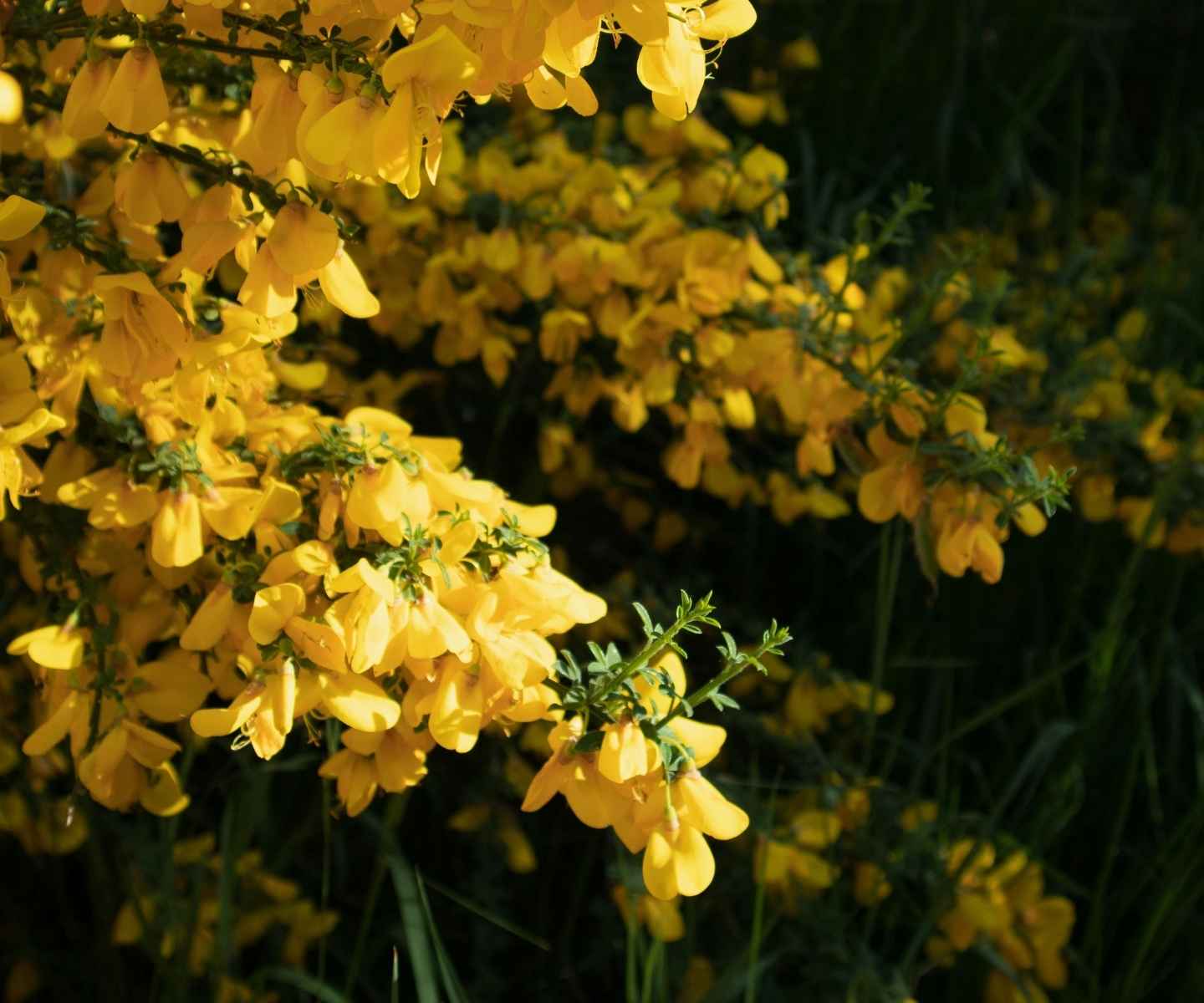
Contrary to what many visitors might assume, broom is not a native species of Argentine or Chilean Patagonia. It is an introduced species that has successfully established itself in various environments of our region over the decades.
The process of introducing these leguminous plants likely occurred through multiple pathways. However, their ability to adapt to climatic conditions similar to those of their region of origin facilitated their successful establishment in Patagonian soils.
It is important to note that iNaturalist does not record an official conservation status for Retama sphaerocarpa at the time of writing this article. Nevertheless, this does not mean we should underestimate its impact on the local ecosystems where it has become established.
Habitat and Regional Distribution
In Argentine and Chilean Patagonia, broom has found favorable conditions for its development in various types of habitats. It primarily colonizes disturbed areas, roadsides, and sectors with altered native vegetation.
Semi-arid environments and transition zones between the steppe and Andean-Patagonian forests offer particularly propitious conditions. Likewise, the species shows a preference for well-drained soils and sunny exposures—features that are abundant in many areas of Neuquén, Río Negro, and Chubut.
During journeys along Route 40, especially in spring and summer, it is possible to observe established populations of broom. It is worth noting that its presence is usually more conspicuous in sectors where the original vegetation has experienced some type of disturbance.
Did you know…? Broom belongs to the same family as lentils and beans, sharing the ability to fix atmospheric nitrogen into the soil through symbiotic bacteria in its roots.
Ecological Impact and Management
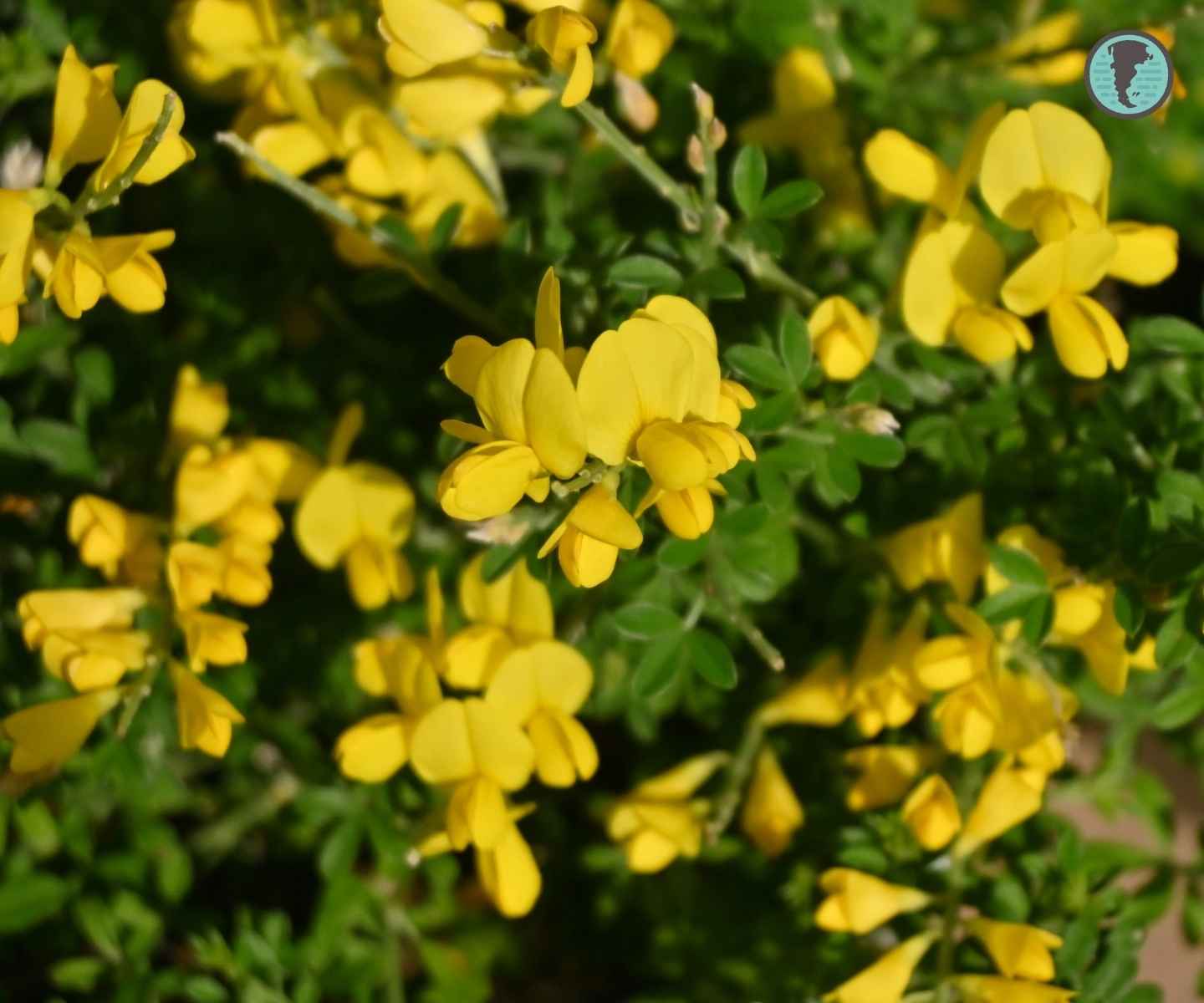
As an introduced species, broom can exhibit invasive behavior in certain Patagonian ecosystems. Its nitrogen-fixing capacity gives it competitive advantages over native vegetation in nutrient-poor soils.
Dense branching and vigorous growth can result in the formation of dense thickets that compete with indigenous species for space and resources. Therefore, monitoring its populations is fundamental for the conservation of regional biodiversity.
In some sectors of national parks and protected areas, management strategies are implemented to control its expansion. These range from manual removal to more specific treatments depending on the characteristics of the affected site.
| Control Method | Effectiveness | Recommended Application |
|---|---|---|
| Manual removal | High | Young plants and small populations |
| Selective cutting | Medium | Established shrubs in sensitive areas |
| Integrated control | High | Extensive populations with follow-up |
| Revegetation | Variable | Supplement with native species |
Traditional and Current Uses
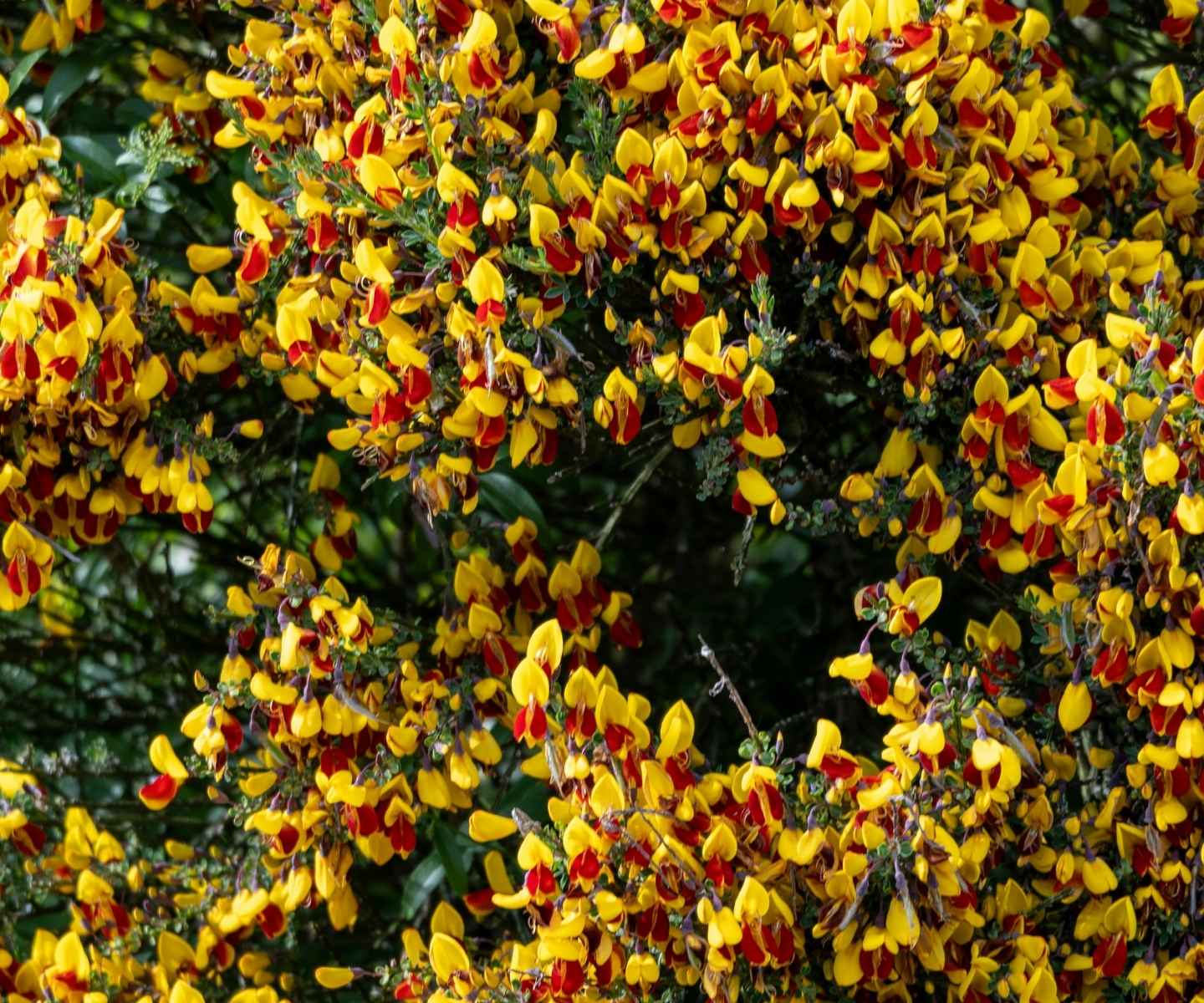
Historically, species of the Retama genus have been used for making brooms, which is where the common name “broom plant” or “Spanish broom” derives. The flexible and resistant stems were ideal for this domestic application.
In some regions of origin, the broom flower has had ornamental and ceremonial uses. However, in the Patagonian context, it is essential to carefully evaluate any use that might promote its dispersal or establishment in new areas.
Currently, from a conservation perspective, the primary “use” of broom should be oriented toward educational programs about introduced species. In fact, recognizing it in the field can serve as a tool to raise awareness about the importance of preserving native ecosystems.


El Chaltén Guided Full Day Tour with Lunch from El Calafate
From $140.0 USD · ★ 3.8 · 4 reviews · Free Cancellation
Conclusion
Broom represents a fascinating example of how introduced species can successfully establish themselves in ecosystems different from their origin. Although its presence in Patagonia is part of the current landscape, it is essential to understand its status as a non-native species and the potential associated impacts.
For those of us who travel Patagonian trails and routes, recognizing broom allows us to develop a more informed perspective on the complexity of our ecosystems. Furthermore, this understanding contributes to valuing even more the richness and uniqueness of the regional native flora.
In conclusion, the future management of broom populations in Patagonia will require balanced approaches that consider both its established presence and the protection of indigenous biodiversity. Therefore, every visitor and inhabitant of these territories can contribute through knowledge, responsible observation, and support for conservation initiatives.
Frequently Asked Questions
1. Is broom a native species of Patagonia?
No, broom is an introduced species in Argentine and Chilean Patagonia. Its origin lies in other regions of the world, from where it was introduced and managed to establish itself in various Patagonian environments.
2. When is the best time to see broom in bloom along Route 40?
Broom typically blooms during the Patagonian spring and summer, between October and February. During these months, its yellow flowers are most visible along Route 40 and other roads in the region.
3. What characteristics allow for easy identification of broom in the field?
Broom is characterized by its high-density thin green stems, very small leaves, and clustered yellow flowers. This combination of features makes it relatively easy to distinguish from native Patagonian shrubs.
4. Why is the presence of broom considered problematic in some ecosystems?
As an introduced species, broom can compete with native vegetation for space and resources, especially due to its nitrogen-fixing ability. In some cases, it can form dense thickets that alter the original composition of plant communities.
5. How is broom related to other well-known plants?
Broom belongs to the Fabaceae family, the same as lentils, beans, and other legumes. It is closely related to the genera Chamaecytisus, Cytisus, and Genista, sharing similar morphological characteristics such as thin stems and small leaves.
6. What is the official conservation status of Retama sphaerocarpa?
According to iNaturalist records, there is no official conservation status registered for Retama sphaerocarpa. This means it does not have a specific categorization within conservation red lists, although its status as an introduced species requires monitoring in the ecosystems where it establishes itself.