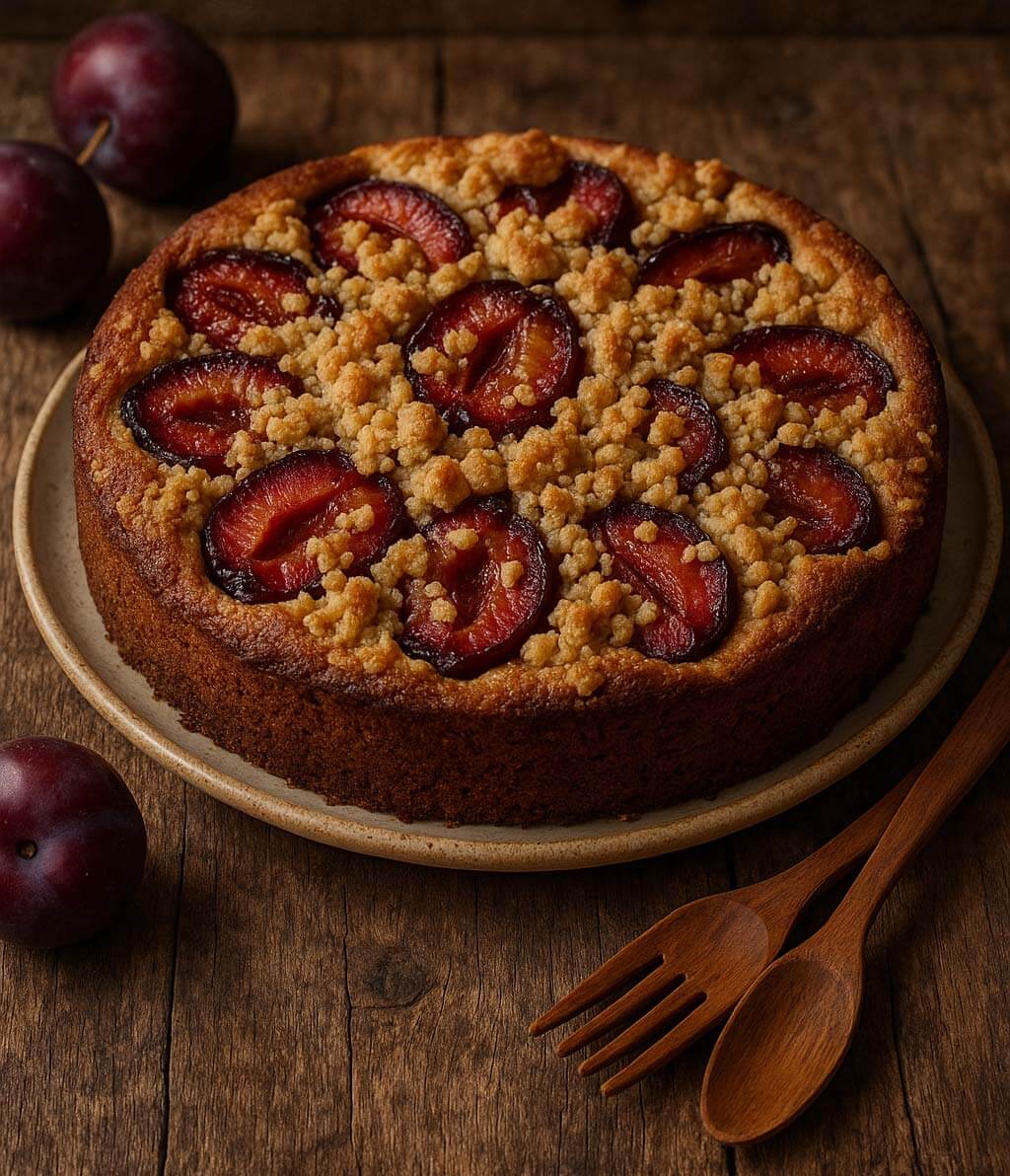
Chilean Kuchen, a classic German-origin dessert, has become a fundamental culinary symbol in Chilean Patagonia. This delicious cake, available in various versions such as plum kuchen, kaesekuchen (cheesecake), or the traditional baumkuchen, reflects the strong cultural and culinary influence of the German settlers who arrived in the region during the 19th century. Today, kuchen is not only a local delicacy but also a living heritage that connects Patagonian identity with its European roots, making every bite an experience that evokes history, traditions, and unique flavors.
Origin of Kuchen and Its Arrival in Patagonia
The term kuchen comes from German and literally means “cake” or “pie.” Its tradition dates back centuries in Germany, where each region developed its own versions, from fruit cakes to more complex preparations like baumkuchen, a layered cake that resembles a tree trunk.
In the 19th century, following German colonization in southern Chile—especially in the Los Lagos and Los Ríos regions within Chilean Patagonia—settlers brought their customs, including their cuisine. Kuchen quickly became part of the local diet, adapting to native ingredients and regional tastes, establishing itself as a Patagonian culinary tradition still celebrated today.
Fun fact: The city of Frutillar, in the Los Lagos Region, is recognized as the cultural capital of Kuchen in Chile and hosts an annual “Kuchen Festival,” an event dedicated to this emblematic German dessert.
Main Kuchen Varieties in the Region
Patagonian kuchen comes in many versions, reflecting cultural diversity and the availability of local ingredients. Some of the most popular are:
- Plum Kuchen: Probably the most classic, this cake combines soft dough with fresh plums, which are abundant in local agriculture. It often features a sweet streusel topping.
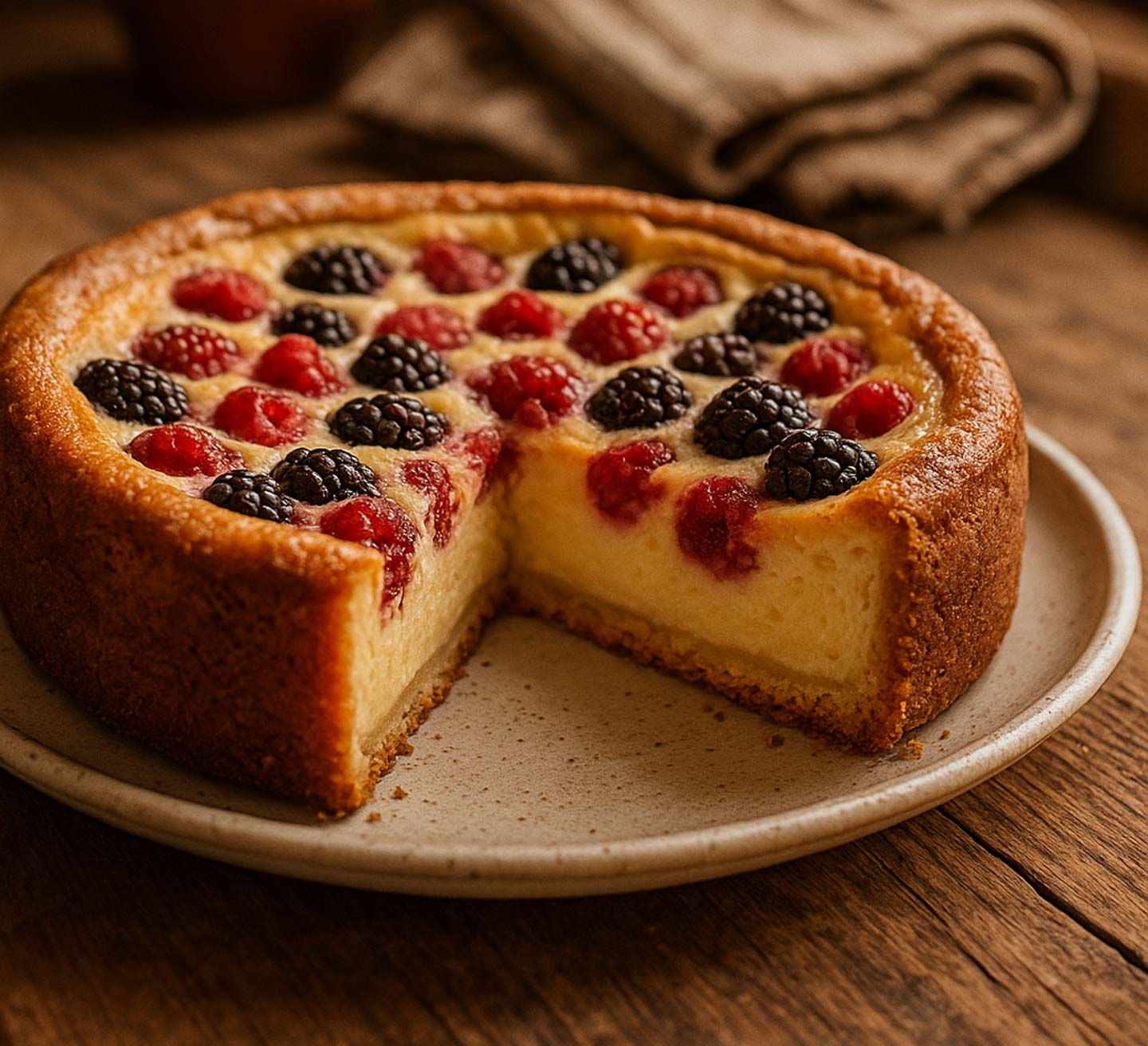
- Kaesekuchen (Cheesecake): Similar to a cheesecake, it uses fresh cheeses or cream and usually includes fruits like raspberries or blueberries.
- Butter Kuchen: With a simple, buttery dough topped with sugar and almonds, this is another favorite in Patagonian cafés.
- Baumkuchen: A layered cake baked with a special technique; though less common, it represents German baking craftsmanship.
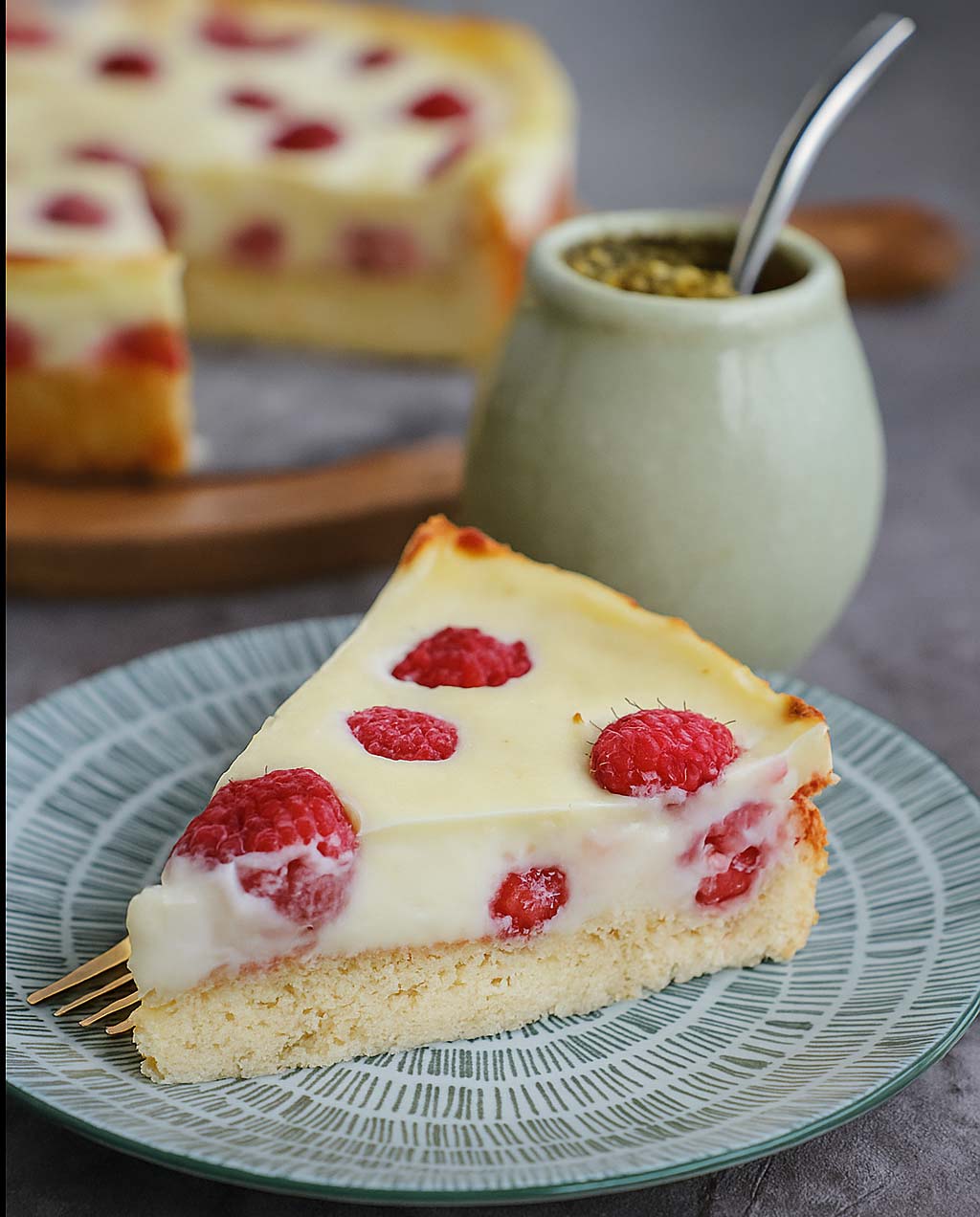
- Raspberry Kuchen: Taking advantage of wild and cultivated Patagonian raspberries, it offers a fresh and tangy flavor.
Local Adaptations and Fusions
In some places, the kuchen recipe has been adapted by incorporating Patagonian ingredients like murtilla berries, rosehip, or native nuts. These fusions enrich the culinary offer and keep the tradition alive with a local twist.
Kuchen in Today’s Patagonian Culture
Kuchen is more than just a dessert; it’s a central part of social and cultural life in Chilean Patagonia. From family gatherings to public events, the tradition of “having once” (a late afternoon tea/meal) almost always includes a good kuchen served with tea or coffee. This German custom, rescued and adapted in southern Chile, fosters togetherness and a sense of community.
Moreover, numerous bakeries, pastry shops, and specialty cafés in cities like Puerto Varas, Frutillar, and Puerto Montt have made kuchen a local emblem and a tourist attraction. Searching for the best kuchen near me is a common quest for both visitors and locals alike.
Did you know? The Kuchen Festival in Frutillar draws thousands of visitors every year, where not only various kuchen types are tasted, but contests, workshops, and cultural activities related to this German-Patagonian tradition take place.
Traditional Patagonian Raspberry Kuchen Recipe
Here is a typical raspberry kuchen recipe, perfect to make at home and enjoy the authentic taste of Chilean Patagonia:
- Dough Ingredients (for 10 servings):
- 250 grams of flour
- 80 grams of very soft butter
- 80 grams of sugar
- 1 egg
- 30 ml of oil
- 30 grams of baking powder
- 60 ml of milk
- Filling Ingredients:
- Raspberries to taste
- 250 grams of cream
- 250 grams of liquid milk
- 50 grams of cornstarch
- 10 grams of flour
- 180 grams of sugar
- 1 teaspoon of vanilla
Step-by-Step Preparation:
- In a bowl, combine sugar, butter, and egg. Beat until well mixed.
- Add oil and baking powder, continue beating. Then add milk.
- Add flour and mix until forming a thick, sticky dough. Refrigerate for 30 minutes.
- After 30 minutes, place the dough in a greased and floured pan, spreading it with your fingers to cover the surface. Bake at 180°C (preheated) for 12 minutes.
- For the filling, place all cold ingredients in a pot and cook over medium heat, stirring constantly until thickened. Remove from heat.
- Place raspberries over the baked dough and pour the prepared cream on top. Optionally, add an extra layer of raspberries for decoration.
- Bake again until the cream turns golden, about 25 minutes, or let cool before serving for the best flavor and texture.
This kuchen pairs perfectly with mate, coffee, or Patagonian tea and is a wonderful way to connect with the German culinary traditions adapted in southern Chile.
Conclusions
Kuchen in Chilean Patagonia is much more than just a dessert: it is a living legacy of German immigration, a cultural symbol, and a tradition that remains vibrant in daily life and regional cuisine. The many varieties, adapted with local ingredients, show how this classic European cake integrated and thrived in the Patagonian landscape.
Visiting Chilean Patagonia without trying a good kuchen is missing out on an authentic and delicious experience. Events like the Kuchen Festival in Frutillar highlight the pride and importance this dessert holds in the region’s cultural identity.
Frequently Asked Questions about Kuchen in Patagonia
- What is kuchen?
It’s a German dessert, a type of cake or pie, very popular in Chilean Patagonia, with variations that include fruits, cheeses, and sweet doughs. - Why is kuchen so important in Chilean Patagonia?
Because of the strong influence of German immigration in the 19th century, bringing their culinary traditions that blended with local ingredients. - Where can I try the best kuchen in Patagonia?
Cities like Frutillar, Puerto Varas, and Puerto Montt are known for their bakeries and cafés offering excellent kuchen. - Does Patagonian kuchen differ from the original German version?
Yes, it adapts with local fruits like plums, murtilla berries, and raspberries, and employs regional techniques and flavors. - Can kuchen be easily made at home?
Yes, there are simple recipes suitable for home ovens using accessible ingredients and traditional methods.