

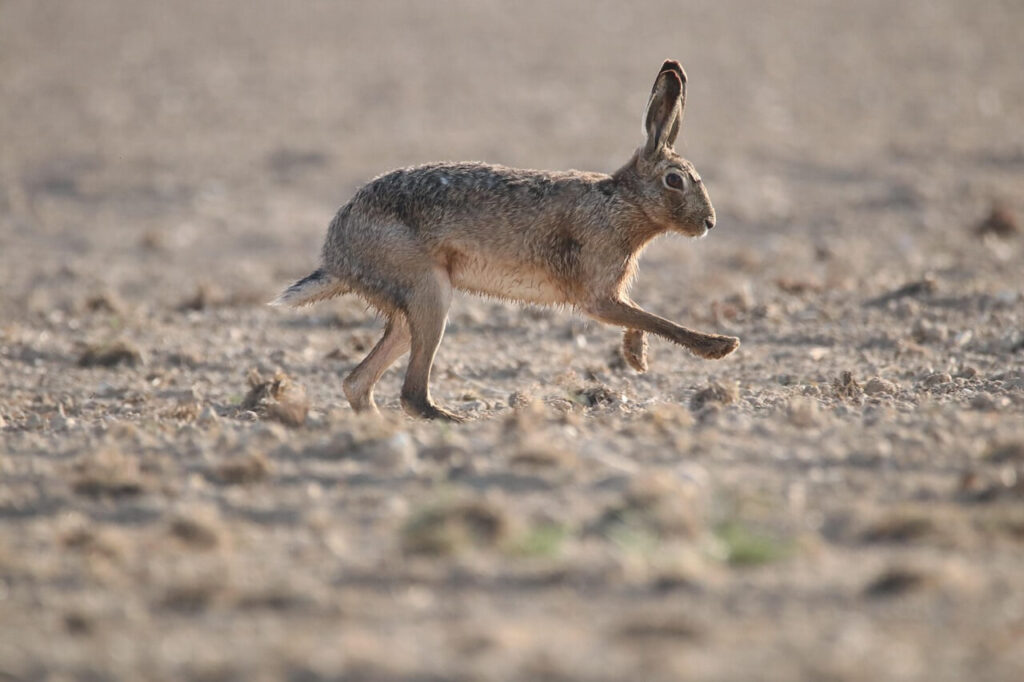
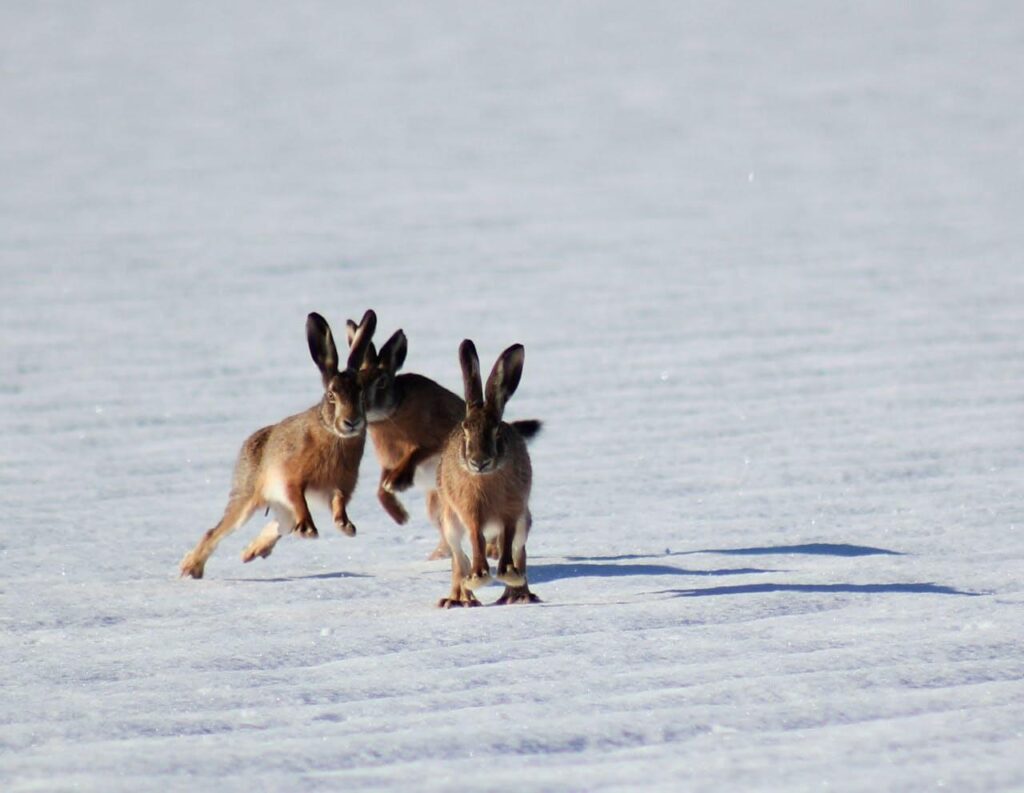
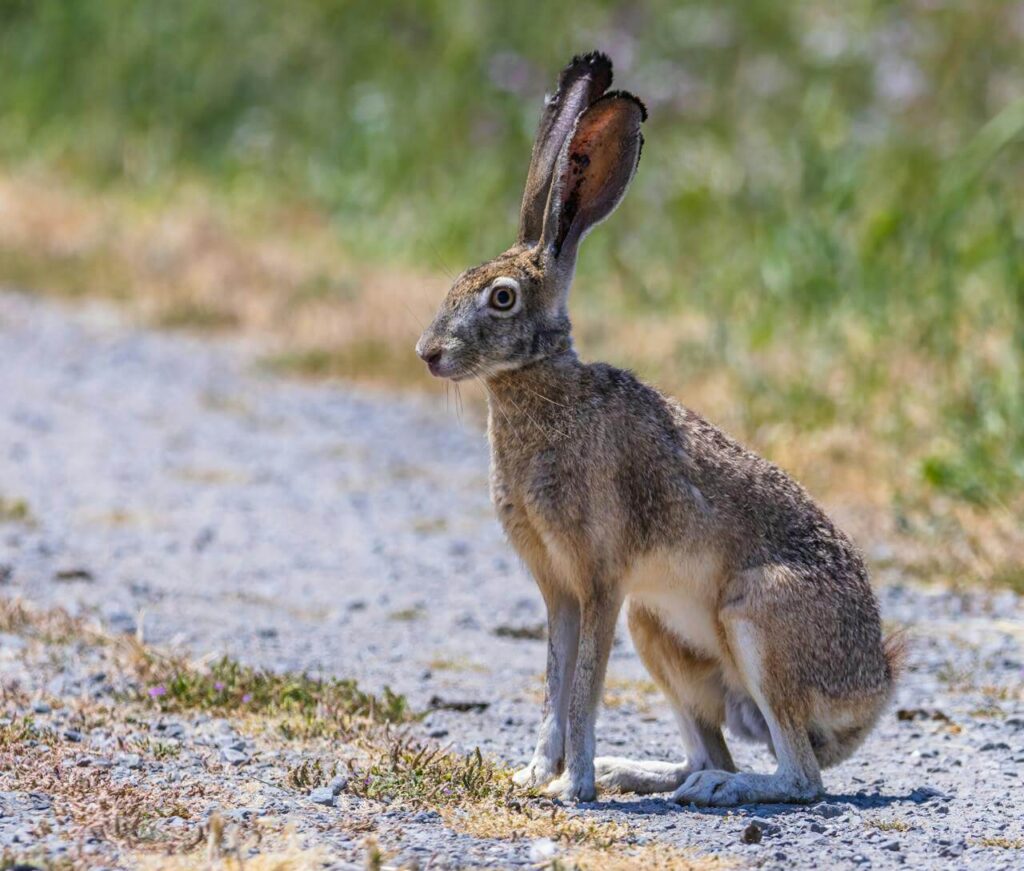
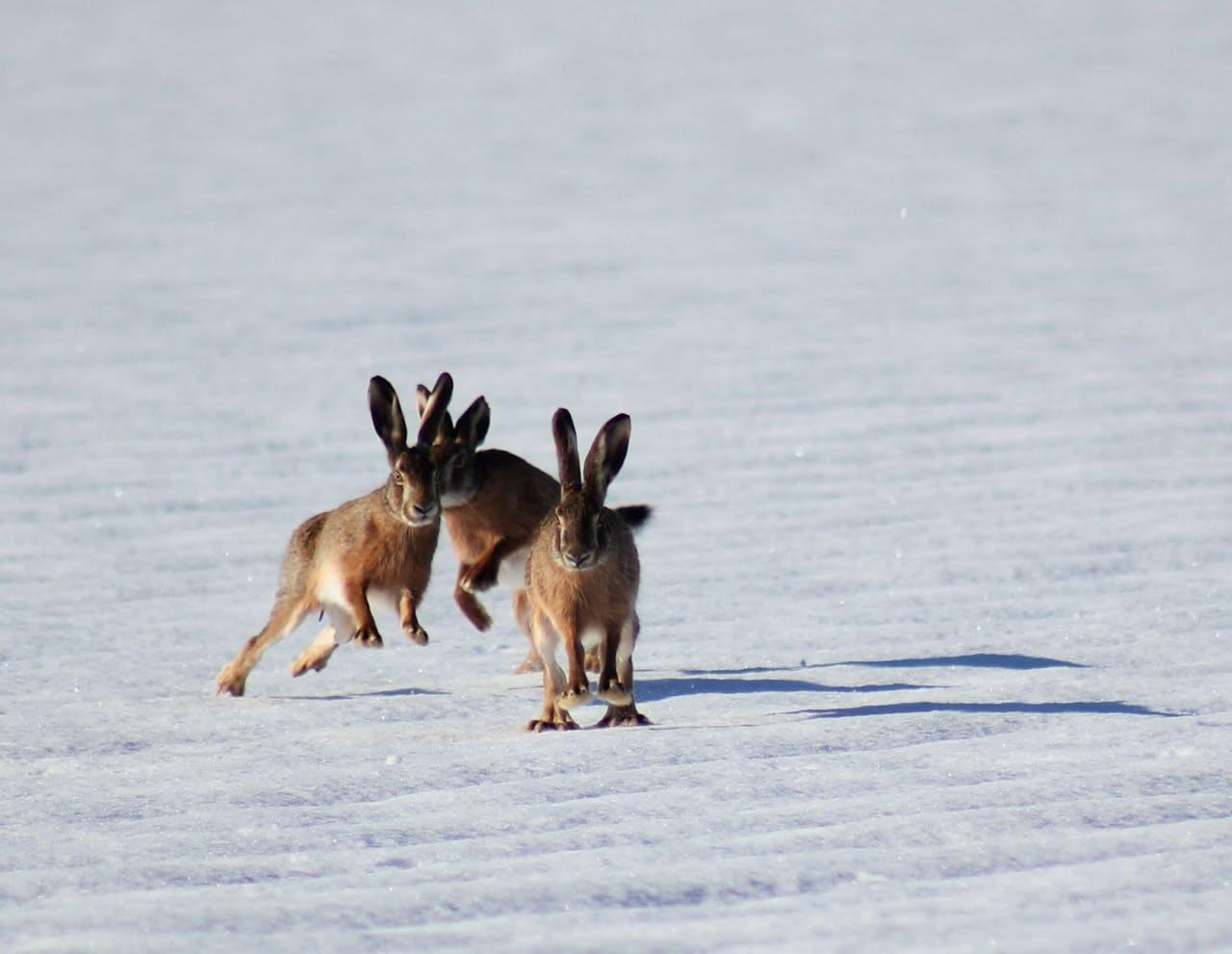
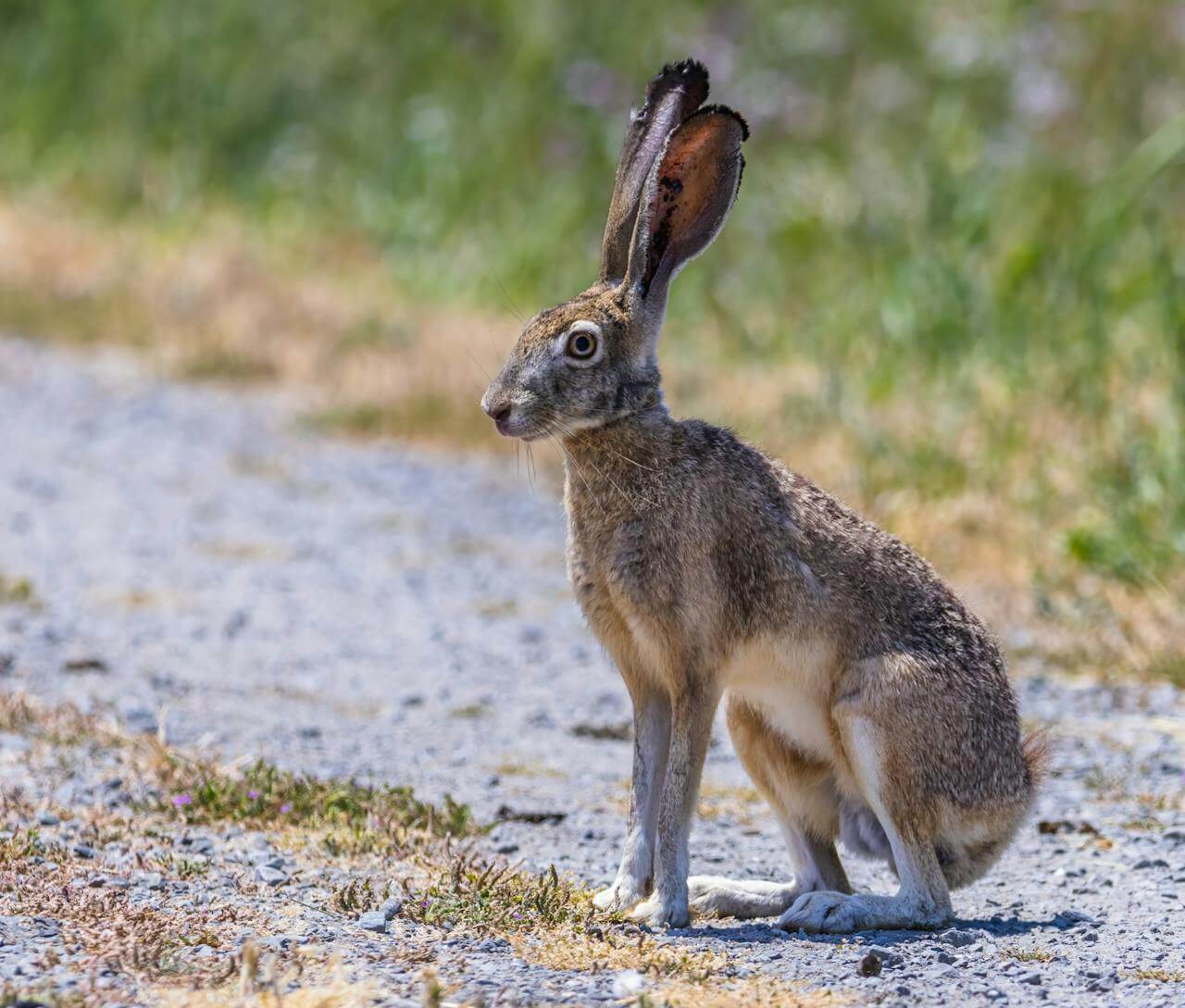
The European hare (Lepus europaeus) is one of the introduced species in Patagonia that has generated the greatest adaptation and controversy. Although not native to the region, its presence has become so common that many associate it directly with the Patagonian landscape. This article explores its history, biological characteristics, ecological impact and current situation in southern Argentina in depth with verified data.
Origin and Arrival in Patagonia
The European hare was introduced to Argentina in the late 19th century, specifically in 1888, with the aim of diversifying fauna for sport hunting. The first specimens came from Germany to ranches in Río Negro, where they acclimatized before spreading throughout the region.
A little-known fact is that the first 12 breeding pairs released near Bariloche multiplied exponentially. By 1910, they had colonized as far south as Chubut, advancing at a rate of 25-30 km per year according to records from the Institute of Diversity and Austral Ecology (IDEAus-CONICET).
“In just two decades, the European hare occupied a territory larger than all of Germany, demonstrating an unprecedented adaptation capacity in Patagonia” — Dr. Javier Puntieri, Principal Investigator at CONICET.

Biology and Reproduction: A Survival Machine
The so-called Patagonian hare developed unique characteristics to thrive in the hostile environment:
Key Data:
- Litters: 3-4 per year (peaking at 5 in good seasons)
- Offspring per birth: 2 to 4 (exceptionally 5)
- Gestation: 42 days (half that of a rabbit)
- Sexual maturity: 6 months in females, 8 in males
- Longevity: 5-7 years in the wild (recorded maximum: 9 years)
- Adult size: 50-70 cm long (excluding tail)
- Average weight: 3-5 kg (males are larger)
This reproductive potential explains why, according to calculations by INTA, a single pair could produce up to 180 descendants in 3 years under ideal conditions.



Ecological Impact: Alarming Numbers
A 2023 study by the National University of Patagonia revealed:
| Aspect | Impact | Most affected area |
|---|---|---|
| Vegetation consumption | 500 tons daily across Patagonia | Central Plateau of Chubut |
| Competition | 40% reduction in mará populations | Lower Chubut River Valley |
| Agricultural damage | USD 3 million annually | Alto Valle of Río Negro |
The Surprising Current Population
The latest census coordinated by Patagonian provinces (2022-2023) estimated:
- Regional total: 8.7 million
- Maximum densities: 35 hares/km² (in Río Negro areas)
- Distribution: From the 38°S parallel to the Strait of Magellan
- Main habitat: Shrub steppes, wetlands and agricultural areas
Key Adaptations for Patagonia
What allows the hare to thrive where other species fail:
1. Extreme Physiology
- Ears with special vascularization that regulate temperature
- Hind legs 15% longer than their European counterparts
- 360° vision to detect predators
- Fur that changes tone with the seasons
2. Innovative Behaviors
- Burying excrement to avoid detection
- Using abandoned vizcacha burrows as shelter
- Changing activity patterns according to hunting pressure
- Territorial marking with scent glands

Road Hazards: A Nocturnal Risk
European hares are responsible for 23% of accidents on Patagonian roads according to Vialidad Nacional. Their crepuscular and nocturnal behavior, combined with their tendency to freeze under vehicle headlights, makes them particularly dangerous.
“Between 8:00 PM and 5:00 AM, 85% of collisions occur, coinciding with their peak feeding period” — UNS Study, 2023.

Driver Tips:
- Reduce speed in marked zones between dusk and dawn
- Avoid high beams that disorient them
- Watch for sudden crossings
- Avoid dangerous maneuvers to swerve around them
The Hare in Patagonian Culture
- Cuisine: traditional dishes featuring its meat (hare stew, pâté, escabeche)
- Art: Central motif in 12% of Río Negro crafts (ceramics, wood carvings)
- Legends: The “Hare’s Bowl” in Tehuelche mythology (representing cunning)
- Sports: 32 regulated hunting clubs (season April-August)
- Festivals: Provincial Hare Festival in Río Negro (since 1987)

Management and Control: What Works?
The strategies best evaluated by the National Animal Health Service:
- Commercial hunting: 120,000 specimens/year for export (mainly to Europe)
- Food festivals: Increased local consumption by 300% in the last decade
- Predator protection: Foxes and black-chested buzzard-eagles (natural control)
- Physical barriers: Effective for intensive crops (minimum height 1.5 m)
- Environmental education: School programs about invasive species
As an Invasive Species: Legal Status
The European hare is classified as:
- Invasive exotic species under National Law 24.707
- Agricultural pest in 4 Patagonian provinces
- Game species (for regulated hunting)
Its control is included in the National Plan for Management of Invasive Exotic Species (Resolution 109/2021).
Little-Known Facts
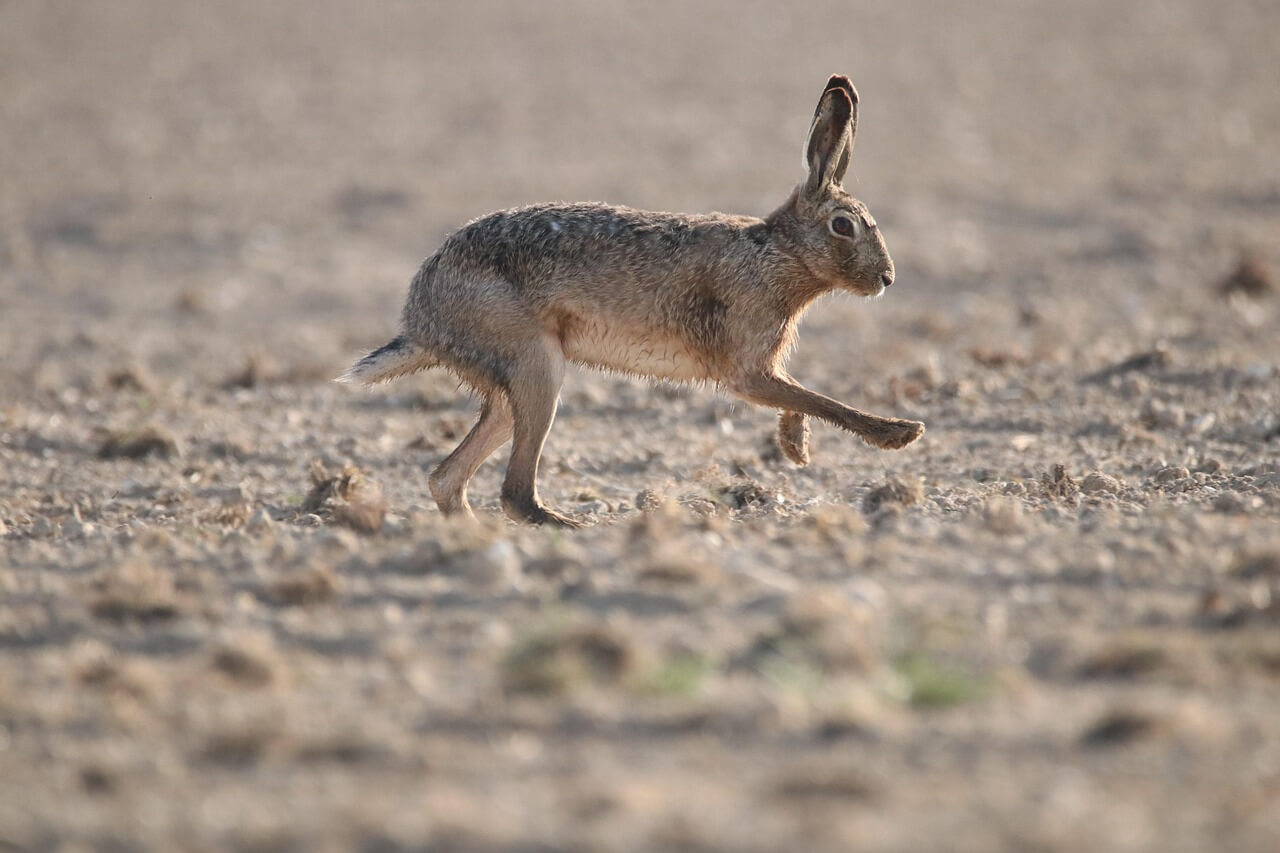
- Can run at 72 km/h in a straight line (Patagonian record)
- Its image has inspired logos for several Patagonian businesses
- In 1947 there was an unsuccessful attempt to introduce lynx to control them (project abandoned in 1952)
- Excellent swimmers (have crossed the Río Negro multiple times)
- One marked individual traveled 298 km in 3 months (dispersal record)
- Their teeth never stop growing (like all lagomorphs)





The Future: Pest or Resource?
Experts propose a balanced approach:
“The hare is here to stay. Our challenge is to turn it from a problem into an opportunity, through sustainable management that considers its ecological, economic and cultural value” — Dr. Ana Martínez, Director of Wildlife of Chubut.
Conclusion
The European hare in Patagonia represents one of the most fascinating cases of animal adaptation. From its introduction 135 years ago to current debates about its management, it continues to challenge our notions about invasive species. Beyond the numbers, its story reflects nature’s capacity to reinvent itself, and humanity’s ability to learn from ecological mistakes. Today, science and Patagonian communities seek to transform this conflict into an opportunity for sustainable development, finding the balance between necessary control and rational use of a resource that, whether we like it or not, has become an inseparable part of the southern landscape.

Frequently Asked Questions
1. When did European hares arrive in Patagonia and why were they introduced?
European hares were introduced to Argentina in 1888, specifically to ranches in Río Negro, with the goal of diversifying fauna for sport hunting. The first specimens came from Germany, and just 12 breeding pairs near Bariloche multiplied exponentially to colonize vast territories within two decades.
2. How quickly did European hares spread throughout Patagonia?
European hares advanced at a remarkable rate of 25-30 km per year, reaching Chubut by 1910 and occupying a territory larger than Germany within just two decades. This unprecedented expansion demonstrates their exceptional adaptation capacity to the Patagonian environment.
3. What makes European hares so successful at surviving in Patagonia?
The European hare developed unique biological characteristics adapted specifically to Patagonia’s harsh environment, enabling them to thrive where other introduced species failed. Their reproductive capacity, producing 3-4 litters per year (up to 5 in favorable seasons), contributes significantly to their population success.
4. How common are European hares in Patagonia today?
European hares have become so widespread and well-established in Patagonia that many people associate them directly with the region’s natural landscape, despite being an introduced species only introduced in the late 19th century. Their presence is now considered common throughout southern Argentina.
5. What ecological impact have European hares had on Patagonia?
The article indicates that European hare presence has generated significant controversy regarding ecological impact in Patagonia, though specific details about their effects on native flora and fauna are explored in depth within the full article. Their role as an introduced species continues to be studied by institutions like IDEAus-CONICET.
6. What is the current scientific perspective on European hares in Patagonia?
Researchers at CONICET, including Principal Investigator Dr. Javier Puntieri, continue to study the European hare’s unprecedented adaptation to Patagonia with verified data from the Institute of Diversity and Austral Ecology. Scientific interest remains focused on understanding both their biological success and their long-term ecological consequences for the region.