
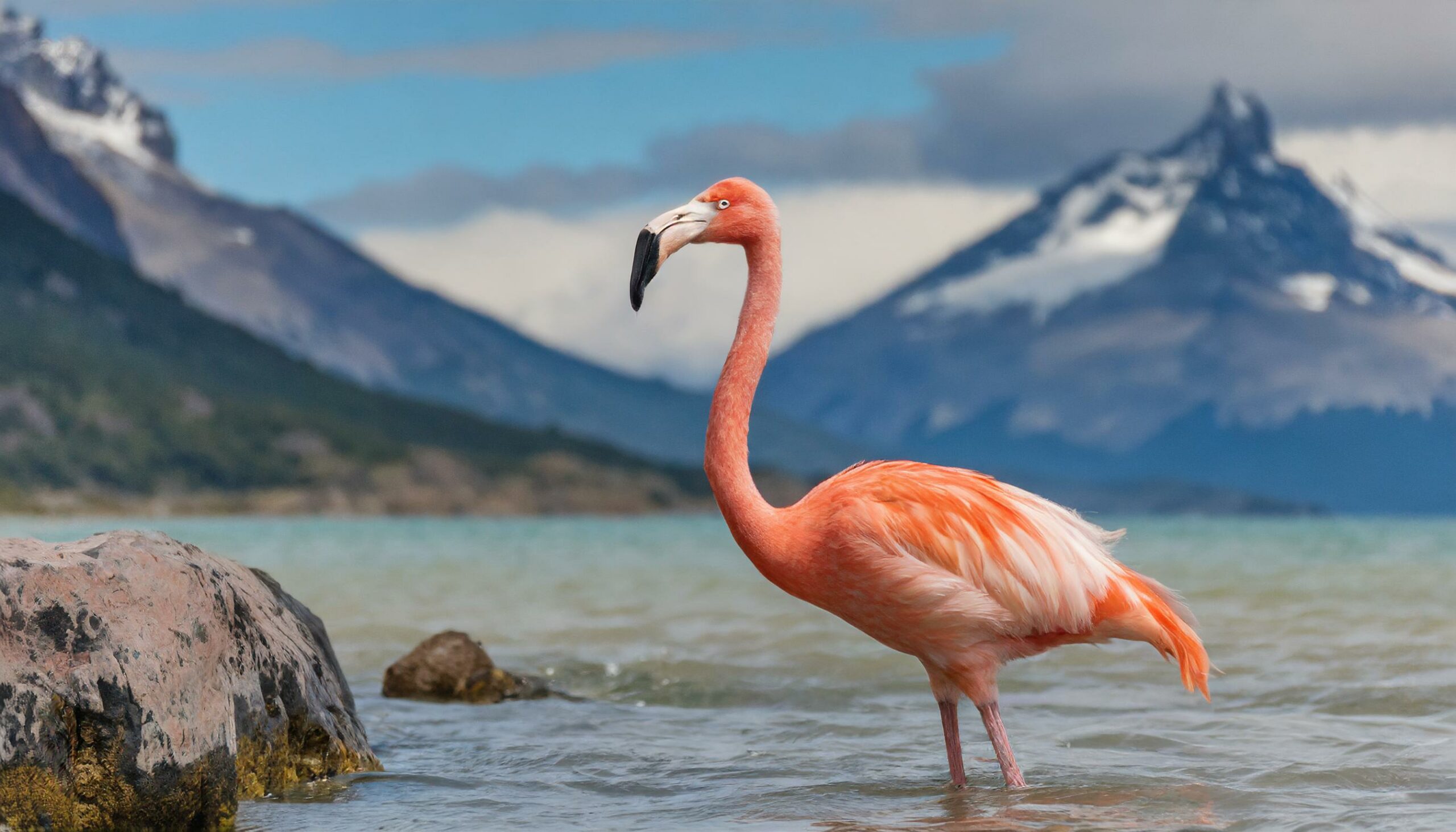
Introduction to Flamingos in Patagonia
The presence of flamingos in Patagonia captures everyone’s attention, showcasing birds typically associated with warmer climates adapting to this rugged region. This article explores how these majestic birds thrive in Patagonia.
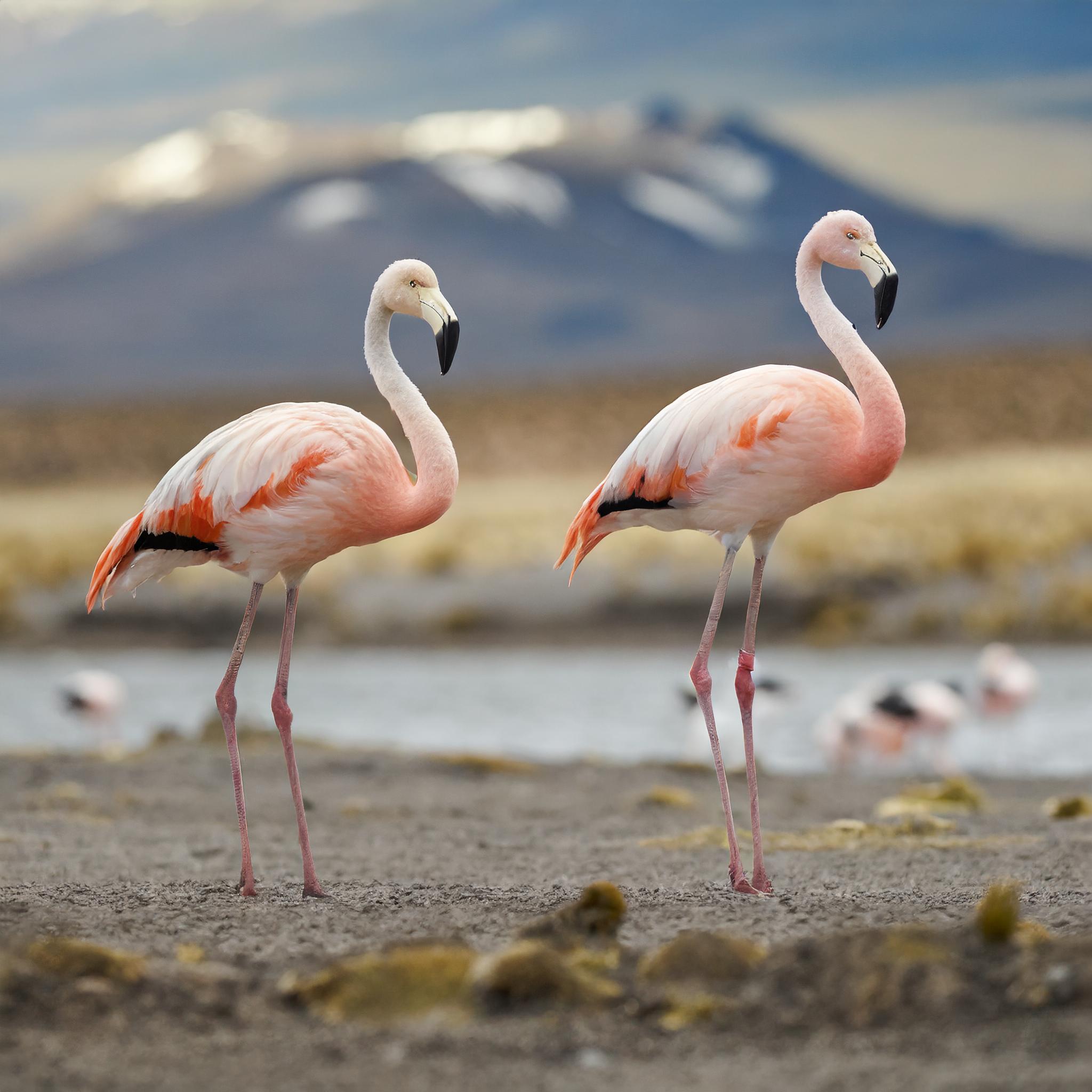
Two Andean flamingos enjoying the Patagonian landscape.
Adaptation to Patagonian Climate
Contrary to what many might think, both Chilean and Andean flamingos have excellently adapted to life in the chilly waters of Patagonia.
These adaptations allow the flamingos to thrive despite the region’s harsh conditions. Learn more about wildlife adaptation in Patagonia here.
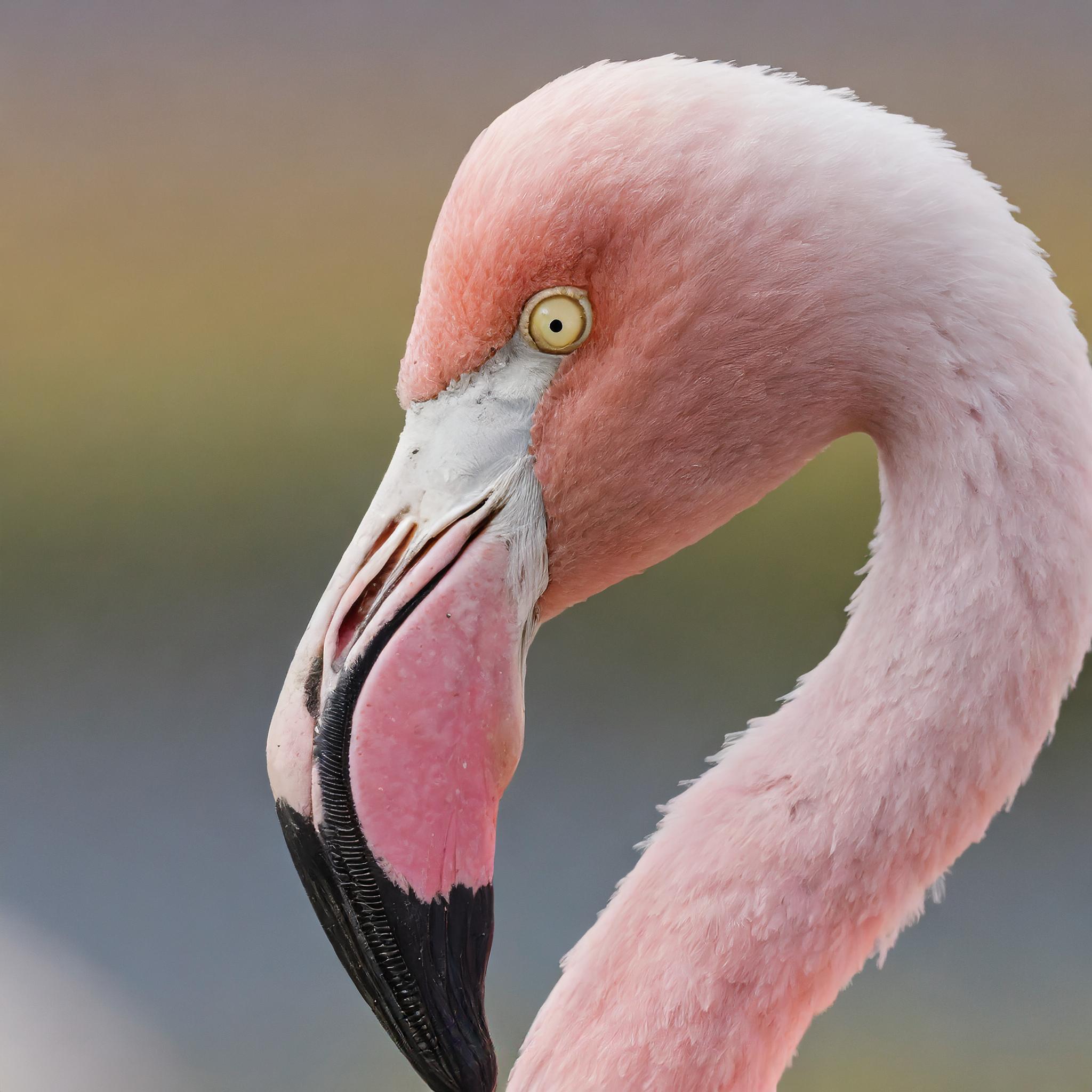
An imposing Andean flamingo in its natural habitat.
The Diet Influences Their Distinctive Coloration
The diet rich in carotenoids, from crustaceans such as Artemia salina, is what gives these flamingo birds their characteristic pink color.
From an early age, flamingos are fed “crop milk,” a nutritious substance vital for their growth.
Behavior and Reproduction of Flamingos
In addition to being highly sociable and prone to avian flu, these birds do not breed annually, but when they do, they fly in large flocks and produce sounds reminiscent of geese.
Longevity: Flamingos can live between 25 and 40 years, whether in captivity or in the wild.
Unique Rest: These birds are known for their ability to sleep standing on one leg, which helps them conserve heat and reduce energy loss while remaining alert to threats.
Courtship Rituals: Flamingos perform complex courtship rituals with intense dedication from both sexes, from egg incubation to intensive care of the chicks, similar to the nesting behaviors observed in other Patagonian birds like the Andean Condor.
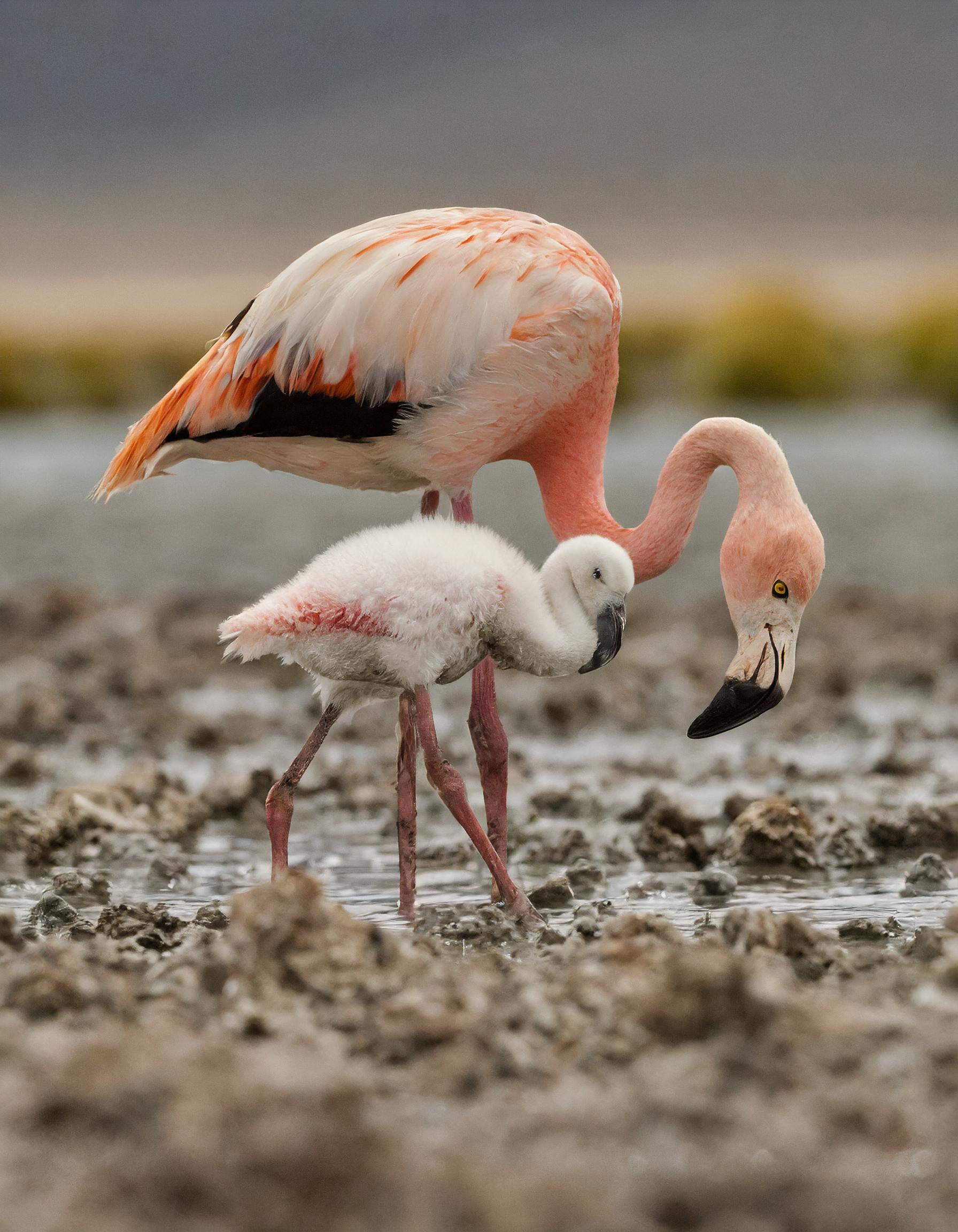
A careful Andean flamingo protects its chick in Patagonia.
The Importance of Conserving Flamingos
In Patagonia, flamingos face environmental challenges that require seasonal migrations, much like other native species such as the Rhea which also navigates the vast landscapes in search of optimal conditions. Their survival depends on maintaining healthy aquatic ecosystems, highlighting the need to protect their natural habitats. These birds share the region with diverse wildlife including the elusive Gray Fox, creating a delicate balance in the Patagonian ecosystem. Discover more about conservation efforts here.
Video: Flamingos in Their Patagonian Habitat
Want to hear the sounds of this animal?
Imagine being in the heart of Patagonia, surrounded by nature, and hearing the unique calls of a Flamingos in the wild. We’ve included a video where you can listen to its incredible sounds and feel the connection with Patagonia’s wildlife. Hit play and enjoy this interactive experience!
Frequently Asked Questions
1. What species of flamingos can be found in Patagonia?
Both Chilean and Andean flamingos inhabit Patagonia’s waters, having adapted remarkably well to the region’s cold climate despite flamingos typically being associated with warmer environments. These two species showcase nature’s impressive ability to thrive in harsh conditions.
2. Why are flamingos pink, and does their diet affect their color?
The flamingos’ distinctive pink coloration comes from carotenoids found in their diet, particularly from crustaceans like Artemia salina that they consume throughout their lives. From birth, flamingos are fed “crop milk,” a nutrient-rich substance that supports their development and contributes to their vibrant hue.
3. How long do flamingos live, and do they breed every year?
Patagonian flamingos can live between 25 and 40 years in both wild and captive environments. Unlike many bird species, these flamingos do not breed annually; instead, they breed sporadically and when they do, they fly together in large flocks producing distinctive sounds similar to geese.
4. What makes flamingos social birds, and what threats do they face?
Flamingos are highly sociable creatures that congregate in large groups, which supports their breeding and behavioral patterns. However, these gatherings make them vulnerable to avian flu, a significant health concern for wild populations.
5. How do flamingos rest, and why is their sleeping position unique?
Flamingos are famously known for sleeping standing on just one leg, a behavior that helps them conserve heat and reduce energy loss in Patagonia’s cold climate. This positioning also allows them to remain alert to potential threats while resting.
6. How have flamingos adapted to Patagonia’s harsh climate?
Both Chilean and Andean flamingos have developed excellent physiological and behavioral adaptations that allow them to thrive in Patagonia’s chilly waters and rugged conditions. Their ability to sleep on one leg to conserve heat and their social behaviors are key survival strategies in this challenging environment.