
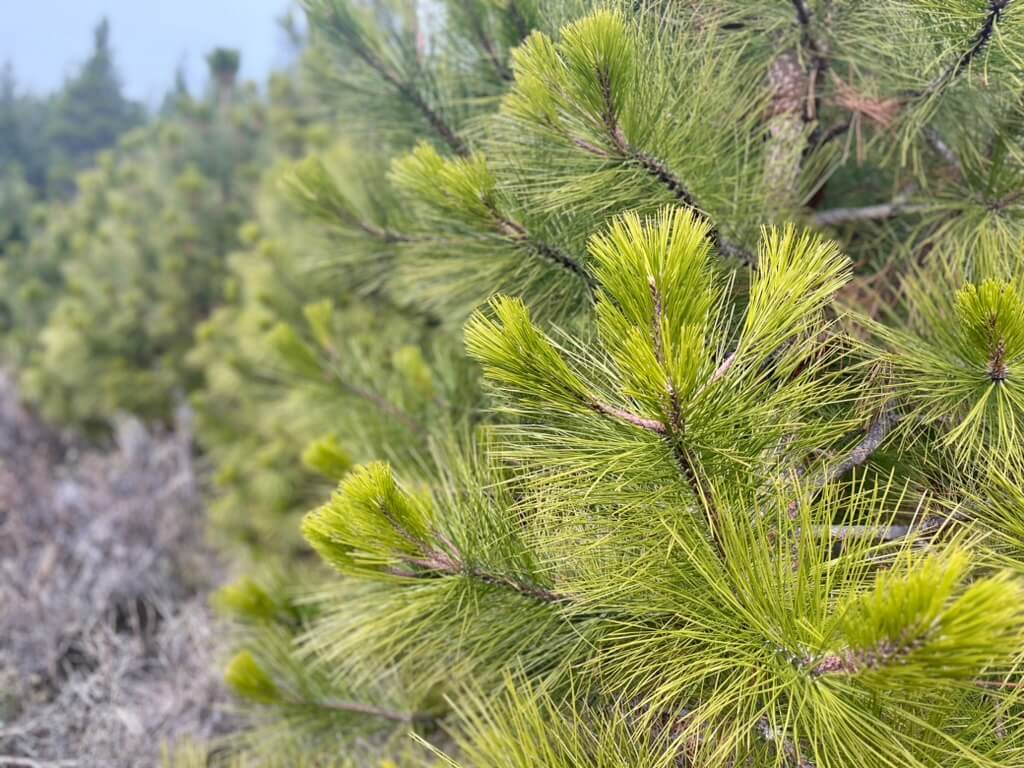
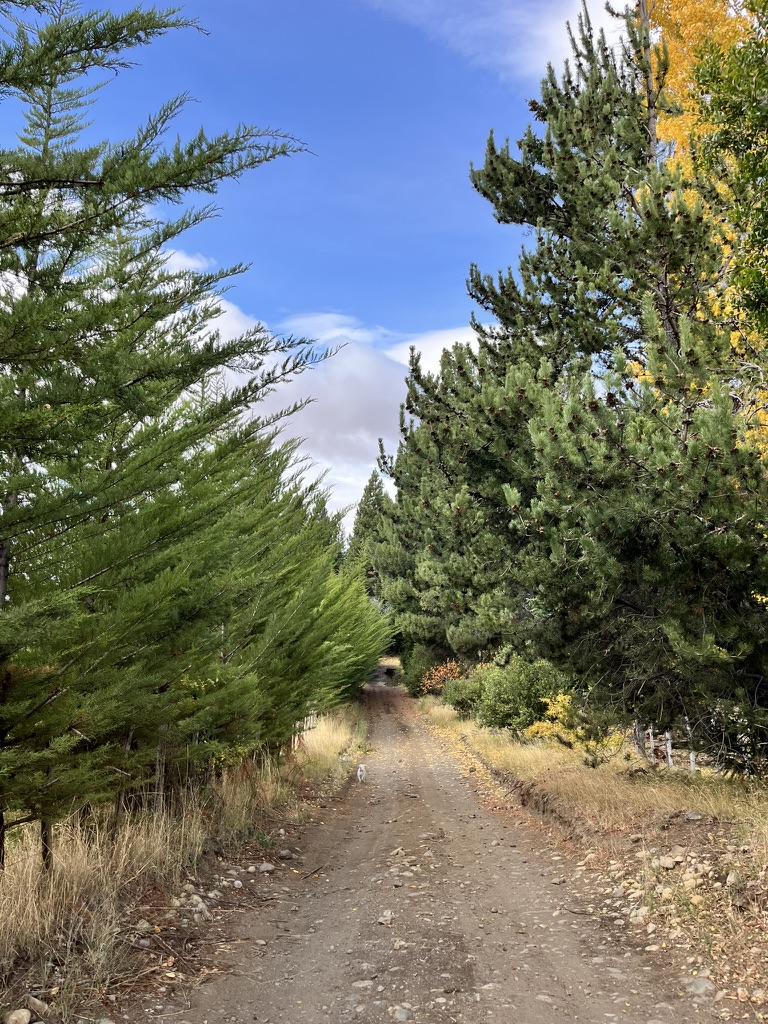
In Patagonia, one of the most visible and controversial trees is the pine, but not the native kind—instead, several introduced species for forestry and commercial purposes. Species like Pinus ponderosa (Oregon pine), Pinus radiata (Monterey pine or radiata pine), and other exotic pines were brought mainly for rapid timber production. However, these pines are double-edged swords: while they benefit the forestry industry, they also cause significant ecological and social problems in the region.
Introduction to Pines in Patagonia
Since the mid-20th century, Patagonia has seen large plantations of introduced pine species, mainly aimed at strengthening the forestry industry. These plantations are concentrated in the province of Chubut, where Pinus ponderosa dominates the planted forest landscape with nearly 23,000 hectares, followed by smaller areas of Pinus radiata and other exotic species. This forestry push enabled economic growth, though accompanied by serious environmental challenges.
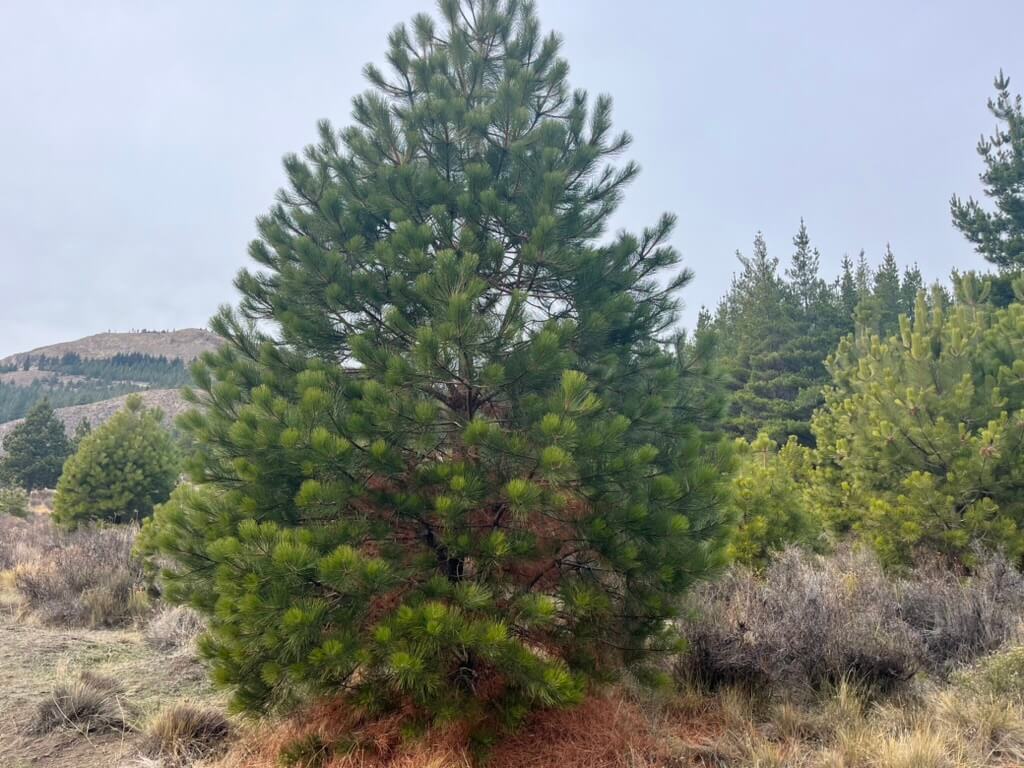
Introduced Pine Species in Patagonia
The main introduced species in Southern Patagonia are:
- Pinus ponderosa (Oregon pine): the most widely planted, valued for its high-quality wood and adaptability.
- Pinus radiata (Monterey or radiata pine): smaller planted area but important commercially.
- Pinus contorta (lodgepole pine): used in some smaller plantations.
These species are not native but have adapted successfully to the Patagonian climate, which has made them invasive in many ecosystems.
Forestry Use and Fast Growth
The introduced pines stand out for their fast growth, reaching commercial size in 20 to 25 years—much faster than native species like lenga or ñire. This has facilitated the creation of a local timber industry, producing wood for construction, furniture, and pulp.
Fact: According to official reports from the National Institute of Agricultural Technology (INTA) and the National Forestry Corporation (CONAF), ponderosa pine accounts for over 70% of the planted forest area in Southern Patagonia, with about 30,000 hectares in Chubut.
Environmental Impact and Invasive Status
Despite its economic importance, introduced pine has become an invasive species in many areas, displacing native vegetation and altering biodiversity. Its ability to colonize non-forested areas creates large, homogeneous patches that hinder natural regeneration of native species.
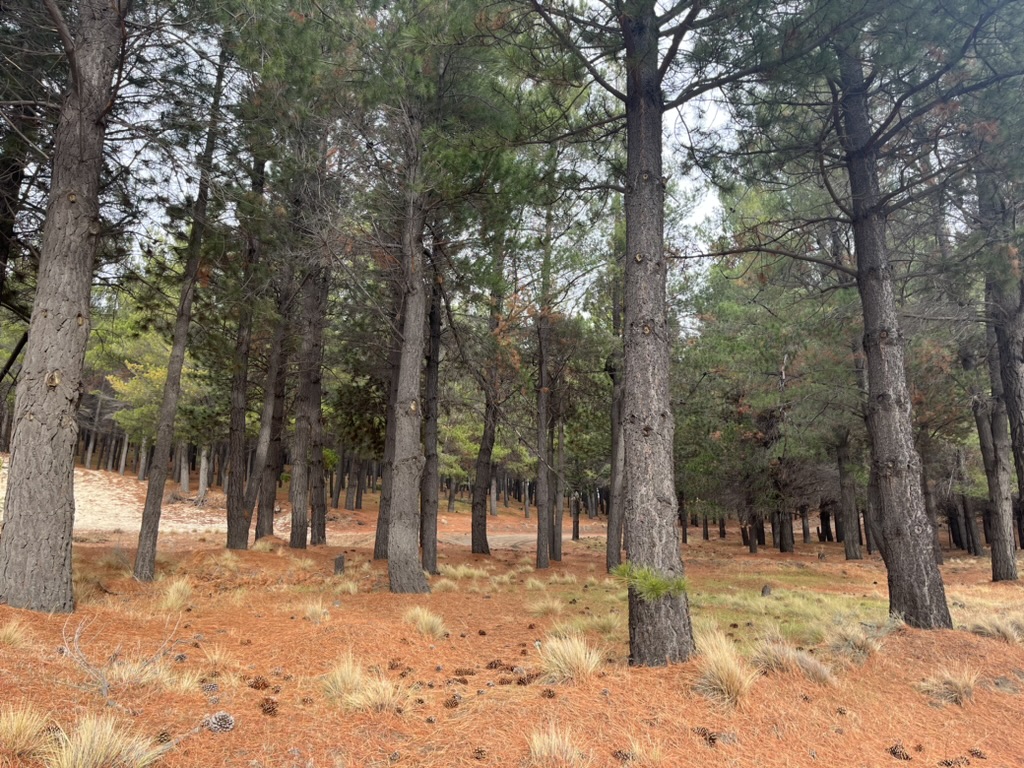
Additionally, their high flammability increases the risk and severity of wildfires in the region, a recurring environmental problem affecting both native and planted forests.
Soil and Ecosystem Problems
Exotic pines affect the soil in several ways:
- Acidifying the soil through needle litter, which hampers germination and growth of native plants.
- Competing intensely for water and nutrients, limiting availability for native flora.
- Promoting the proliferation of specific mycorrhizal fungi, enhancing their expansion and altering the natural balance.
- Creating areas with low plant and microbial diversity, negatively affecting overall ecosystem health.
Introduced Pine and Pine Mushroom in Patagonia
Besides timber use, pines foster the growth of pine mushrooms, a valued natural resource in the region. This mushroom grows in humid environments during autumn and is collected by local communities, adding value linked to the ecosystems formed by pine plantations.
To learn more, check out our specialized article: Pine Mushroom: Harvesting, Drying, and Uses.
Public Policies and Forest Management
Forestry activity in Patagonia is regulated and supported by national and provincial policies promoting sustainable management. The National Law of Minimum Budgets for Environmental Protection of Native Forests (Law No. 26,331) and the Forest Investment Law (Law No. 25,080) encourage plantations with environmental and productive criteria.
Proper silvicultural management, including pruning and thinning, is crucial to optimize production, prevent fires, and reduce negative impacts. However, many plantations still lack comprehensive management, limiting productivity and increasing environmental risks.
Moreover, there are experiences integrating plantations with livestock systems (silvopastoralism) seeking multiple and sustainable land use.
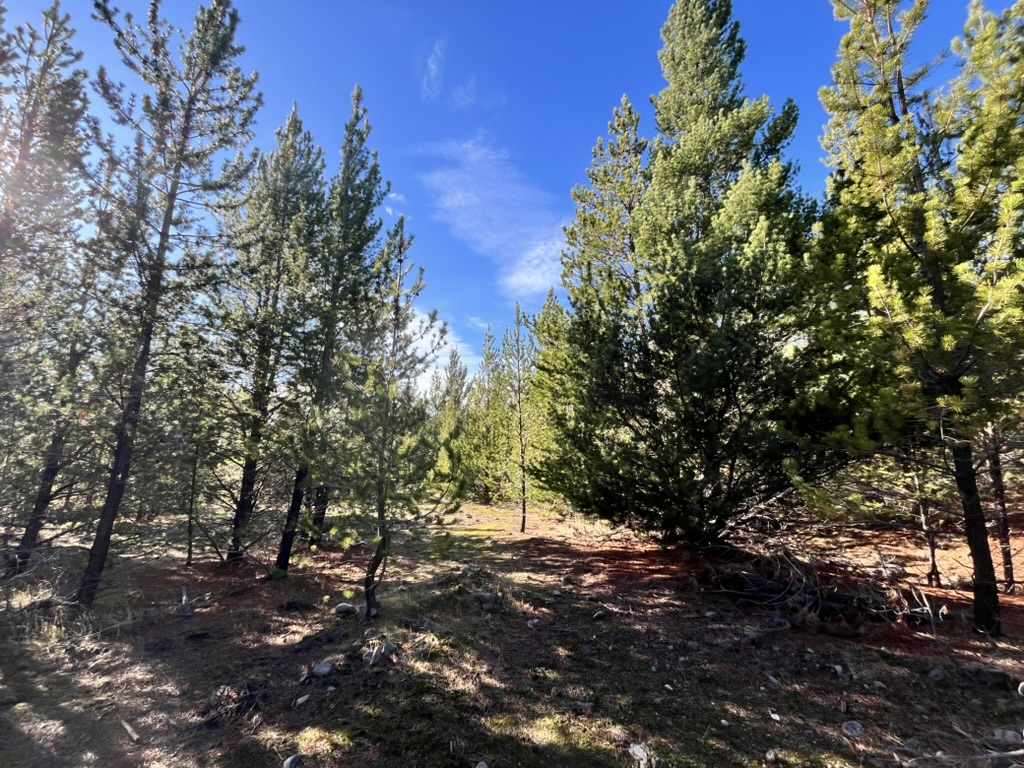
Comparison with Native Pine: Araucaria
It is important to clarify that the araucaria or pehuén, although commonly called “pine” locally, does not belong to the genus Pinus. It is a native tree with great cultural value for indigenous peoples and a key role in the Patagonian ecosystem.
We will soon publish a specific article about Araucaria in Patagonia, exploring its history, ecology, and conservation.
Conclusion
Introduced pines in Patagonia, especially ponderosa and radiata pines, are pillars of the regional forestry industry due to their fast growth and commercial value. However, their invasive nature and impacts on native ecosystems pose significant environmental challenges. Implementing public policies, sustainable management, and integrating productive systems can help balance timber production with natural heritage conservation. Distinguishing them from the native araucaria highlights Patagonia’s unique biological richness that deserves protection and respect.
Frequently Asked Questions
- What are the most common pine species in Patagonia? Ponderosa pine and radiata pine are the predominant introduced species used in forestry.
- Why is introduced pine considered a pest? Because it invades native ecosystems, displaces native flora, and alters biodiversity.
- How does pine affect Patagonian soil? It acidifies the soil, competes for nutrients, and promotes specific mycorrhizal fungi that favor its expansion.
- Is the araucaria a pine? No, it is a distinct native species with significant cultural and ecological value.
- What role do public policies play in forest management? They promote sustainable management, subsidies, thinning and pruning plans, and foster productive integration to preserve the ecosystem.