
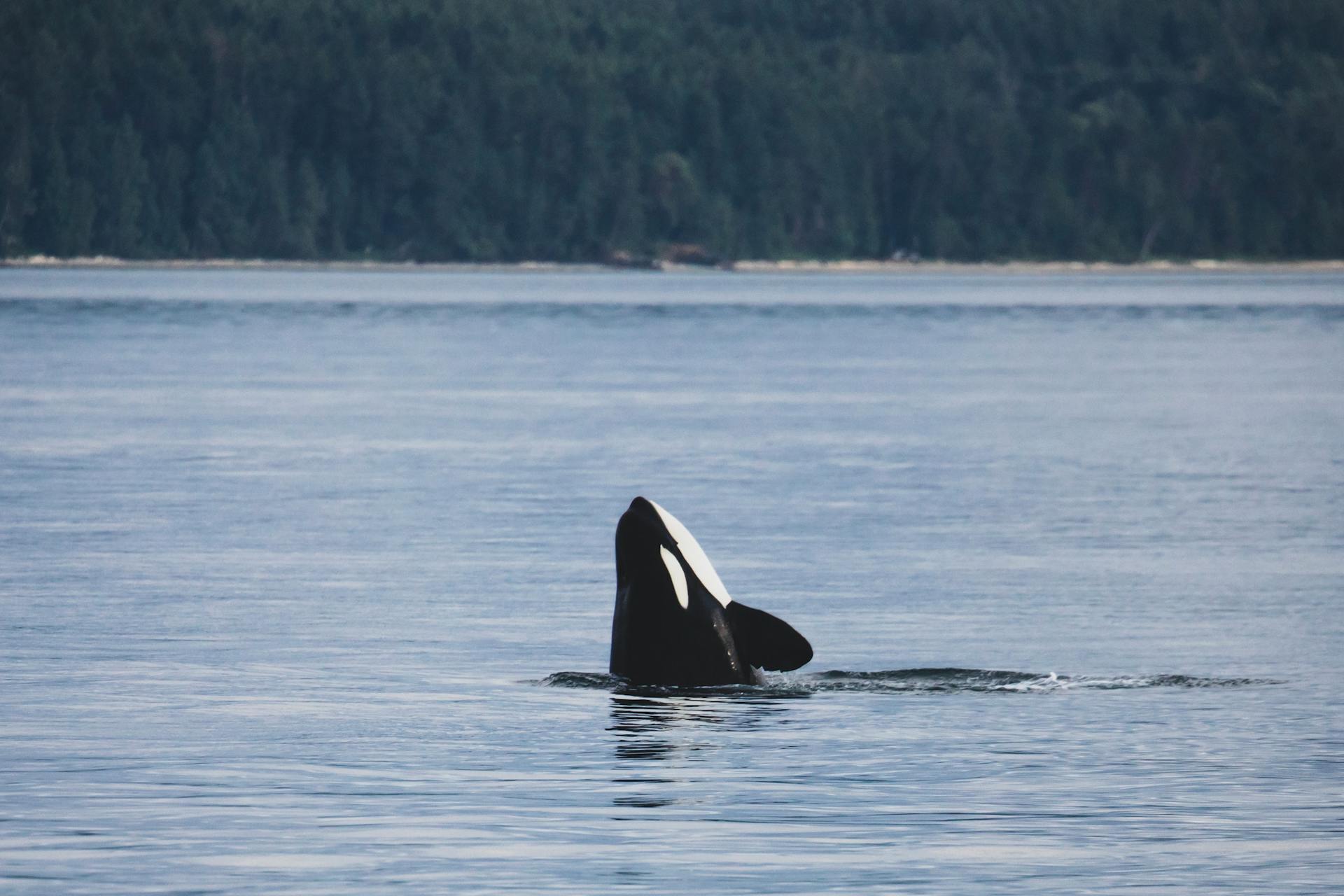
Patagonia, with its vast expanse of wild lands and seas, is home to one of the most enigmatic and fascinating creatures of the ocean: the orca (Orcinus orca). Commonly known as the “killer whale“, the orca in Patagonia has captured the attention of scientists, tourists, and local residents alike, not only for its size and hunting skills but also for its important role in the ecological balance of the Patagonian marine ecosystem. But what makes orcas so special in this region of the world?
What is an orca, and why is it called a “killer whale” in Patagonia?
Contrary to popular belief, orcas are not whales but the largest members of the dolphin family. Their name “killer whale” comes from ancient sailors who observed them hunting in organized groups, even attacking much larger whales. However, this reputation does not do justice to the complexity of their behavior. The orcas in Patagonia are highly social and intelligent animals, with complex social structures and rich vocal communication that varies between groups.
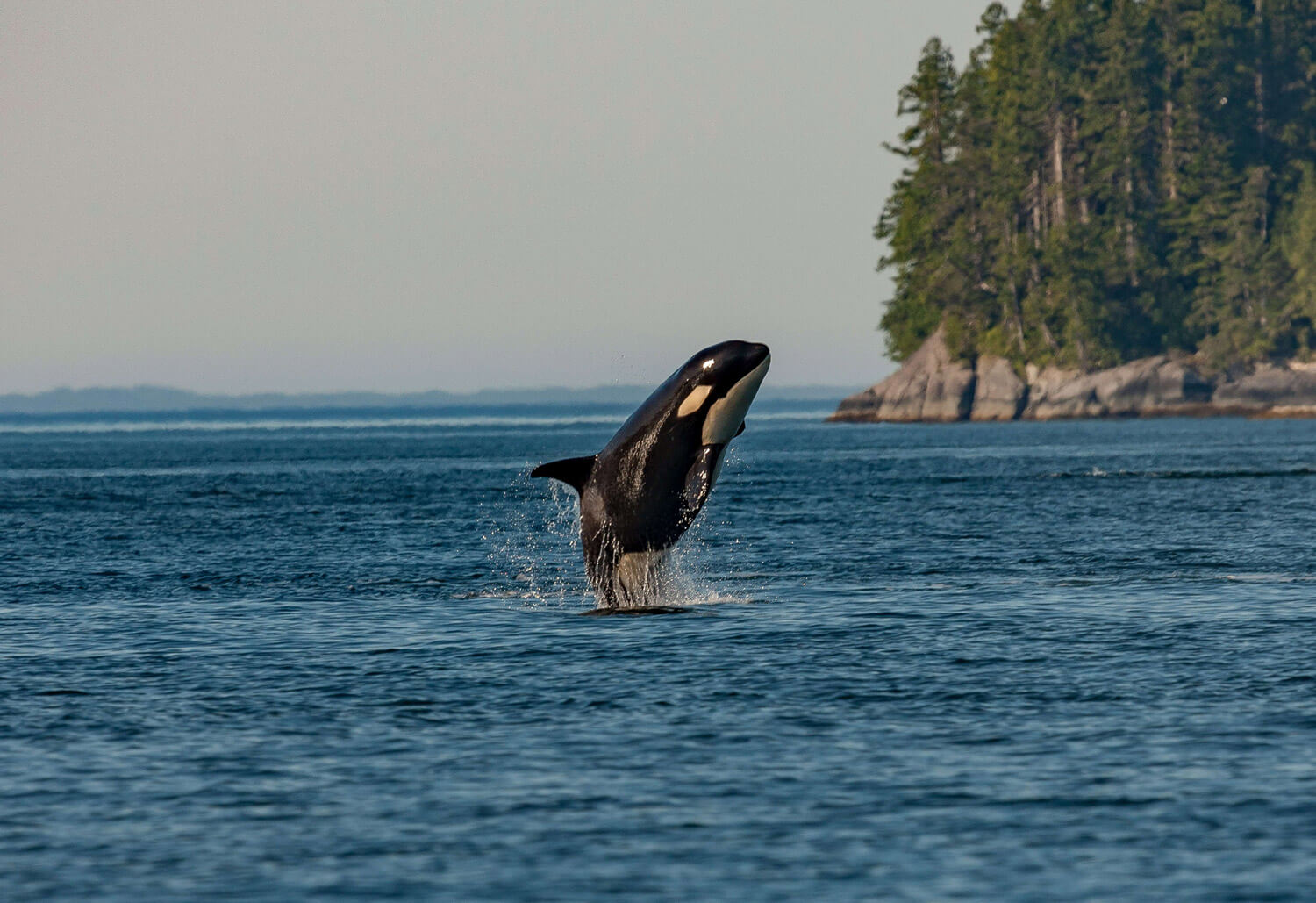
Orca Habitat in Patagonia: Valdés Peninsula and Beyond
The waters of the Valdés Peninsula in the province of Chubut are one of the most iconic places for orca watching. Here, orcas have developed a unique hunting technique known worldwide as “intentional stranding“, where they deliberately beach themselves to capture sea lion pups. This skill is passed down through generations, demonstrating the cultural sophistication of these creatures.
In addition to the Valdés Peninsula, orcas in Patagonia can also be spotted in other locations, such as the Strait of Magellan and the Fuegian channels. These areas provide a diverse habitat with deep, nutrient-rich waters ideal for feeding and reproduction.
Physical Characteristics of the Orca: Size, Weight, and Behavior
Orcas are majestic animals that can measure between 5 and 9 meters long. Males are larger than females, reaching up to 9 meters, while females typically measure between 5 and 7 meters. Regarding weight, males can weigh up to 6 tons, while females weigh around 3 to 4 tons.
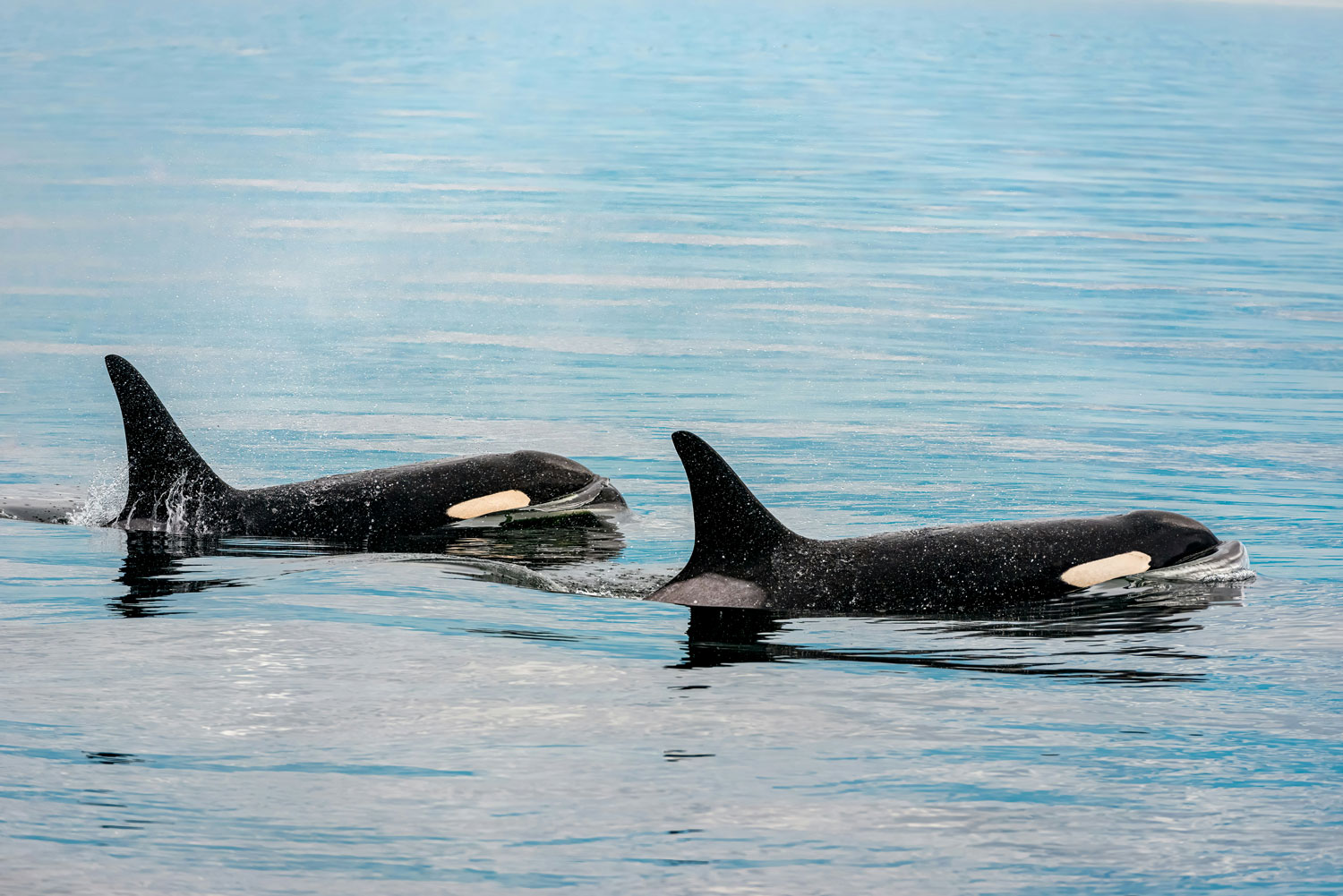
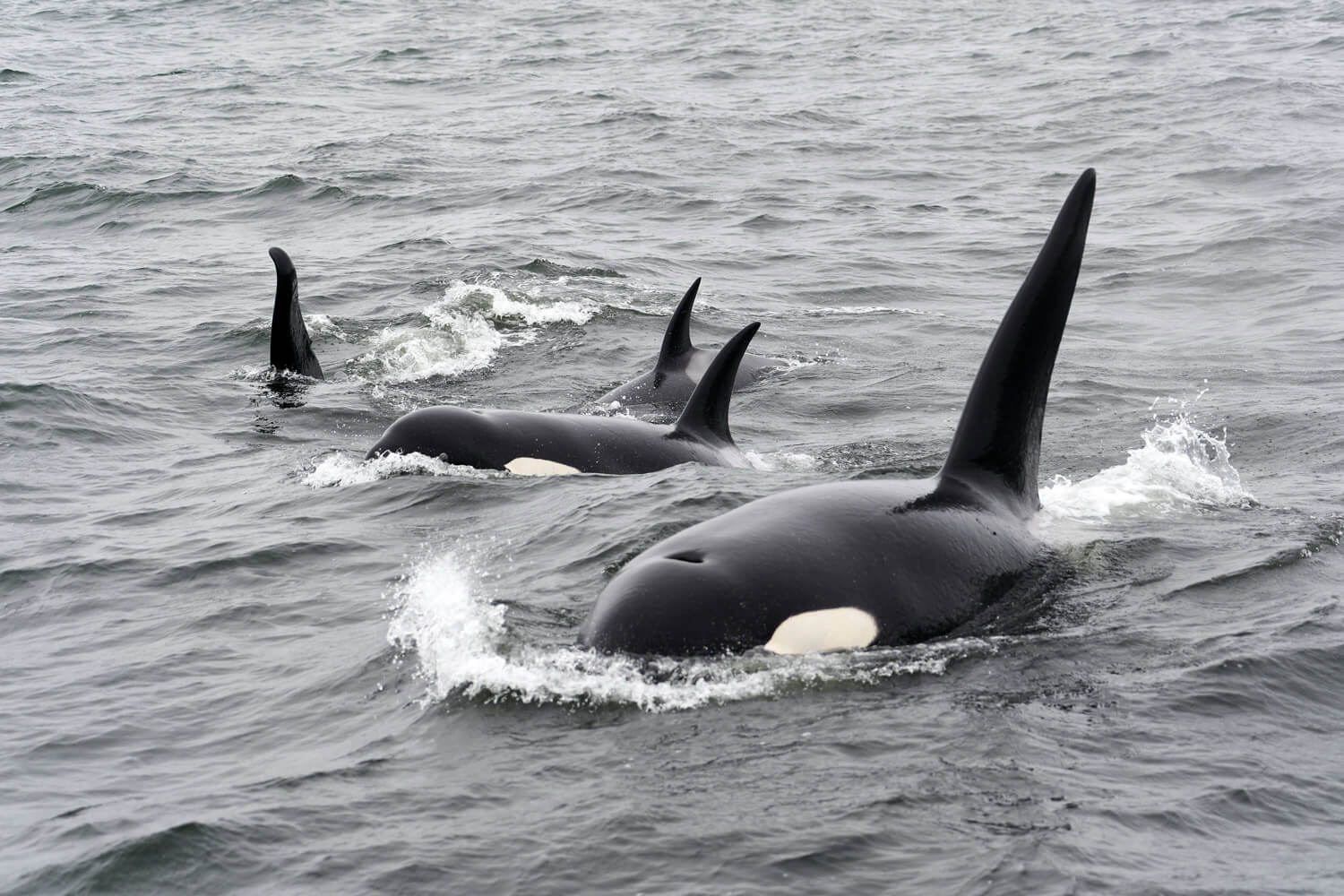
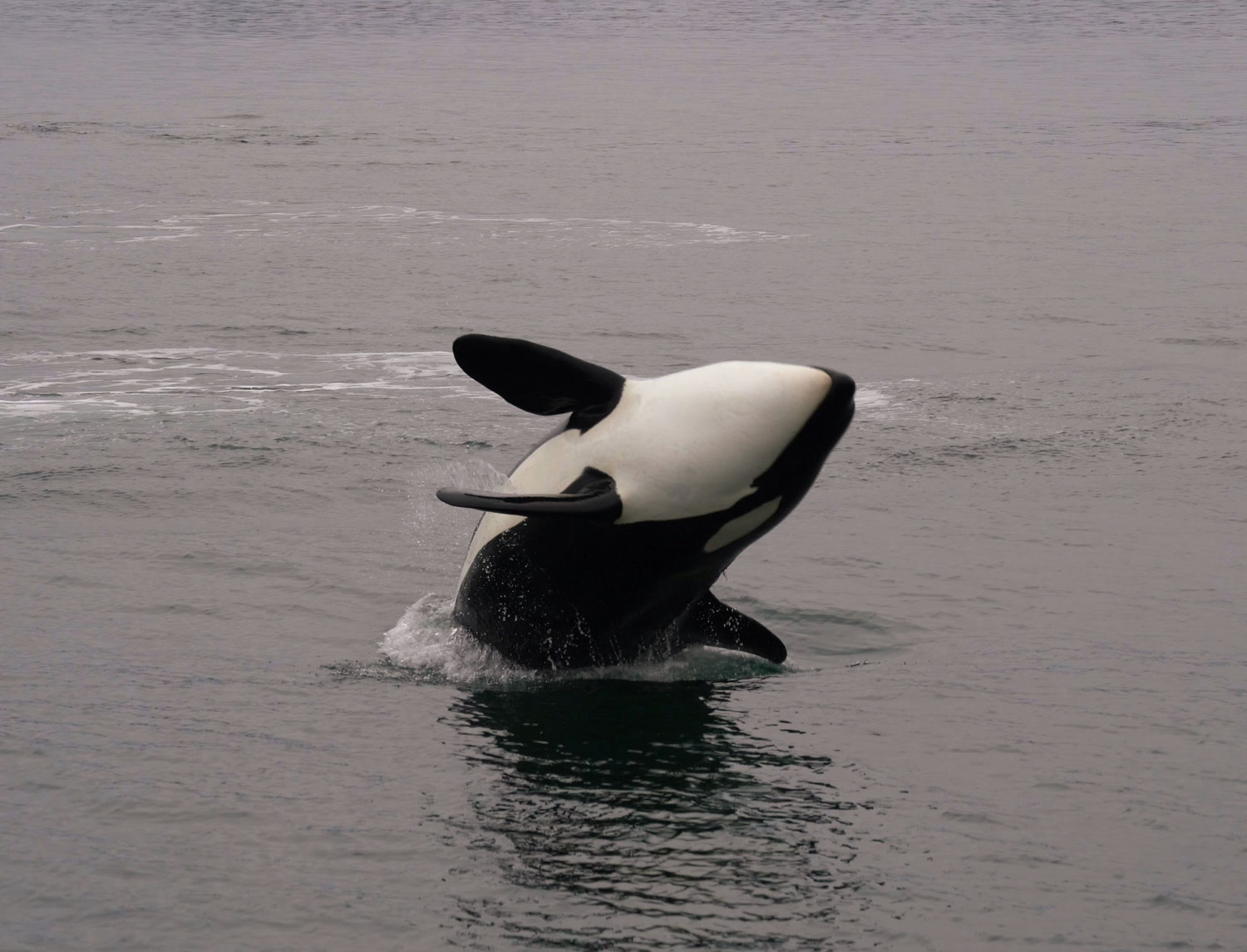
One of the most distinctive features of orcas is their dorsal fin, which in males can reach up to 1.8 meters in height. Additionally, orcas have a unique coloration: a black body with white patches on the underside and behind the eyes, allowing them to camouflage in the water while hunting.
- Lifespan: In the wild, they can live between 30 and 50 years, although some orcas have reached 90 years.
- Lungs: As marine mammals, they have lungs and must surface regularly to breathe.
What do orcas eat in Patagonia?
In Patagonia, the diet of orcas varies depending on prey availability. Their diet mainly includes sea lions, elephant seals, penguins, dolphins, and occasionally, seabirds. The orcas use different hunting techniques depending on the type of prey. In the Valdés Peninsula, for example, they use intentional stranding to capture sea lions on the coast.
Another observed technique is the “intentional wave“, where several orcas swim together, creating a large wave to knock seal pups off the ice. This behavior not only highlights their hunting skills but also their capacity for cooperation and communication within the group.
Relationship between orcas in Patagonia and humans
While orcas are known as “killer whales“, there are no records of fatal attacks on humans in the wild. In captivity, however, stressful conditions have led to incidents with trainers. In Patagonia, orcas are a major tourist attraction, especially in the Valdés Peninsula, where orca sightings attract thousands of visitors each year.
The tourism impact is positive for the local economy, but it also poses challenges in terms of conservation. The growing popularity of whale watching tourism requires strict regulations to ensure that orcas are not disturbed during their hunting and natural activities.
Conservation of orcas in Patagonia
Orcas, as apex predators, are fundamental to the ecological balance of the ocean. However, they face significant threats due to water pollution, climate change, and overfishing, which reduces the availability of prey. The Valdés Peninsula has been declared a World Heritage Site by UNESCO, providing additional protection, but ongoing efforts are needed to mitigate human impacts.
Moreover, the study and research of orcas in Patagonia are essential for their conservation. Programs like the Cetacean Research Project and the monitoring of orca populations provide valuable information to better understand their behavior, migration patterns, and habitat needs.
How long do orcas live, and why is it important to protect them?
Orcas can live several decades in the wild. Females, in particular, tend to have a longer life expectancy than males, averaging between 50 and 80 years. This long lifespan means that orcas play a crucial role in passing down knowledge and hunting techniques to younger generations.
Protecting orcas means safeguarding a significant component of the marine ecosystem. Their role as apex predators helps maintain balance in other species’ populations, which in turn keeps the overall health of the ocean. Additionally, the presence of orcas in Patagonia promotes responsible and conscious tourism, which can be a driver for regional conservation.
Want to hear the sounds of this animal?
Imagine being in the heart of Patagonia, surrounded by nature, and hearing the unique calls of a killer whales in the wild. We’ve included a video where you can listen to its incredible sounds and feel the connection with Patagonia’s wildlife. Hit play and enjoy this interactive experience!
Conclusion
Orcas in Patagonia are much more than a spectacle for tourists; they represent the richness and diversity of marine life in the South Atlantic. From their impressive hunting skills to their complex social life, orcas are key to understanding the Patagonian marine ecosystem. Protecting these magnificent creatures is a shared responsibility that ensures future generations can continue to admire their beauty and their importance in nature.
Frequently Asked Questions
1. What exactly are orcas, and why are they called “killer whales”?
Despite their common name, orcas are not actually whales but rather the largest members of the dolphin family. The term “killer whale” originated from ancient sailors who witnessed orcas hunting cooperatively in groups and even attacking much larger whales, though this reputation doesn’t fully capture their complex and intelligent behavior.
2. Where in Patagonia can I see orcas in the wild?
The Valdés Peninsula in Chubut Province is one of the most iconic locations for orca watching in Patagonia. This region’s waters are home to orcas that have developed distinctive hunting behaviors and social structures found nowhere else in the world.
3. What is the famous “intentional stranding” hunting technique?
Orcas in the Valdés Peninsula have developed a unique and sophisticated hunting method called intentional stranding, where they deliberately beach themselves to capture sea lion pups. This remarkable skill is passed down through generations, demonstrating the cultural knowledge transfer within orca populations.
4. How intelligent and social are Patagonian orcas?
Orcas in Patagonia are highly intelligent and social animals with complex social structures and rich vocal communication systems that vary between different groups. Their sophisticated behavior patterns and group dynamics make them one of the ocean’s most fascinating creatures.
5. What role do orcas play in Patagonia’s marine ecosystem?
Orcas are crucial to maintaining the ecological balance of the Patagonian marine ecosystem as apex predators. Their presence and hunting behaviors significantly influence the populations and behaviors of other marine species throughout the region.
6. Why have Patagonian orcas captured so much scientific and tourist attention?
Orcas in Patagonia fascinate scientists, tourists, and local residents due to their impressive size, sophisticated hunting skills, and unique behaviors found nowhere else on Earth. Their complex intelligence and cultural transmission of hunting techniques make them subjects of ongoing research and natural history interest.