
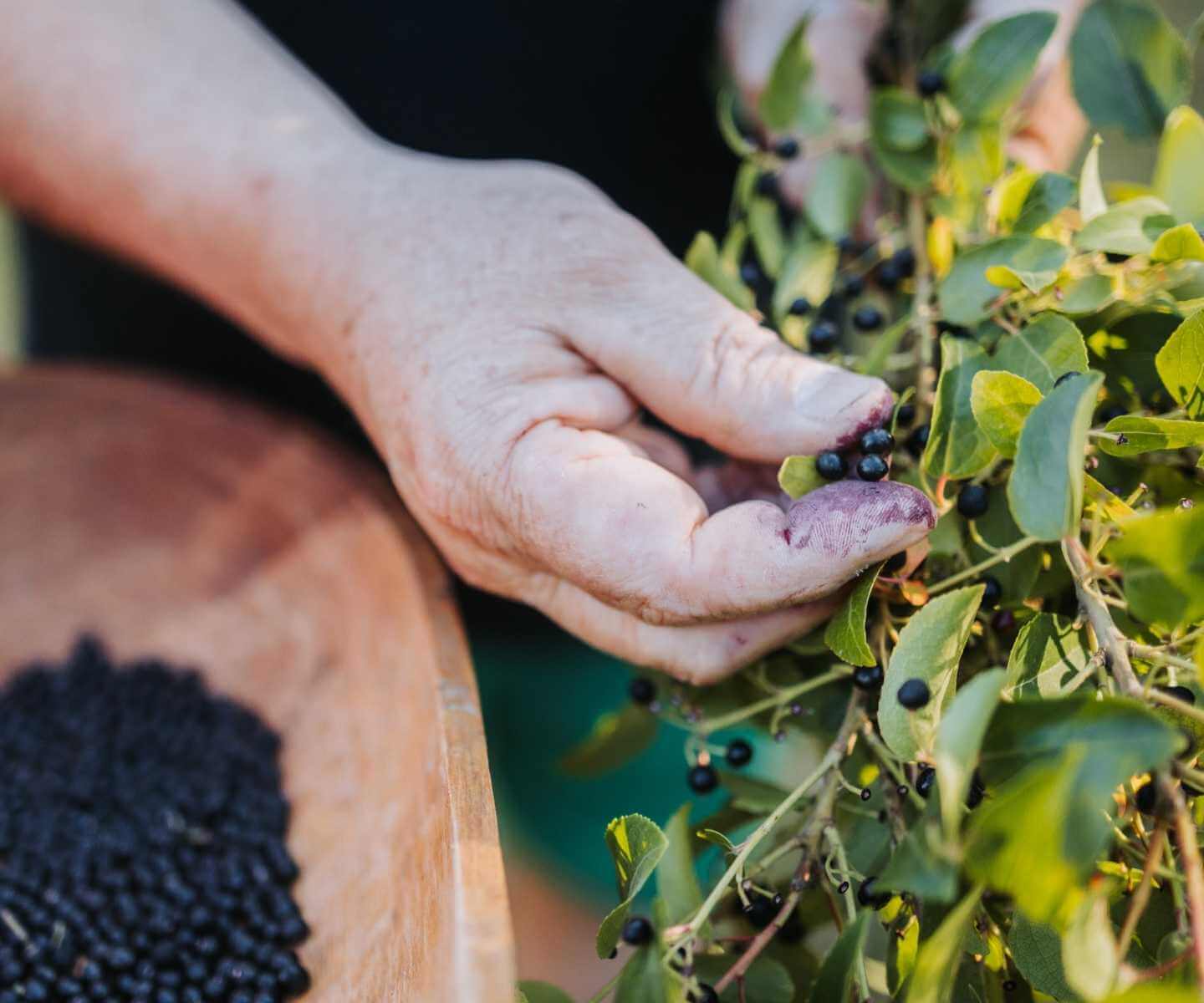
The maqui berry is a small, vibrant purple fruit that grows wild in the temperate forests of Chile and Argentine Patagonia. For centuries, it has been integral to the daily life of Mapuche communities, serving as food, medicine, and a natural dye. Today, this Patagonian berry has gained global recognition as a “superfood” due to its rich content of polyphenols and anthocyanins, but behind this trend lies a deep connection to the southern landscapes, culture, and forests.
This article offers a comprehensive look at the maqui in Patagonia: what it is, where it grows, what science says about its properties, how it’s consumed, and the challenges its rising demand poses to local ecosystems.
What is the Maqui Berry?
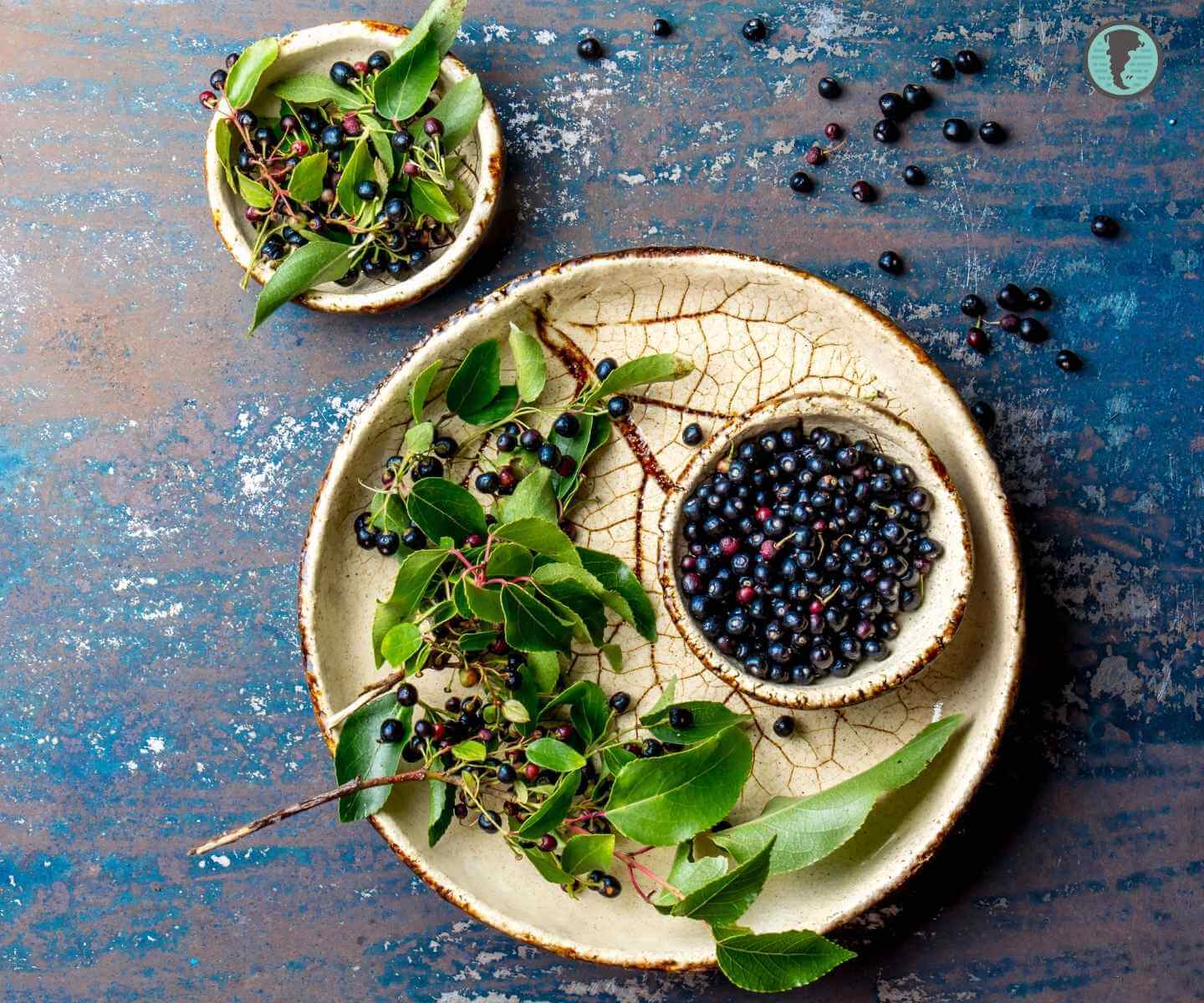
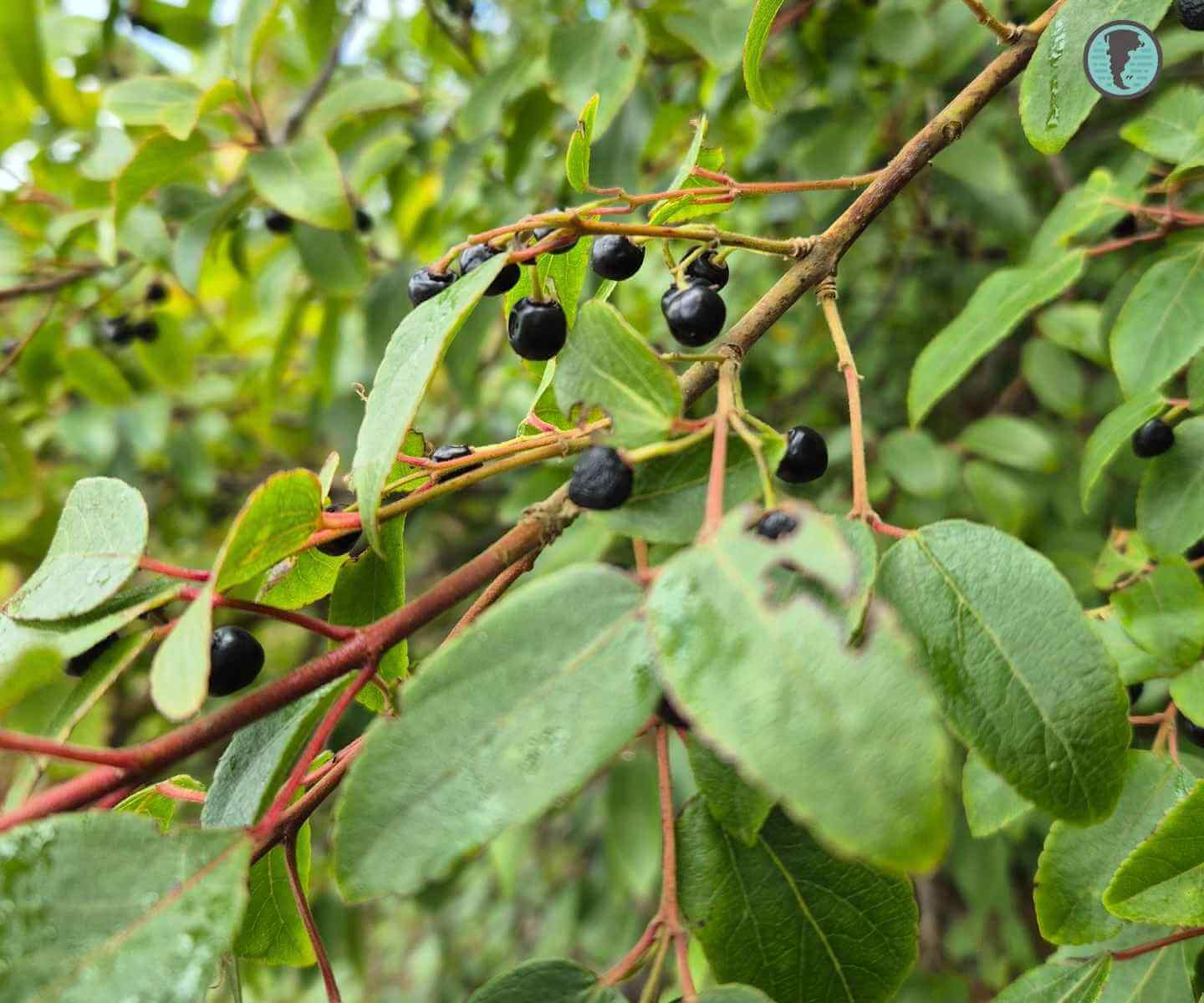
Aristotelia chilensis, commonly known as the maqui berry, is an evergreen tree or shrub native to southern Chile and Argentine Patagonia. Reaching 3 to 5 meters in height, it features glossy green leaves, small flowers, and round, deep purple-to-black fruits with a sweet yet tangy flavor.
Internationally, it’s often called Chilean wineberry. Today, the fruits are enjoyed fresh, dried, or as powder, and are used in juices, teas, capsules, and various products capitalizing on their vivid color and bioactive profile.
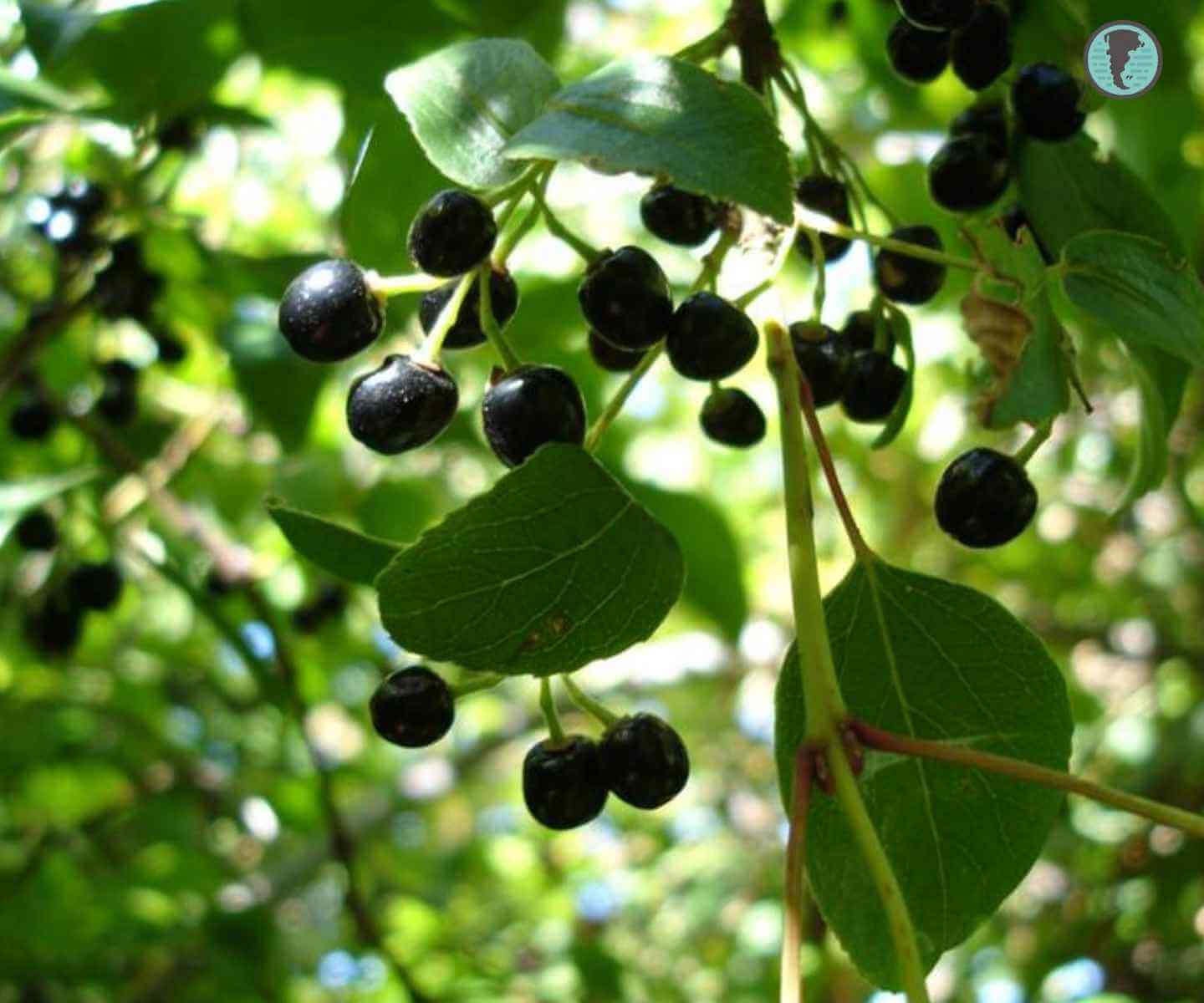
Fun Fact: This plant is a pioneer species, helping to regenerate forests by colonizing degraded soils and paving the way for other native trees in southern Chile and Patagonia.
The Maqui Berry in Patagonia
Distribution and Habitat
In Chile, it thrives in temperate rainforests from central regions southward, along the Valdivian rainforest corridor. In Argentina, it is found in the Andean-Patagonian region, from Neuquén to northern Chubut, favoring humid slopes and secondary forests.
It often forms the understory in coihue forests and can dominate areas in dense, almost pure stands known as macales, which color the landscape when the fruit ripens.
Ecological Role in Andean Forests
Beyond adding structure, the fruit is a crucial late-summer food source for birds, which in turn disperse its seeds, aiding forest regeneration. Its resilience makes it valuable for ecological restoration projects, provided local genetic stock is used.
When is Maqui Harvested?
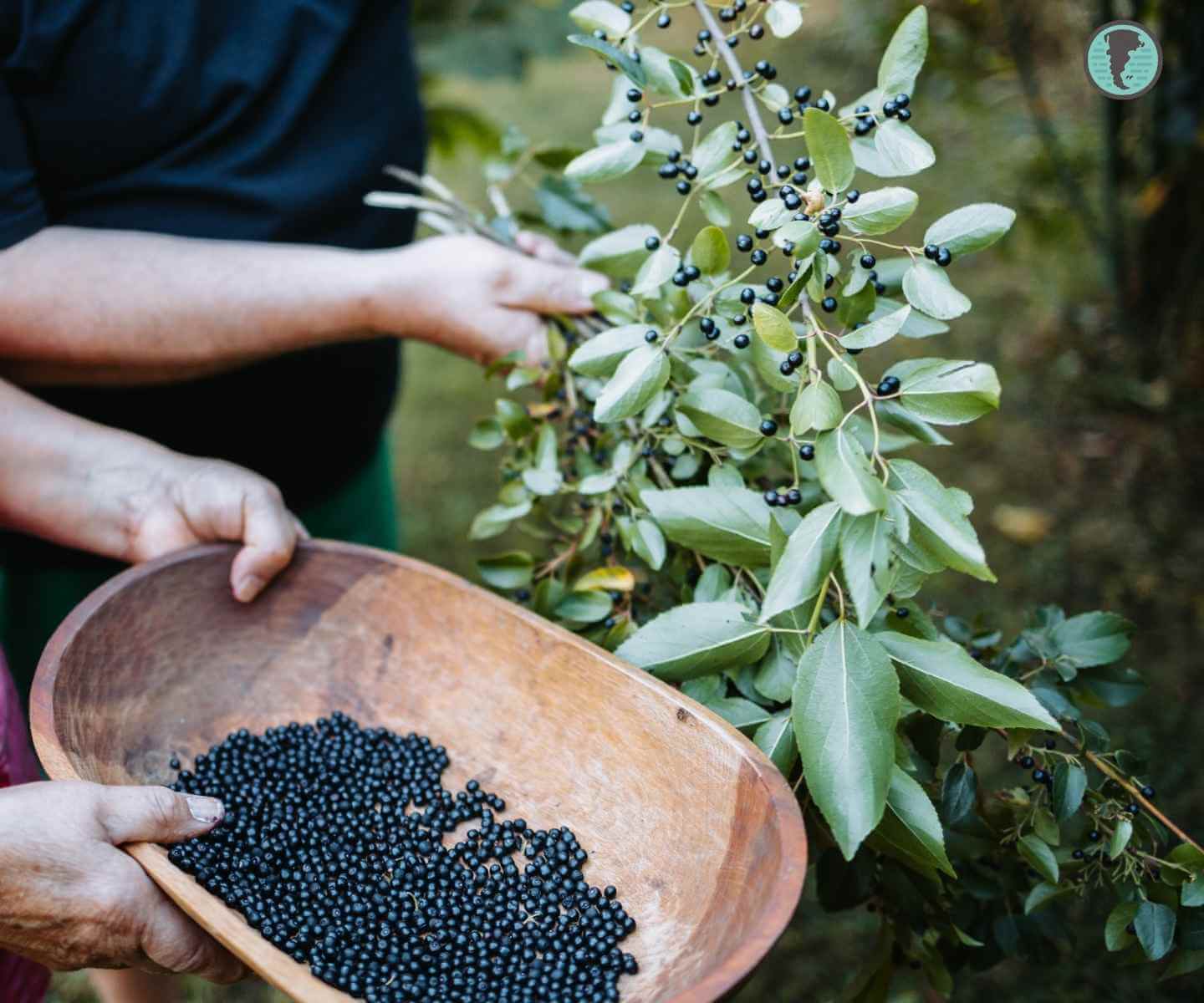
The harvest takes place in late summer, typically from late January to March. Timing varies with latitude and climate. The ideal moment is when berries turn deep purple, become soft, and release intense juice, indicating peak antioxidant levels. Harvesting is done manually, often using traditional methods to select only ripe fruit.
The Berry and Mapuche Culture
For the Mapuche people, this plant is multifunctional. Its fruits and leaves are used as food, medicine, and dye. A traditional fermented drink, chicha de maqui, is made from the fruit, along with juices, preserves, and natural colorants.
Mapuche medicine attributes anti-inflammatory and analgesic properties to it, knowledge that now intersects with modern scientific research on its compounds.
Did you know? It remains a symbol of health and fertility in Mapuche culture and is still wild-harvested by many families in the region.
Nutritional Properties and Bioactive Compounds
The berry’s reputation stems largely from its high concentration of phenolic compounds, particularly anthocyanins like delphinidin, which give it its color and potent antioxidant capacity.
- Anthocyanins (primarily delphinidin and cyanidin derivatives).
- Other antioxidant polyphenols.
- Dietary fiber, vitamins, and minerals.
Leaves also contain bioactive compounds, including alkaloids, under study for various physiological effects.
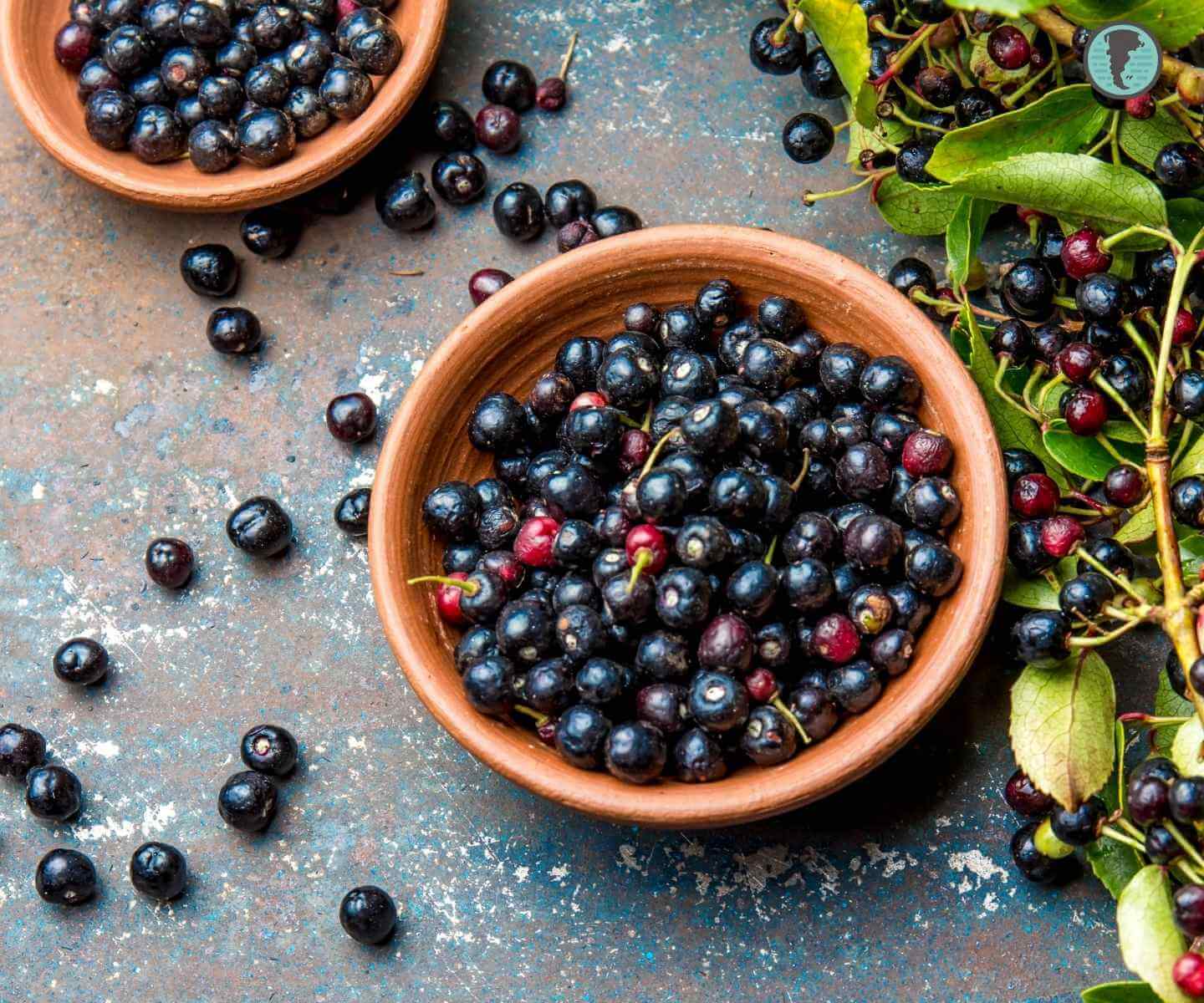
Health and the Maqui Berry: What the Science Says
Interest in its health benefits is growing. Recent studies on standardized extracts show promise but are often preliminary, involving small groups or short durations. It’s crucial to note that it is a food or supplement, not a medicine, and does not replace professional medical treatment.
Antioxidants and Inflammatory Response
Research focuses on its anthocyanins’ ability to combat oxidative stress and modulate inflammation. Some trials note positive changes in relevant markers, but results require further validation.
Blood Sugar and Cardiovascular Health
Studies on delphinidin-rich extracts suggest a potential role in improving glucose metabolism and lipid profiles. While findings are encouraging, more robust clinical evidence is needed before specific health claims can be made.
In short, it may complement a healthy diet but is not a standalone treatment for metabolic or heart conditions.
Eyes, Kidneys, and Other Research
- Eye Health: Early research points to benefits for dry eye symptoms.
- Kidney Function: Potential nephroprotective effects are being explored in preclinical models.
- Other Areas: Investigations into metabolic and neurological health are ongoing but not yet conclusive for human application.
Important: Despite its “superfood” label, scientists agree that more long-term human trials are necessary to confirm benefits, optimal doses, and safety.
How to Consume Maqui
Fresh Fruit and Traditional Uses
Locally, the fresh berry is eaten straight or used in:
- Juices and fermented chicha.
- Jams, sweets, and sauces.
- Desserts and naturally colored baked goods.
- As a vibrant natural dye.
Powder and Supplements
Globally, it is available as powder, freeze-dried fruit, extracts, and capsules. The powder blends easily into:
- Smoothies, yogurts, and breakfast bowls.
- Baked goods and energy bars.
When choosing supplements, verify ingredients and origin, avoid miraculous claims, and consult a doctor if you have health conditions or are pregnant.
Timeline in Patagonia
- Pre-Hispanic Era: A staple in Mapuche diet and medicine.
- 19th Century: Formal botanical description as Aristotelia chilensis.
- Late 20th Century: Scientific analysis of its antioxidants begins.
- Early 21st Century: Gains international “superfood” status; research expands.
- Present: Cultivation and sustainable wild harvest models develop for global markets.
Sustainability in Patagonian Forests
Much commercial supply comes from wild harvesting. This supports rural incomes but, if unmanaged, can strain native forests and wildlife. Efforts are underway to develop sustainable cultivation to reduce pressure on wild stands, balancing conservation with ethical economic use.
Tips for Safe Consumption
- Choose products with transparent sourcing.
- Follow recommended dosages; more isn’t always better.
- Consult a healthcare provider if you have diabetes, kidney issues, or are on medication.
- Exercise caution with concentrated extracts during pregnancy or breastfeeding.
- Do not use it to replace prescribed treatments.
Enjoy it as part of a varied diet, not a miracle cure.
Conclusion
The maqui berry is more than a trend. It is a native Patagonian plant, ecologically vital and culturally significant. Its fruit offers a rich source of antioxidants, with promising but preliminary health research. Its true value lies in being appreciated as a traditional food, consumed with respect for the landscapes and communities that have sustained it for generations. The future challenge is to integrate it into the global market without compromising its wild origins and the health of Patagonian forests.
Frequently Asked Questions
1. What is a maqui berry?
It is the purple fruit of the Aristotelia chilensis plant, native to Patagonia, consumed for its flavor and antioxidants.
2. What are the main benefits of maqui berry?
It’s primarily a nutritious food high in antioxidants. Research is exploring potential effects on inflammation and metabolism, but it is not a proven medical treatment.
3. How do I use maqui powder?
Add it to smoothies, yogurt, or baking for color and nutrients. It should complement, not replace, a balanced diet.
4. Can maqui tea help with diabetes?
While some studies are investigating its impact on blood sugar, evidence is insufficient. It should not replace diabetes medication or dietary management.
5. Are there any risks?
The fresh fruit is safe in normal dietary amounts. Concentrated supplements require caution; consult a doctor if you have health conditions or are pregnant.
Suggested sources for more information: