
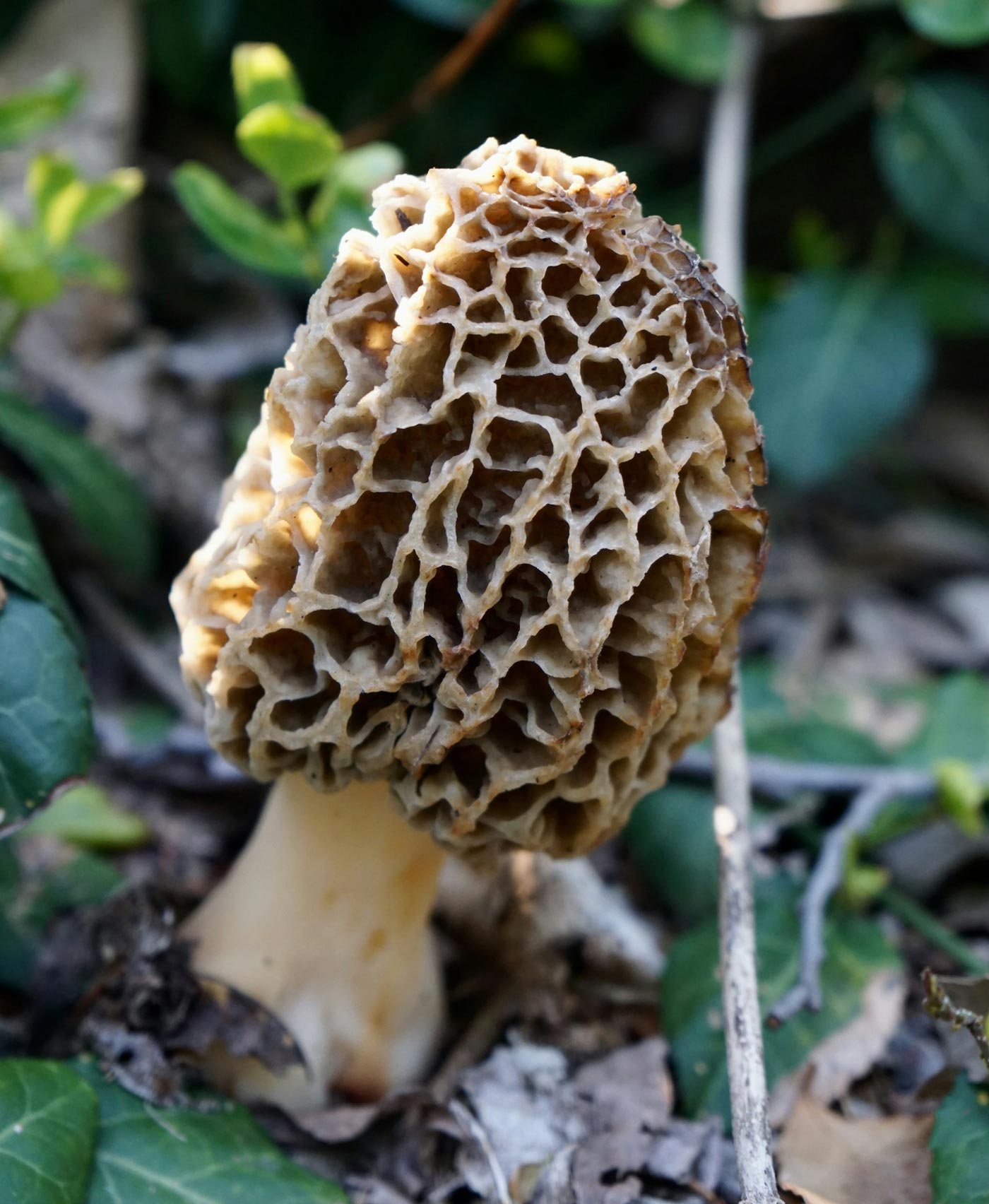
The morel mushroom growing season is relatively short, varying by region. In the Southern Hemisphere, they appear from mid-September to late October, while in the Northern Hemisphere the season extends from late March to early May, coinciding with the start of spring.
Location and Season for Morels
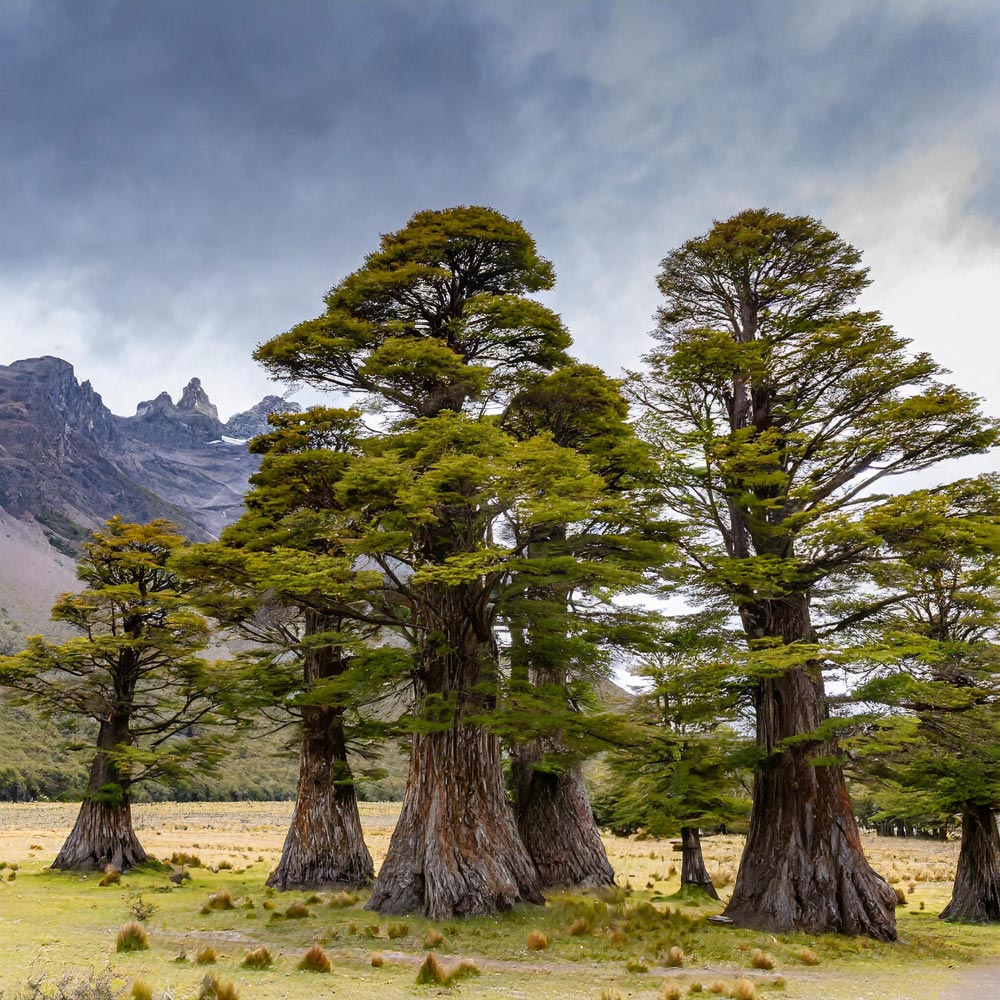
Morels thrive in various parts of the world, such as the Andean Patagonia, particularly in the cypress forests (Austrocedrus chilensis). The emergence of these fungi following soil warming and under a welcoming sun in a cypress forest marks the beginning of an exciting search.
Distinctive Features of Morels
Belonging to the genus Morchella, morels begin their life cycle by releasing spores into the environment when conditions are favorable. This symbiotic relationship with their environment is not only fascinating from a biological viewpoint, but also contributes to the unmistakable flavor and texture of the morels.
How Much Do Morels Cost?
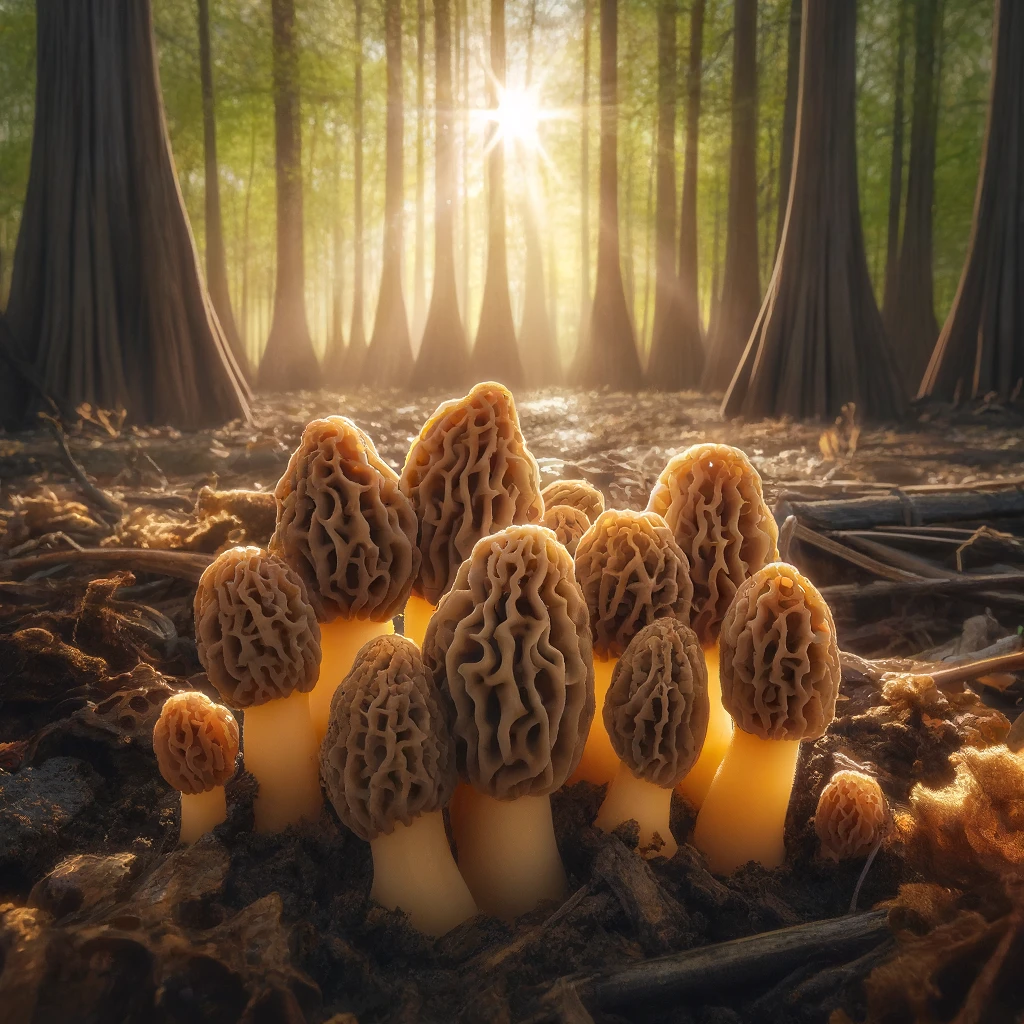
Their difficult manual collection takes place in a natural and chemical-free environment, in one of the last pollution-free regions of the planet. Their wild state increases their selling price, both due to the difficulty of collection and transportation. The price of morels can be quite high, although prices fluctuate according to the season and availability.
Tips for Successful Morel Hunting
- Identify areas with cypress. Familiarize yourself with areas where morels are more likely to grow.
- Early spring is ideal for their search, after the soil has warmed up.
- Look for signs like recently burned areas or forests with certain trees, indicative of nutrient-rich soils.
- Avoid excessive collection to make their encounter easier.
- Use clean tools to cut the mushrooms, maintaining their integrity.
Sustainable Practices in Morel Harvesting
Adopting conscious collection methods is vital to preserve morels and their ecosystem, ensuring their availability for future generations. Being respectful of the environment, connecting more deeply with the fungi kingdom.
- Leaving some mushrooms uncollected promotes regeneration and preserves their population.
- Do not leave trash: keep the environment clean, avoiding habitat alteration.
- Collect with respect and care, showing consideration for nature.
Guide for Post-Harvest Conservation of Morels
- Immediately after collection, gently clean the mushrooms with cold water if necessary, generally not needed, allowing them to dry naturally.
- Spread the mushrooms out on a clean surface to air properly, avoiding excessive moisture.
- Whole mushrooms or cut as preferred, most do not cut them.
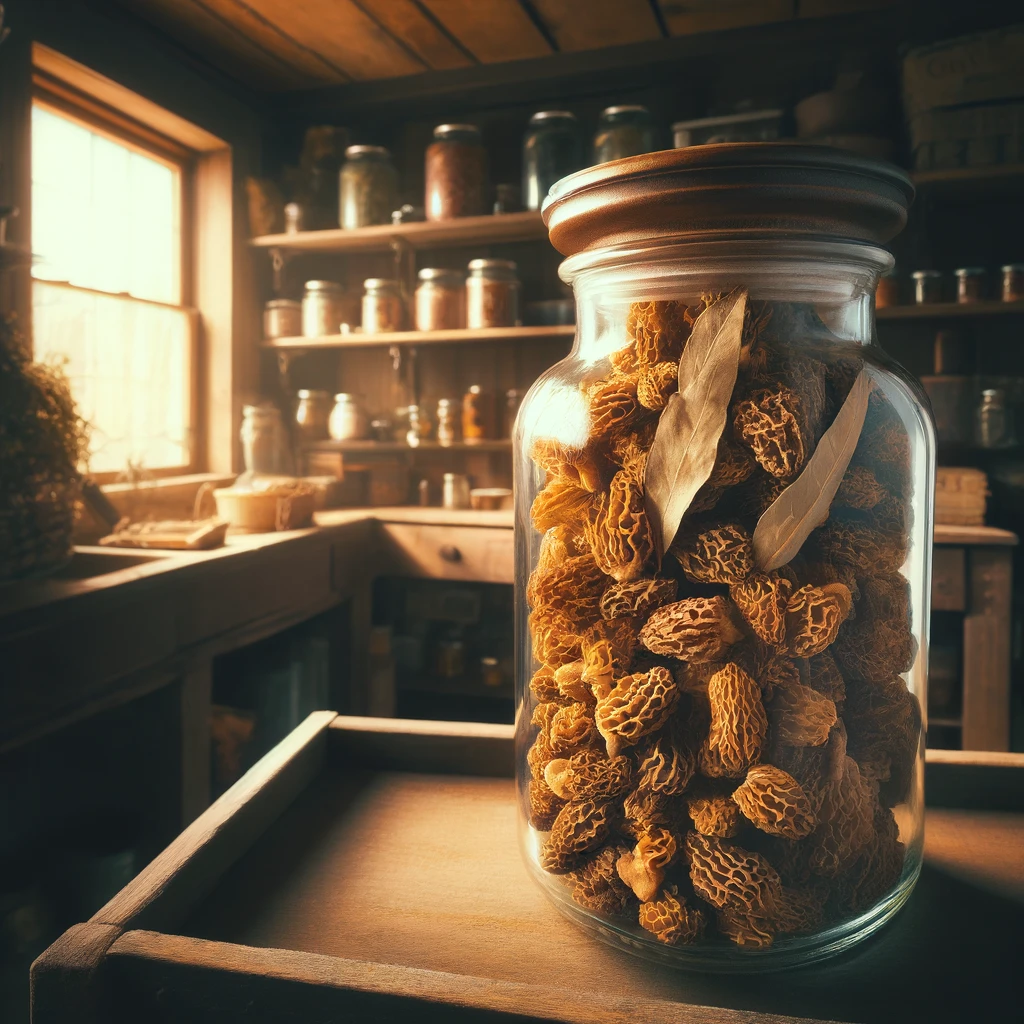
- Once they are completely dry, store in glass jars with a couple of bay leaves, in a cool, dark place.
What Makes Morels So Coveted in Gastronomy?
Morels, those enigmatic mushrooms from the Andean Patagonia, are distinguished by their unique flavor, distinctively earthy with a meaty texture, making them an exquisite ingredient. Unlike other varieties of mushrooms with a more viscous texture, morels offer an unparalleled culinary experience for simple or more sophisticated dishes.
Dishes with Morels Commonly Made in Patagonia
Below, we present some standout Patagonian recipes that will inspire you to include morels in your cooking.
Tagliatelle or Noodles with Cream and Morel Sauce
A broad ribbon pasta that serves as a base to enjoy the flavor of the sauce.
- Key ingredients: Tagliatelle or noodles, morels, cream, and optional garlic to not overpower the delicate flavor of the morels.
- Hydrate mushrooms with hot water in a bowl while preparing the sauce.
- Tip: use homemade pasta.

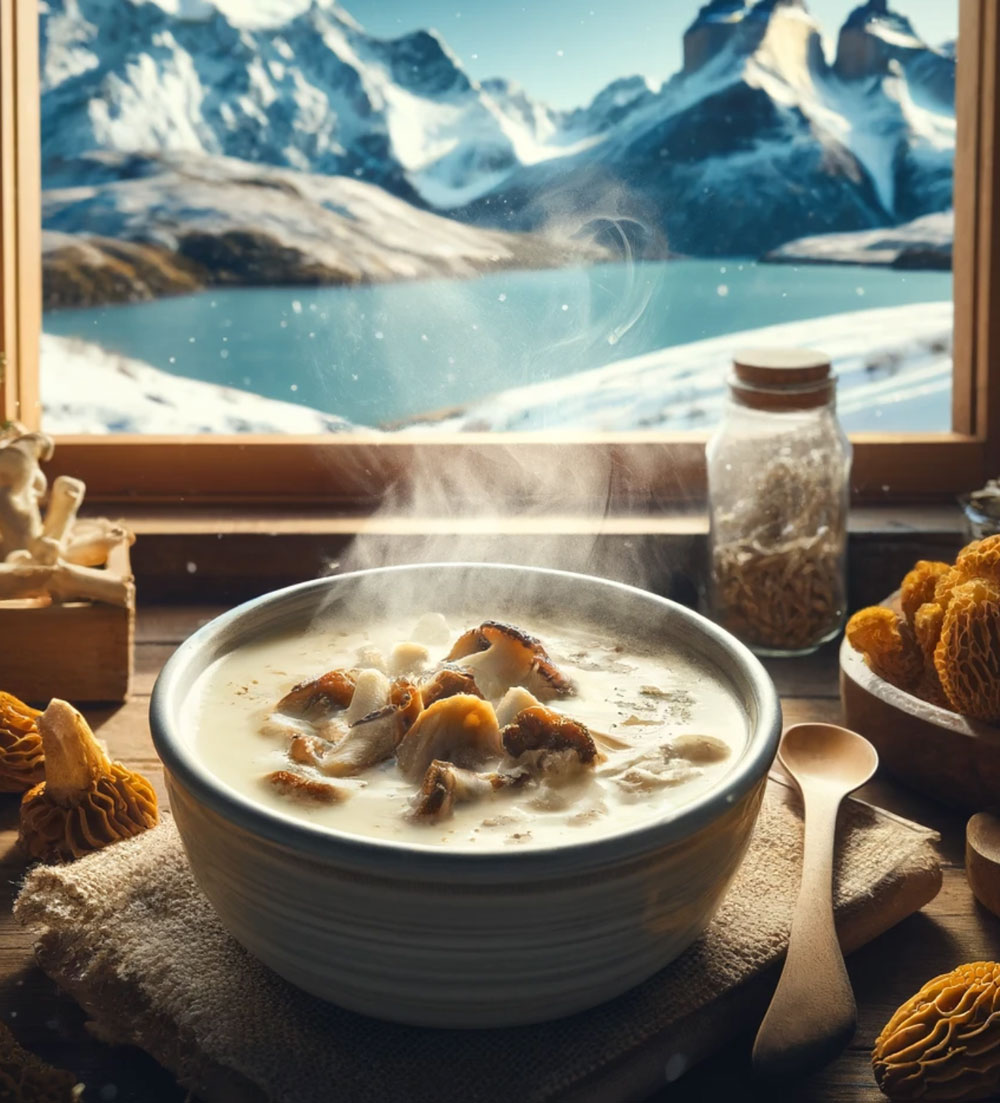
Creamy Morel Mushroom Soup
A creamy morel mushroom soup is the essence of comfort, offering a warm embrace with every spoonful, ideal for cold days.
- Key ingredients: Morels, vegetable broth, cream, onion.
- Preparation time: 35 minutes.
- Tip: Cook the morels with the soup over low heat to extract their maximum flavor.
Morel Ravioli
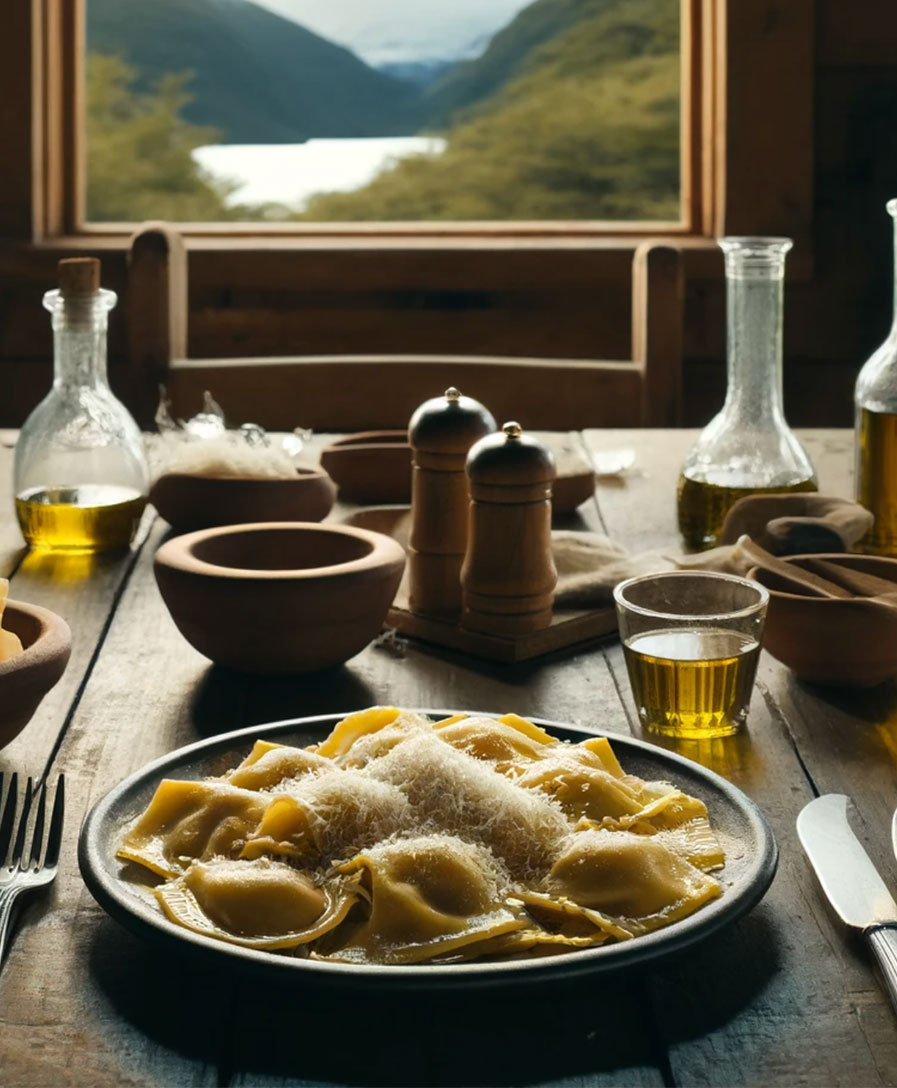
For a more adventurous endeavor, we recommend making ravioli or sorrentino dough and filling it with a morel mushroom and mozzarella paste.
- Key ingredients: rehydrated morels, mozzarella, olive oil.
- Tip: we recommend a basic sauce of mild olive oil to highlight the flavor of the stuffed pasta.
Frequently Asked Questions
1. When is the best time to hunt for morels in Patagonia?
In Patagonia’s Southern Hemisphere location, morels appear from mid-September to late October, marking the beginning of spring when soil warms and conditions become favorable for these fungi. This relatively short season makes timing essential for successful morel hunting in the region.
2. Where specifically do morels grow in Patagonia?
Morels thrive particularly in the cypress forests of Andean Patagonia, specifically among Austrocedrus chilensis (Patagonian cypress) trees. These forests provide the ideal symbiotic environment for morel growth and emergence.
3. What makes Patagonian morels taste different from other regions?
Patagonian morels develop their unmistakable flavor and texture through a unique symbiotic relationship with their pristine, pollution-free environment and the cypress forest ecosystem. This natural, chemical-free growing environment contributes to their distinctive taste profile.
4. Why are morels so expensive?
Morel prices are high due to the difficulty of manual collection in remote areas and the challenges of transportation from one of the planet’s last pollution-free regions. Prices fluctuate based on seasonal availability and the labor-intensive nature of harvesting these wild fungi.
5. How do morels reproduce and grow in Patagonian forests?
Morels belonging to the genus Morchella begin their life cycle by releasing spores into the environment when conditions are favorable, establishing a symbiotic relationship with their surroundings. This biological process is fascinating and directly influences the quality of the mushrooms that emerge.
6. What should I know before hunting morels in Patagonia?
Successful morel hunting requires identifying areas with cypress forests, as these are the primary habitat where Patagonian morels flourish. Understanding the specific growing conditions and season (mid-September to late October) is crucial for planning a productive foraging expedition.