
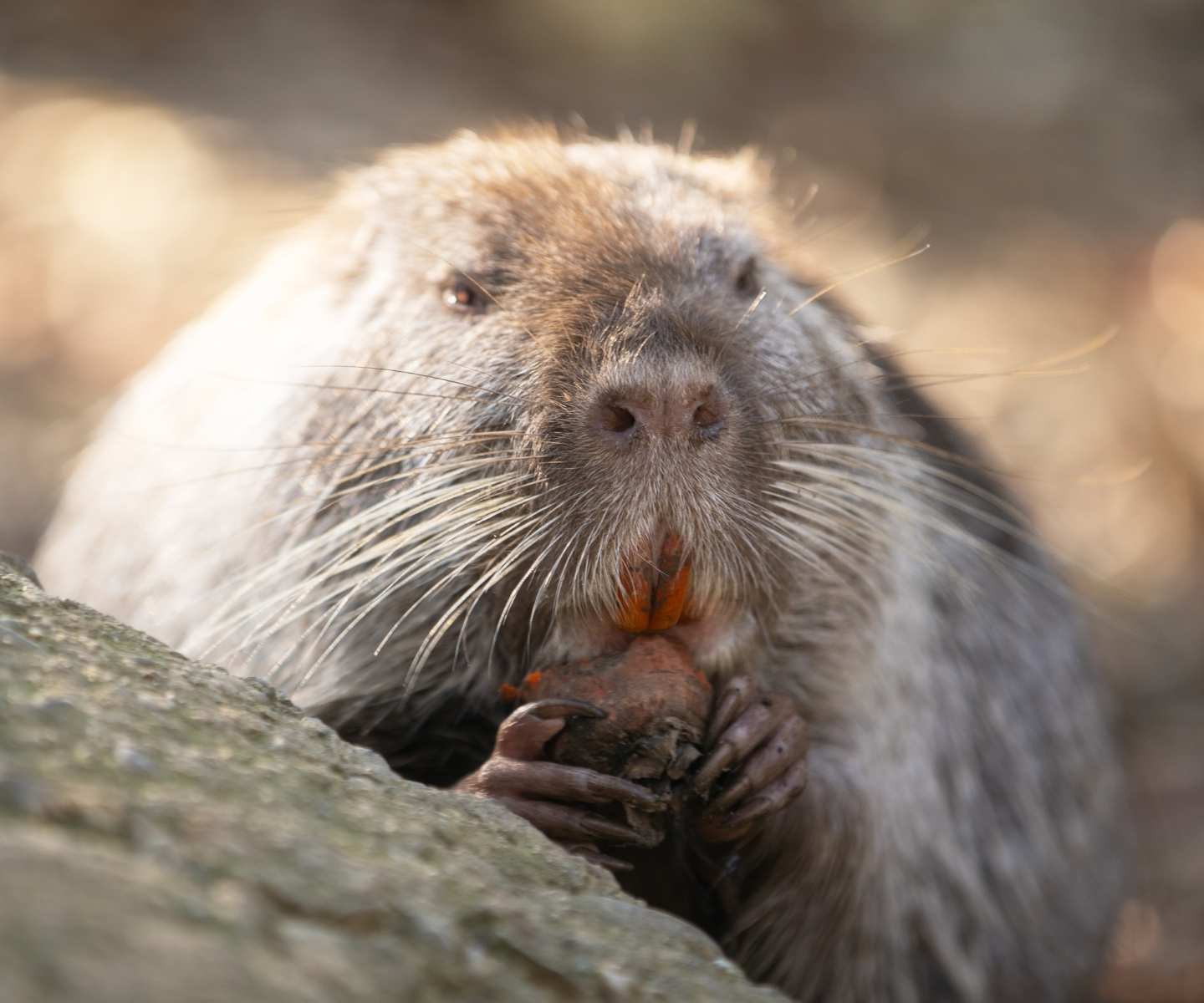
Deep in the pristine waterways of Patagonia, a remarkable rodent thrives in both Argentine and Chilean territories. The coipos, scientifically known as Myocastor coypus, represent one of the region’s most fascinating semi-aquatic mammals. Furthermore, these large rodents play a crucial role in maintaining the delicate ecosystem balance of Patagonian wetlands.
Also known as nutria, these impressive creatures have adapted perfectly to life along the rivers and lakes that define this spectacular landscape. Moreover, their unique characteristics and behaviors make them an essential species for wildlife enthusiasts exploring Argentine and Chilean Patagonia.
Physical Characteristics and Identification
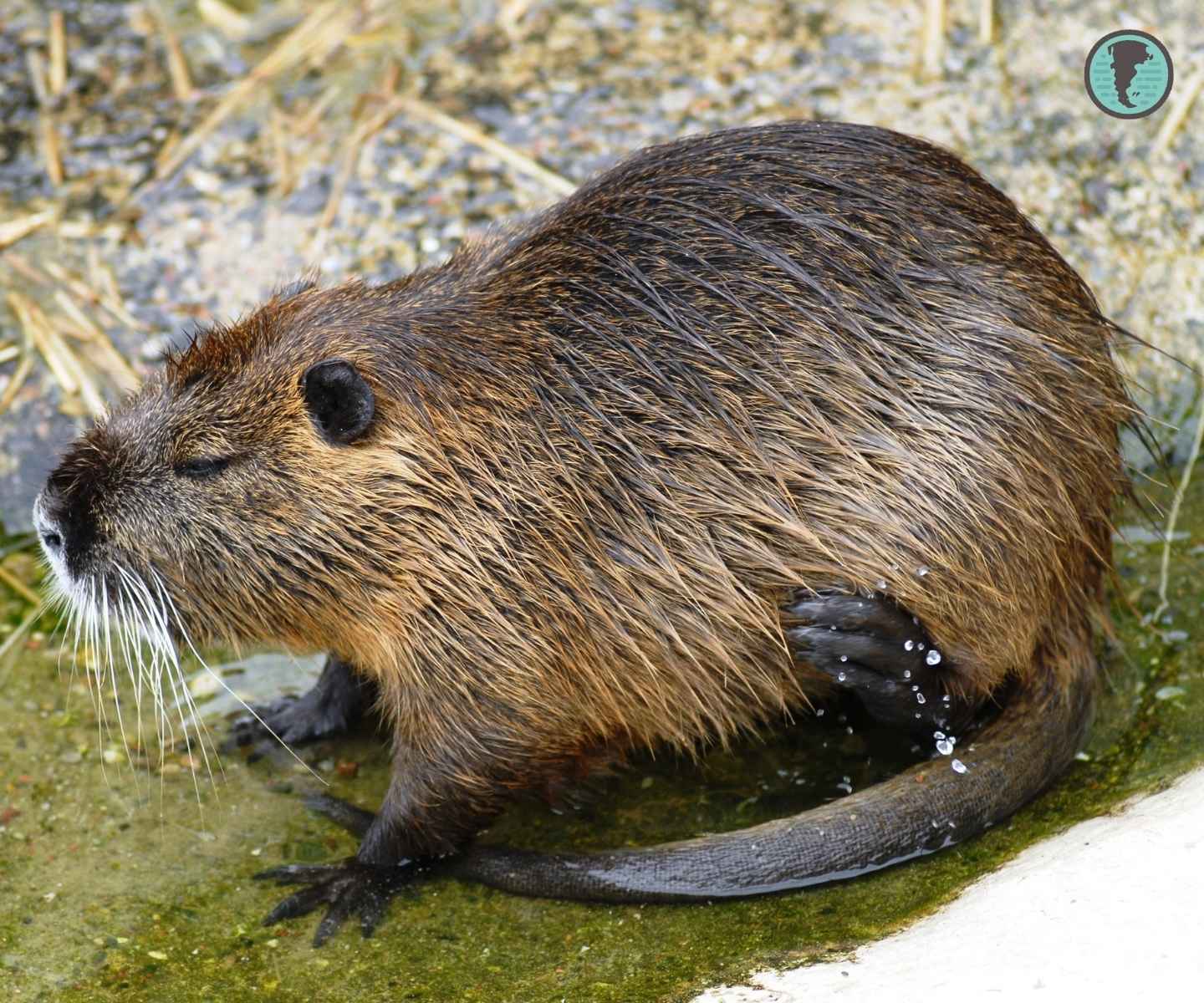
The coipo animal presents distinctive features that set it apart from other Patagonian wildlife. These robust rodents typically measure 40-60 centimeters in body length, with their characteristic thick tail adding another 25-40 centimeters. In addition, adult coipos weigh between 5-9 kilograms, making them one of the largest rodents in South America.
Their dense, waterproof fur displays variations from dark brown to reddish-brown coloration. However, the underside typically shows a lighter, more yellowish tone. Furthermore, their webbed hind feet and powerful swimming capabilities make them perfectly adapted for aquatic life in Patagonian rivers.
El coipo features prominent orange-colored front teeth, which continuously grow throughout their lifetime. These specialized incisors allow them to efficiently process tough aquatic vegetation. Moreover, their small eyes and ears are positioned high on their heads, enabling them to remain mostly submerged while staying alert to potential threats.
Habitat and Distribution in Patagonian Parks
Coipos inhabit diverse aquatic environments throughout Argentine and Chilean Patagonia. In Argentina, they thrive in Nahuel Huapi National Park, where the pristine lake systems provide ideal conditions. Additionally, Los Glaciares National Park supports healthy populations along its numerous rivers and lagoons.
Chilean Patagonia offers equally suitable habitats, particularly in Torres del Paine National Park. The park’s extensive river networks and wetland areas create perfect conditions for coipo populations. Furthermore, Bernardo O’Higgins National Park provides vast aquatic territories where these animals flourish undisturbed.
These semi-aquatic mammals prefer shallow waters with abundant vegetation along the banks. However, they also adapt to deeper rivers and lakes when necessary. In fact, coipos construct their burrows in riverbanks, creating complex tunnel systems that provide protection from predators and harsh Patagonian weather conditions.
 Guide to Patagonian Rodents & Nutria Ecology
Essential field guide identifying nutria, coypus, and native Patagonian rodents with habitat maps, behavior notes, and conservation status.
Diet and Feeding Behavior
The coipo maintains a strictly herbivorous diet, consuming various aquatic and semi-aquatic plants. Their primary food sources include cattails, sedges, and water lilies found abundantly in Patagonian waterways. Moreover, they supplement their diet with grasses and other vegetation growing along riverbanks.
These efficient foragers typically feed during dawn and dusk hours, avoiding the harsh midday sun. Nevertheless, they may adjust their feeding patterns based on seasonal availability and human activity in popular tourist areas. Furthermore, coipos can consume up to 25% of their body weight daily during peak growing seasons.
Their feeding behavior significantly impacts local ecosystems by creating channels through dense vegetation. As a result, these pathways benefit other wildlife species by improving water circulation and creating diverse microhabitats. Additionally, their selective grazing helps maintain healthy plant communities in Patagonian wetlands.
Reproduction and Life Cycle
Coipo reproduction follows distinct seasonal patterns aligned with Patagonian spring and summer months. Breeding typically occurs from September through March, when food resources are most abundant. Furthermore, females can produce 2-3 litters annually under optimal conditions.
The gestation period lasts approximately 130 days, after which females give birth to 4-6 young. However, litter sizes can vary significantly based on environmental conditions and maternal health. In addition, coipo bebe are born fully furred with open eyes, demonstrating remarkable early development compared to other rodents.
Young coipos remain with their mothers for 6-8 weeks, learning essential survival skills including swimming and vegetation identification. Nevertheless, they begin accompanying adults on feeding excursions within their first week of life. Moreover, sexual maturity occurs at 4-6 months, enabling rapid population growth under favorable conditions.
Social Behavior and Conservation Status of Coipos
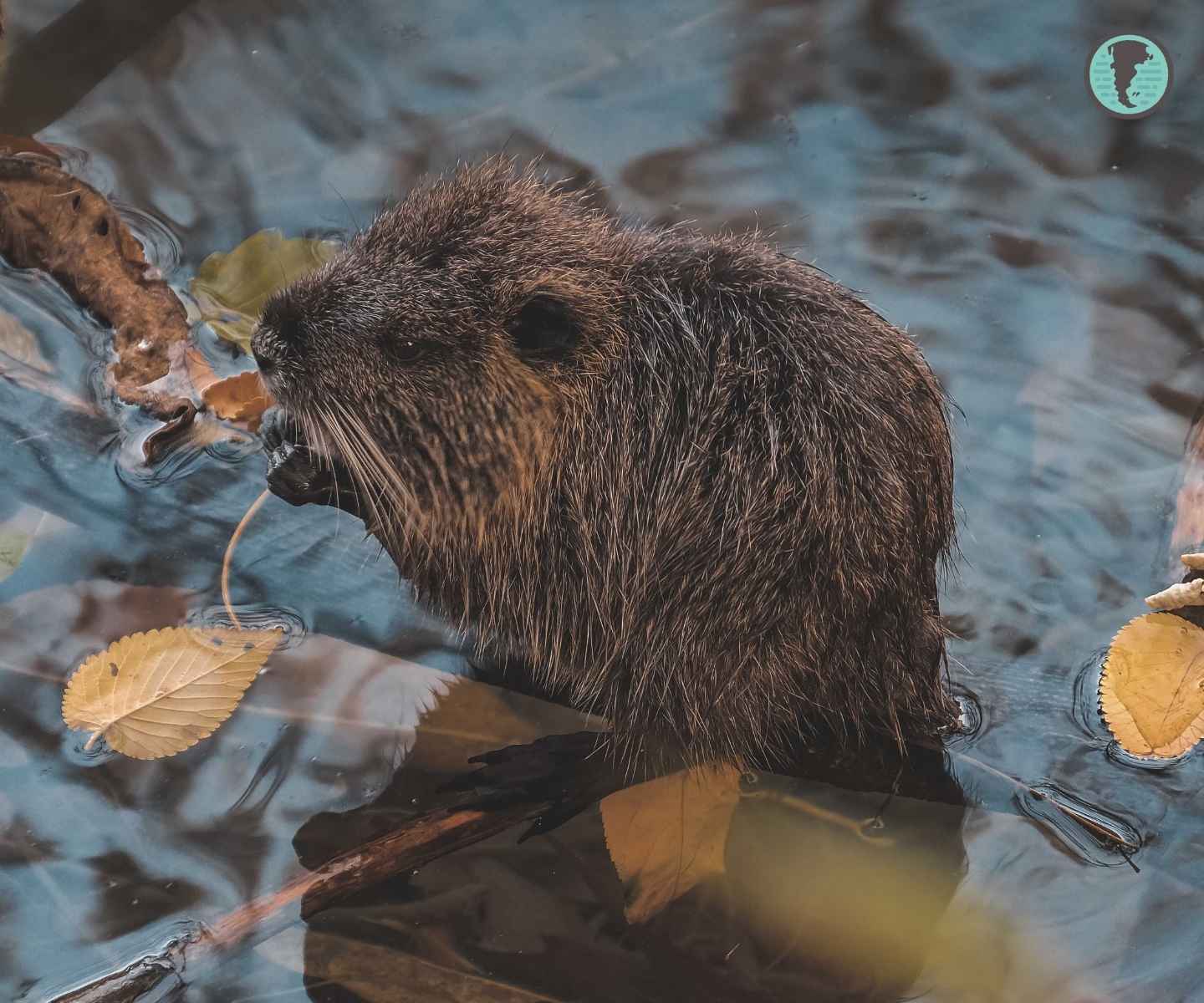
Coipos exhibit complex social structures, often living in family groups of 10-15 individuals. These groups typically consist of a dominant breeding pair and their offspring from multiple generations. However, during harsh winter months, larger aggregations may form for increased protection and warmth.
Communication among coipos involves various vocalizations including grunts, chatters, and alarm calls. Furthermore, they use scent marking to establish territories and convey reproductive status. In contrast to many rodents, coipos demonstrate remarkable parental care, with both parents participating in offspring protection.
The IUCN conservation status for Myocastor coypus is currently “Least Concern” globally. Nevertheless, local populations in Patagonia face pressures from habitat modification and climate change. Therefore, continued monitoring remains essential for maintaining healthy coipo populations in protected areas.
Did you know? Coipos can remain submerged for up to 5 minutes while foraging, using their specially adapted nostrils that can close underwater!
| Characteristic | Specification | Notes |
|---|---|---|
| Body Length | 40-60 cm | Plus 25-40 cm tail |
| Weight | 5-9 kg | Varies seasonally |
| Lifespan | 6-10 years | Wild populations |
| Gestation | 130 days | 2-3 litters annually |
| Swimming Speed | 5 km/h | Sustained speed |

Aluminé: Day Horseback Tour with Traditional Asado
Desde $192.31 USD · ★ 5.0 · 1 reseñas · Free cancellation

Conclusion
The coipos of Patagonia represent a remarkable example of successful adaptation to challenging environments. These resilient mammals have carved out an essential ecological niche in both Argentine and Chilean waterways. Furthermore, their presence indicates healthy aquatic ecosystems throughout the region’s protected areas.
For wildlife enthusiasts visiting Patagonia, observing coipos in their natural habitat offers unique insights into semi-aquatic mammal behavior. However, it’s important to maintain respectful distances and follow park guidelines to minimize disturbance. Moreover, the best viewing opportunities occur during early morning and evening hours when these animals are most active.
Conservation efforts continue to monitor coipo populations across Patagonian parks and reserves. Although currently stable, climate change and human activities pose ongoing challenges. Therefore, supporting sustainable tourism practices and protected area management remains crucial for ensuring future generations can appreciate these remarkable rodents.
The story of el coipo in Patagonia demonstrates nature’s incredible adaptability and resilience. As we explore these pristine landscapes, we gain deeper appreciation for the complex relationships between wildlife and their environments. Above all, protecting these species and their habitats ensures Patagonia’s natural heritage endures for centuries to come.
Frequently Asked Questions
1. Can I keep a coipo mascota as a pet in Patagonia?
Keeping coipos as pets is illegal in both Argentina and Chile, as they are protected native wildlife. These animals require specialized aquatic habitats and diets that cannot be properly maintained in domestic settings. Furthermore, coipos can carry diseases transmissible to humans and other animals.
2. Where are the best locations to observe coipos in Patagonian parks?
The most reliable viewing locations include the shorelines of Nahuel Huapi and Moreno lakes in Argentina, and the Serrano River in Torres del Paine National Park, Chile. Early morning and late afternoon offer the best chances for sightings when coipos are actively feeding. Additionally, quiet observation from designated viewpoints increases success rates significantly.
3. How do coipos survive the harsh Patagonian winters?
Coipos develop thicker winter coats and increase their body fat reserves during autumn months. They also modify their behavior by reducing activity levels and spending more time in protective burrows. Moreover, their ability to access underwater vegetation provides consistent food sources even when surface waters freeze.
4. What threats do coipos face in Patagonian ecosystems?
Primary threats include habitat modification from human development and introduced predators like mink and feral dogs. Climate change also affects water levels and vegetation availability in their preferred habitats. However, protection within national parks provides crucial refuge areas for stable populations.
5. How can tourists help protect coipo populations during their visits?
Visitors should maintain minimum distances of 50 meters from coipos and avoid disturbing their feeding or resting areas. Additionally, following designated trails and camping only in authorized areas prevents habitat degradation. Supporting local conservation organizations and practicing Leave No Trace principles also contribute to long-term protection efforts.
6. Are baby coipos dependent on their parents for extended periods?
Coipo bebe remain with their family groups for 6-8 weeks, learning essential survival skills including swimming techniques and plant identification. Unlike many rodents, young coipos are born well-developed and can swim within days of birth. Nevertheless, parental guidance during their first months significantly improves their survival rates in the challenging Patagonian environment.