
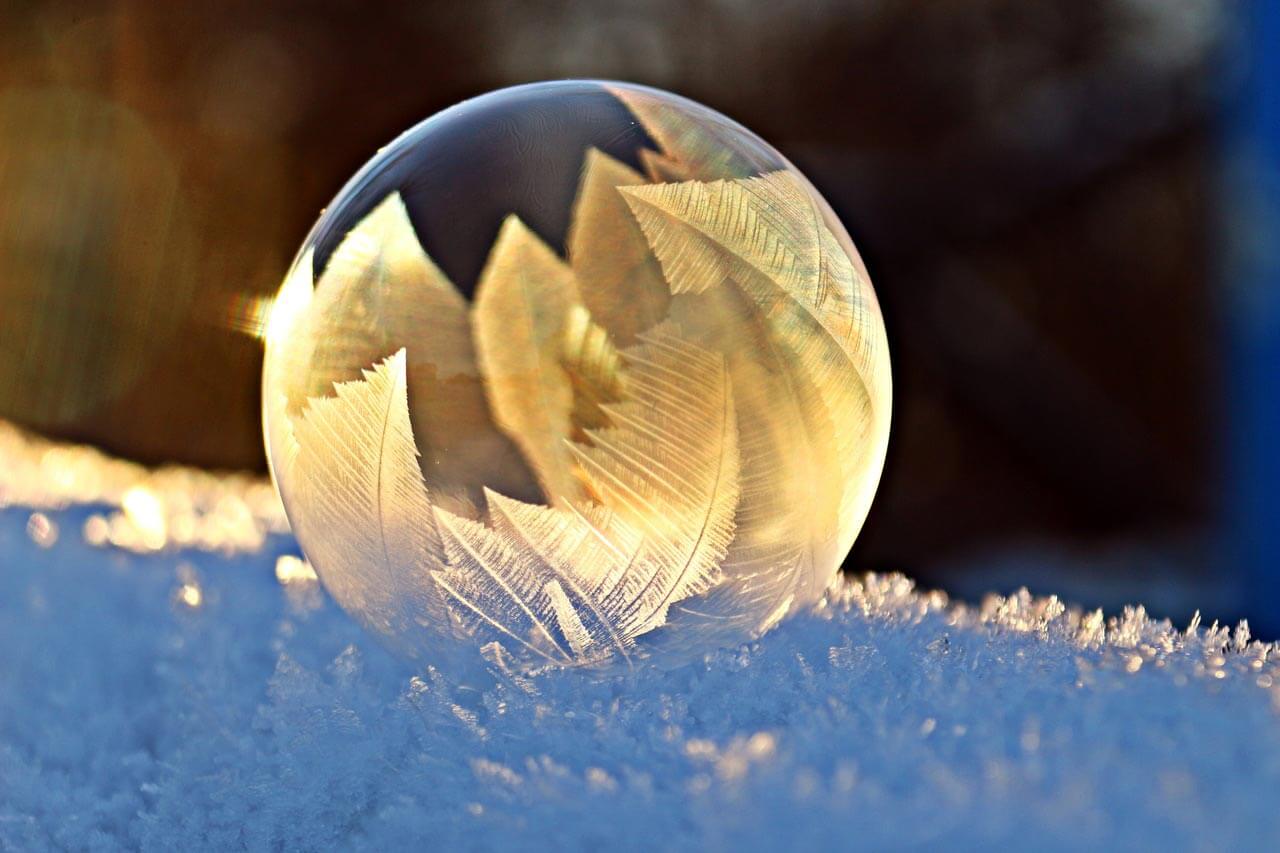
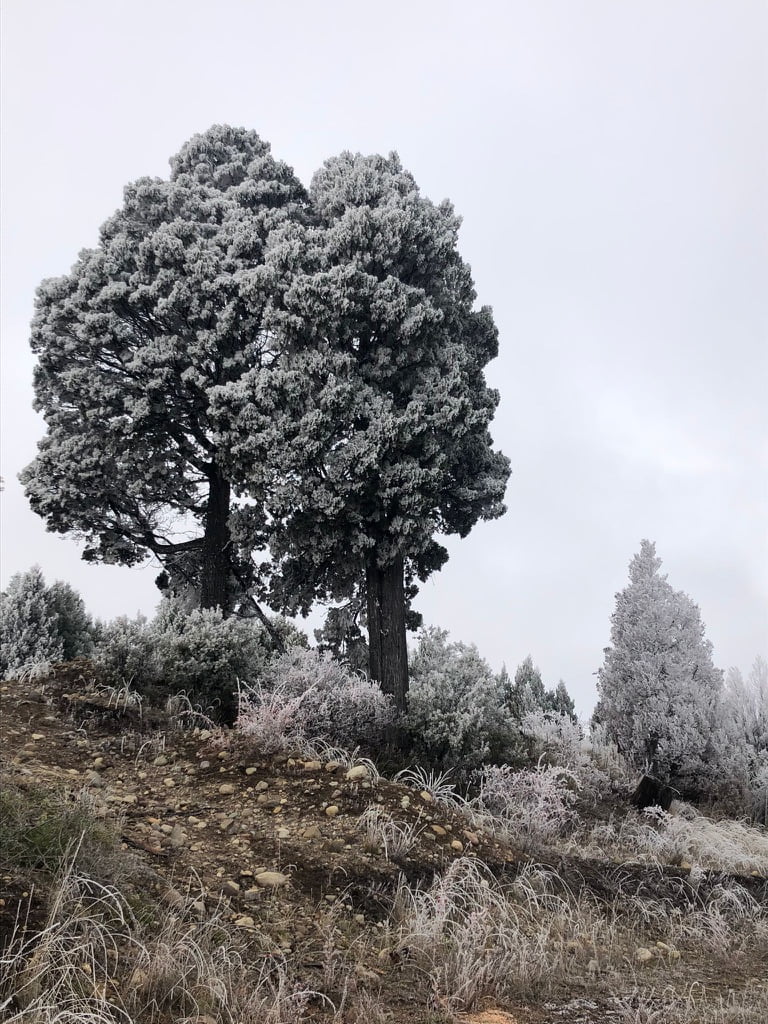
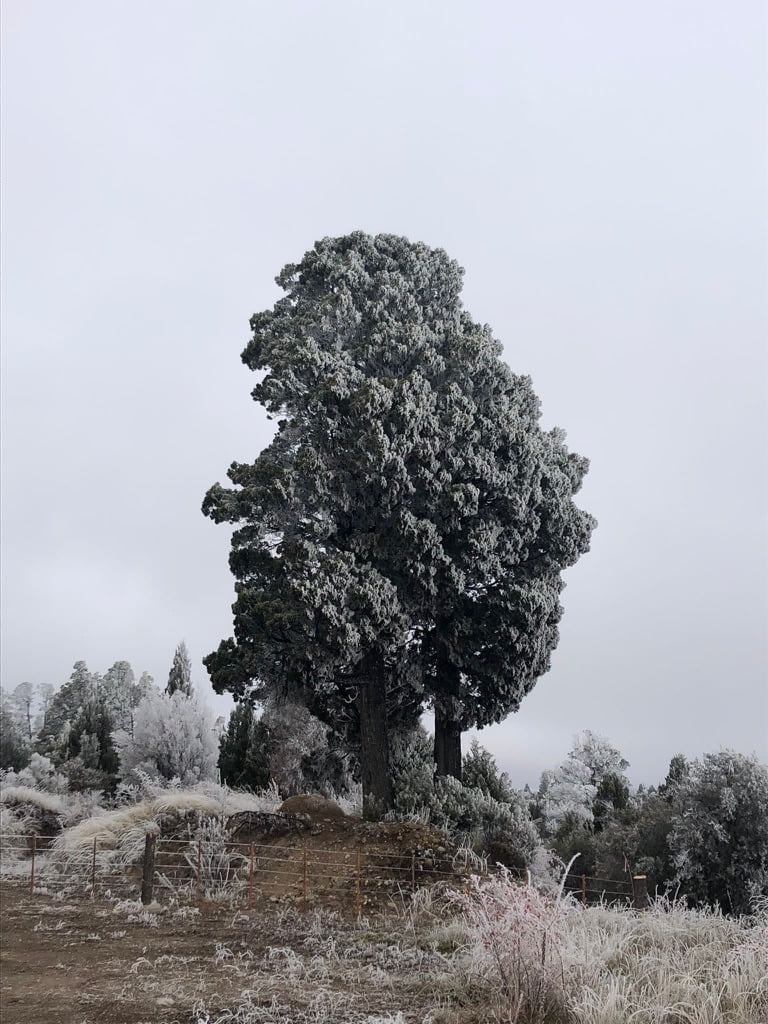
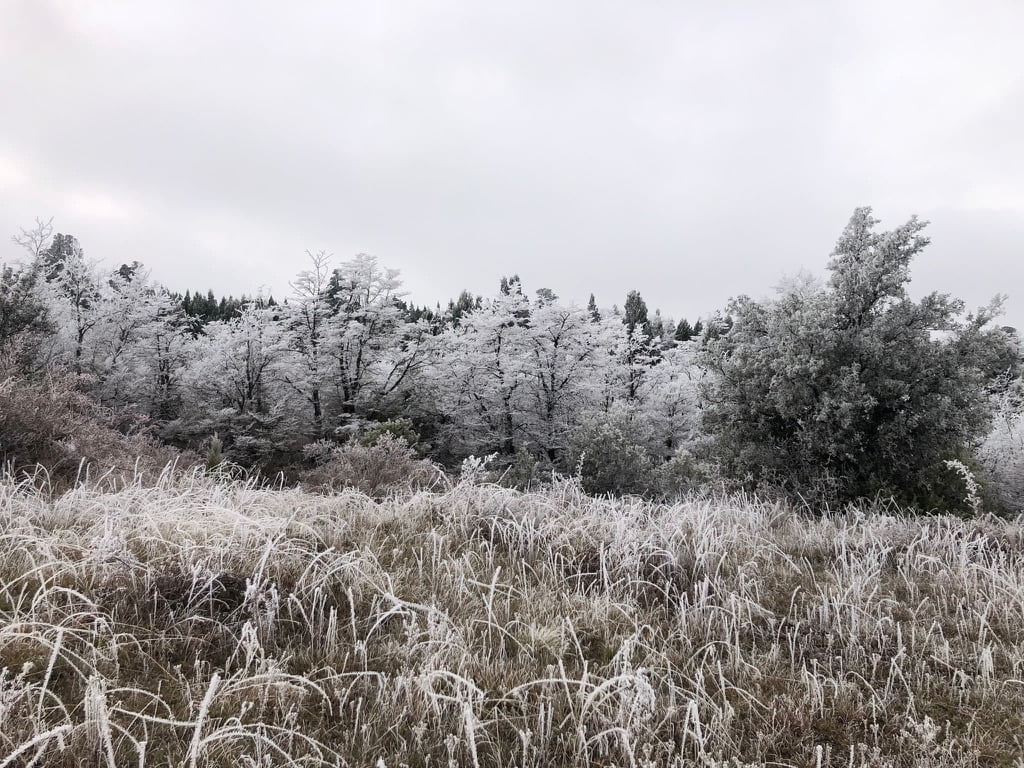
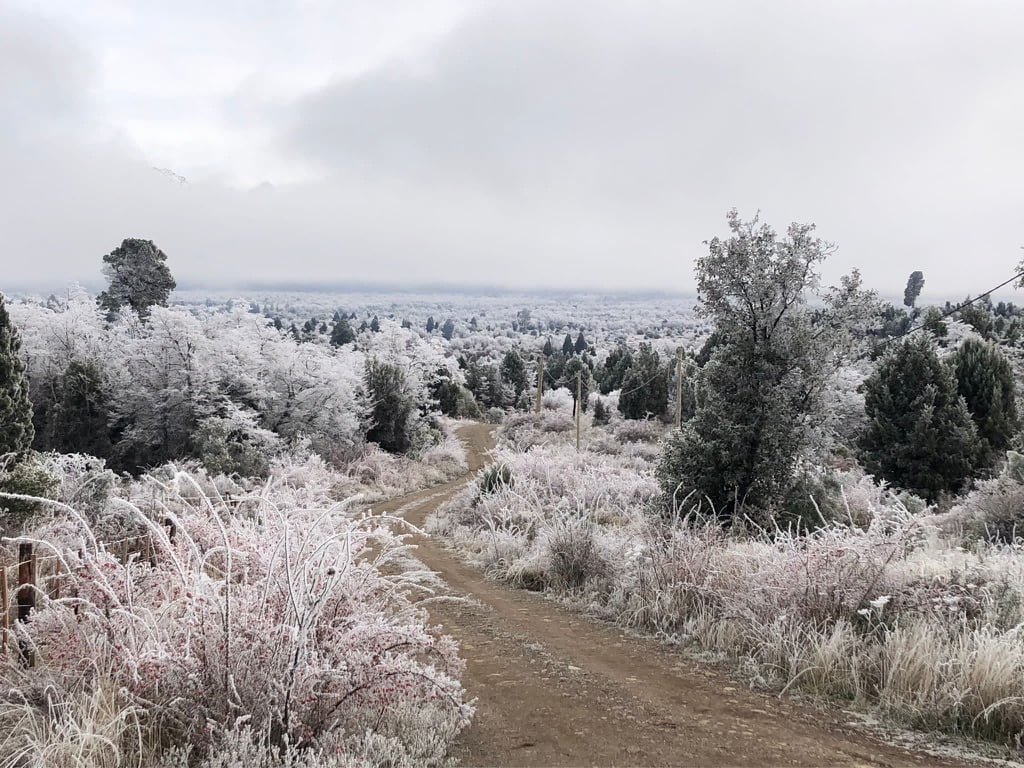
Patagonian frost, also known as white frost, transforms the southern tip of America into a dreamlike landscape during winter months. This meteorological phenomenon occurs when airborne moisture freezes upon contact with cold surfaces, creating a crystalline blanket that covers rocks, trees, and grasslands.
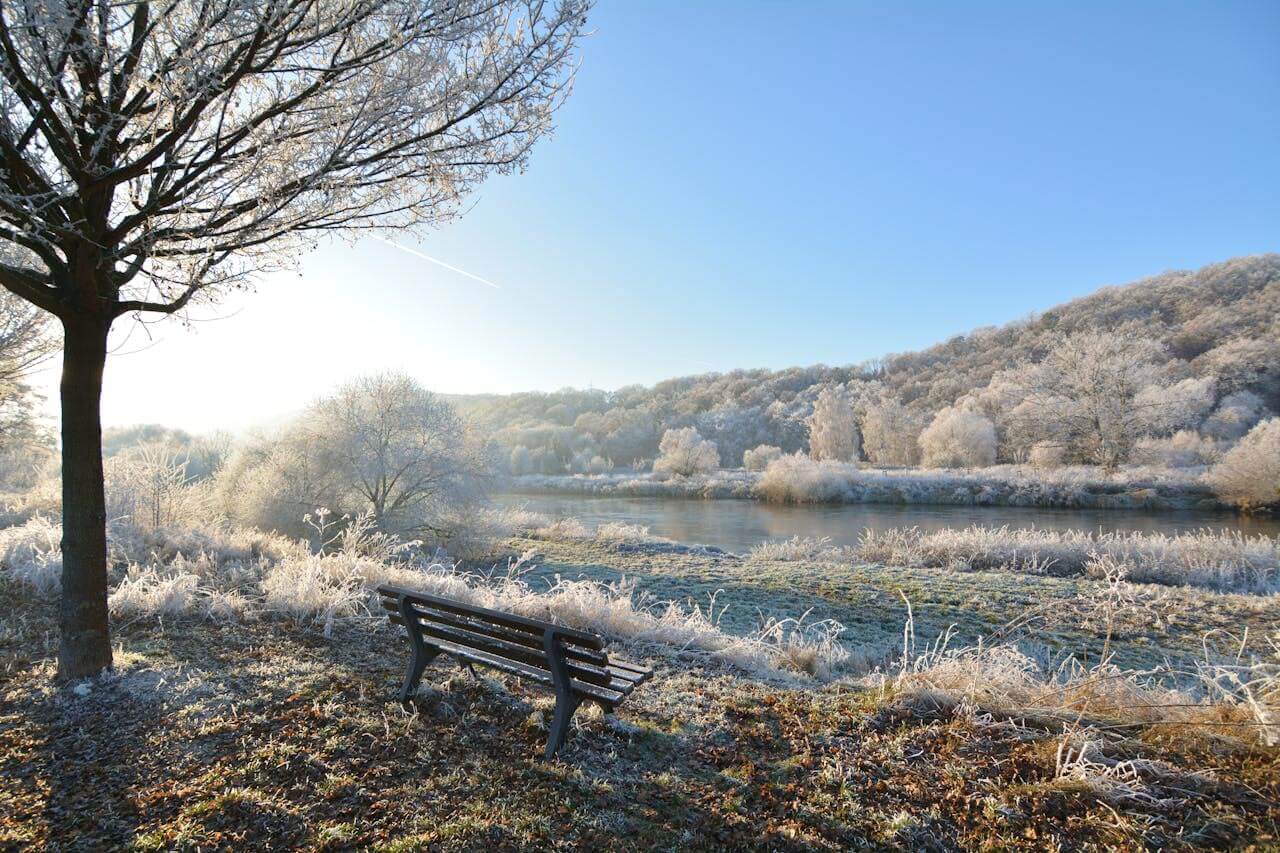
What is Frost?
Frost is an ice deposit that forms when water vapor transitions directly from gaseous to solid state (reverse sublimation) on surfaces below freezing temperature. Unlike dew (which is liquid), frost appears as microscopic ice crystals that glimmer at dawn.
“In Patagonia, frost isn’t just a weather phenomenon; it’s nature’s artwork that redefines the landscape each winter” – Argentine National Meteorological Service
The Ecological Impact of Patagonian Frost
In southern ecosystems, frost performs vital functions:
- Water reserve: Slow melting provides moisture for plants and soil microorganisms
- Thermal insulation: Protects roots and young sprouts from extreme temperatures
- Climate indicator: Its presence and thickness help monitor environmental changes
White Frost vs Black Frost
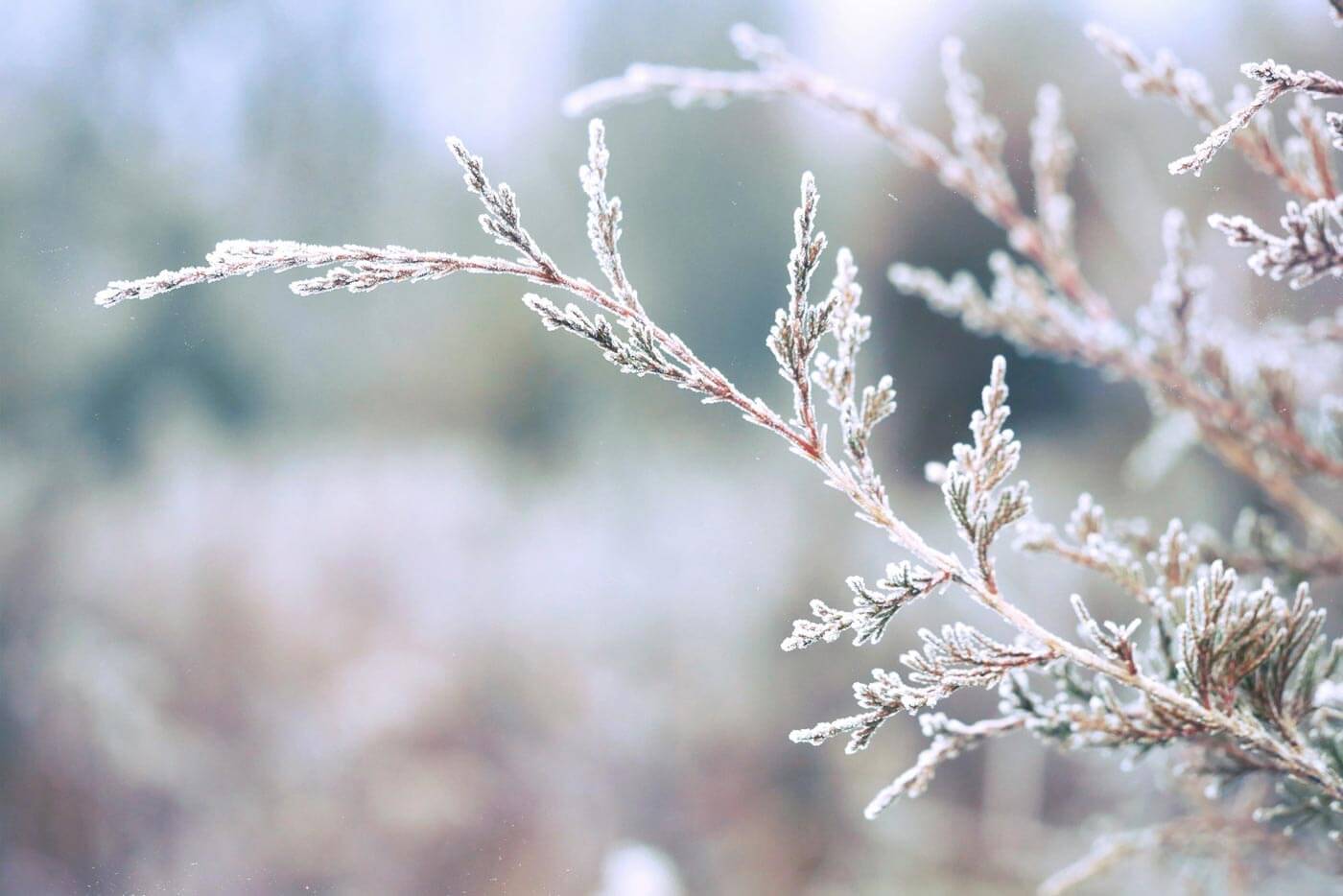
While white frost is visible and crystalline, black frost occurs when temperatures drop below 0°C without visible ice formation. The latter is particularly damaging to agriculture as it freezes plants’ internal fluids without visual warning.
Frost Protection Techniques in Patagonia
Patagonian growers have developed ingenious crop protection methods:
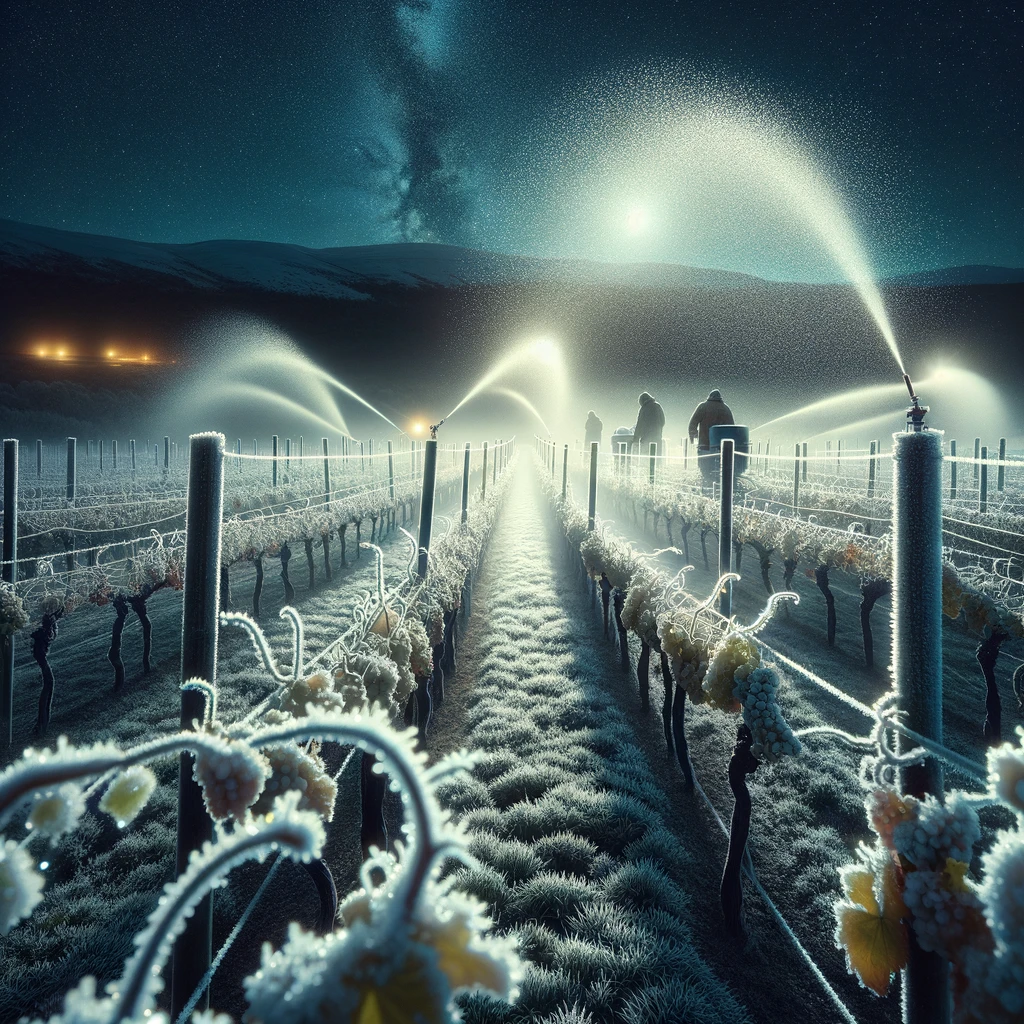
Anti-Frost Sprinkler Systems
- Early detection: Sensors measure temperature and humidity
- Controlled irrigation: Sprinklers create protective ice layers
- Thermodynamic effect: Water releases heat when freezing (80 calories per gram)
Comparison: Natural Frost vs Artificial Protection
| Natural Frost | Sprinkler Protection |
|---|---|
| Passive formation by environmental conditions | Active application of controlled water |
| May damage plant tissues | Protects through physical principle |
| Occurs on exposed surfaces | Selectively covers crops |
Winter Tourism: Chasing Patagonian Frost
Between June and August, Patagonia offers unique frost observation experiences:
- National Parks: Frost-covered dawns
- Route 40: Fields blanketed in ice crystals
- Southern Vineyards: Contrasts between frost and crops
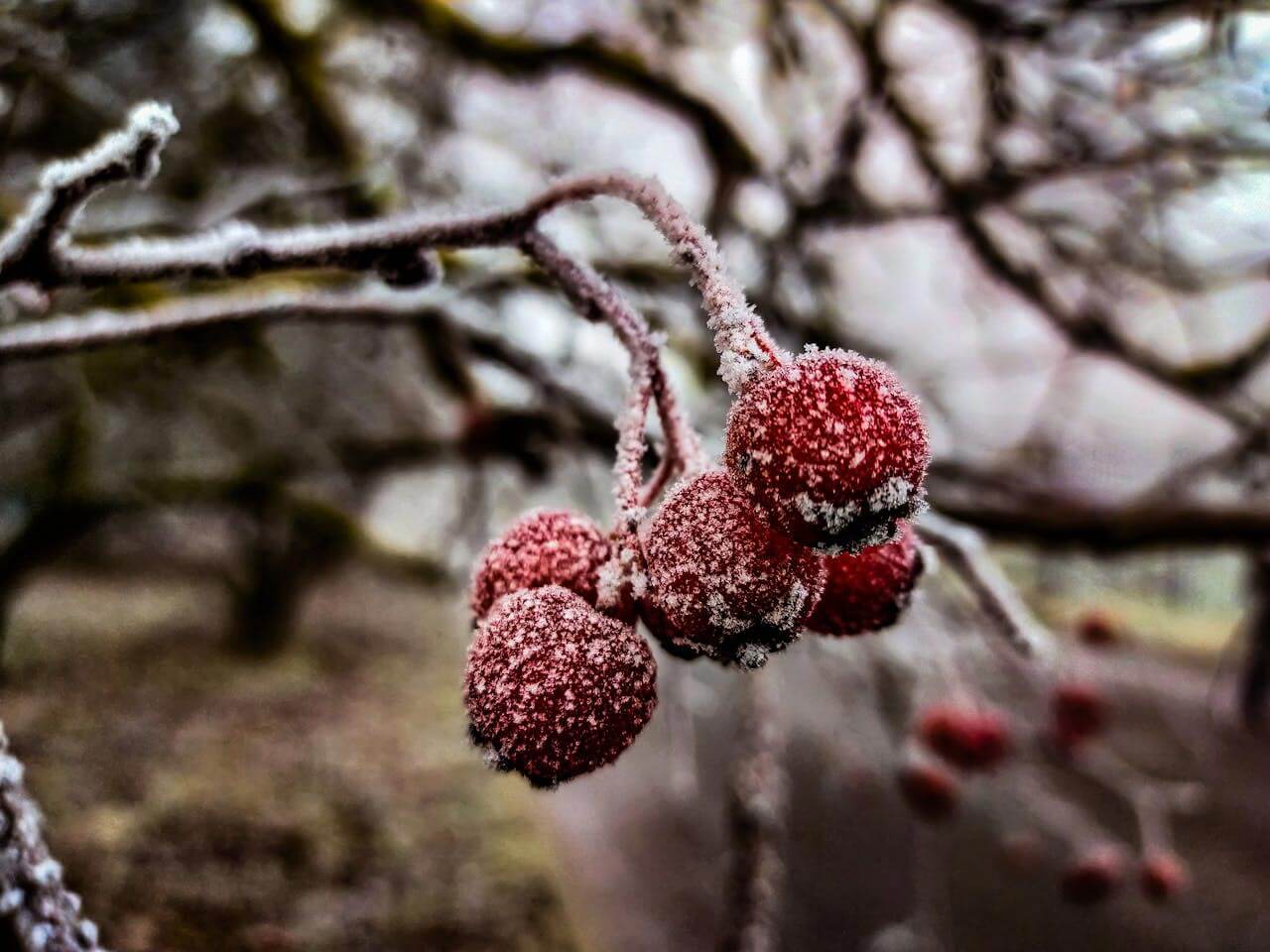
Frost Photography Tips
- Wake early to capture peak conditions
- Use polarizers to highlight reflections
- Seek natural backlighting
- Focus on crystal close-ups
Frost Curiosities
Etymology and Culture
The term frost originates from Vulgar Latin excoriata (“to remove bark”), evolving to describe this icy phenomenon. In Spanish it’s called “escarcha” (decorative Christmas frost is called “glitter frost”).
Patagonian Records
- Maximum recorded thickness: 8.5 cm (Bariloche, 1991)
- Longest continuous duration: 72 hours (El Calafate, 2007)
- Lowest temperature with frost: -32°C (Río Turbio)
Climate Change and the Future of Patagonian Frost
Recent research shows significant alterations in frost patterns:
Argentine Data
- 18% reduction in frost days (1980-2020): Source: National Meteorological Service (Frost Report 2022). Example: Bariloche decreased from 85 to 70 annual frost days.
- 21-day shorter frost season: CONICET study in Neuquén (Rusticucci et al., 2021).
- 148 m elevation in altitudinal limit: IAFE-UBA research (Carril et al., 2023) in Patagonian Andes.
Chilean Data
- 22% decrease in frost events: Source: CR2 (Climate Science Center, 2023) for Magallanes Region.
- 15-day delay in autumn’s first frost: University of Magallanes study (2020) in Punta Arenas.
- 0.8°C increase in winter minimum temperatures: University of Chile data (2024), reducing frost formation.
“Patagonia is a climate change hotspot, warming 20% faster than global average. This drastically alters frost patterns” – Dr. Maisa Rojas (IPCC AR6, 2023)
Key Studies
| Research | Institution | Main Finding |
|---|---|---|
| “Frost variability in Argentina” (2022) | SMN-CONICET | 18.7% fewer frost days in northern Patagonia |
| “Cryosphere changes in Southern Andes” (2021) | IGE Chile-CONICET | 0°C isotherm rose 153 m (40 years) |
| “Frost ecology in Nothofagus forests” (2023) | INTA Chile-UMag | 30% reduction in forest frost thickness |
Explanatory Mechanisms
- Differential warming: Patagonia heats faster than other regions (+1.2°C vs +0.9°C global since 1970)
- Humidity changes: Less frost formation due to reduced winter fogs
- Wind pattern alterations: Stronger westerlies prevent thermal inversion
Recommended primary source: “Climate change impacts on Patagonian frost regimes” (Science of The Total Environment, 2023) with cross-referenced data from 18 Argentine and Chilean stations.
“Patagonian frost is nature’s thermometer for regional environmental health. Its preservation depends on global action against warming” – CONICET Report 2024
Technical Glossary of Patagonian Cryological Phenomena
| Frost Type | Formation | References |
|---|---|---|
| Radiation frost (White frost) |
Reverse sublimation at ≤0°C Clear skies Winds <5 km/h |
WMO-No.1203 (2021) SMN Argentina (2022) |
| Advection frost | Cold air (≤-2°C) RH >80% Winds 15-40 km/h |
J. Appl. Meteor. (2022) DMC Chile (2023) |
| Ice hair | Organic matter -3°C to -8°C Nucleating bacteria |
JGR Biogeosci. (2020) INTA Bariloche (2021) |
| Black frost | RH <50% ≤-4°C +4h Intracellular damage |
Agric. Forest Meteor. (2021) INIA Chile (2023) |
| Evaporation frost | Recent snow Winds ≥20 km/h -5°C/hour |
QJR Meteorol. Soc. (2022) IANIGLA (2023) |
Key Physical Processes
- Latent heat of sublimation: 2,839 kJ/kg (energy released during frost formation)
- Condensation nuclei: ≈0.1µm particles enabling crystal formation
- Plant supercooling: Some Patagonian plants resist freezing until -12°C
Practical Guide to Observing Patagonian Frost
Key Formation Conditions
| Factor | Ideal Range | Identification Method |
|---|---|---|
| Timing | 1 hour pre-dawn to 2 hours post-sunrise | Check local astronomical tables (e.g., Bariloche in July: 6:30-9:30 AM) |
| Temperature | -5°C to 0°C (ground ≤-2°C) | Use surface thermometer (air thermometers underestimate frost risk) |
| Humidity | ≥80% RH (preferably with prior dew) | Seek areas with night fog or near water bodies |
| Wind | 5 km/h (atmospheric calm) | Observe fine branch movement (if moving, excessive wind) |
| Cloud cover | Clear to partly cloudy (0-30%) | High clouds (cirrus) don’t prevent frost, but stratus clouds do |
Best Locations and Seasons
- June-August: Peak frequency (3-4 days/week in areas like El Bolsón)
- Eastern valleys: Greater accumulation from thermal inversion (e.g., Trevelin, Chubut)
- Lakeshores: Constant humidity (Lago Argentino, Nahuel Huapi)
- Open grasslands: Ideal surfaces for long crystals
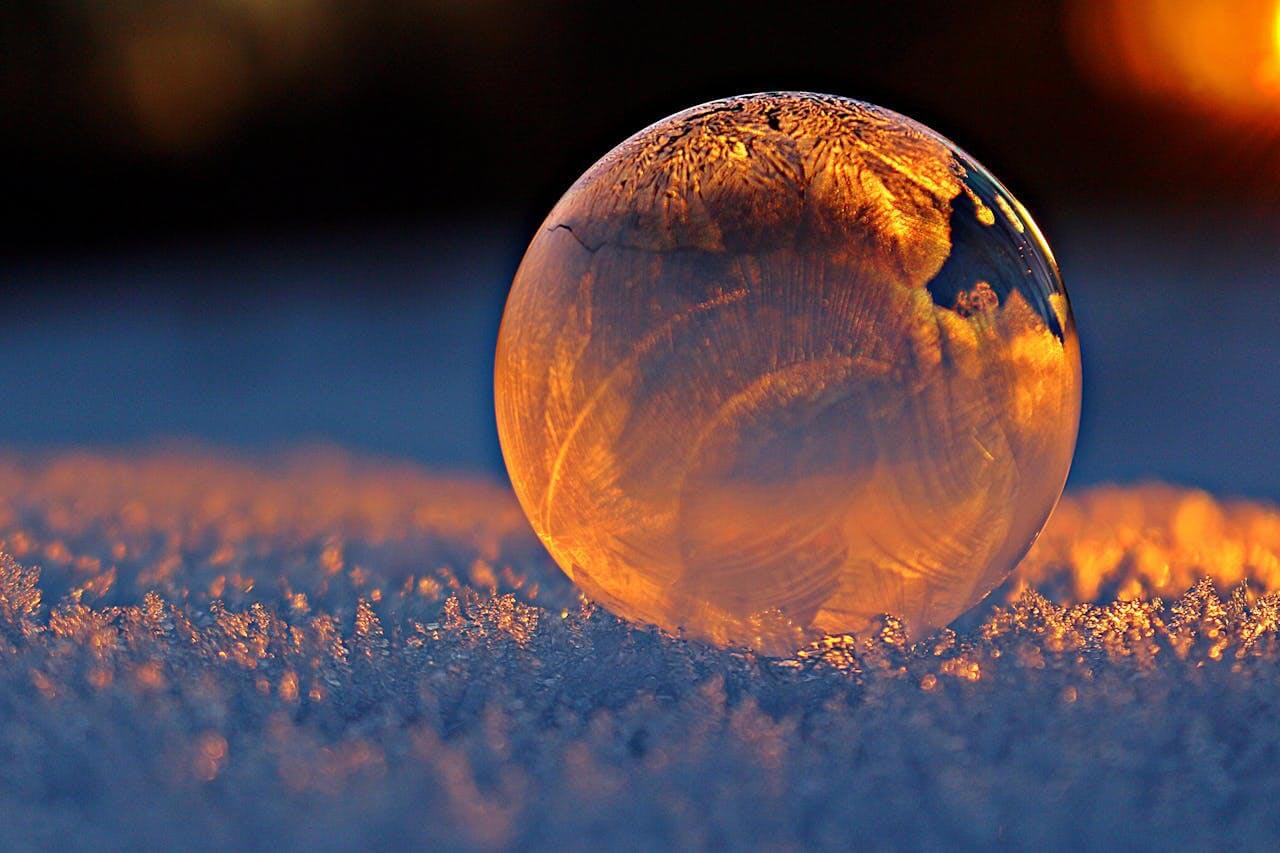
Observation Tips
- Early rising is crucial: Frost sublimates quickly at sunrise (loses 0.5 mm/hour at +3°C)
- Advanced equipment:
- Field magnifier (10x for crystal structures)
- Warm flashlight (4000K) to highlight reflections without melting
- Observation ethics:
- Walk single-file to minimize disturbance
- Avoid breathing directly on formations (CO₂ accelerates sublimation)
- Photograph without flash (can create melt points)
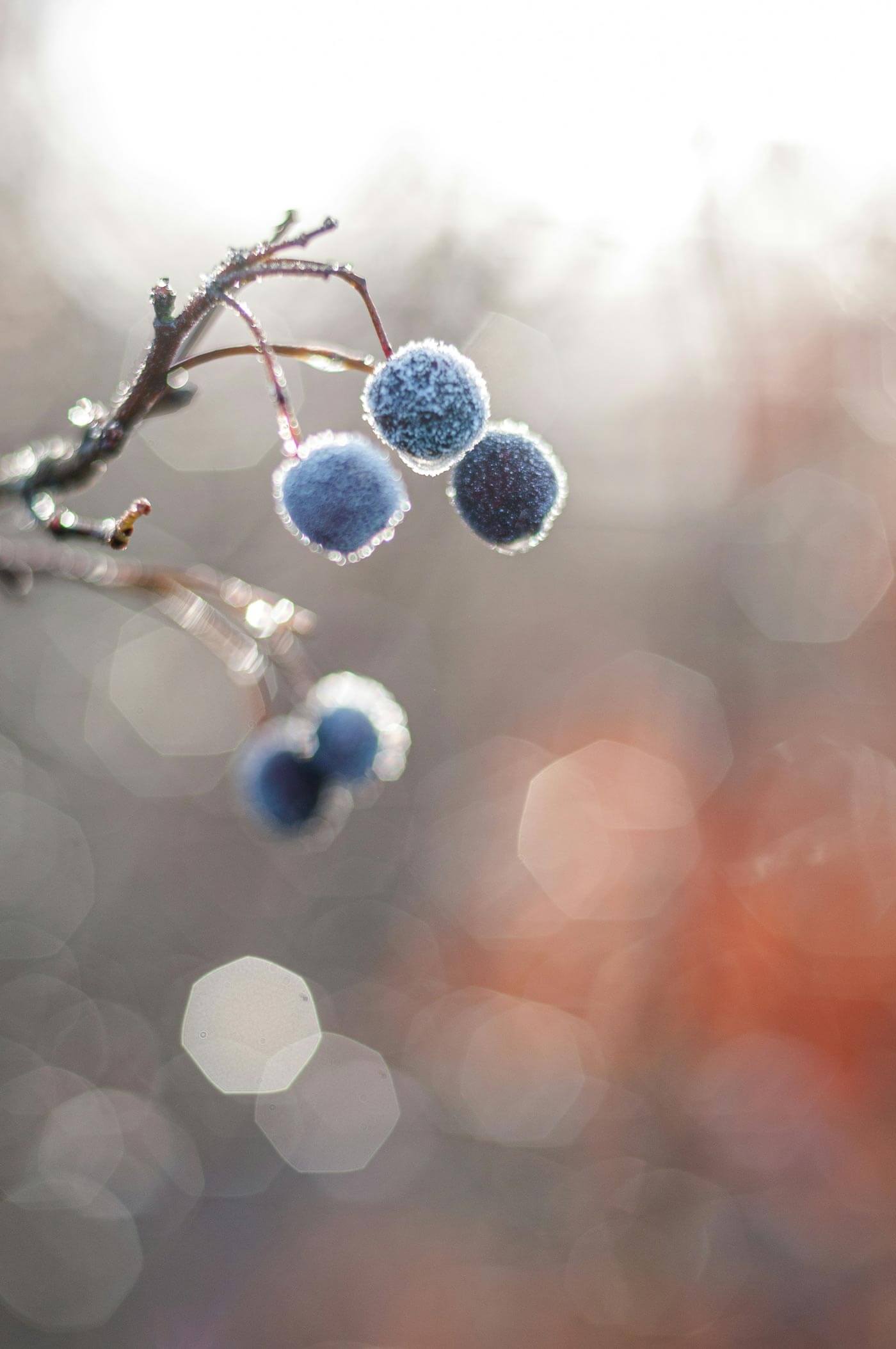
“In Patagonia, the window for perfect frost may last just 20 minutes. You must arrive before the sun and Patagonian winds erase it all” – Scientific Tourism Guide, Ushuaia (2023)
Danger Signs
- Sugar-textured frost: Indicates temperatures <-8°C - hypothermia risk
- Vertical crystals >2 cm: Possible “hoar frost” formation (unstable surfaces)
- Frost absence in low areas: May indicate black frost (more dangerous for crops)
“Patagonian frost patterns are sensitive bioindicators of climate change. Their study reveals cryosphere-biosphere-atmosphere interactions” – Dr. Mariana Viale (IANIGLA, 2023)
Frost remains one of Patagonia’s most poetic and scientific phenomena, a reminder of austral ecosystems’ fragility and beauty. Responsible observation helps us better understand nature’s intricate balances at the world’s end.
Frequently Asked Questions
1. What exactly is Patagonian frost and how does it form?
Patagonian frost, also known as white frost, is a crystalline ice deposit that forms when airborne moisture freezes directly upon contact with cold surfaces below freezing temperature. This meteorological phenomenon transforms the southern Patagonian landscape into a dreamlike setting during winter months, creating a shimmering blanket of microscopic ice crystals across rocks, trees, and grasslands.
2. What is the difference between white frost and black frost?
White frost is visible and crystalline, appearing as the glittering ice formations that characterize Patagonia’s winter landscape. Black frost, by contrast, occurs when temperatures drop below 0°C without any visible ice formation, making it particularly dangerous as it freezes plants’ internal fluids without warning.
3. Why is frost important to Patagonia’s ecosystem?
Frost plays three vital ecological roles in southern Patagonian ecosystems: it serves as a water reserve through slow melting that provides moisture to plants and soil microorganisms, offers thermal insulation that protects roots and young sprouts from extreme temperatures, and acts as a climate indicator by helping scientists monitor environmental changes. These functions make frost essential to the region’s natural balance.
4. When does frost typically occur in Patagonia?
Frost in Patagonia occurs during the winter months, transforming the southern tip of America into a crystalline landscape as temperatures drop below freezing. This seasonal phenomenon is a defining characteristic of Patagonian winters.
5. How does frost differ from dew?
While dew is a liquid water deposit, frost appears as microscopic ice crystals that form through reverse sublimation—a direct transition from water vapor to solid state. Frost glimmers beautifully at dawn due to these crystalline formations, whereas dew lacks this sparkling appearance.
6. What ecological functions does the slow melting of frost provide?
The gradual melting of Patagonian frost supplies essential moisture to plants and soil microorganisms throughout the winter and early spring seasons. This slow release of water helps sustain the region’s vegetation during periods when liquid water sources are scarce.