
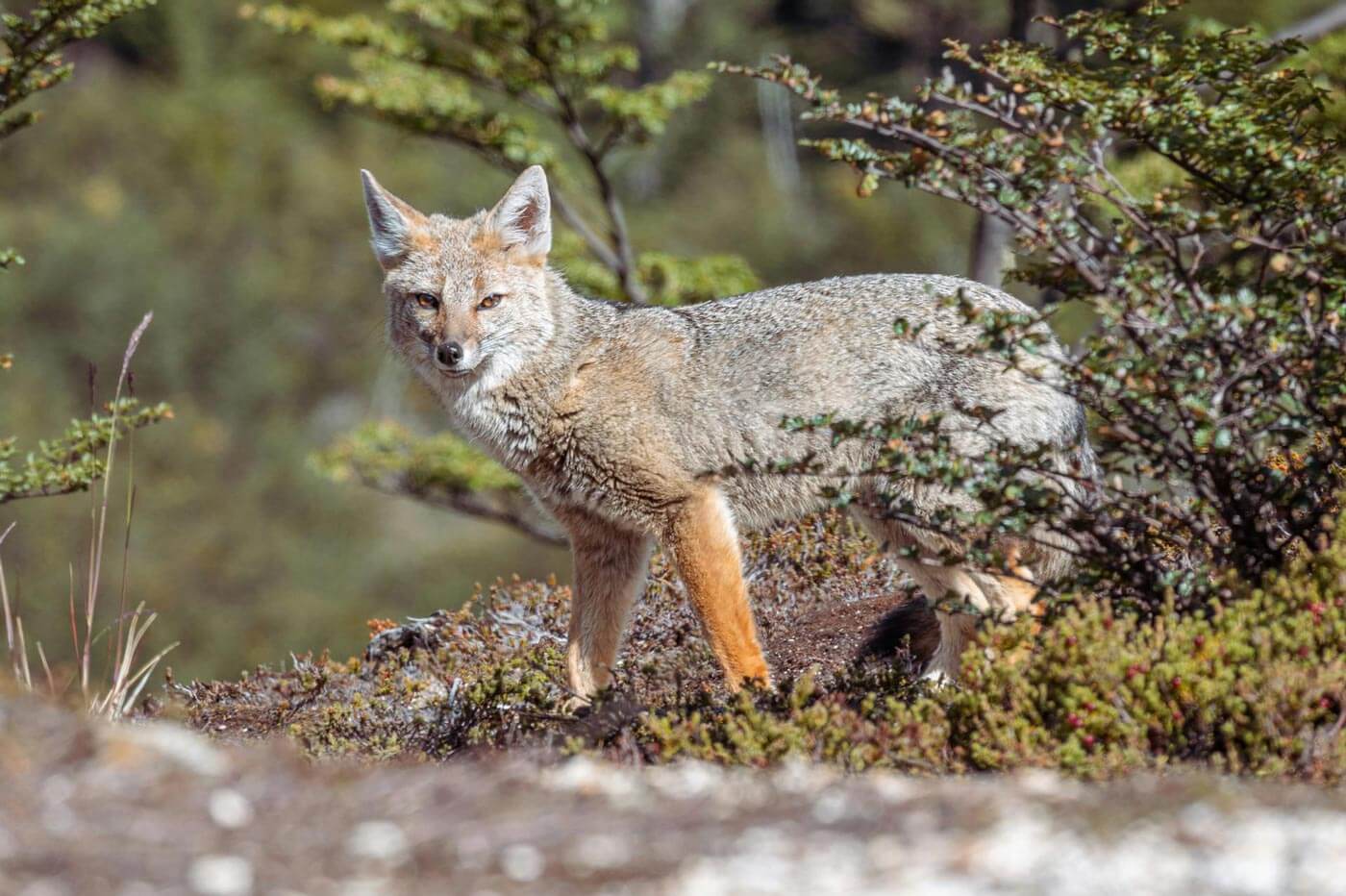
The vast windswept landscapes of Patagonia are home to one of South America’s most adaptable predators: the Patagonian gray fox. This resilient canid, known scientifically as Lycalopex griseus, roams from the Andes foothills to the Atlantic coast, making it an essential part of the region’s ecosystem. However, spotting this elusive zorro gris requires patience and knowledge of its preferred habitats. Furthermore, understanding its behavior patterns can significantly increase your chances of encountering this remarkable predator during your Patagonian adventure.
Physical Characteristics and Identification
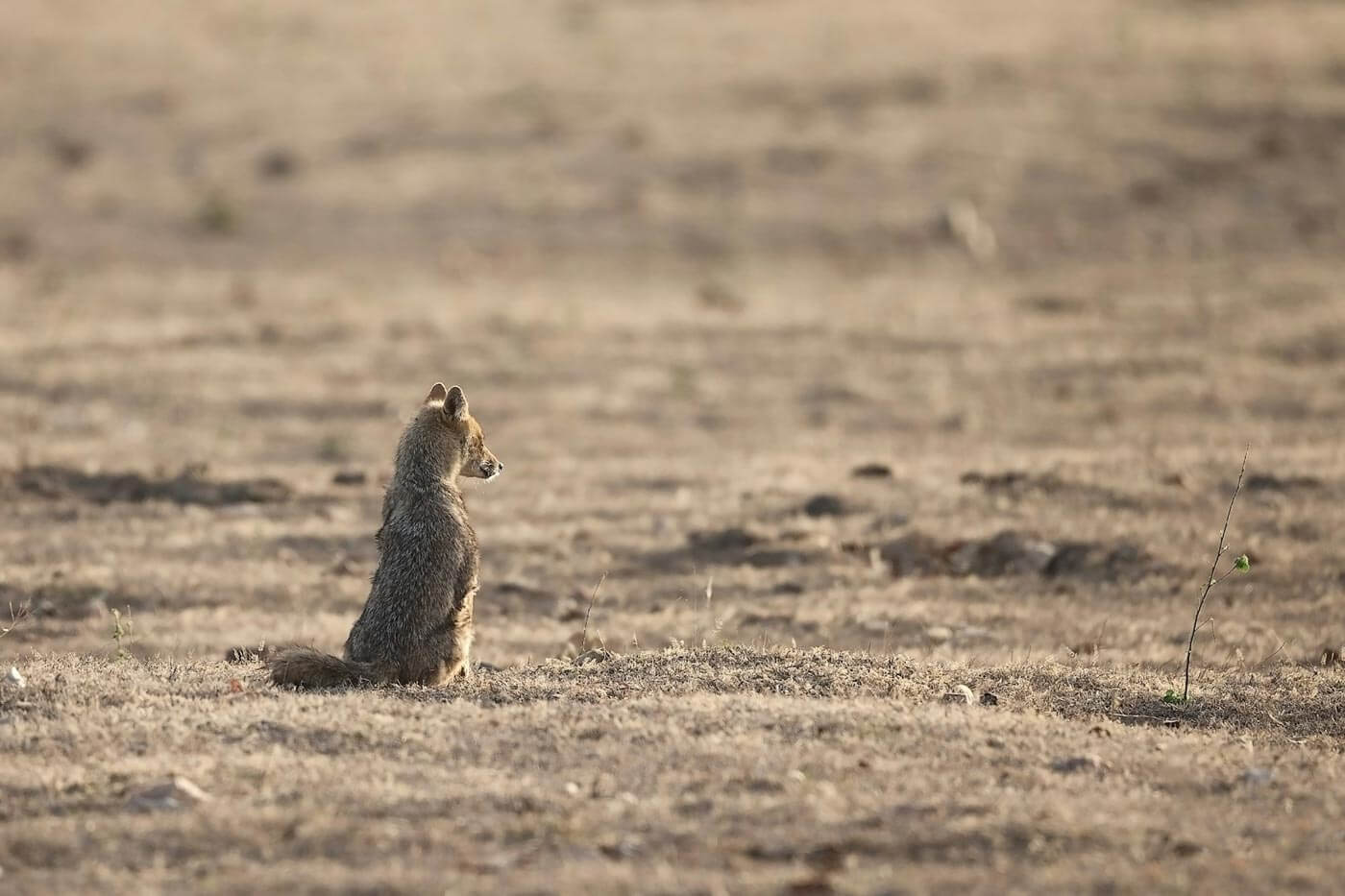
The Patagonian gray fox displays distinctive physical features that set it apart from other South American canids. Adults typically measure 65-110 centimeters in body length, with their bushy tails adding another 30-40 centimeters. Moreover, they weigh between 2.5-5.5 kilograms, making them considerably smaller than their northern relatives.
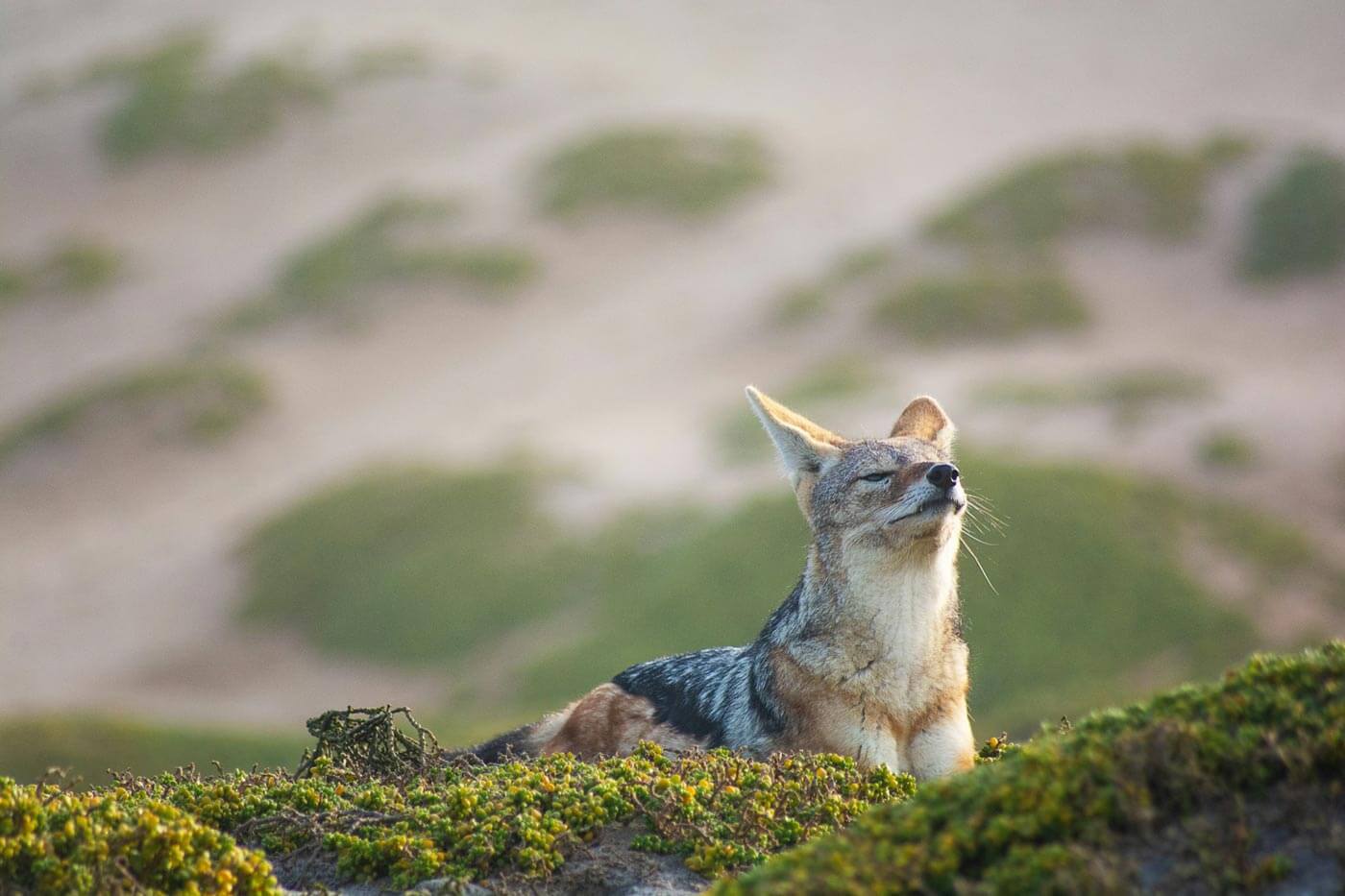
Their coat exhibits a striking grizzled gray coloration with distinctive rust-colored markings along the neck, behind the ears, and on the legs. In addition, the Lycalopex griseus features a prominent dark stripe running along the back and a black-tipped tail. The underparts typically display a cream or white coloration, creating a beautiful contrast with the darker dorsal areas.
The facial features are particularly notable, with large, pointed ears that provide excellent hearing capabilities. Furthermore, their amber-colored eyes and elongated snout give them a distinctly fox-like appearance. However, their robust build distinguishes them from true foxes, as they belong to the South American fox genus rather than the Vulpes genus.
Habitat and Distribution in Patagonian Parks
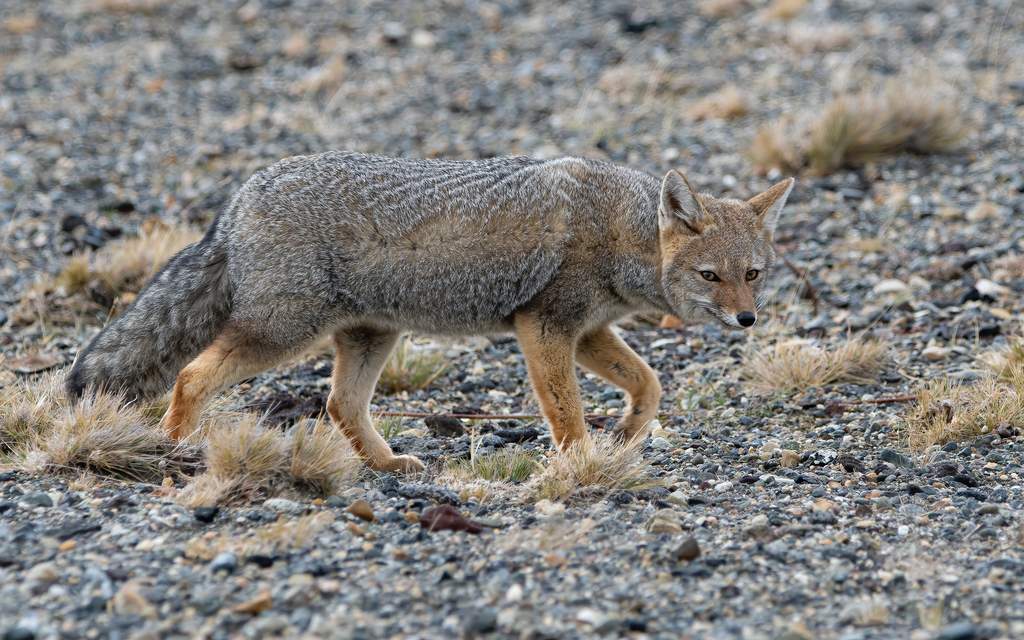
The zorro gris argentino thrives across diverse Patagonian landscapes, from Torres del Paine National Park in Chile to Los Glaciares National Park in Argentina. These adaptable canids inhabit everything from dense southern beech forests to open Patagonian steppes. As a result, visitors to parks like Nahuel Huapi and Lanín frequently encounter them in various ecosystems.
In Chilean Patagonia, the zorro patagónico ranges throughout Magallanes Region, including areas around Punta Arenas and the Strait of Magellan. They also inhabit the forests of Chiloé Island and the coastal regions near Puerto Montt. However, their highest densities occur in the mixed forests and shrublands of central Chile.
Argentine populations extend from Neuquén Province southward through Río Negro, Chubut, and Santa Cruz provinces. In fact, they’re commonly observed near the Río Santa Cruz and throughout the Península Valdés region. Nevertheless, their distribution remains patchy in some areas due to habitat fragmentation and human activities.
Diet and Hunting Behavior
The Patagonian gray fox demonstrates remarkable dietary flexibility, adapting its feeding habits to seasonal availability and local prey abundance. Their diet consists primarily of small mammals, birds, insects, and fruits. Therefore, they play a crucial role as both predators and seed dispersers in Patagonian ecosystems.
During spring and summer months, these foxes heavily rely on rodents such as Abrothrix species and European rabbits in areas where they’ve been introduced. Furthermore, they actively hunt ground-nesting birds, including tinamous and various passerines. In coastal areas near the Beagle Channel, they supplement their diet with marine carrion and seabird eggs.
Hunting behavior varies significantly between seasons and habitats. For example, in dense forests of Tierra del Fuego, they employ stealth and patience to catch prey. On the other hand, in open steppes, they rely more on speed and endurance. Moreover, the zorro gris exhibits crepuscular activity patterns, being most active during dawn and dusk hours.
Reproduction and Life Cycle
The reproductive cycle of Lycalopex griseus is closely tied to Patagonia’s seasonal patterns. Mating typically occurs between August and October, coinciding with the Southern Hemisphere’s spring season. However, exact timing varies with latitude and local climate conditions throughout their range.
After a gestation period of approximately 55-60 days, females give birth to 2-4 pups in underground dens or rocky crevices. These zorro gris bebe are born blind and helpless, requiring intensive parental care during their first weeks of life. In addition, both parents participate in raising the young, with males often bringing food to the den site.
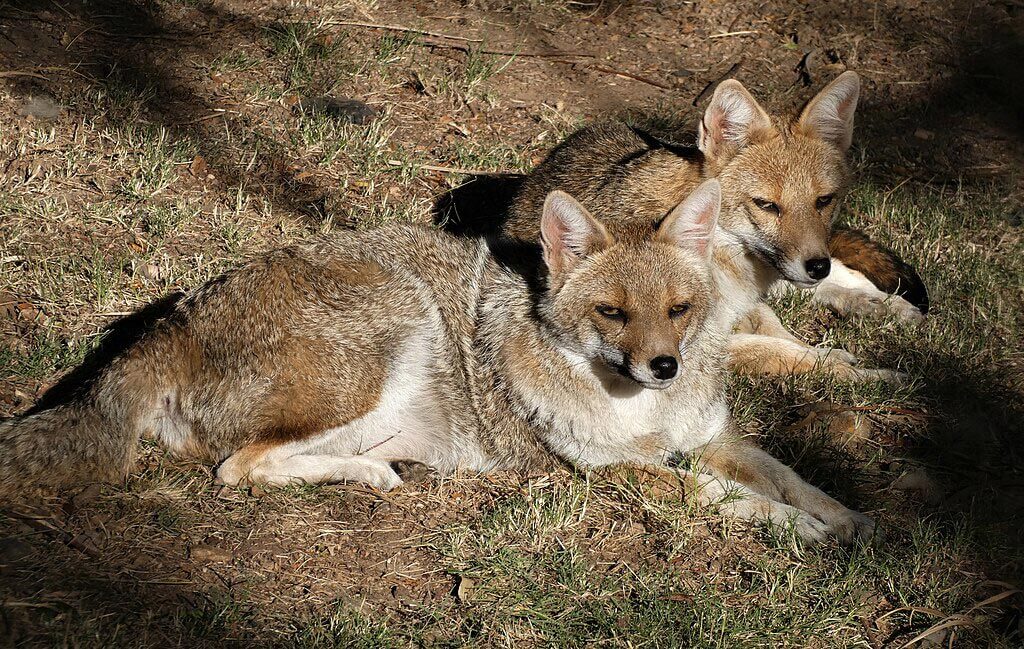
Young foxes remain in the den for their first 6-8 weeks before beginning to explore the surrounding area. Furthermore, they achieve independence at approximately 4-5 months of age but may remain with their parents through their first winter. Sexual maturity is typically reached at 10-12 months, although females may not breed until their second year in harsh environments.
Did you know? Patagonian gray foxes can live up to 12 years in the wild, but their average lifespan is typically 6-8 years due to various environmental pressures and predation risks.
Behavior and Conservation Status
The zorro patagónico exhibits complex social behaviors that vary depending on resource availability and population density. Although primarily solitary outside the breeding season, they maintain territorial boundaries through scent marking and vocalizations. Nevertheless, territories may overlap significantly in areas with abundant food resources.
Communication occurs through various vocalizations, including barks, yips, and howls. Moreover, they employ extensive scent marking using urine, feces, and secretions from anal glands. Their body language includes tail positions, ear movements, and facial expressions that convey different emotional states and intentions to other foxes.
Currently, the IUCN Red List classifies Lycalopex griseus as “Least Concern” at the global level. However, local populations face various threats including habitat loss, vehicle strikes, and persecution by livestock owners. Furthermore, climate change may affect their distribution patterns, particularly in marginal habitats near the species’ range limits.
| Threat Level | Primary Concerns | Conservation Actions |
|---|---|---|
| Low-Moderate | Habitat fragmentation | Protected area management |
| Moderate | Human-wildlife conflict | Education programs |
| Low | Climate change | Monitoring programs |
| Variable | Introduced diseases | Health surveillance |
Conclusion
The Patagonian gray fox represents one of the region’s most successful mammalian predators, demonstrating remarkable adaptability across diverse ecosystems from the Valdivian rainforests to the Patagonian steppes. Their ecological importance extends far beyond their role as predators, as they contribute significantly to seed dispersal and help maintain balanced prey populations throughout their range. Furthermore, their presence often indicates healthy ecosystem functioning in both protected areas and surrounding landscapes.
For wildlife enthusiasts visiting Patagonian parks, the zorro gris offers excellent opportunities for observation and photography. However, successful encounters require patience, proper timing, and understanding of their behavioral patterns. In addition, respecting their natural behaviors and maintaining appropriate distances ensures both visitor safety and animal welfare during these memorable wildlife experiences.
Conservation efforts for Lycalopex griseus must focus on maintaining habitat connectivity and addressing human-wildlife conflicts in rural areas. Moreover, continued research on population dynamics and climate change impacts will be essential for long-term conservation planning. As a result, collaborative efforts between Argentina and Chile will become increasingly important for managing transboundary populations and ensuring the species’ continued success across Patagonia.
The future of the Patagonian gray fox appears stable, but ongoing monitoring and adaptive management strategies remain crucial. Therefore, supporting conservation initiatives and responsible wildlife tourism will help ensure future generations can continue to marvel at these remarkable canids in their natural Patagonian home.

Frequently Asked Questions
1. Where is the best place to see Patagonian gray foxes in the wild?
Torres del Paine National Park in Chile and Los Glaciares National Park in Argentina offer excellent viewing opportunities, particularly in open grassland areas during dawn and dusk. The Península Valdés region also provides reliable sightings, especially near coastal areas where foxes hunt for seabird eggs and marine carrion.
2. How can you distinguish a Patagonian gray fox from other South American canids?
The zorro gris can be identified by its grizzled gray coat with distinctive rust-colored markings on the neck, ears, and legs, plus a prominent dark dorsal stripe. They’re smaller than culpeo foxes but larger than Darwin’s foxes, with their black-tipped tail and cream-colored underparts being key distinguishing features.
3. What time of day are Patagonian gray foxes most active?
These foxes are primarily crepuscular, meaning they’re most active during dawn and dusk hours when their prey is also active. However, during winter months or in areas with minimal human disturbance, they may extend their activity periods into daylight hours to maximize foraging opportunities.
4. Do Patagonian gray foxes pose any danger to humans or pets?
Patagonian gray foxes are generally shy and avoid human contact, posing minimal direct threat to people. However, they may prey on small domestic animals like chickens or young lambs, which can create conflict with rural communities. Pet owners in fox habitat should supervise small dogs and cats, especially during dawn and dusk hours.
5. How do weather conditions affect Patagonian gray fox behavior?
These adaptable foxes adjust their activity patterns based on weather conditions, becoming more active during calmer periods in Patagonia’s notoriously windy climate. During severe storms or extreme cold, they may remain in dens for extended periods, relying on cached food supplies and body fat reserves to survive harsh conditions.
6. What conservation challenges do Patagonian gray foxes currently face?
Primary challenges include habitat fragmentation from agricultural development, vehicle strikes along highways, and persecution by livestock owners who view them as threats to domestic animals. Climate change may also impact their prey availability and distribution patterns, particularly affecting populations at the margins of their current range.