
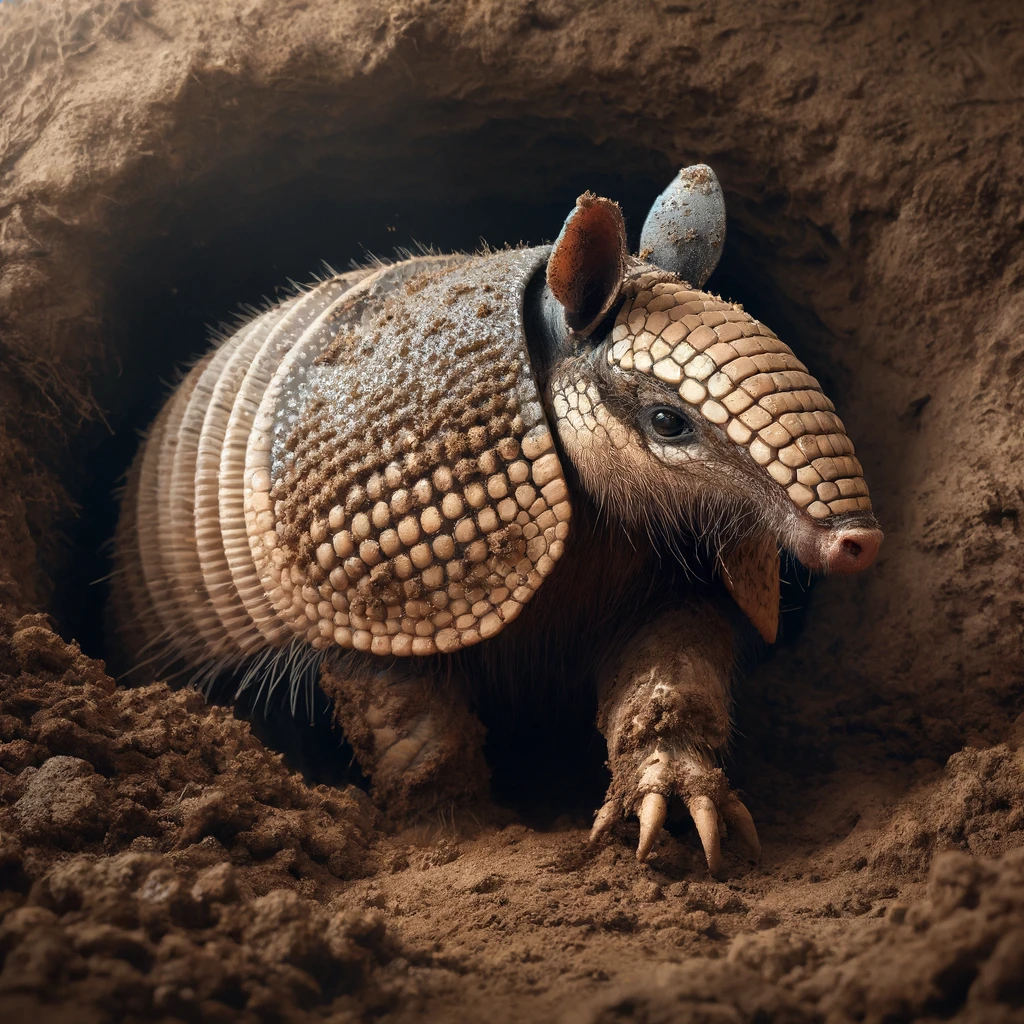
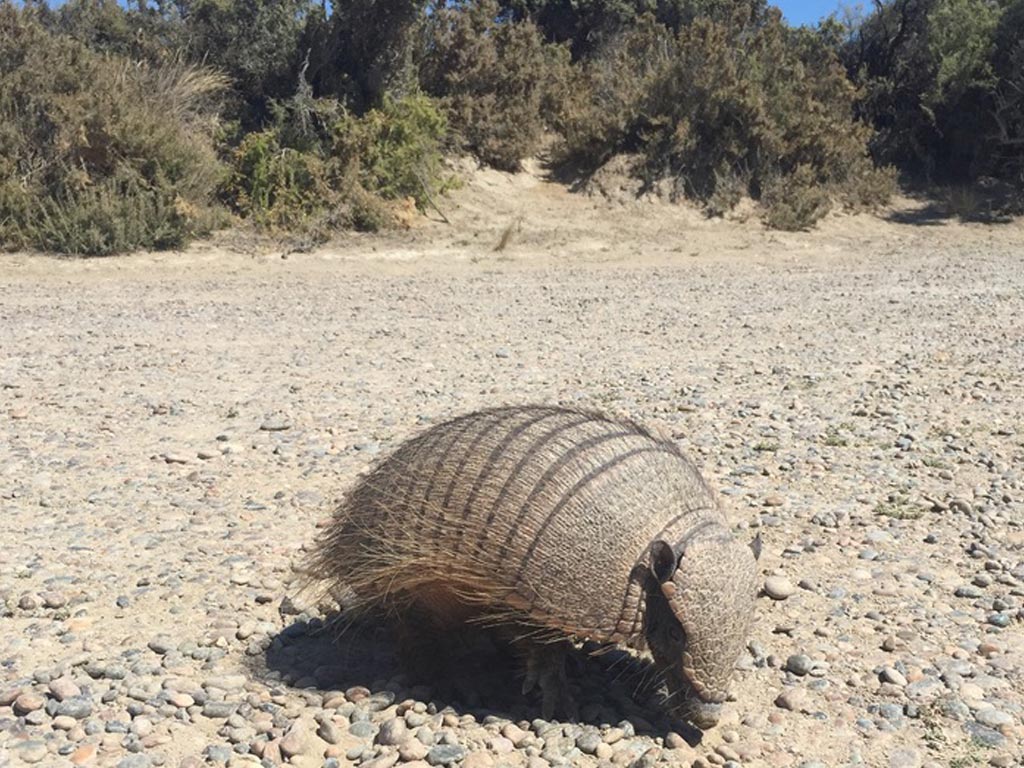
The Patagonian piche (Zaedyus pichiy), also known as quirquincho, inhabits natural grasslands, shrublands, Patagonian steppes, and Andean valleys. It digs shallow burrows to seek protection from predators, extreme cold in winter, and heat in summer. This small armadillo with small ears and a serrated shell is native to Chile and Argentina.
The piche is the southernmost armadillo in the world, which is why it is the only cingulate mammal capable of hibernating in winter and entering a daily superficial torpor during periods of environmental stress.
Characteristics and Distribution
The Patagonian piche (Zaedyus pichiy), also called pichi, small quirquincho, or Patagonian armadillo, is a species of cingulate mammal in the family Chlamyphoridae that inhabits southern Argentina and Chile, from the Patagonian region to the Strait of Magellan.
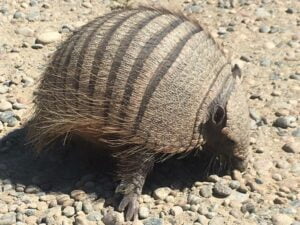
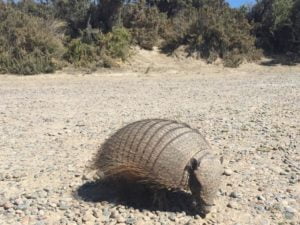
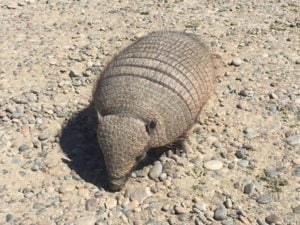
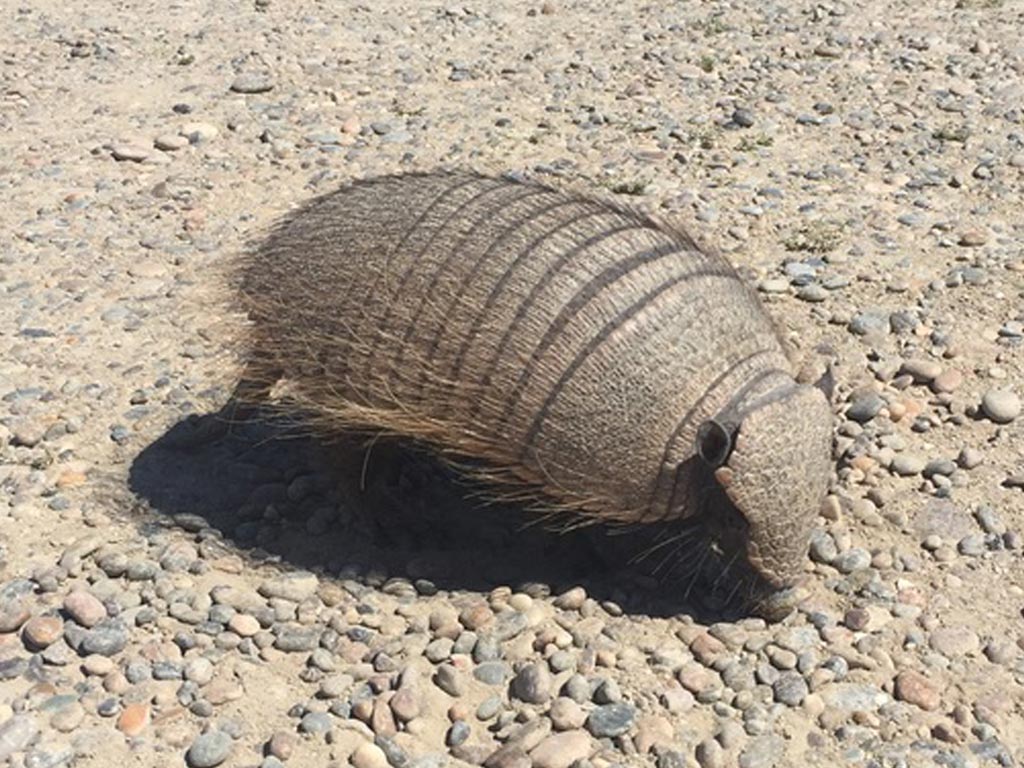
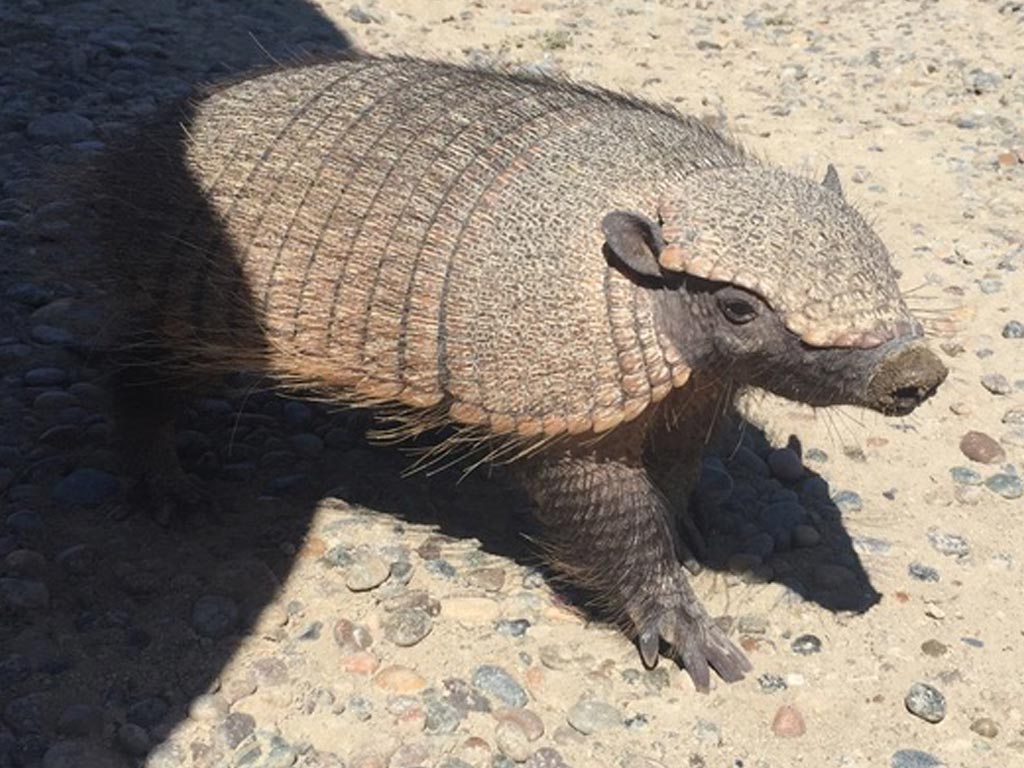
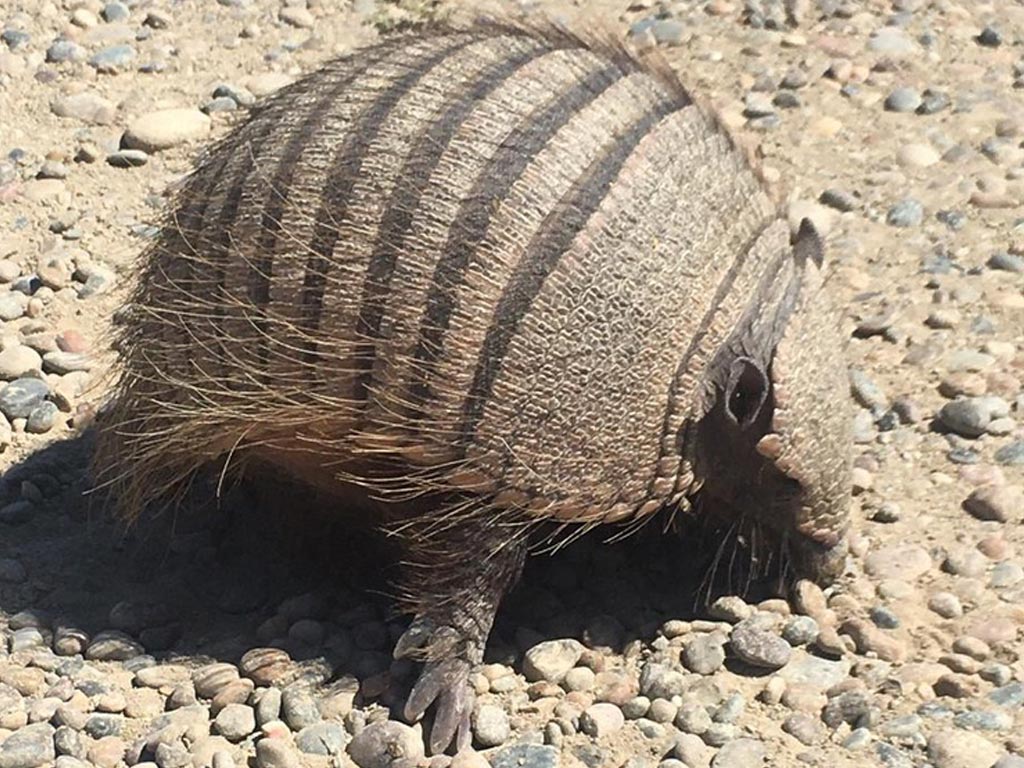
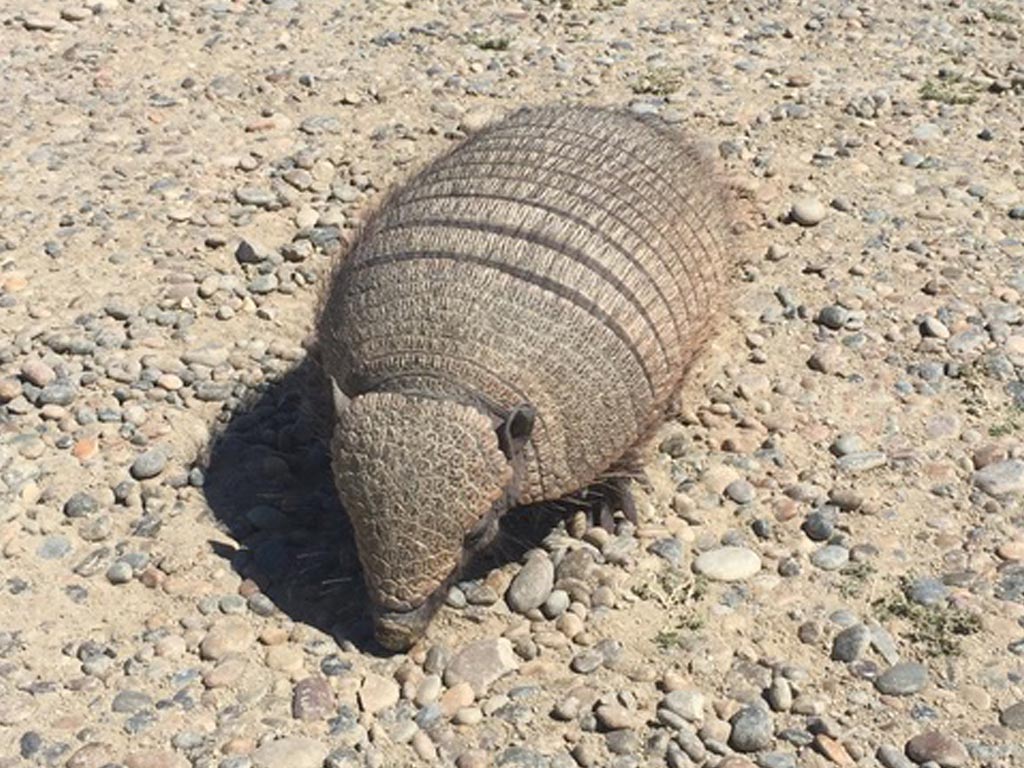
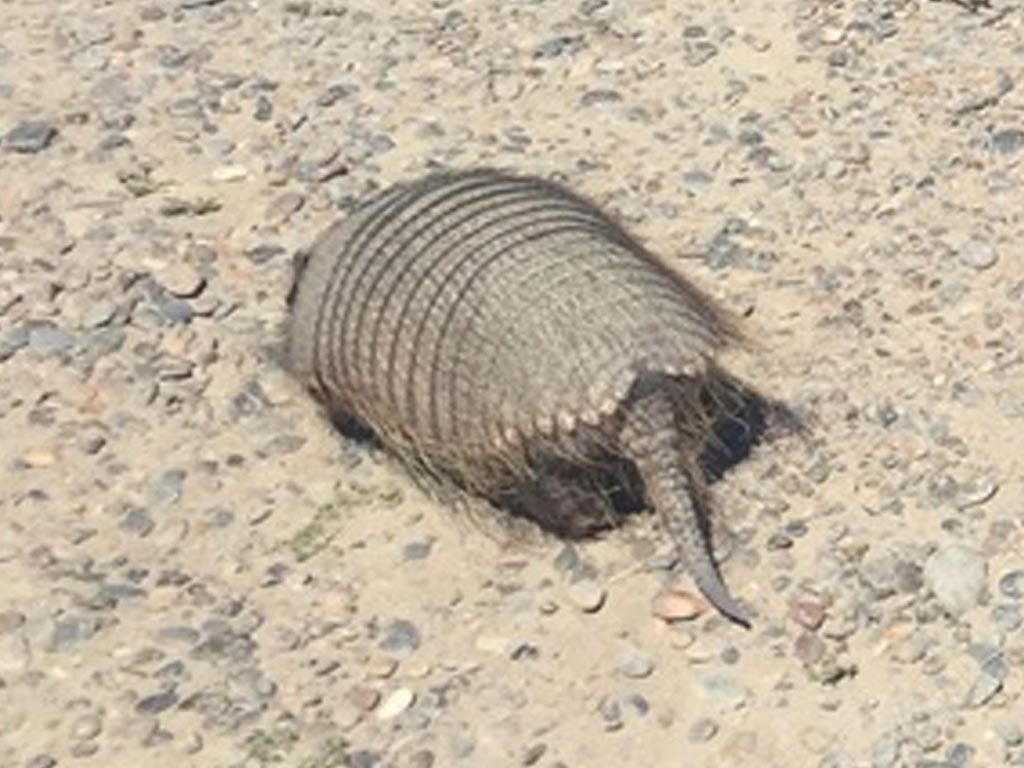
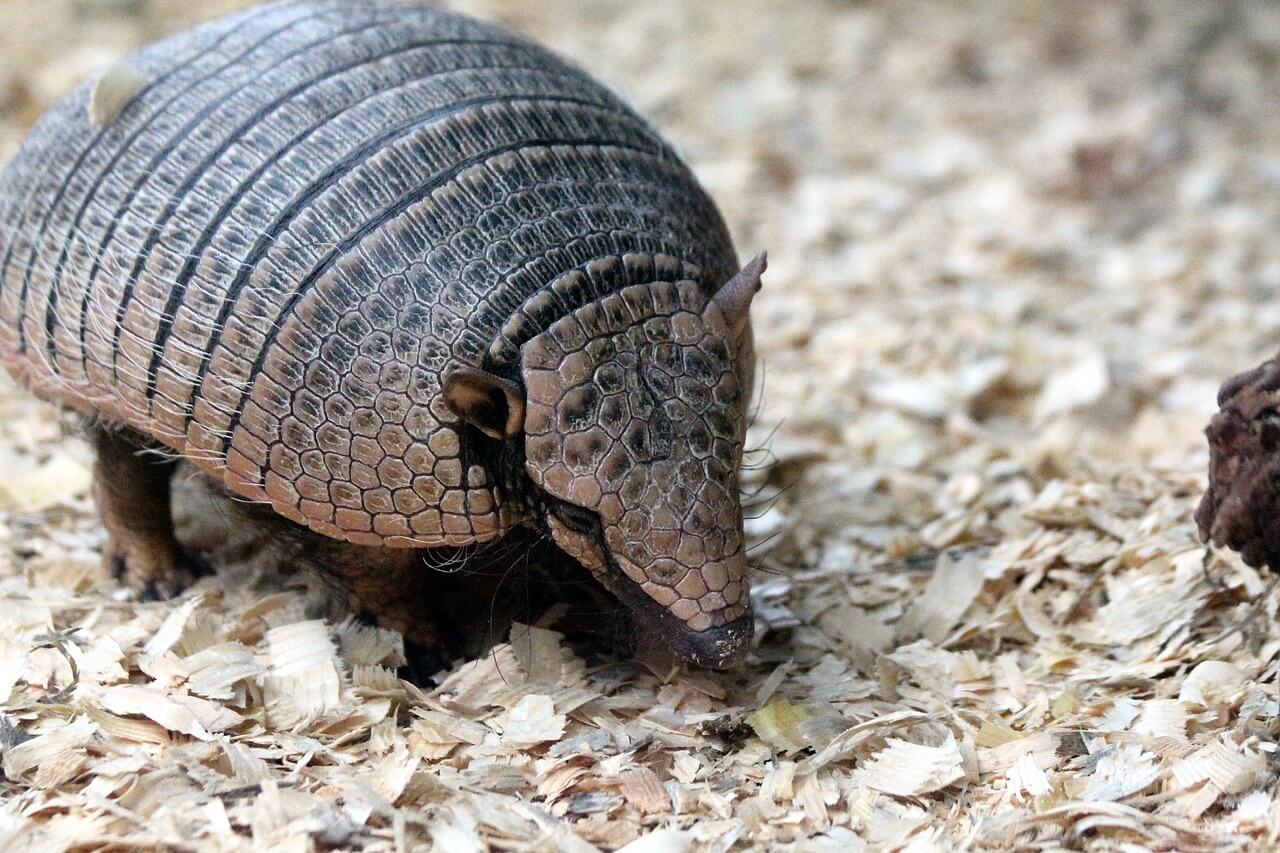
- Piches are small, furry armadillos that can be distinguished from other species by their short ears and serrated or pointed shell.
- The color of the shell varies from white to blackish, with a lighter longitudinal stripe on the dorsal part.
- The legs have strong claws that allow them to dig the burrows they use as shelters.
Evolutionary History and Ecology
This species has the southernmost natural distribution of all xenarthrans. It can be found from sea level to 2,500 meters of altitude in central and southern Argentina and Chile, and south to the Strait of Magellan.
A prehistoric mammal, piches belong to the superorder xenarthra or edentates, a group of exclusively American placental mammals that include anteaters, armadillos, and sloths. According to molecular evidence, they represent one of the four main clades of placental mammals.
Behavior and Reproduction
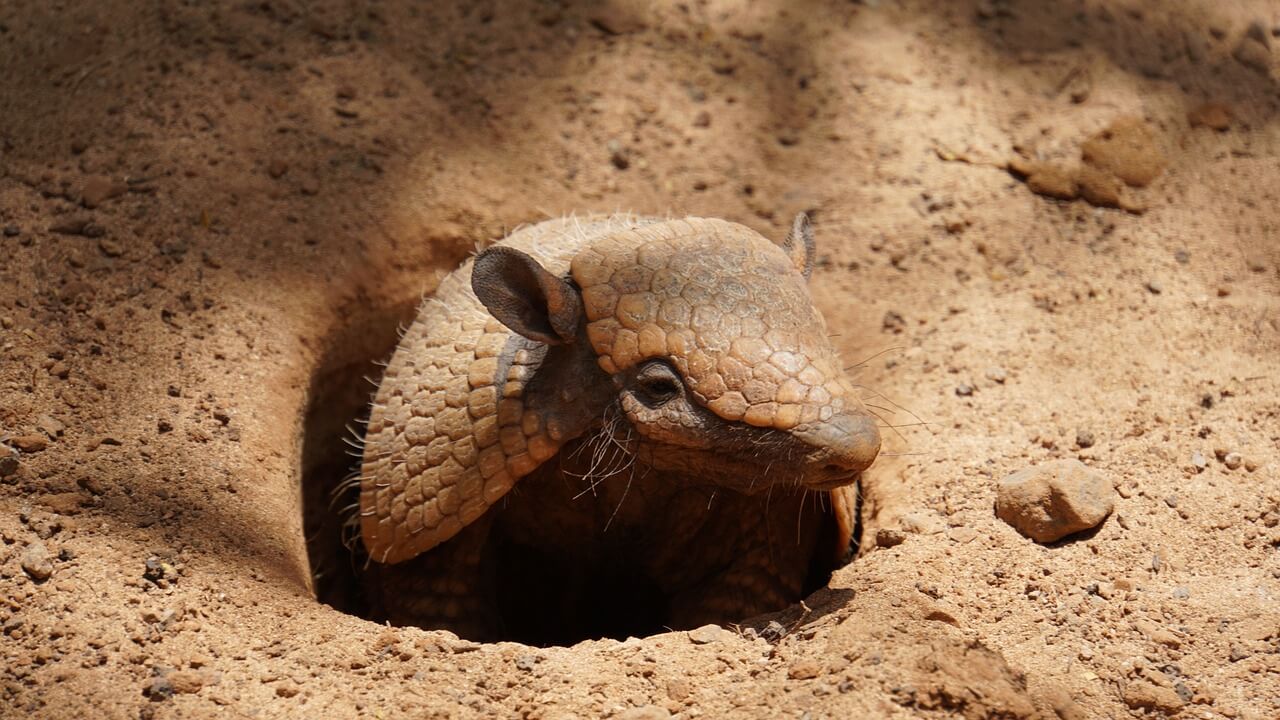
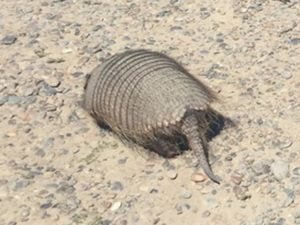
The Patagonian piche is a semifossorial animal with primarily diurnal and solitary habits. It inhabits shallow burrows to seek protection from predators, extreme cold in winter, and heat in summer. When threatened, it runs to hide in a burrow or digs a new one. It can also hide inside its shell and flatten itself against the ground, making it difficult for attackers to reach its soft belly.
This armadillo reaches sexual maturity at one year old, but some females do not reproduce until their second year. Females give birth to one or two, rarely three, pups per litter after a 60-day gestation period and produce only one litter per year.
Ecological Roles
Armadillos are generally known as keystone species for ecosystems due to the many ecological roles they play. The Patagonian piche, not being an exception, provides various benefits to the ecosystem it inhabits daily. One of these is that they are excellent pest controllers.
Threats and Conservation Status
The Patagonian piche is primarily threatened by climate change, as it is very sensitive to temperature changes, and by anthropogenic events such as roadkill, sport hunting or hunting for food (including hunting with dogs), illegal pet trade, land use changes, habitat fragmentation and displacement, and fires.
Globally, this species is classified as Near Threatened, as despite being relatively widespread and present in several protected areas, it is significantly persecuted, especially in its distribution range (northern Patagonia in Argentina), where many people value its meat and hunting the quirquincho is a relatively common activity.
This article is based on information obtained and modified from Ladera Sur, where you can find the original article and more details about the small Patagonian piche, the southernmost armadillo in the world.
For more information about the fauna of Patagonia, visit our fauna section and discover other fascinating species.
Frequently Asked Questions
1. What makes the Patagonian piche unique compared to other armadillos?
The Patagonian piche is the southernmost armadillo species in the world and the only armadillo capable of hibernating during winter and entering daily torpor during environmental stress. This adaptation allows it to survive in the harsh climates of southern Argentina and Chile, where other armadillo species cannot thrive.
2. Where can travelers find Patagonian piches in the wild?
Piches inhabit grasslands, shrublands, Patagonian steppes, and Andean valleys throughout southern Argentina and Chile, ranging from sea level to 2,500 meters in altitude and extending south to the Strait of Magellan. Their natural habitat spans one of the most remote and scenic regions of South America.
3. How can you identify a Patagonian piche by sight?
The piche is a small, furry armadillo distinguished by its short ears, serrated or pointed shell, and strong digging claws on its legs. Its shell color varies from white to blackish with a lighter longitudinal stripe running along the dorsal (back) part of its body.
4. What is the piche’s behavior during harsh weather?
Piches dig shallow burrows to seek protection from predators, extreme winter cold, and summer heat, and they can enter a hibernation-like state during winter or enter daily superficial torpor during periods of environmental stress. This remarkable adaptation is unique among armadillos and essential for surviving Patagonia’s extreme climate.
5. How long has the Patagonian piche existed?
The piche is a prehistoric mammal belonging to the superorder Xenarthra, an ancient group with a long evolutionary history. This lineage demonstrates the species’ remarkable adaptation to southern environments over millions of years.
6. What are the piche’s physical adaptations for its Patagonian lifestyle?
The piche possesses strong claws on its legs specifically adapted for digging burrows, a serrated shell for protection, and the physiological ability to hibernate and enter torpor during stress. These features collectively enable it to survive in the challenging Patagonian landscape where few other mammals can thrive.