
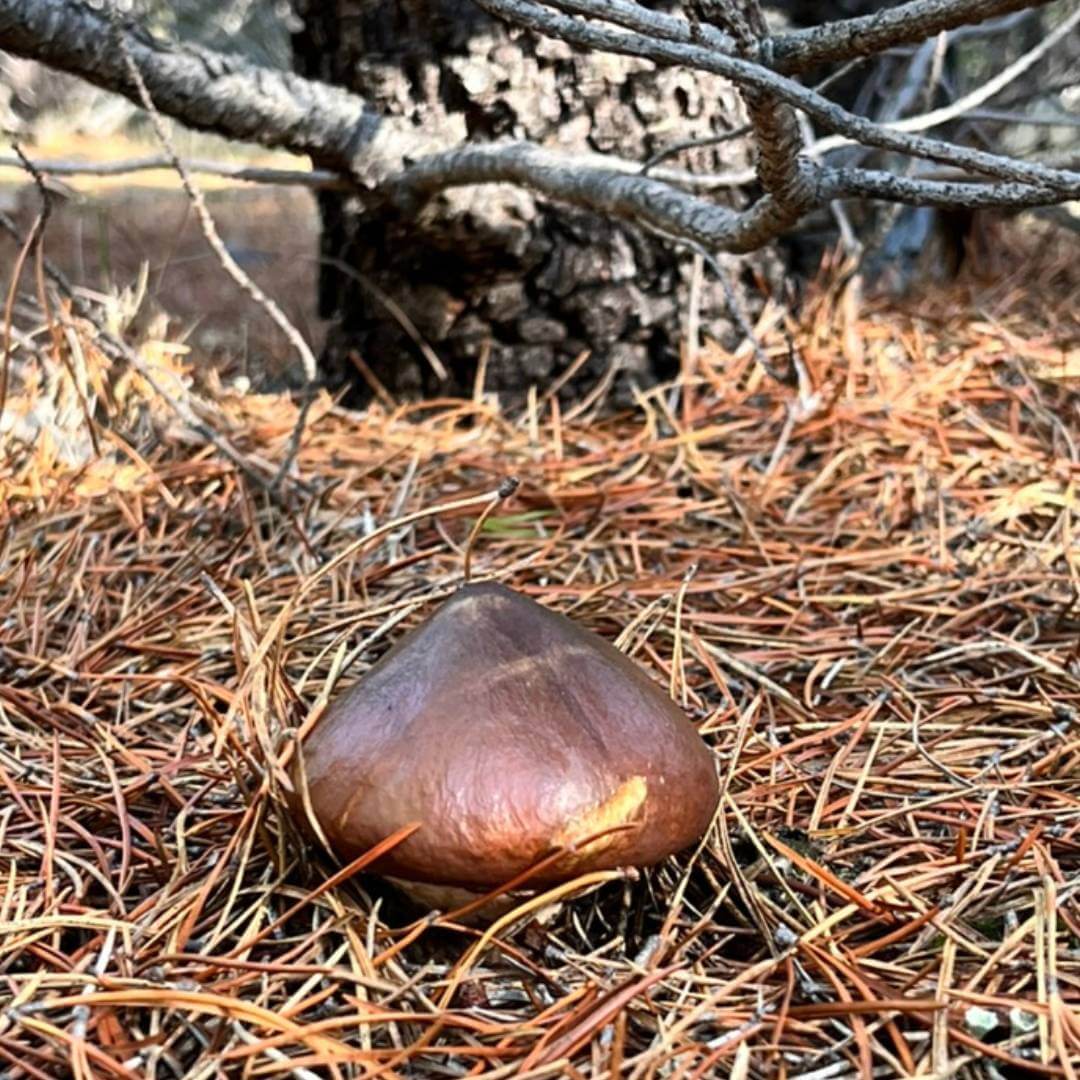
Discover the fascinating world of the pine mushroom (scientific name Suillus luteus), a hidden delicacy in the forests of Patagonia and a gourmet ingredient in fine cuisine. This guide will take you step by step through how to forage, dry, store, and cook with them.
Pine Mushroom Foraging
Pine mushrooms are typically foraged in the autumn, though they may also appear less frequently in spring.
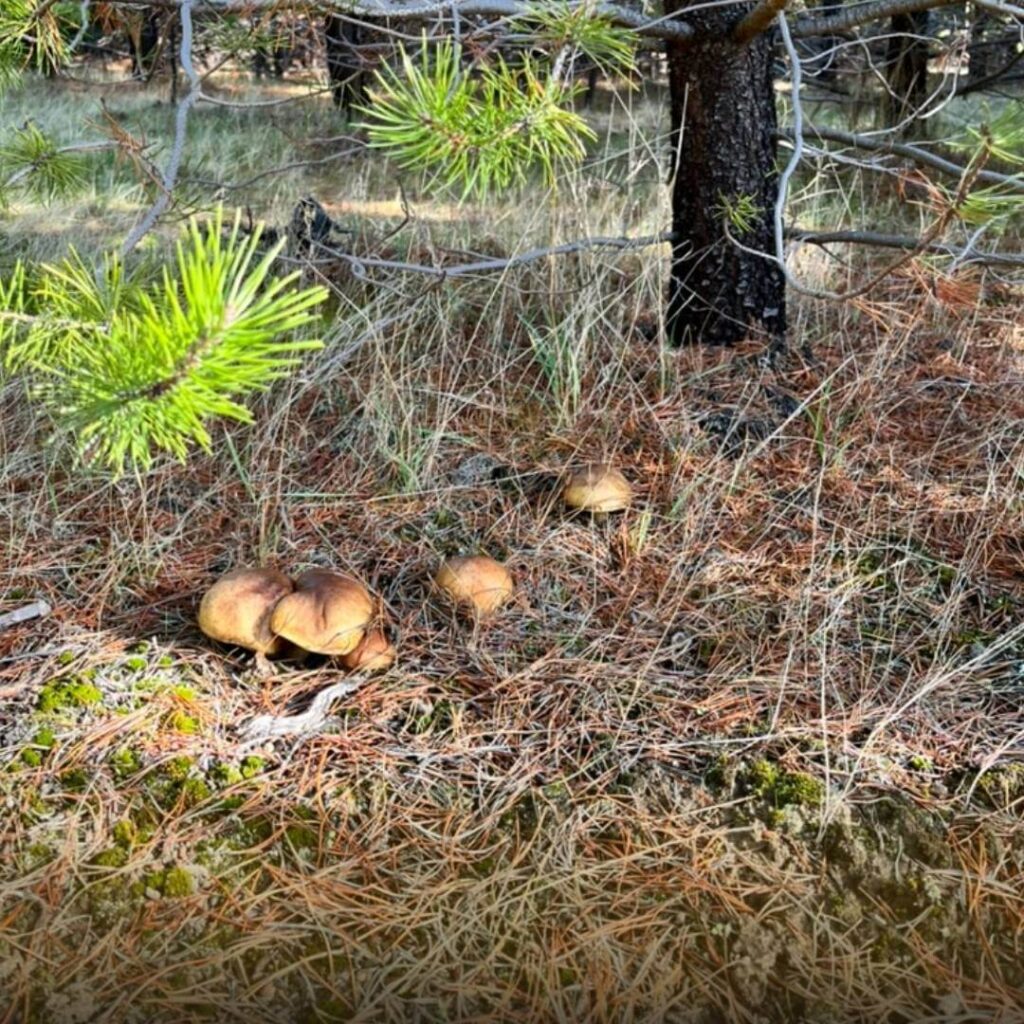
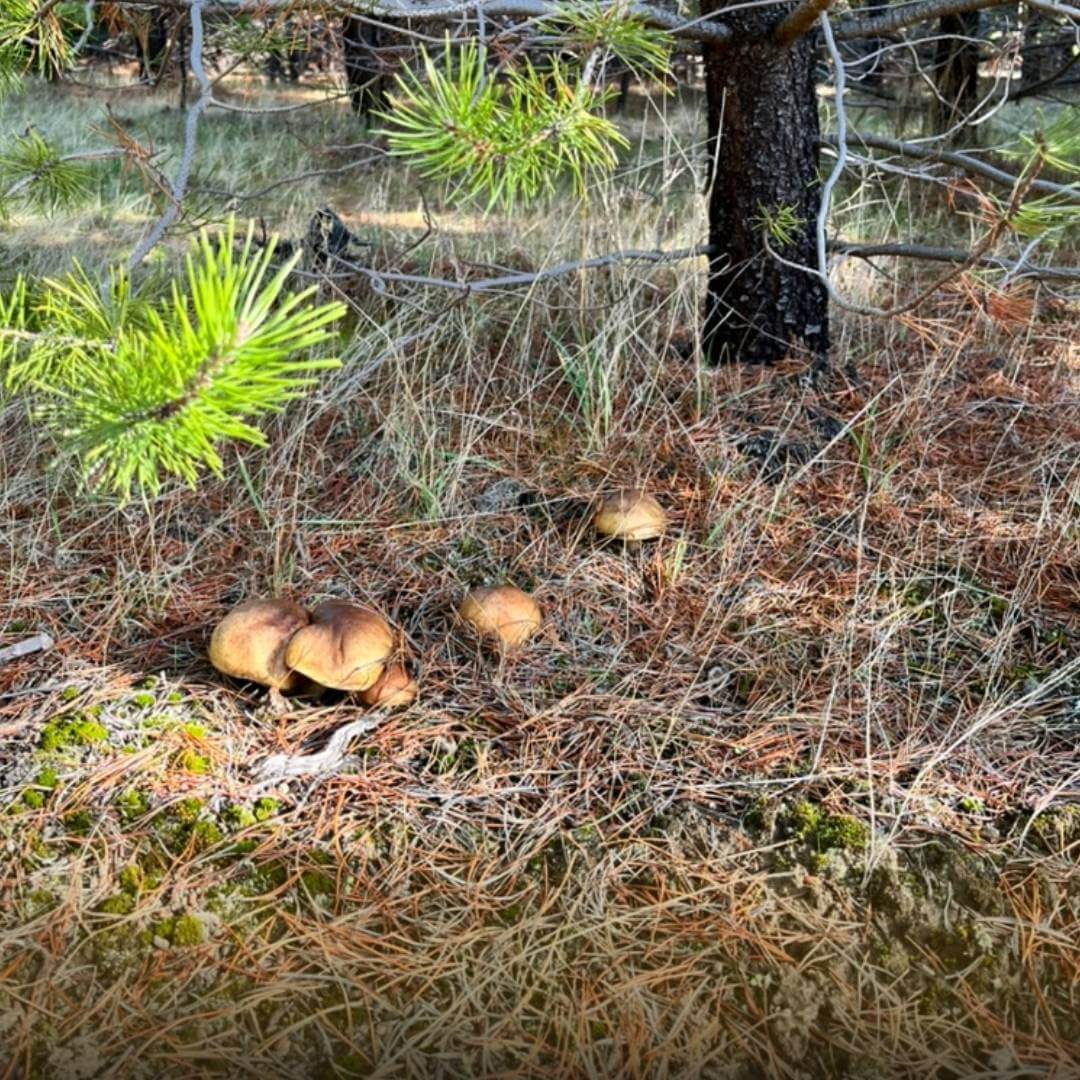
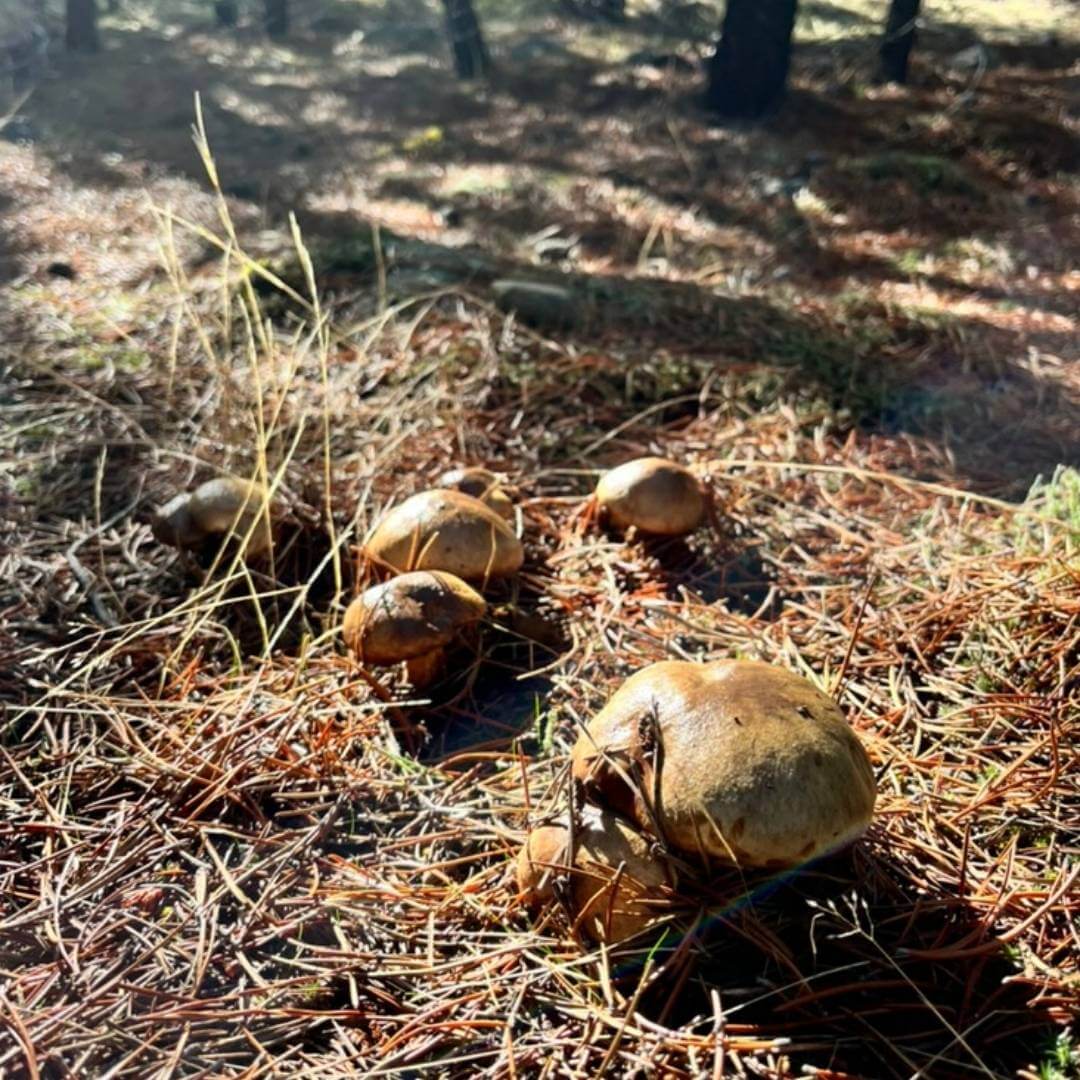
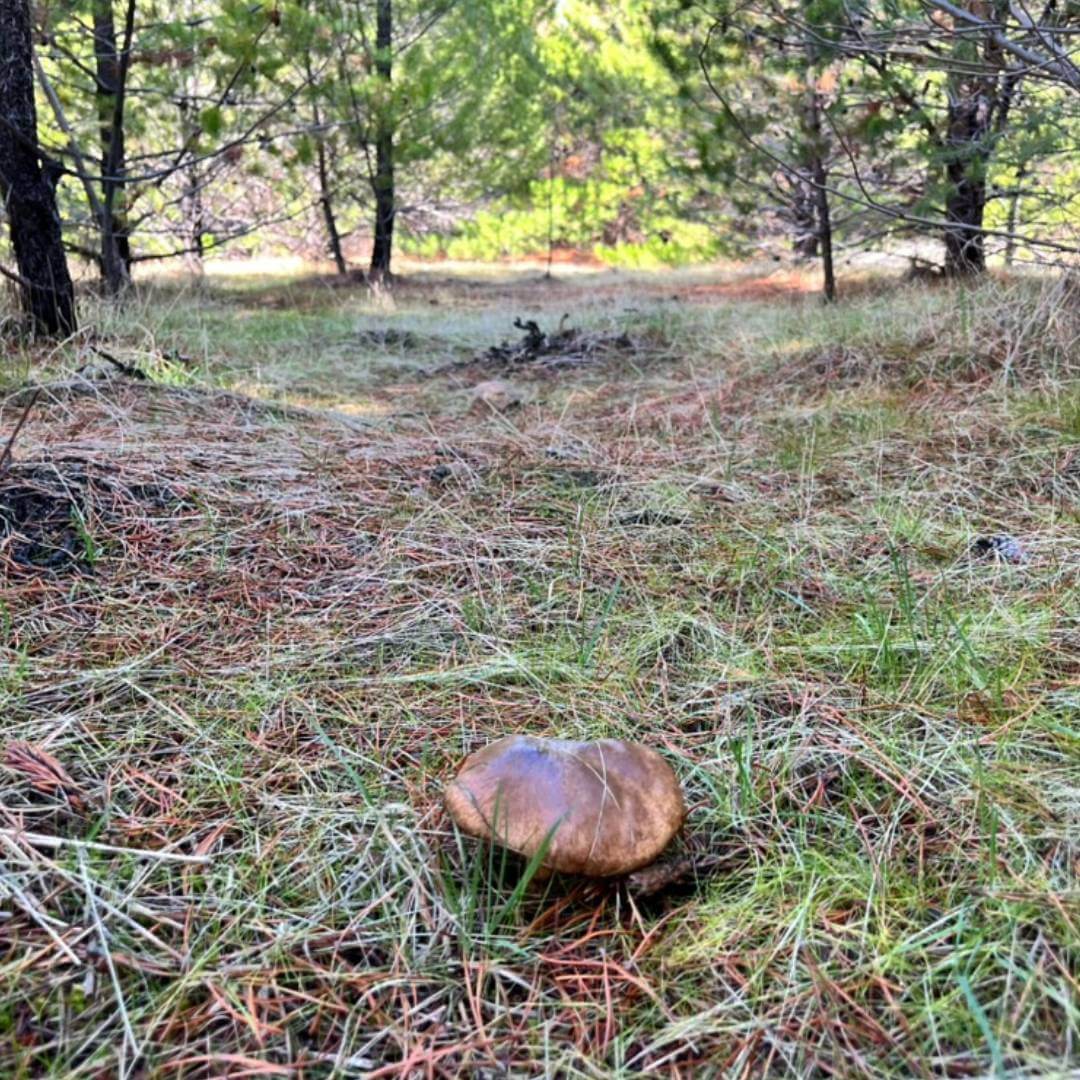
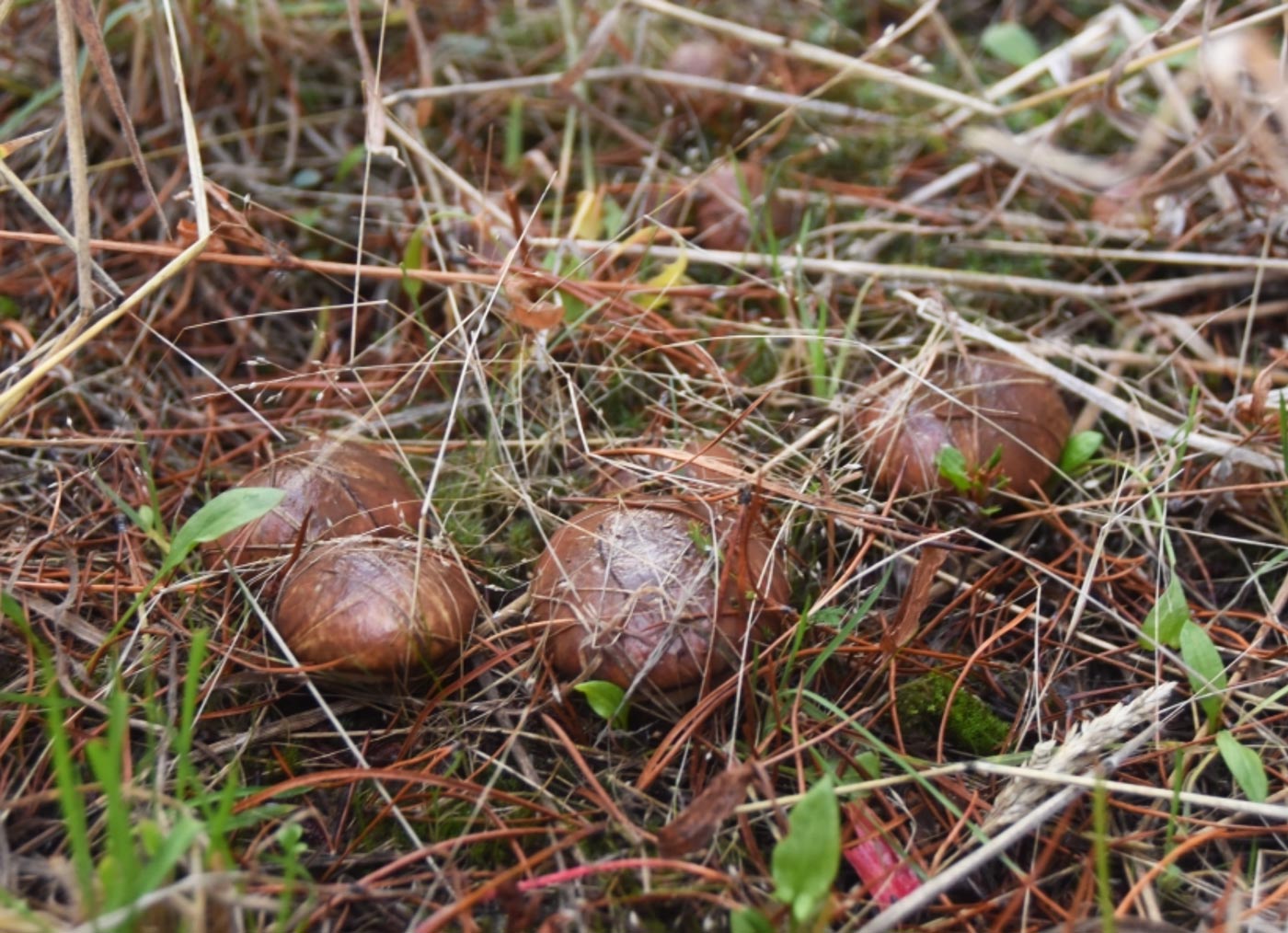
When looking for them, focus on areas dominated by pine trees, as these mushrooms are mycorrhizal and grow in symbiosis with their roots.
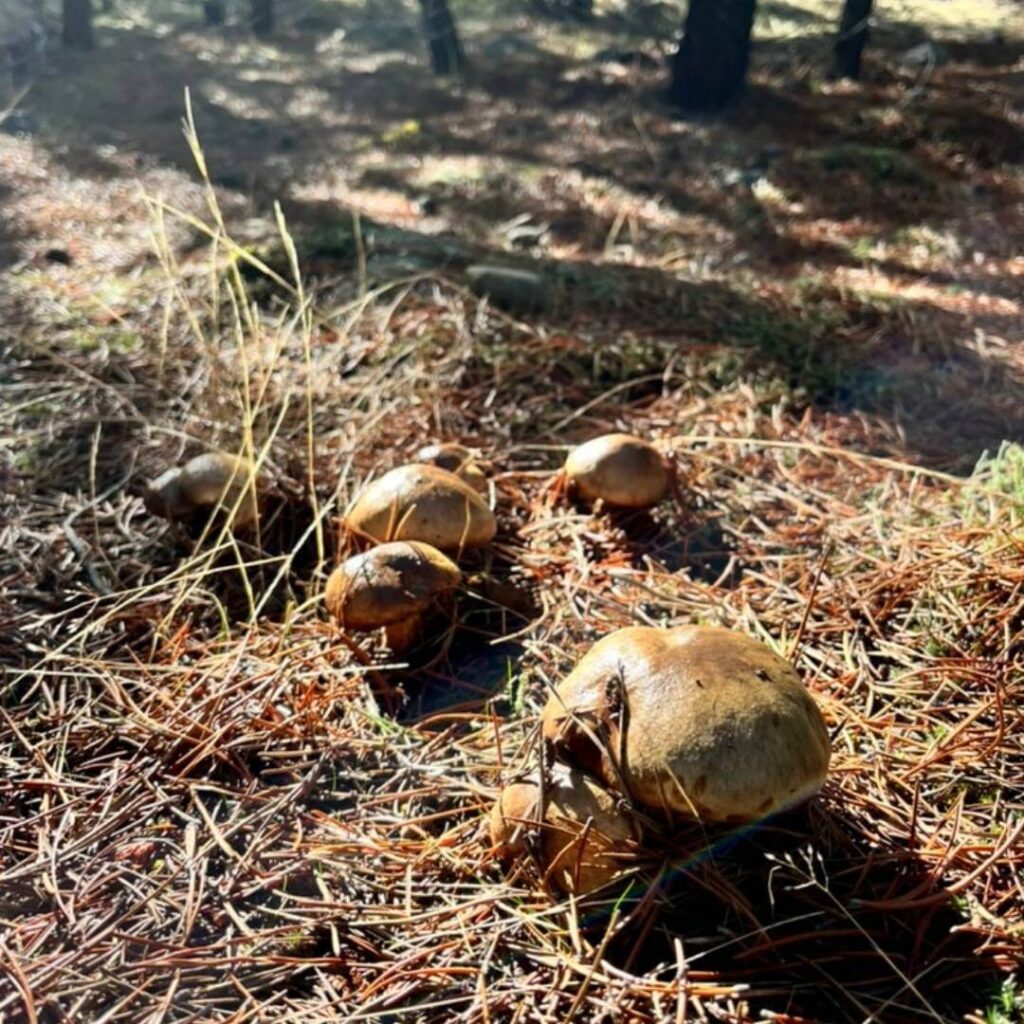
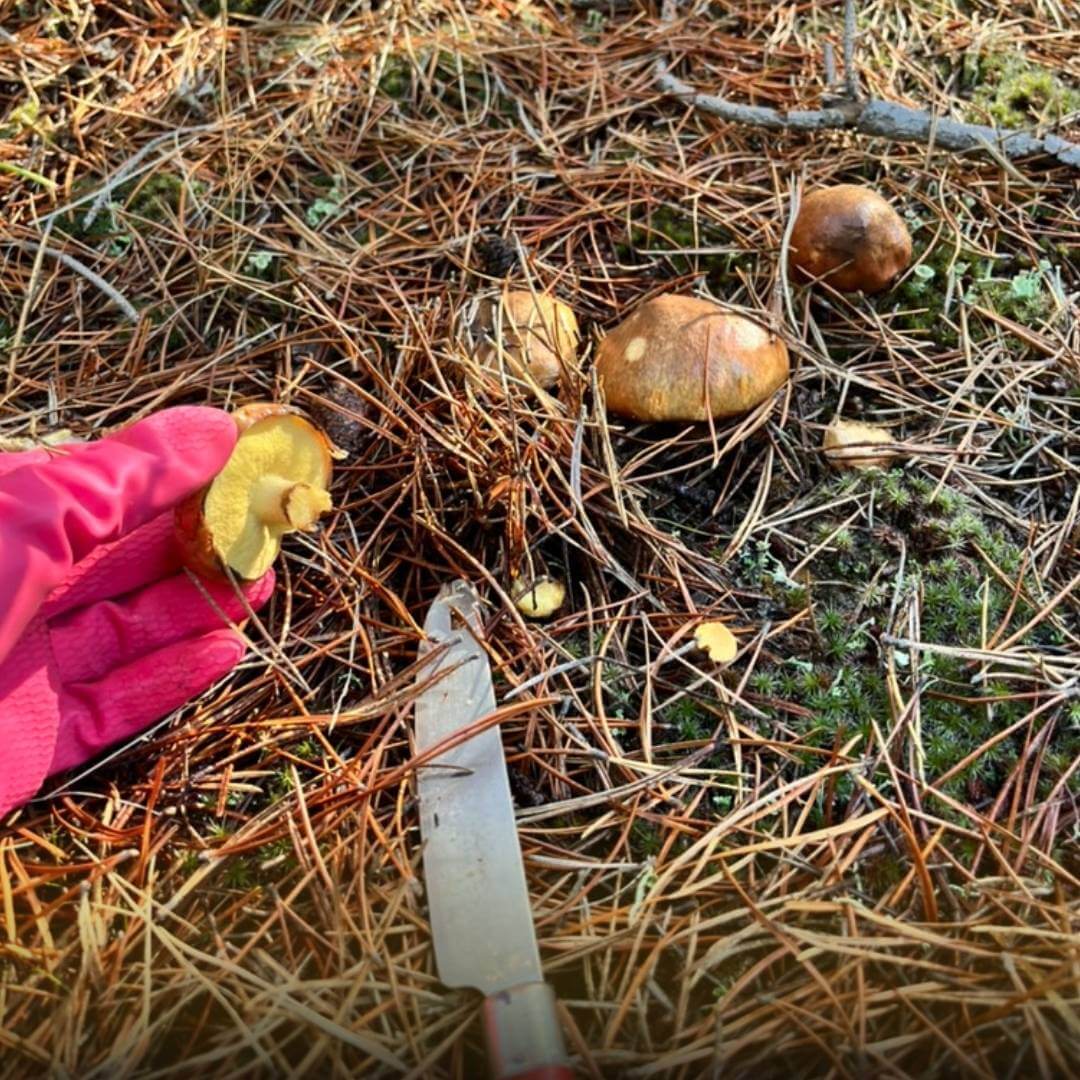
They are easier to find than morels. They grow beneath pine trees and under pine needles, in dense coniferous forests.
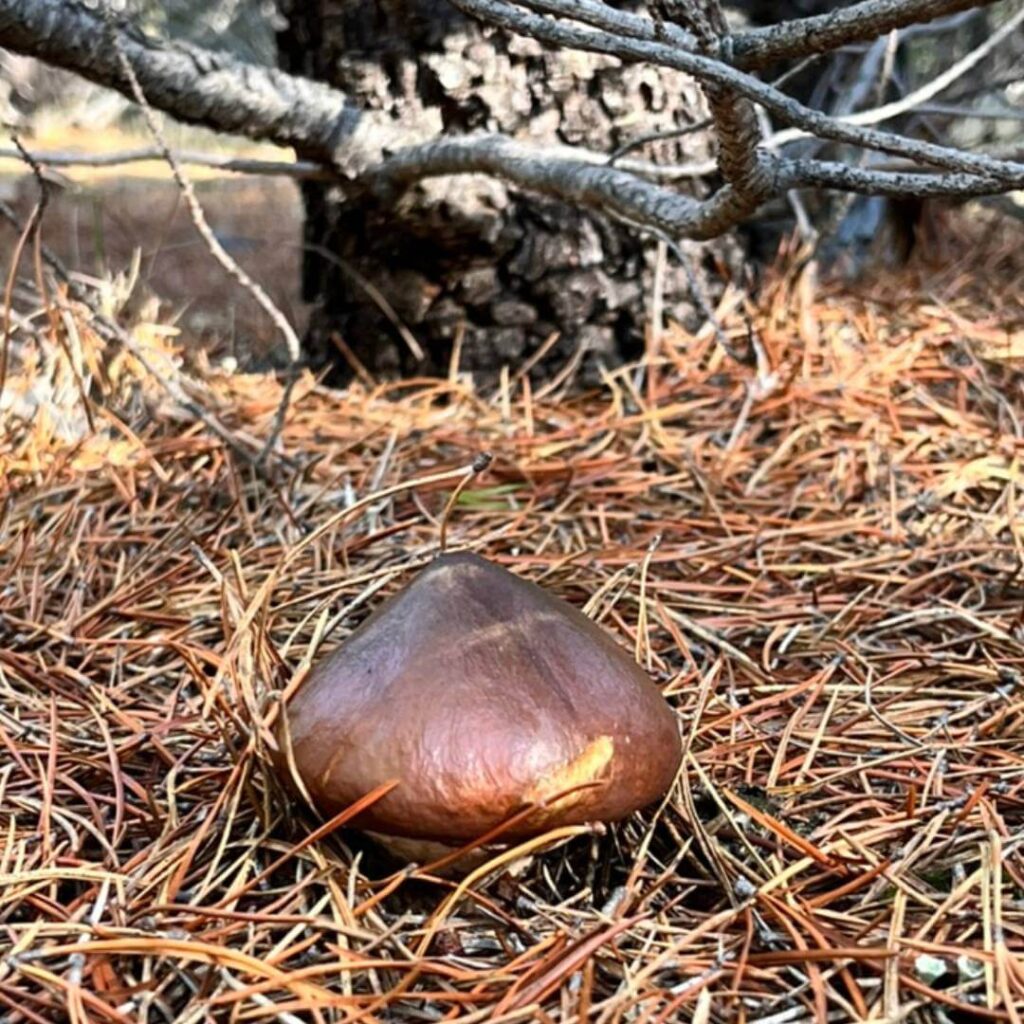
How to Identify a Pine Mushroom
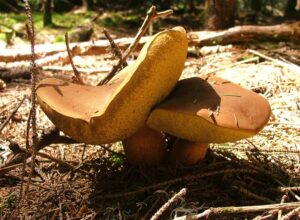
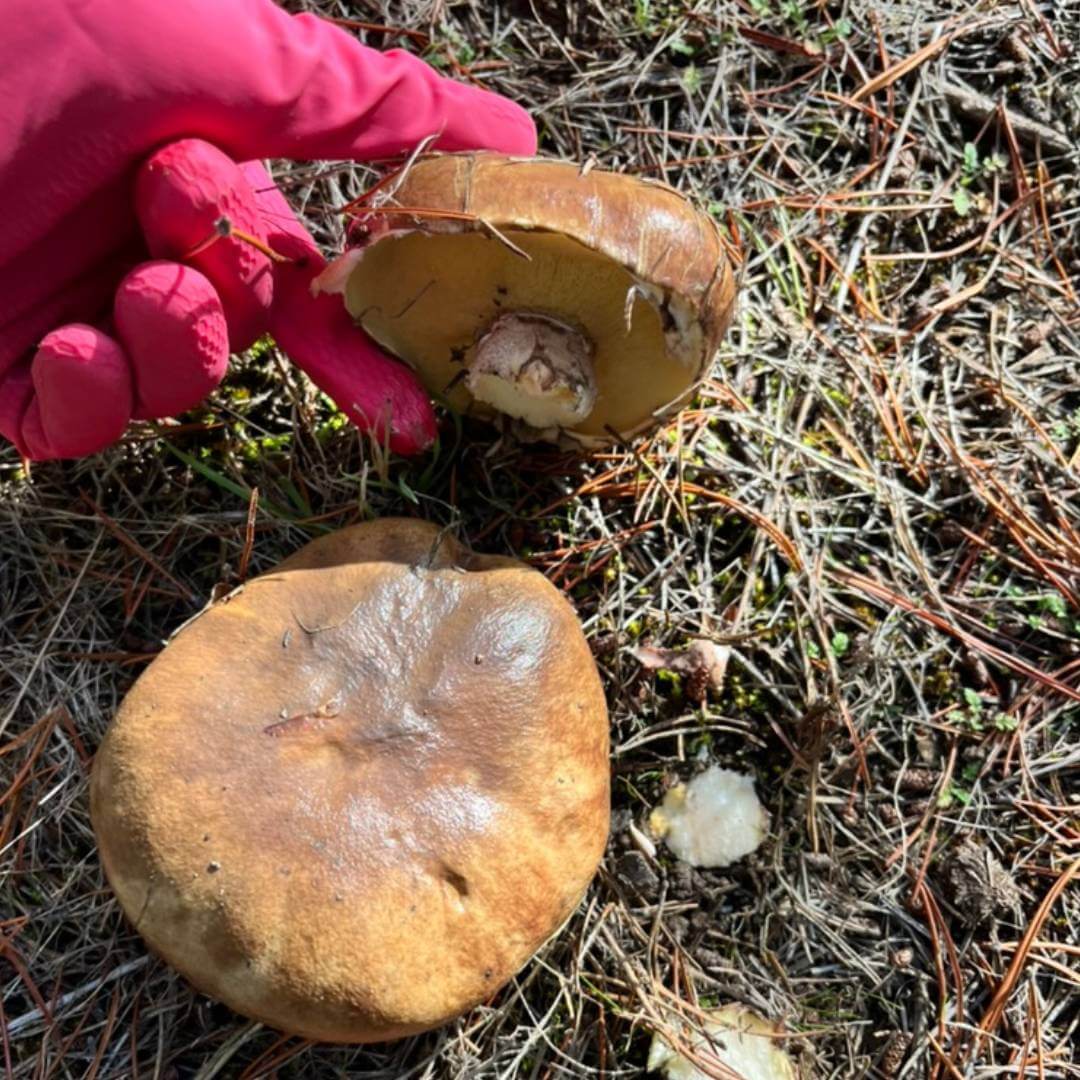
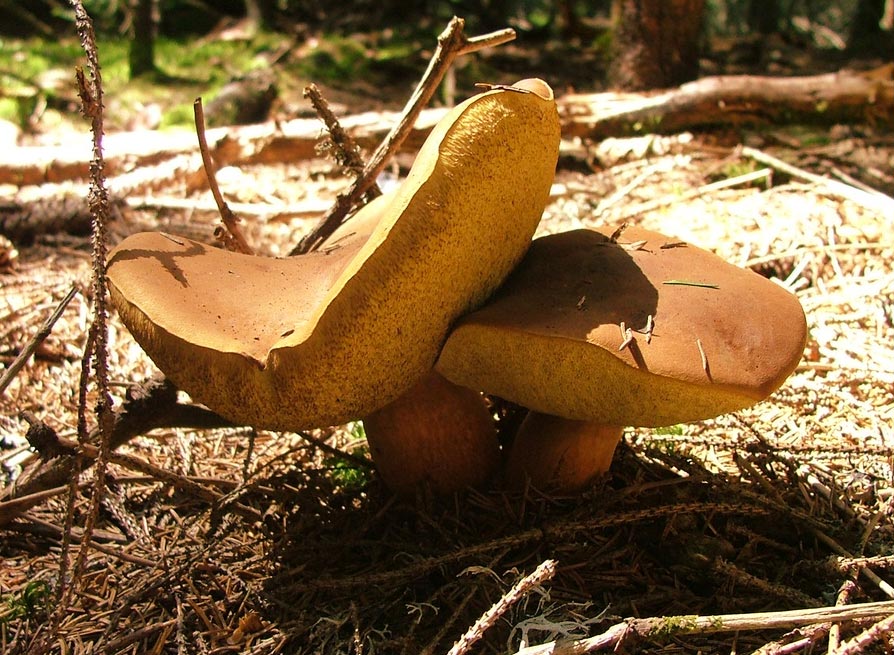
To properly identify a pine mushroom, look for the following characteristics:
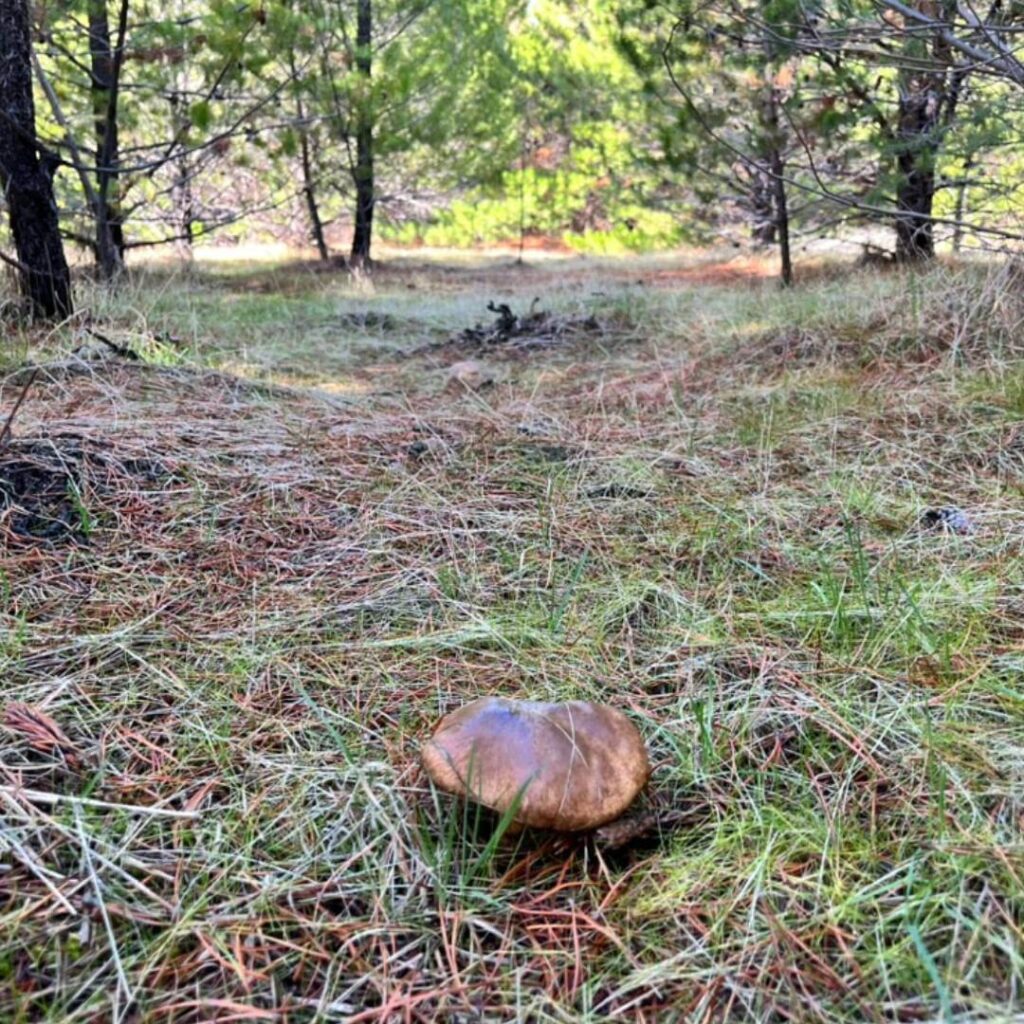
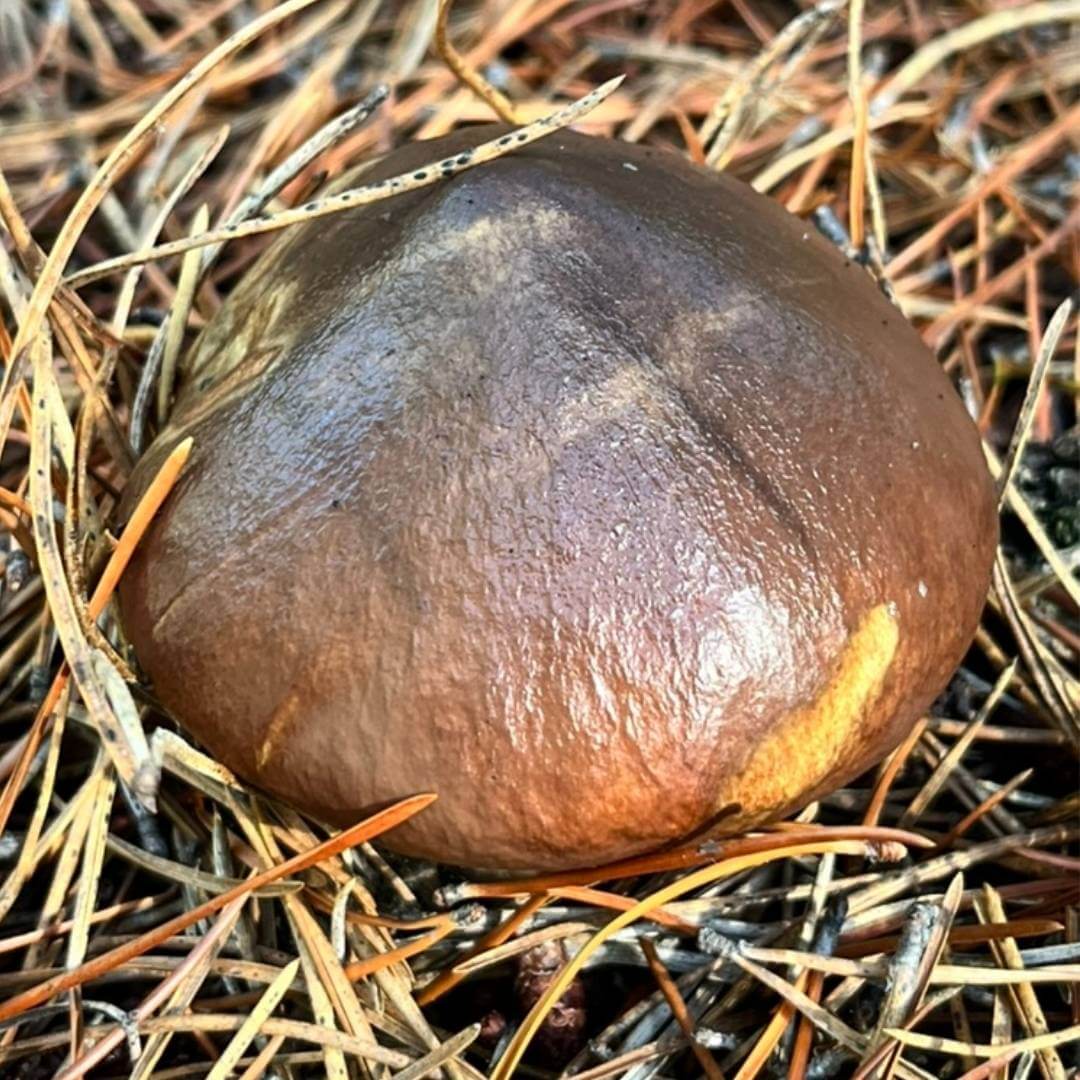
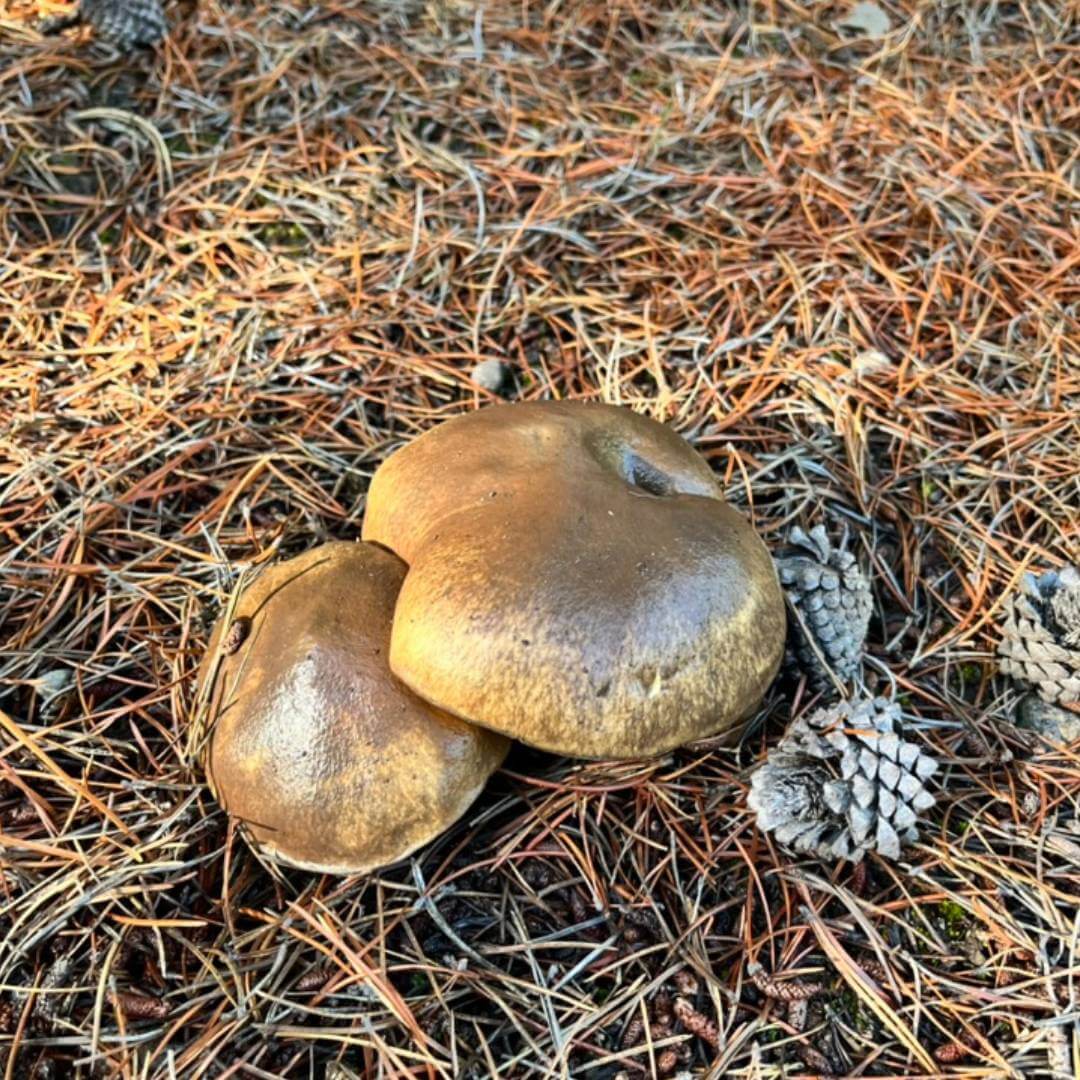
- Cap: Dark brown to yellowish ochre in color, with a smooth and sticky texture.
- Stem: Firm and pale.
- Location: Grows in symbiosis with pines, beneath fallen needles.
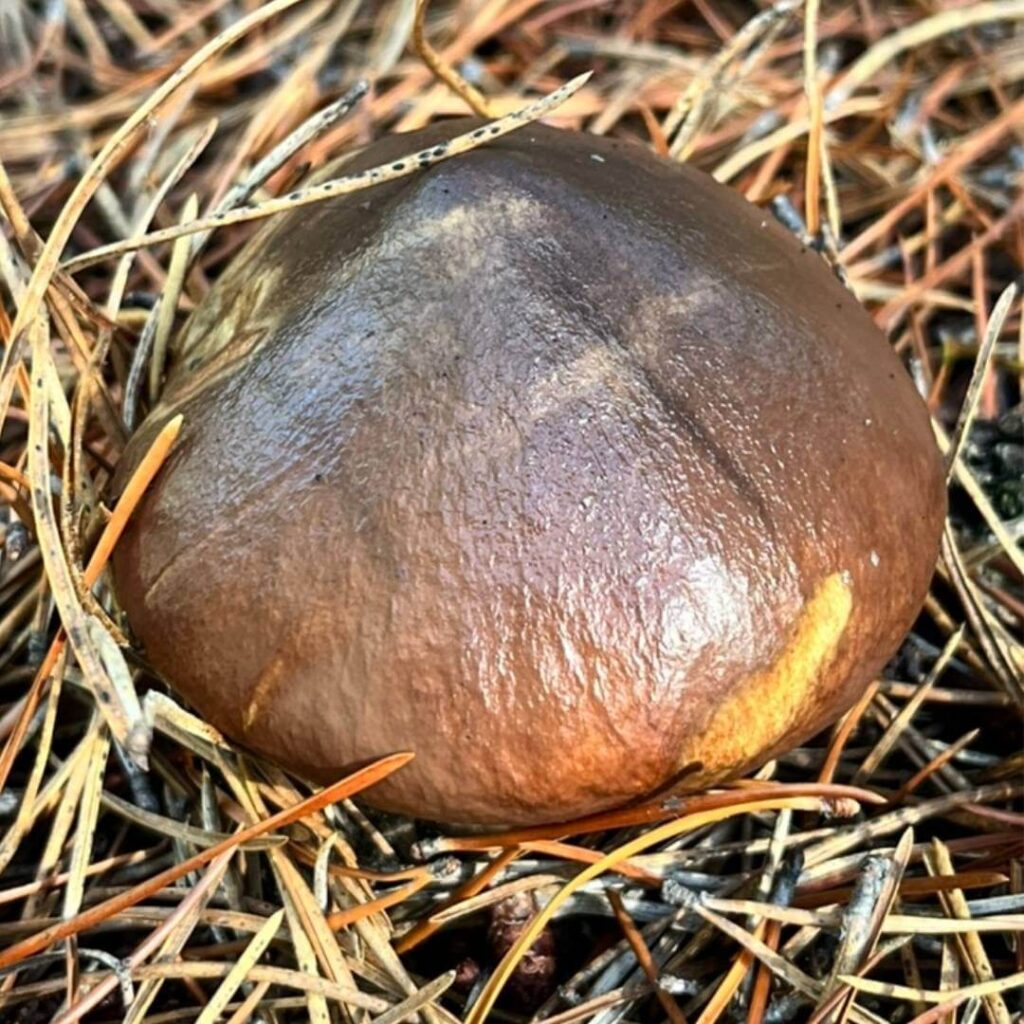
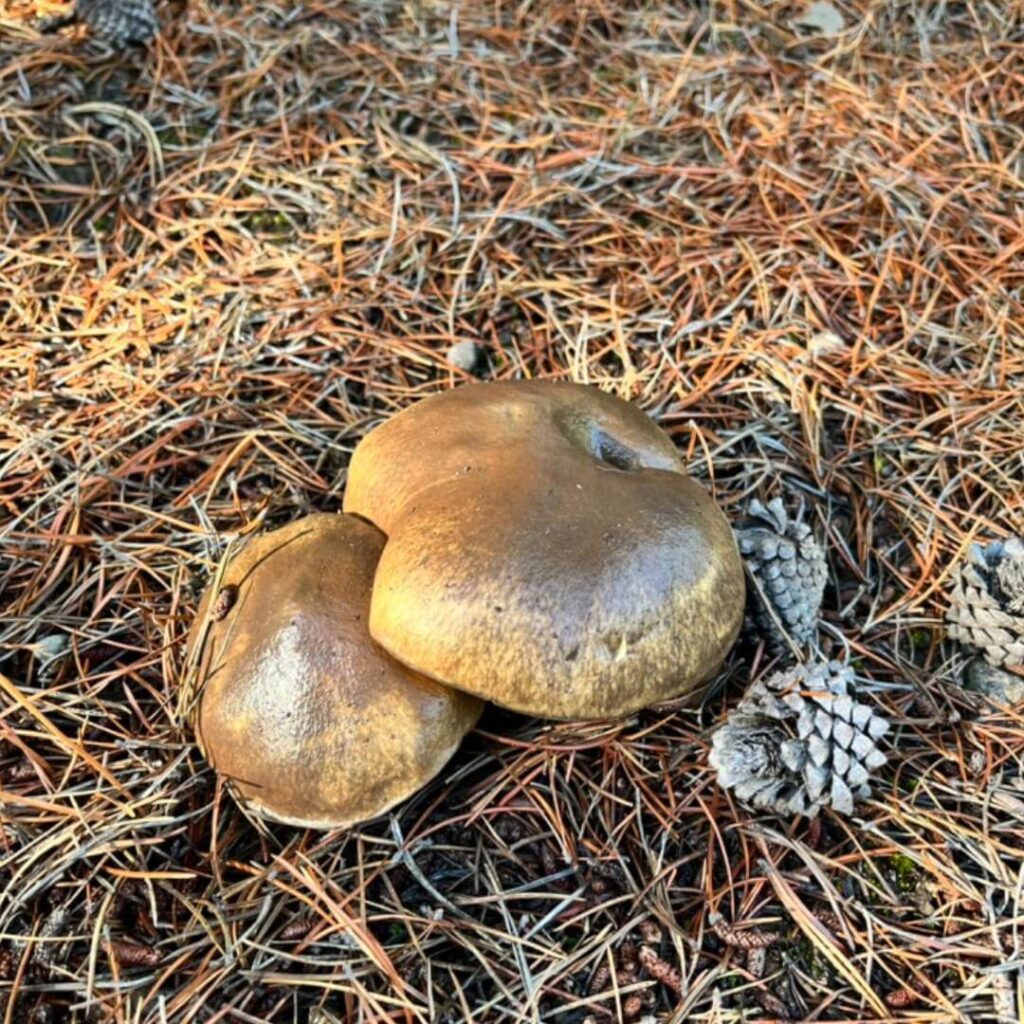
Method 1: Use a clean, sharp knife to carefully cut the mushroom at the base of the stem, avoiding damage to the mycelium and preserving future growth.
Method 2: Gently twist the mushroom from its base to detach it cleanly. Cut off the bottom part of the stem that was in contact with the soil to remove debris. You can leave that trimmed piece among the pine needles to support regrowth.
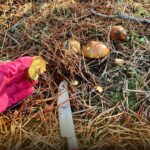
It’s essential to distinguish a healthy mushroom from one already decomposing.
A healthy mushroom has a firm cap and a yellowish spongy base, free of dark spots or mushy areas. The stem should appear clean and pale when cut. Paying attention to these details ensures a safe and quality harvest.
How to Dry Pine Mushrooms
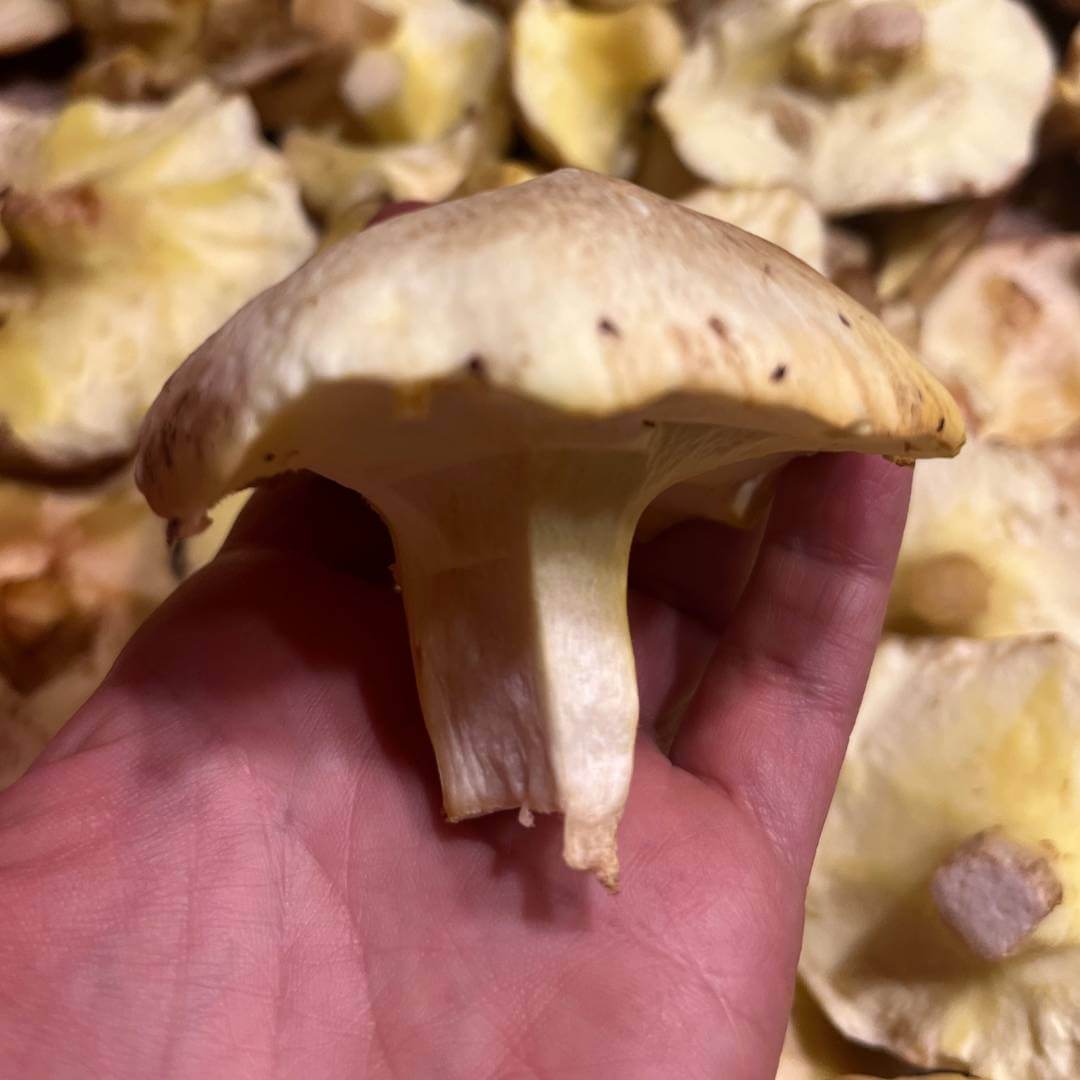
Drying pine mushrooms immediately after harvesting is crucial to prevent spoilage, as they contain a high amount of moisture.
Before drying, clean them manually:
- Peel off the outer sticky skin from the cap with a knife.
- Scrape or remove the spongy underside (hymenium) if too wet or damaged.
- Clean the stem by gently scraping its surface to remove dirt or debris.
Once clean, place the whole mushrooms on kraft paper or newspaper in a single layer and let them rest overnight to lose some moisture.
The next day, cut them into 2 or 3 pieces, or leave small ones whole. Then choose one of the following drying methods:
- If you have space, lay them out on a ventilated surface until fully dry.
- If space is limited, thread them with needle and string and hang in a dry, warm, well-aired place.
The process may take several days depending on the weather. They’re ready when completely dry and crisp to the touch.
We recommend wearing gloves during cleaning, as pine mushrooms can stain your hands with dark pigments that are hard to remove.
Video: Step-by-step Cleaning
Want to see how to clean a pine mushroom in under a minute? Check out this quick tutorial:
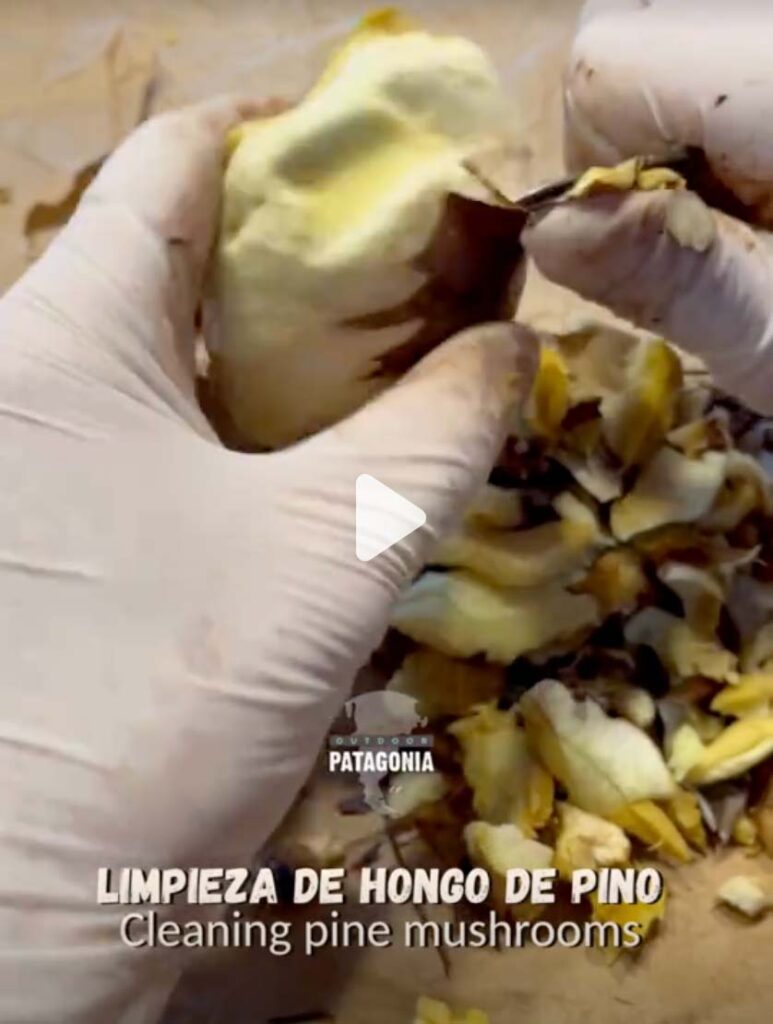
Click the image to open the video on Pinterest.
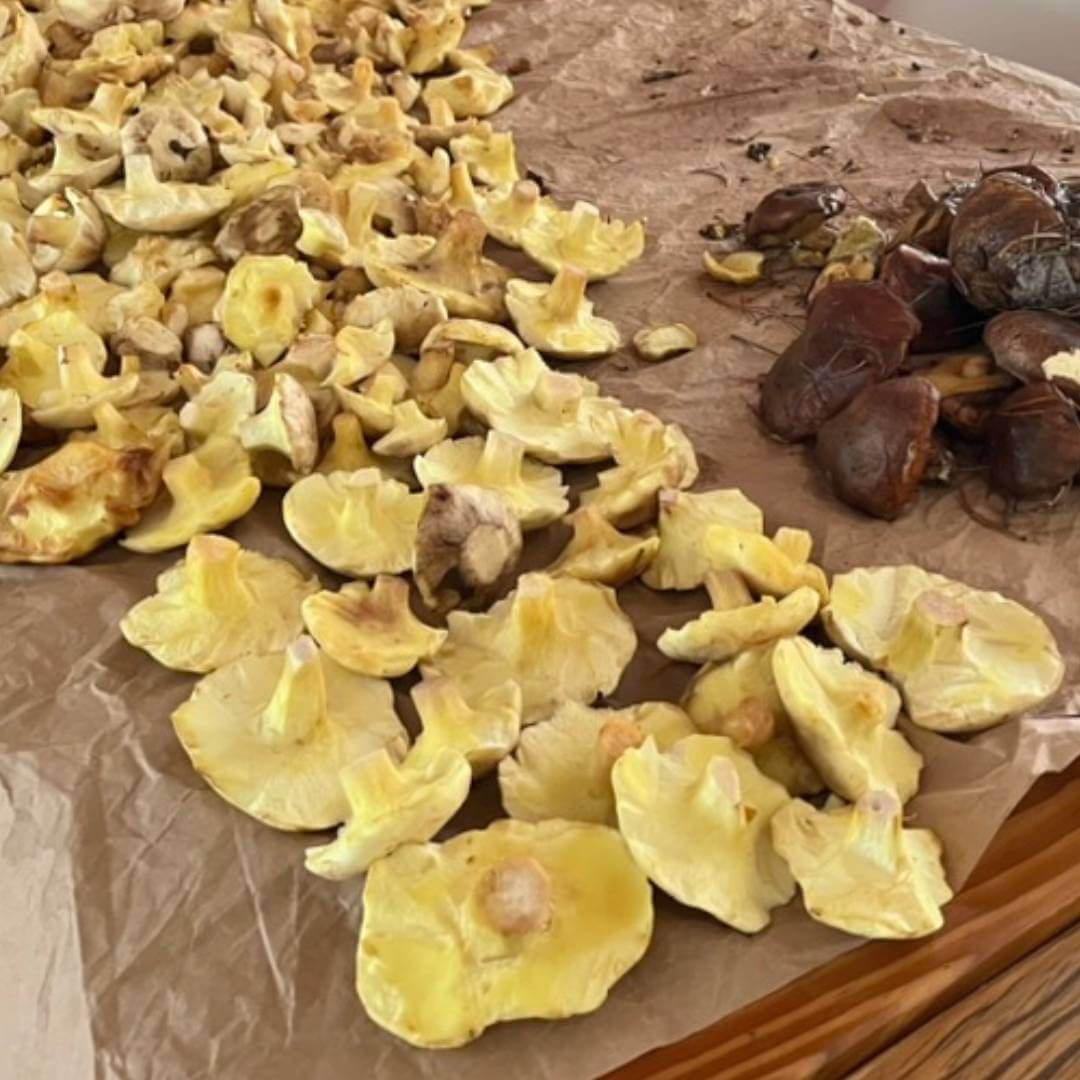
A highly recommended practice to promote the natural reproduction of Suillus luteus is to return the cleaning scraps to the forest, near where they were collected. Parts like the spongy underside, stem pieces, or cap skins can help regenerate the mycelium when left among pine needles. This technique, used by local foragers, has proven effective—new mushrooms have appeared in the same spots the following year, or even later that season. A simple but powerful gesture for sustaining the mycological ecosystem.
Storage
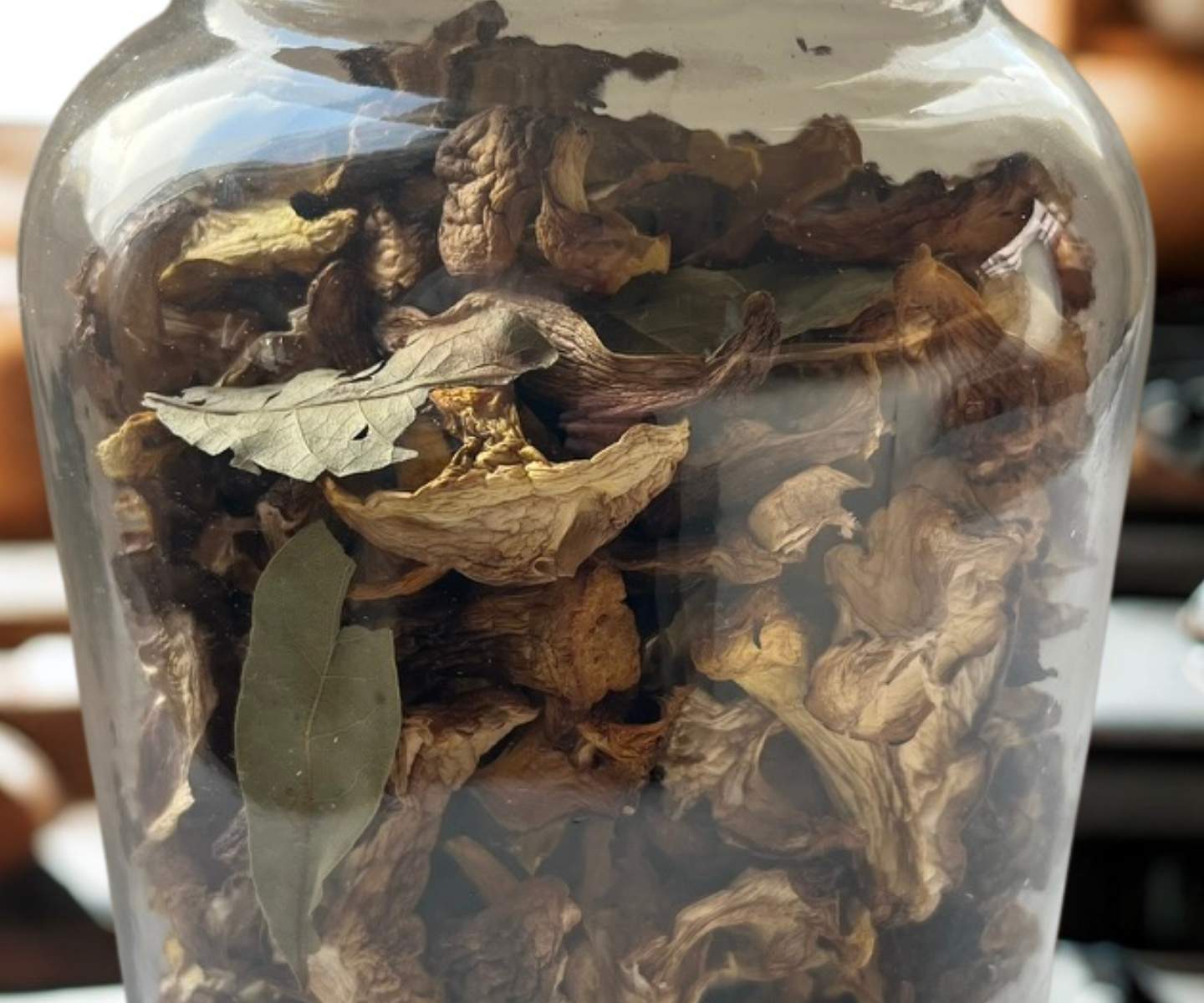
Once cleaned and dried, pine mushrooms can be stored for months or even years if kept in a cool, dry, and dark place, while maintaining their aroma and flavor.
Tip: For enhanced aroma during storage, you can add dried bay leaves or whole peppercorns to the jars.
Culinary Uses of Pine Mushrooms
In addition to being rehydrated and used in sautés, risottos, or pasta dishes, one of the most traditional ways to prepare fresh pine mushrooms in Patagonia is by pickling them. This technique enhances their flavor and turns them into a perfect appetizer for boards, bruschetta, or as a side dish.
Featured Recipe: Pickled Pine Mushrooms
Check out the full step-by-step recipe in the following article:
➡ How to Make Pickled Pine Mushrooms – Traditional Patagonian Recipe
We’ll soon be sharing more mushroom recipes: sautés, gnocchi with mushrooms, and regional dishes. Stay tuned!
Nutritional Properties of Pine Mushrooms
Pine mushrooms offer numerous health benefits. They are an excellent source of protein, B vitamins, vitamin D, antioxidants, and minerals like zinc and selenium. They are also low in fat and sodium, making them ideal for a healthy and balanced diet.
Health Benefits of Pine Mushrooms
Regular consumption of pine mushrooms may help:
- Boost the immune system: Thanks to their antioxidant and vitamin content.
- Support bone health: Due to their vitamin D content.
- Promote healthy digestion: Thanks to their high fiber content.
- Provide energy: B vitamins help convert food into fuel for the body.
It’s essential to forage sustainably: never pick all the mushrooms from a single patch. Leaving some ensures continued reproduction and helps maintain the health of the forest ecosystem.
If you’re unsure whether a mushroom is edible, always consult reliable sources or experienced foragers. The fungi world includes toxic species that can be harmful to health.
Whether you venture into the forest to search for these hidden treasures or incorporate them into your next gourmet meal, pine mushrooms are a wonderful way to connect with nature and enrich your nutritional routine.
Frequently Asked Questions About Pine Mushrooms
How do you properly clean pine mushrooms?
First, peel off the sticky skin from the cap, then scrape the stem and spongy underside with a knife. Do not wash with water—clean them dry.
How long do dried mushrooms last?
If stored in glass jars with bay leaves in a dry, dark place, they can last for years without losing flavor or aroma.
When is pine mushroom season in Patagonia?
The best time is in autumn, especially after light rains. In some areas, they can also be found in early spring.
How can you tell if a pine mushroom is edible?
It should have a firm cap, yellowish base, and no dark spots or mushy parts. When in doubt, do not consume.
What are the nutritional benefits?
They’re low in fat and rich in vitamin D, fiber, antioxidants, and minerals like selenium and zinc. They provide energy and support immune health.