🌍 Introduction
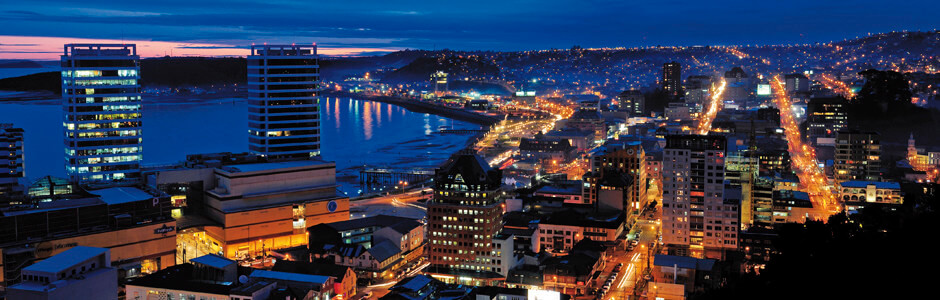
Located in southern Chile, Puerto Montt is the capital of the Los Lagos Region and widely regarded as the gateway to Chilean Patagonia. Founded on February 12, 1853 under President Manuel Montt’s German colonization program—led by Vicente Pérez Rosales—the city emerged around the original settlement of Melipulli (“four hills”). Over 250,000 residents now live here, and the city connects Puerto Montt day tours, bus Puerto Montt to Bariloche, and Puerto Montt shore excursions to destinations like Bariloche and Chiloé.
Moreover, it serves as a logistics and tourism hub: you can book flights from Santiago to Puerto Montt or catch a ferry to Chiloé Island. Additionally, visitors can enjoy fjord cruises and treks through ancient forests under volcanoes such as Osorno and Calbuco. The austral summer (November to March) is perfect for cultural festivals and outdoor activities along Reloncaví Sound.
Did you know?
The city’s original name, Melipulli, means “four hills” in Mapudungun and remained in use until the late 19th century.
📜 History & Discovery
Origins of Puerto Montt
Prior to its founding, the area known as Melipulli (“four hills” in Mapudungun) had small indigenous and peasant settlements relying on subsistence farming and fishing. Under President Manuel Montt’s Colonization Plan, on February 12, 1853, Vicente Pérez Rosales officially established a settlement called “Astillero de Melipulli,” making it the capital of the Llanquihue Colonization Territory.
German Colonization
Beginning in 1852, the Chilean government sent German settlers to develop the southern region. These immigrants introduced modern farming techniques, raised livestock, and built wooden homes with Central European influence. Their presence shaped the city’s architecture, urban design, and culture, particularly in areas like Angelmó and along Lake Llanquihue’s shores.
Key Historical Milestones
- 1853: Official founding of “Astillero de Melipulli” (later Puerto Montt) on February 12 by Vicente Pérez Rosales.
- 1912: Inauguration of the Puerto Montt–Talca railroad, linking the city to central Chile and encouraging migration from rural areas.
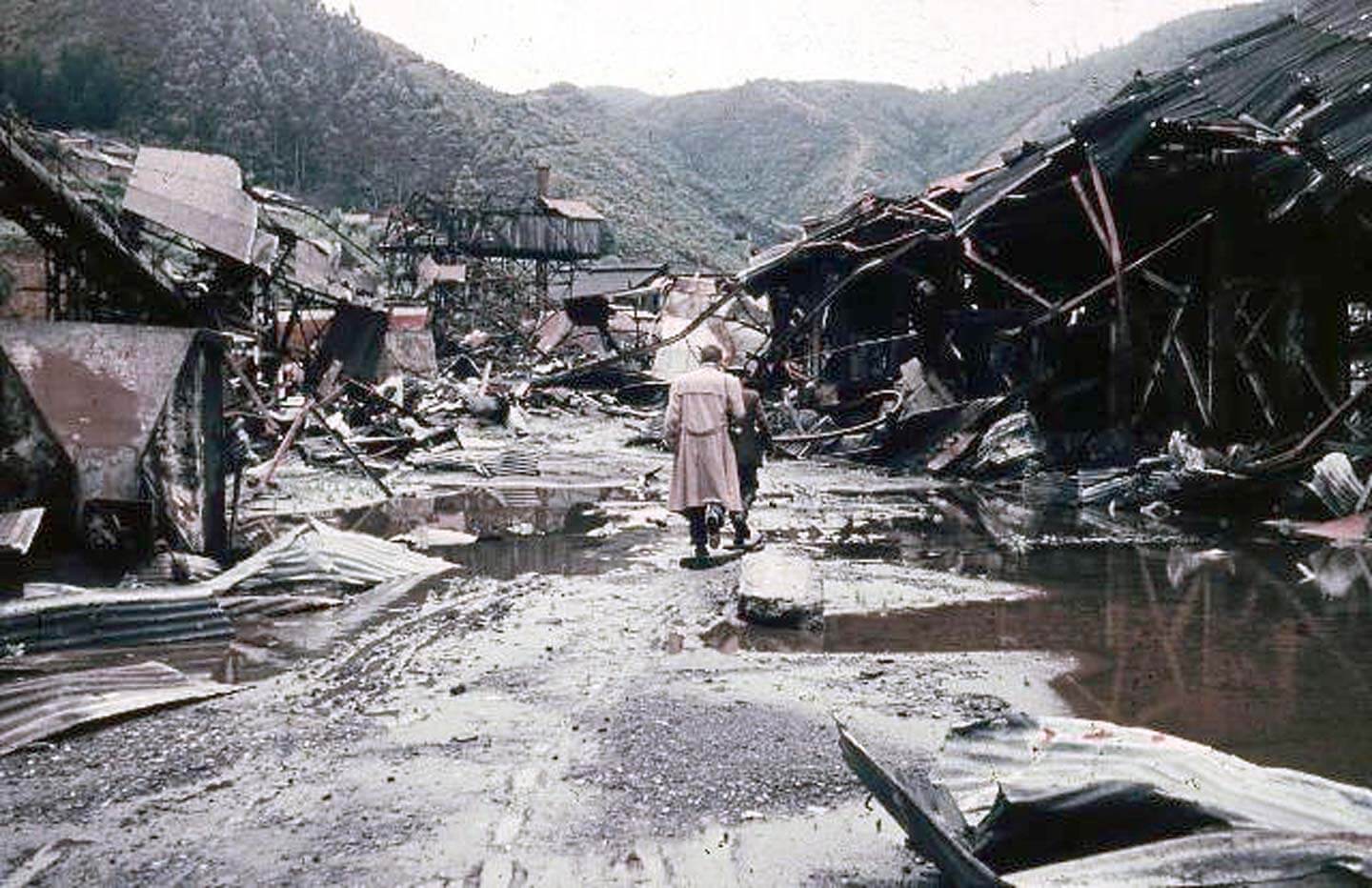
- 1960: Valdivia earthquake on May 22, magnitude 9.5, generated a devastating tsunami that destroyed about 70 % of buildings and severely affected Angelmó and the Miramar neighborhood—this remains the largest recorded earthquake in human history.
- 1979: Establishment of Los Lagos Region on September 20 and designation of Puerto Montt as its regional capital.
How long did the 1960 Valdivia earthquake last? The event lasted about 210 seconds, with its epicenter near Traiguén in the Araucanía Region. The rupture zone exceeded 1,000 km between the Arauco and Taitao peninsulas, making Valdivia and its surroundings the hardest hit.
🗺️ Geographical & Artistic Description
Location & Landscapes
Puerto Montt sits at 41.47° S, 72.94° W on the coast of the Reloncaví Sound in Chile’s intermediate depression. It borders Puerto Varas to the north, Cochamó to the east, Calbuco to the southwest, and Maullín and Los Muermos to the west. Its coastal position makes it the gateway to Chilean Patagonia and Chiloé, welcoming over 500,000 annual visitors.
The terrain features low hills (such as Cerro Miramar), coastal plains, and the interface with fjords and channels. The city lies at the foot of iconic volcanoes: Osorno (2,652 m) and Calbuco (2,015 m), both visible from downtown. Furthermore, the Reloncaví Fjord marks the start of the Carretera Austral, and its waters host native species like puye and robalo fish.
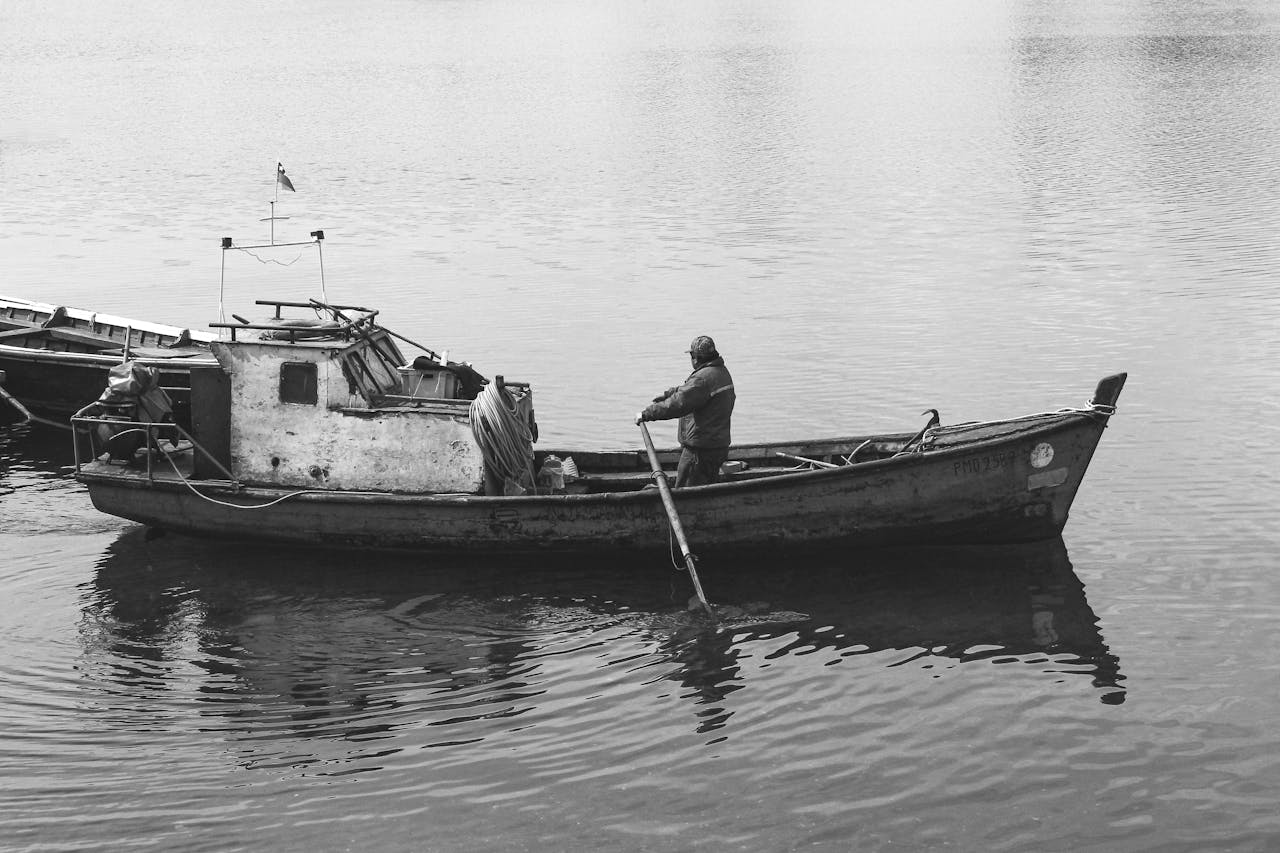
- Waterfront Promenade: A coastal boardwalk along Reloncaví Sound, perfect for spotting fishing vessels and enjoying bay views.
- Tenglo Island: A 4.7 km² island across the Tenglo Channel, featuring viewpoints, forest trails, and beaches. Its vegetation includes alerce, mañío, and ulmo.
- Alerce Andino National Park: Located 40 km west, it preserves relic alerce forests over 3,000 years old on volcanic “ñadi” soils, with annual rainfall exceeding 1,800 mm.
- Coastal Wetlands: Flooded areas on the urban periphery that serve as habitat for migratory birds, amphibians, and salt-tolerant flora.
Fun Fact:
Alerce Andino National Park is one of the last refuges for alerce trees in Chile’s central valley, featuring millennia-old specimens and flooded “ñadi” soils year-round.
Climate & Biodiversity
Puerto Montt experiences a humid oceanic climate (Köppen Cfb) with abundant rainfall year-round (over 2,800 mm annually). However, summers (November–March) tend to be drier. Average temperatures vary between 7 °C in winter and 18 °C in summer, creating frequent fog and moderate coastal winds (around 12 mph).
The commune is Chile’s aquaculture capital: the salmon industry generates over $5 billion USD per year. In its estuaries and channels, salmon and other marine products are farmed, while on land, native forests of coigüe, canelo, tepú, luma, and arrayán thrive.
Artistic & Cultural Heritage
Local art is evident in vernacular architecture and cultural spaces like Barrio Puerto, designated a Historic Zone in 2018, where wooden buildings with Chilote and German influences stand out.
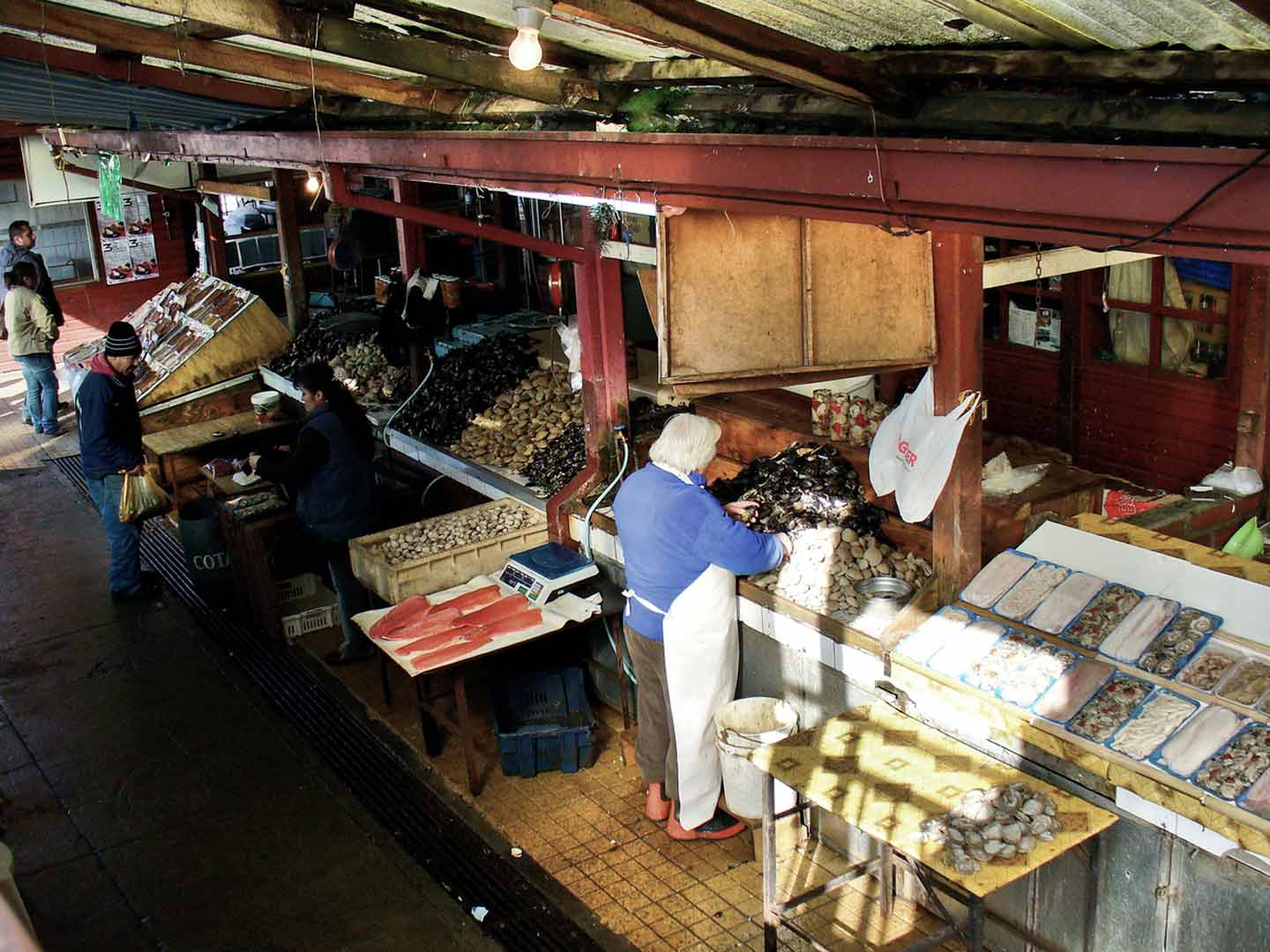
In addition, the Angelmó Market is a cultural icon where artisans display wooden carvings, handwoven wool items, and painted ceramics. This market serves as a hub for artistic and gastronomic expression, blending Mapuche, Chilote, and European traditions.
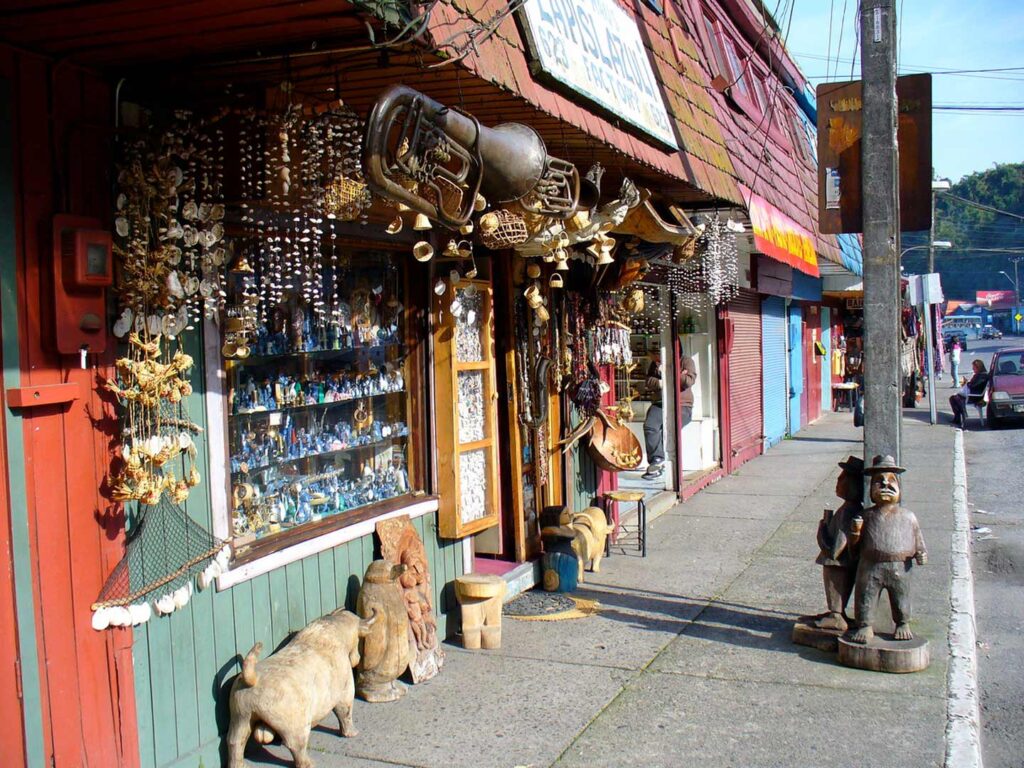
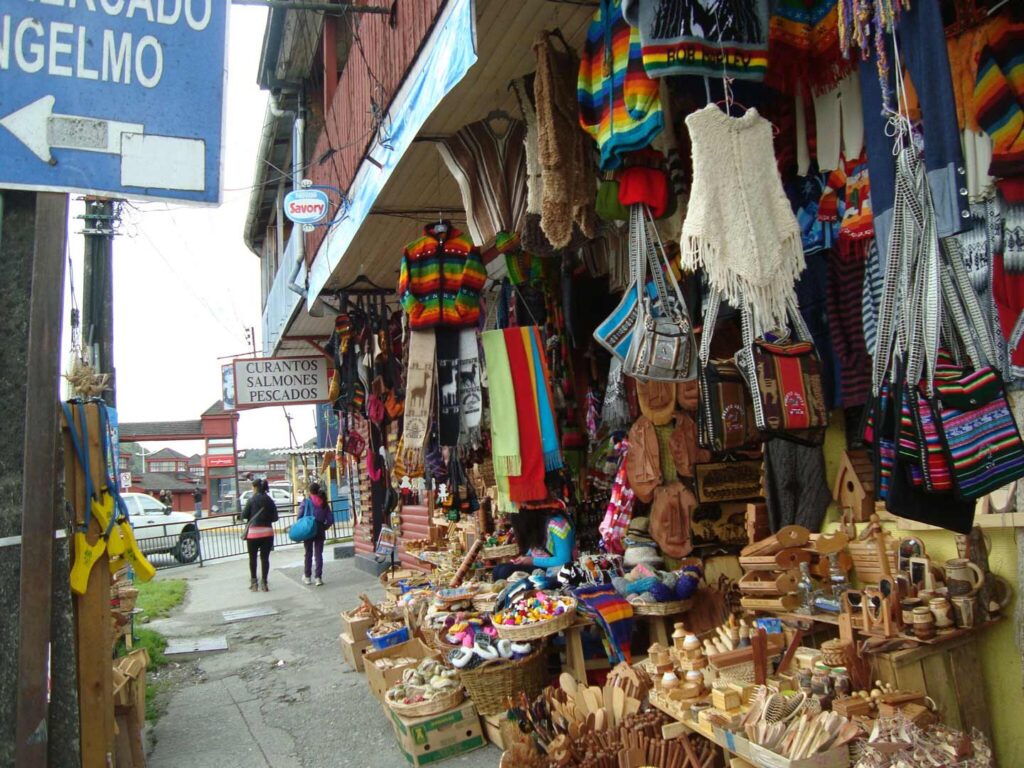
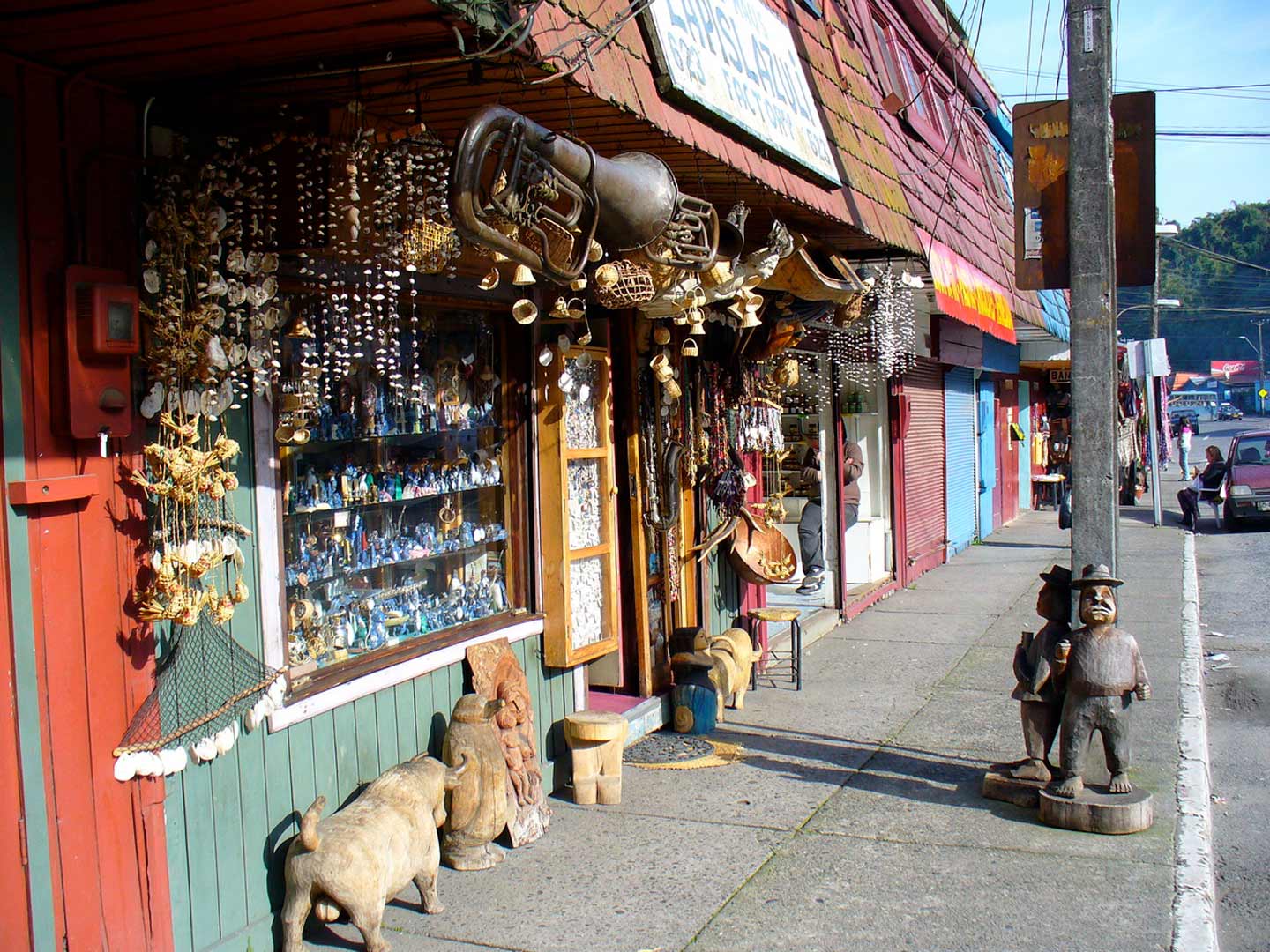
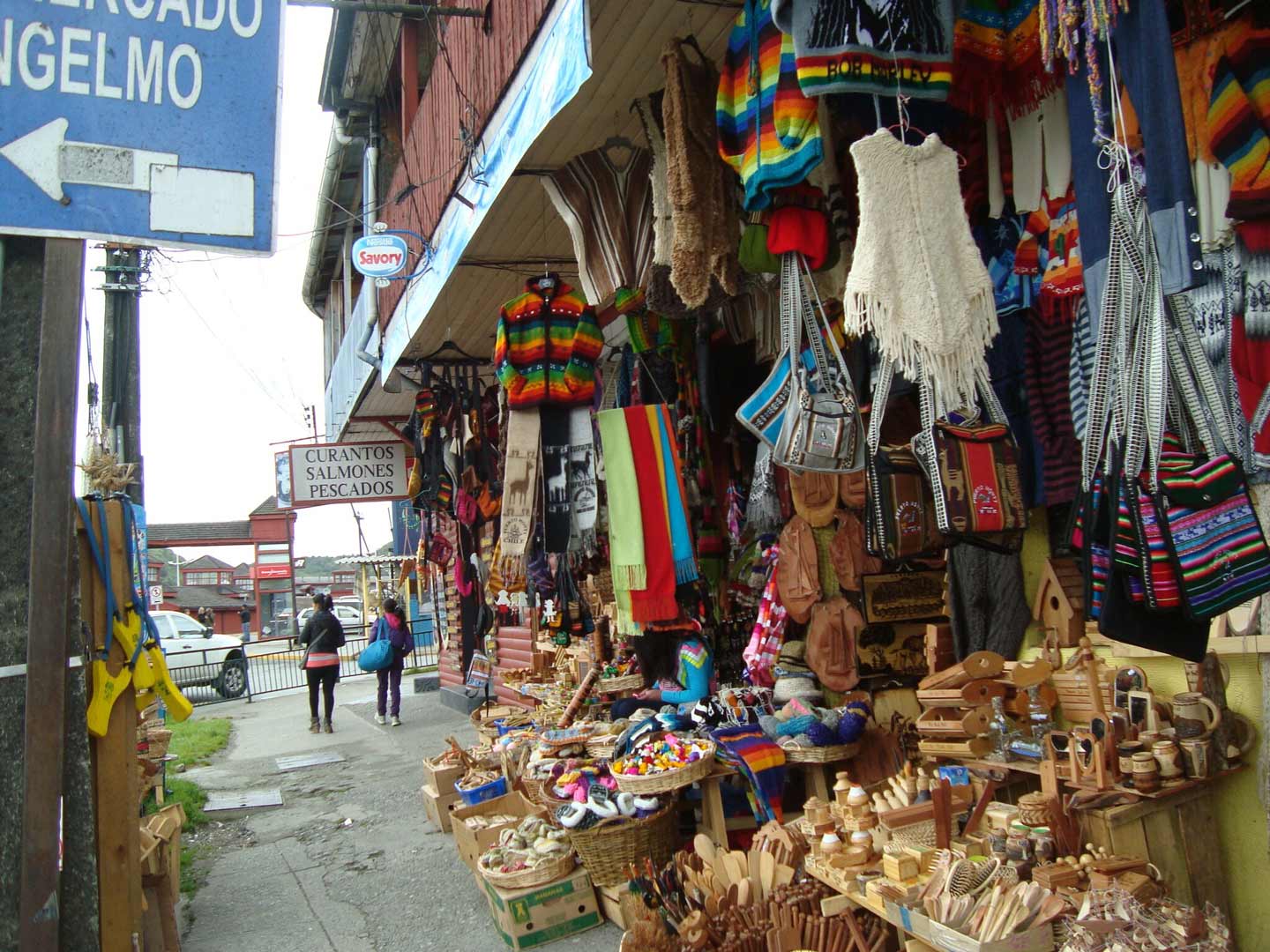
“Barrio Puerto and Angelmó are the cultural heart of Puerto Montt: there, indigenous, German, and Chilote traditions converge in woodwork, music, and cuisine.”
🌿 Conservation & Tourism
Ecotourism & National Parks
- Vicente Pérez Rosales National Park: Located about 100 km from Puerto Montt, it is known for the famous Petrohué Falls and trails in coigüe and ulmo forests.
- Alerce Andino Trail: Within Alerce Andino National Park, 40 km from the city, this trail allows trekking among alerce trees over 3,000 years old.
- Fjord Navigation: Cruises by catamaran or boat connect Puerto Montt with Puerto Varas, Hornopirén, and Chiloé Island, traversing channels, fjords, and nearby glaciers.
Must-Try Gastronomy
Don’t miss:
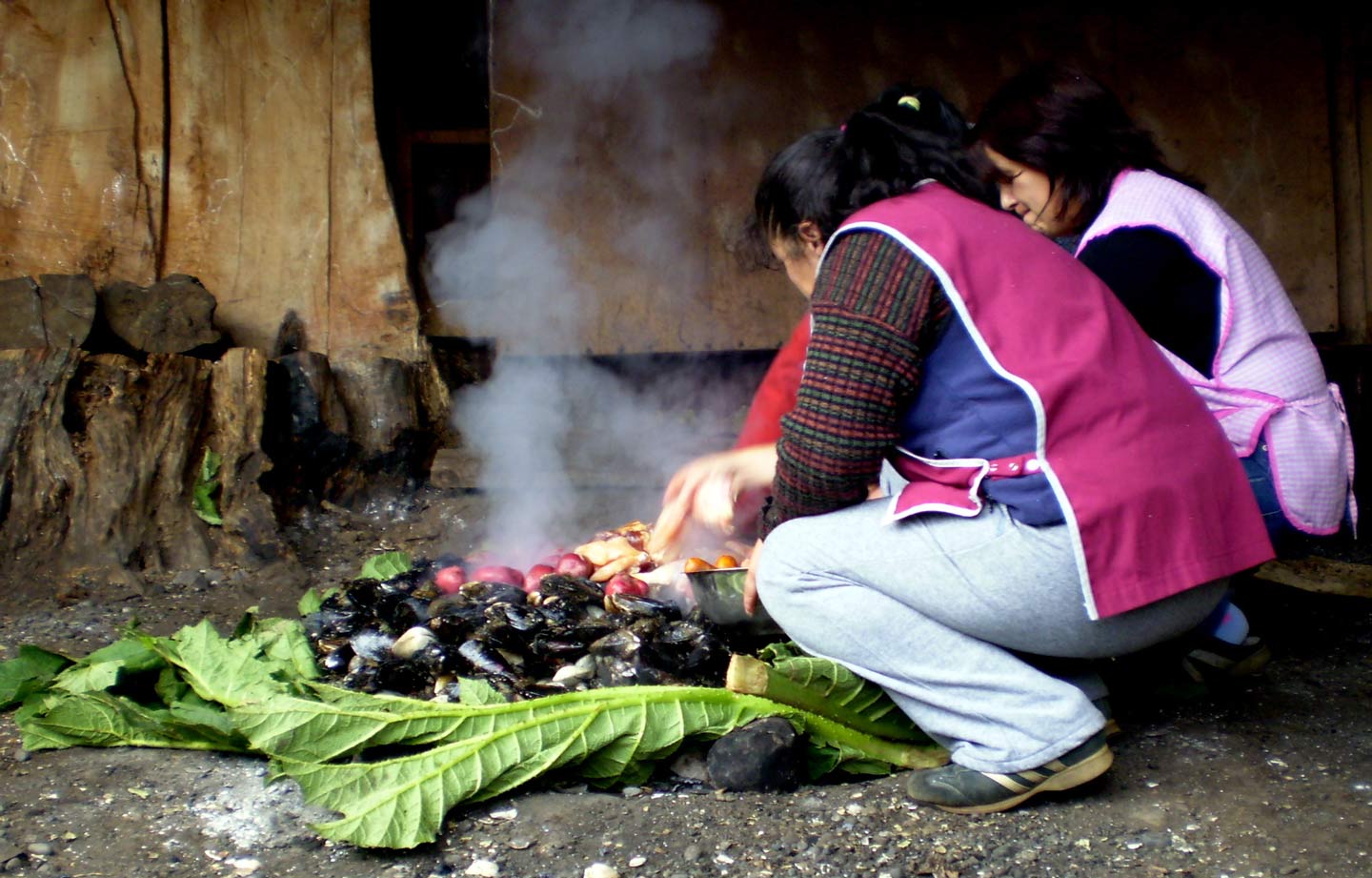
- Curanto in a Pit: A traditional Chilote dish cooked in a pit with hot stones, covered by nalca leaves. This culinary legacy remains extremely popular in the region.
- King Crab & Sea Urchins: Fresh from the sea, available at Angelmó Market and coastal restaurants.
- Kuchen: A German-style fruit cake (often plum or apple), inherited from European colonization.
🎭 Cultural Relations & Local Myths
Chilote Legends
In Puerto Montt and surrounding areas, legends from Chiloé converge:
- El Caleuche: A ghost ship said to sail Chiloé’s coasts, bringing music, joy, and mystery.
- La Pincoya: A female spirit of the sea who determines the abundance or scarcity of fish; her dance foretells good or bad fishing seasons.
Festivals & Traditions
- Angelmó Traditional Festival (February): A fair where artisans, fishermen, and local chefs showcase music, dances, and local cuisine at Angelmó docks.
- Estrella de Chile Beer Week (Winter): A craft beer festival featuring regional producers, local cuisine, and live music.
Fun Fact:
In Angelmó, fishermen still use traditional techniques to harvest shellfish, such as artisanal handlines and wicker crab traps.
🎥 Travel Video: Highlights of Puerto Montt
❓ FAQs about Puerto Montt
What is the best time to visit Puerto Montt?
From November to March (austral summer), when the weather is more stable and cultural festivals take place along Reloncaví Sound.
How can I get from Puerto Montt to Chiloé?
You can take a ferry from Pargua (approximately a 1-hour crossing) or travel by bus from Puerto Montt’s bus terminal to major Chiloé towns.
Which tourist spots should I not miss?
Angelmó Market, Alerce Andino National Park, the Waterfront Promenade, and Petrohué Falls in Vicente Pérez Rosales National Park.
🏁 Conclusion
Puerto Montt blends adventure, history, and unique flavors in one destination. From its fjords and volcanoes to its seafood-based gastronomy, every visit offers unforgettable experiences. If you want to explore Patagonia, this city remains the ideal starting point.
Want to keep discovering Patagonia? Check out our articles on:
- The Carretera Austral
- Chiloé: The Magical Island of Chile