
Introduction
In the year 1886, the arrival of the engineer and gold prospector Julius Popper in Tierra del Fuego marked the beginning of a tragic chapter for the Selk’nam indigenous people. This article explores the controversial history of Popper and how his relentless pursuit of wealth led to the devastation of an ancestral community. We will reflect on the consequences of unchecked ambition and the legacy of suffering it left behind.
Historical Context
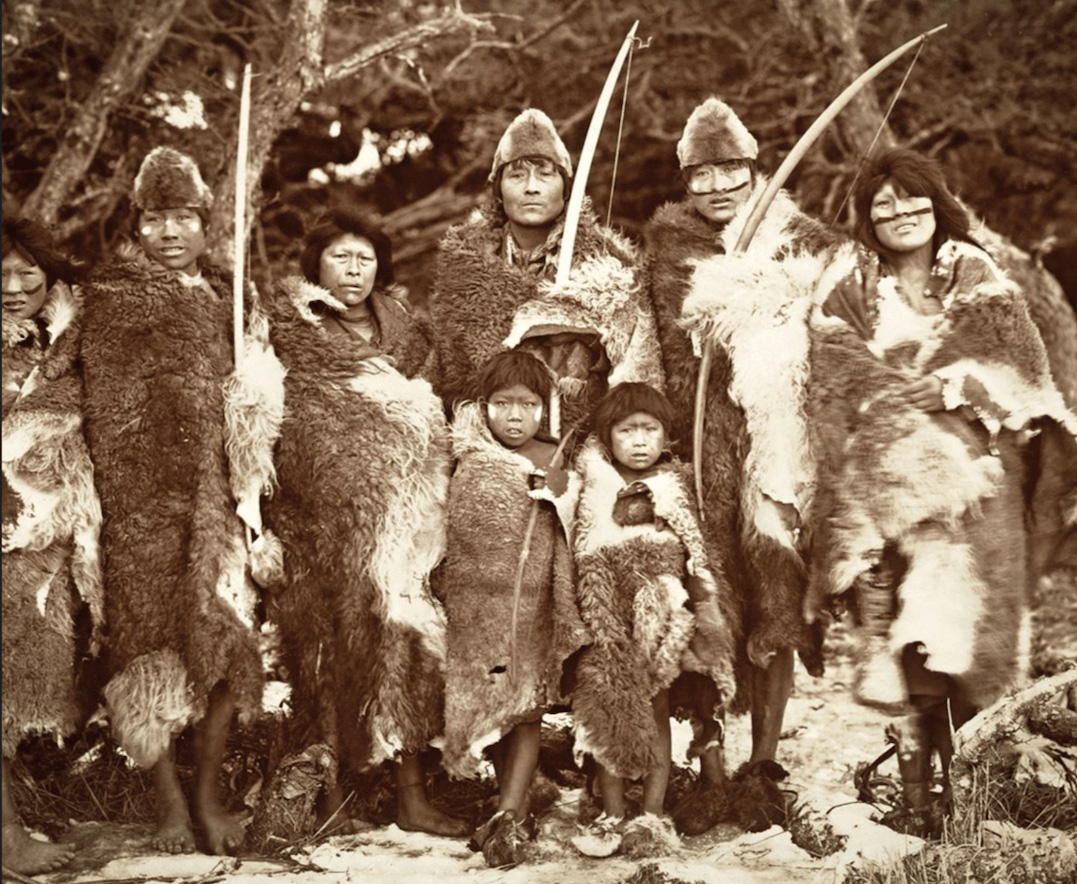
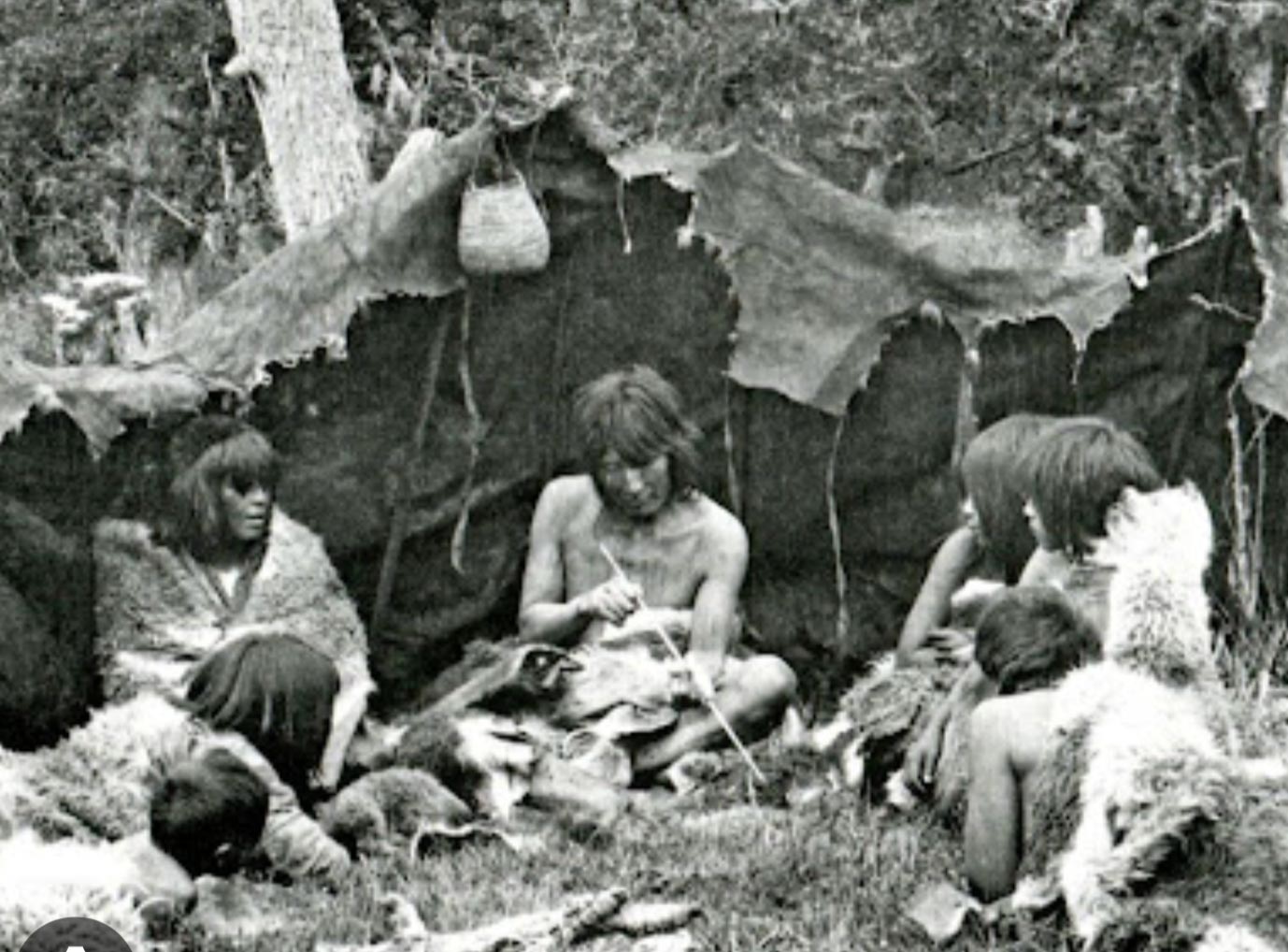
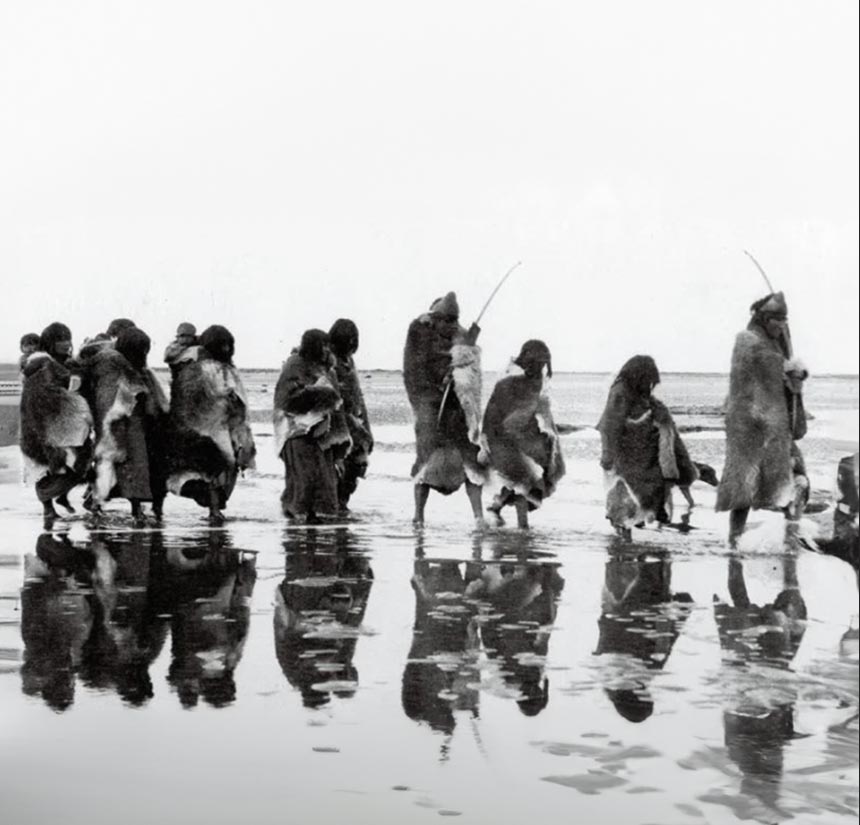
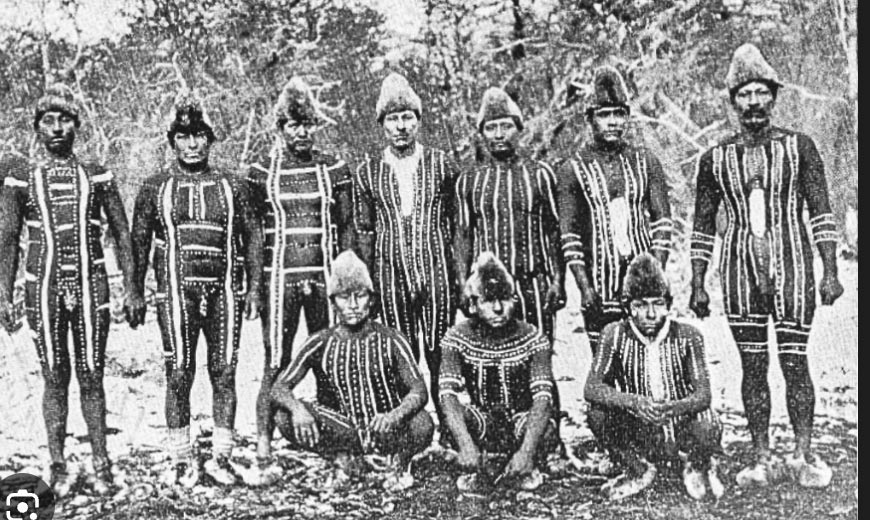
The Selk’nam, also known as Onas, were a nomadic community that inhabited Tierra del Fuego, a region located at the southernmost tip of South America. Before the arrival of European settlers, the Selk’nam lived in harmony with their environment, hunting guanacos and gathering wild fruits.
The Arrival of Julius Popper
Julius Popper, an engineer of Romanian origin, arrived in Tierra del Fuego in search of gold. Attracted by stories of unexplored riches, Popper organized expeditions to explore and exploit the region’s resources. However, his arrival not only meant the exploitation of natural resources but also violence and oppression towards the Selk’nam.

Brutal Methods
Popper and his men implemented brutal methods to subjugate the Selk’nam. According to various historical accounts, they used firearms and other forms of violence to displace the indigenous people from their ancestral lands.
Popper left a legacy of suffering and destruction, marking a turning point in the history of the Selk’nam.
Consequences for the Selk’nam
The actions of Popper and other European settlers had devastating consequences for the Selk’nam. The community suffered a drastic reduction in their population due to violence, diseases introduced by Europeans, and the loss of their hunting territories. This cultural and physical genocide left a deep wound in the history of Tierra del Fuego.
Reflection on Unchecked Ambition
The story of Julius Popper and the Selk’nam invites us to reflect on the consequences of unchecked ambition and unscrupulous exploitation of resources and communities. It is essential to remember these events to avoid repeating the mistakes of the past and to value the importance of protecting and respecting indigenous communities and their cultural heritage.
Conclusion
The legacy of Julius Popper in Tierra del Fuego is a grim reminder of the atrocities committed in the name of progress and wealth. By knowing and sharing these stories, we can foster greater understanding and respect for indigenous communities and their history.
External Resources
Frequently Asked Questions
1. Who were the Selk’nam people and how did they live in Tierra del Fuego?
The Selk’nam, also known as the Onas, were a nomadic indigenous community who inhabited Tierra del Fuego at the southernmost tip of South America before European arrival. They lived in harmony with their environment, sustaining themselves through hunting guanacos and gathering wild fruits across their ancestral lands.
2. Who was Julius Popper and why did he come to Tierra del Fuego?
Julius Popper was a Romanian-born engineer and gold prospector who arrived in Tierra del Fuego in 1886, drawn by stories of unexplored mineral riches in the region. His arrival marked the beginning of a devastating chapter for the indigenous Selk’nam people, as he organized expeditions to exploit the area’s resources.
3. What methods did Julius Popper use to control the Selk’nam people?
Popper and his men employed brutal and violent tactics to subjugate the Selk’nam, including the use of firearms and other forms of violence to displace the indigenous people from their ancestral lands. These cruel methods were instrumental in the devastation and suffering of the Selk’nam community.
4. When did European colonization and resource exploitation begin in Tierra del Fuego?
European resource exploitation of Tierra del Fuego began in 1886 with the arrival of Julius Popper, marking a turning point that ended the Selk’nam’s traditional way of life. This period initiated a tragic chapter of violence, displacement, and destruction for the indigenous population.
5. What was the impact of Julius Popper’s arrival on the Selk’nam?
Popper’s pursuit of gold wealth led to the devastation of the Selk’nam ancestral community through violence, oppression, and displacement from their traditional hunting and gathering lands. His legacy left behind profound suffering and destruction for this indigenous people.
6. Why is the history of Julius Popper and the Selk’nam important to understand when visiting Patagonia?
Understanding this controversial history reveals the consequences of unchecked ambition and colonial exploitation on indigenous cultures, and honors the tragic legacy of the Selk’nam people who inhabited this region for centuries. This knowledge enriches visitors’ appreciation of Patagonia’s complex cultural and historical significance beyond its natural beauty.