
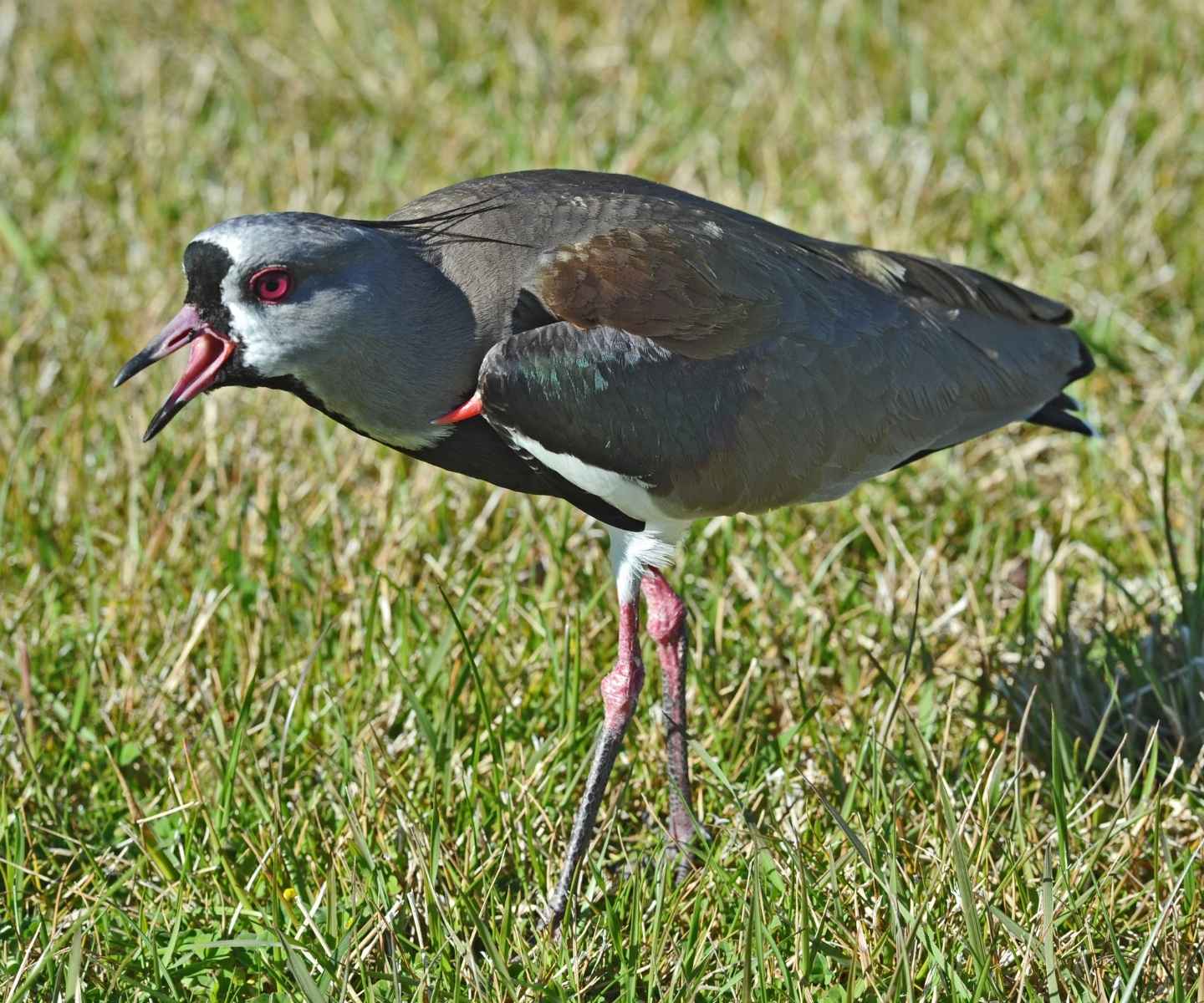
The Southern Lapwing (Vanellus chilensis) is one of the most recognizable and easiest-to-identify birds in Patagonia. Its characteristic call, territorial behavior, and presence in open fields have made it a true symbol of the rural landscape. This species is not only part of the everyday life of those who inhabit the region, but it also plays a fundamental ecological role in maintaining the balance of Patagonian ecosystems.
Characteristics of the Southern Lapwing
The Southern Lapwing is a medium-sized bird, approximately 35 cm long. Its plumage combines gray, white, and black tones, with iridescent reflections on the back. Its long red legs make it easily recognizable. One of its distinctive features is a bony spur on its wings, which it uses to defend its territory.
Habitat and distribution in Patagonia
The Southern Lapwing (Vanellus chilensis) is widely distributed throughout South America, from Colombia to Tierra del Fuego. In Patagonia, it is commonly found in grazing fields, open steppe and mountain areas, shores of lagoons, and wetlands, where it finds food and open spaces to nest.
There are different subspecies inhabiting the region, and their behavior varies depending on the area:
- Vanellus chilensis chilensis: distributed from north to south. In winter, it may move to more temperate areas in the center of the country, so in several Patagonian regions its presence decreases during the cold months.
- Vanellus chilensis fretensis (southern lapwing or austral queltehue): breeds in the southernmost part of Patagonia. In winter, between March and April, it migrates northward and reappears in spring, between August and September, when it returns to its breeding grounds.
This dynamic explains why in many Patagonian localities lapwings seem to “disappear” in winter and return with the spring. It is not a complete disappearance of the species, but rather seasonal movements of southern populations toward more favorable areas.
Watch the Southern Lapwing in the wild
Birdwatching tours across Patagonian steppes and wetlands · Expert naturalist guides · Free cancellation
Behavior and territorial defense
The most famous behavior of the Southern Lapwing is its loud, piercing call, which functions as an alarm against any intruder. When it detects danger, it emits a strong and repeated cry, alerting other animals and its mate. It also performs distraction displays to keep predators away from its nests.
Did you know? The Southern Lapwing is known as the “sentinel of the countryside” because it announces the presence of strangers with its cry, even before dogs notice them.
Diet of the Southern Lapwing
Its diet consists mainly of insects, worms, and small invertebrates found in soft, moist soils. It also occasionally consumes seeds, contributing to natural pest control in rural areas.
Breeding and chick care
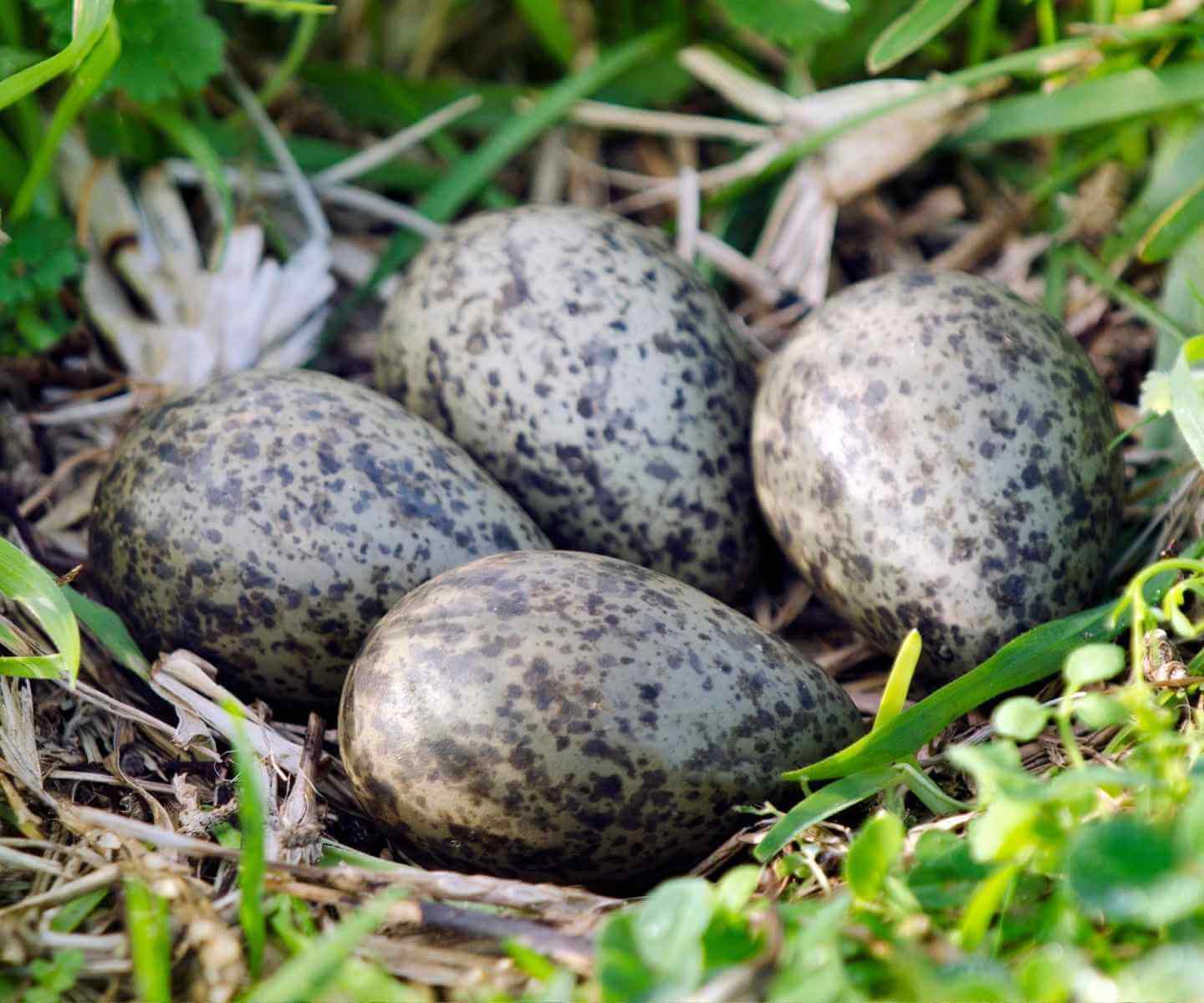
The breeding season extends from spring to summer. The nest is a simple depression in the ground, in open areas, where the female lays 3 to 4 speckled eggs that blend in with the environment. Both parents share incubation and defend the chicks together.

The Southern Lapwing and its relationship with humans
In popular culture, the Southern Lapwing is featured in sayings and expressions. One of the most well-known is “it cries in one place and lays eggs in another,” referring to its distraction strategy. In rural areas, it is valued as an ally for detecting intruders, although its call can sometimes be annoying.
Types of Lapwings
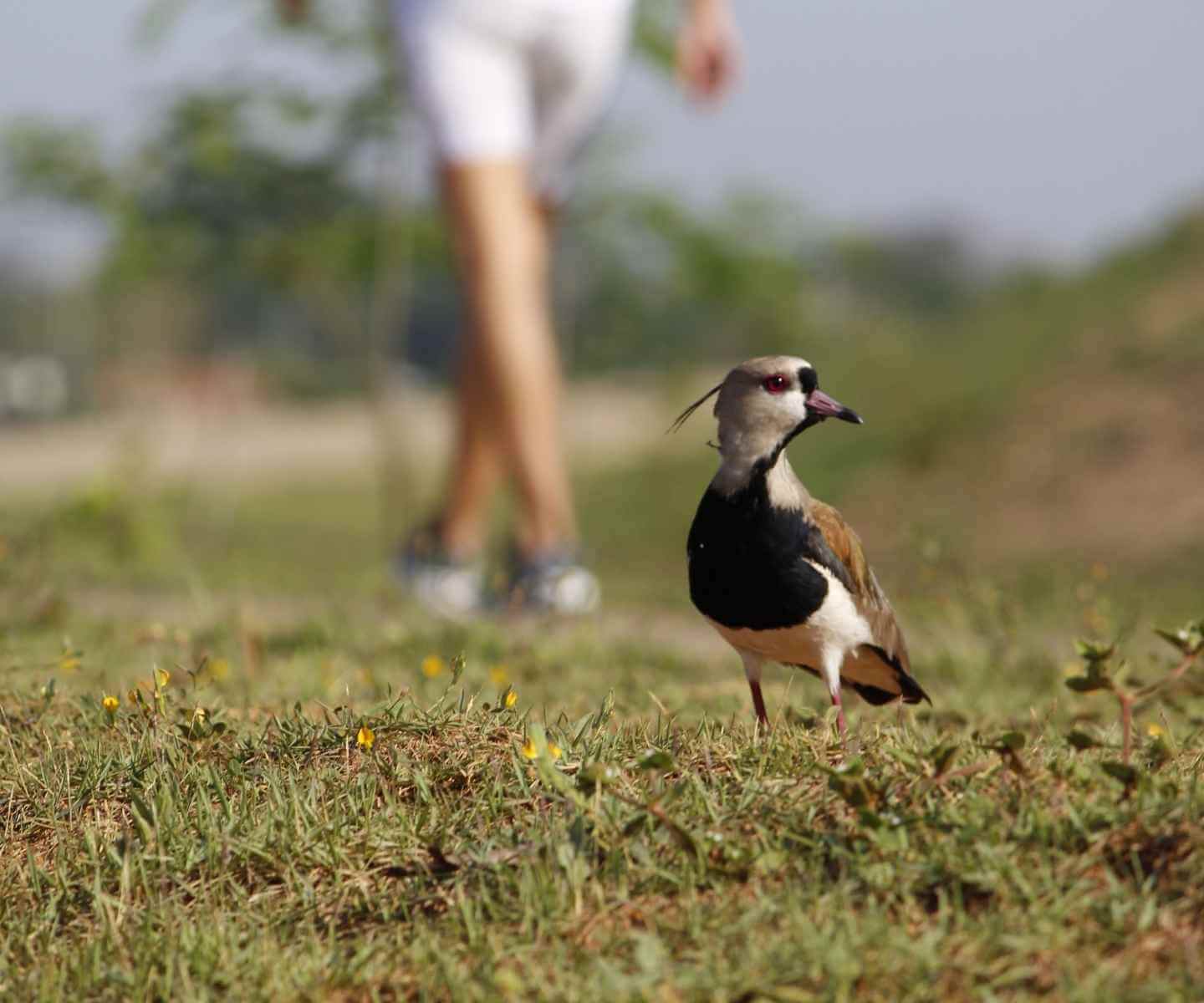
While in Patagonia the most common is Vanellus chilensis, other species exist within the genus Vanellus, such as the Northern Lapwing (Vanellus vanellus) in Europe and Asia. In Patagonia, the Southern Lapwing is the predominant species, although migratory individuals of other species have been recorded in lagoons and wetlands.
Interesting facts and highlights
- Lapwing chicks can walk and feed themselves just hours after hatching, making them quite independent from birth.
- They often share their habitat with other bird species like the Ringed Kingfisher in wetland areas.
- The Southern Lapwing has adapted well to human presence and is frequently seen in agricultural areas alongside grazing livestock.
- Unlike nocturnal birds such as the Tucuquere Owl, lapwings are most active during daylight hours.
- Their distinctive alarm calls can be heard from considerable distances, making them excellent sentinels for other wildlife species like the Gray Fox in the Patagonian landscape.
Frequently Asked Questions
1. What does the Southern Lapwing look like and how can I identify it in Patagonia?
The Southern Lapwing is a medium-sized bird approximately 35 cm long with distinctive gray, white, and black plumage featuring iridescent reflections on its back. Its most recognizable features are its long red legs and a bony spur on its wings, making it one of the easiest birds to identify in Patagonia.
2. Where in Patagonia can I find Southern Lapwings?
Southern Lapwings are widely distributed throughout Patagonia and can commonly be found in grazing fields, open steppe, mountain areas, shores of lagoons, and wetlands. They prefer open spaces where they can find food and suitable nesting sites across the region.
3. What is the geographic range of the Southern Lapwing?
The Southern Lapwing is distributed throughout South America from Colombia all the way south to Tierra del Fuego, with various subspecies inhabiting different regions. This wide distribution makes it one of the most recognizable birds across the continent.
4. Why is the Southern Lapwing considered a symbol of Patagonia?
The Southern Lapwing has become a true symbol of Patagonia’s rural landscape due to its characteristic call, distinctive territorial behavior, and constant presence in open fields. It is so integral to everyday life in the region that it plays both a cultural and fundamental ecological role in maintaining Patagonian ecosystem balance.
5. What ecological role does the Southern Lapwing play in Patagonian ecosystems?
The Southern Lapwing plays a fundamental ecological role in maintaining the balance of Patagonian ecosystems through its feeding habits and presence in open landscapes. As part of the region’s wildlife, it contributes to the natural equilibrium of its habitats.
6. What makes the Southern Lapwing’s territorial behavior unique?
The Southern Lapwing uses a bony spur on its wings as a distinctive weapon to defend its territory, making its territorial behavior particularly noteworthy. This adaptation, combined with its characteristic call, enables it to effectively protect its nesting areas in open fields and wetlands.