
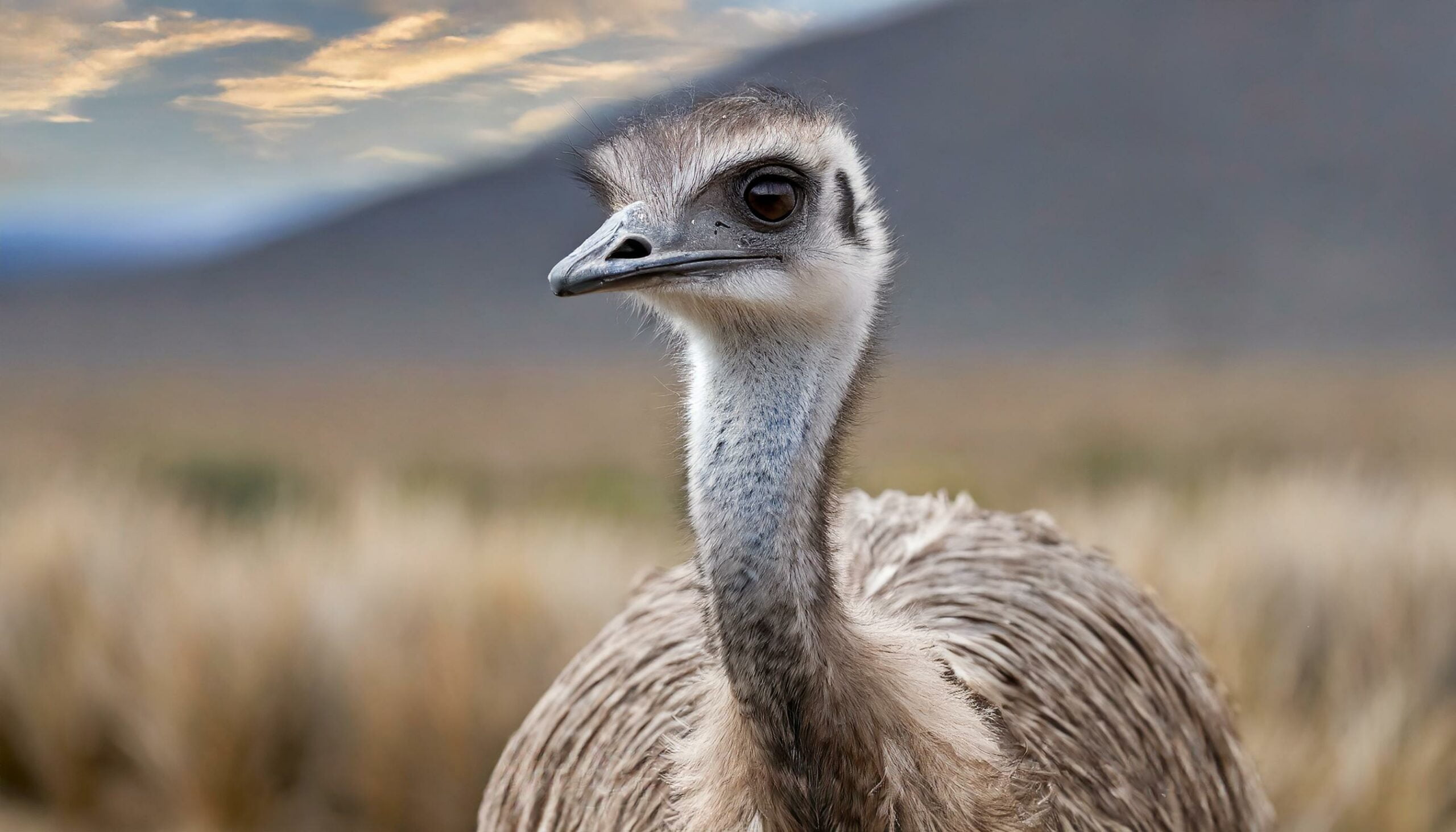
The rheas, native birds of the vast steppes of Patagonia, demonstrate remarkable rhea survival in Patagonia through their anatomical and behavioral adaptations. These adaptations enable them to thrive in one of Earth’s most challenging environments. Below, we explore these giants of the steppe and their survival strategies.
Physical Adaptations for Survival
The dense plumage of the rhea provides significant insulation against the extreme cold of Patagonia, crucial for their survival. Their specialized feather system traps warm air, acting as an effective thermal barrier. Additionally, their long, strong legs are designed not only for speed but also to cover great distances in search of food, minimizing their exposure to harsh conditions.
Patagonian Ostriches Video
Behavioral Survival Strategies
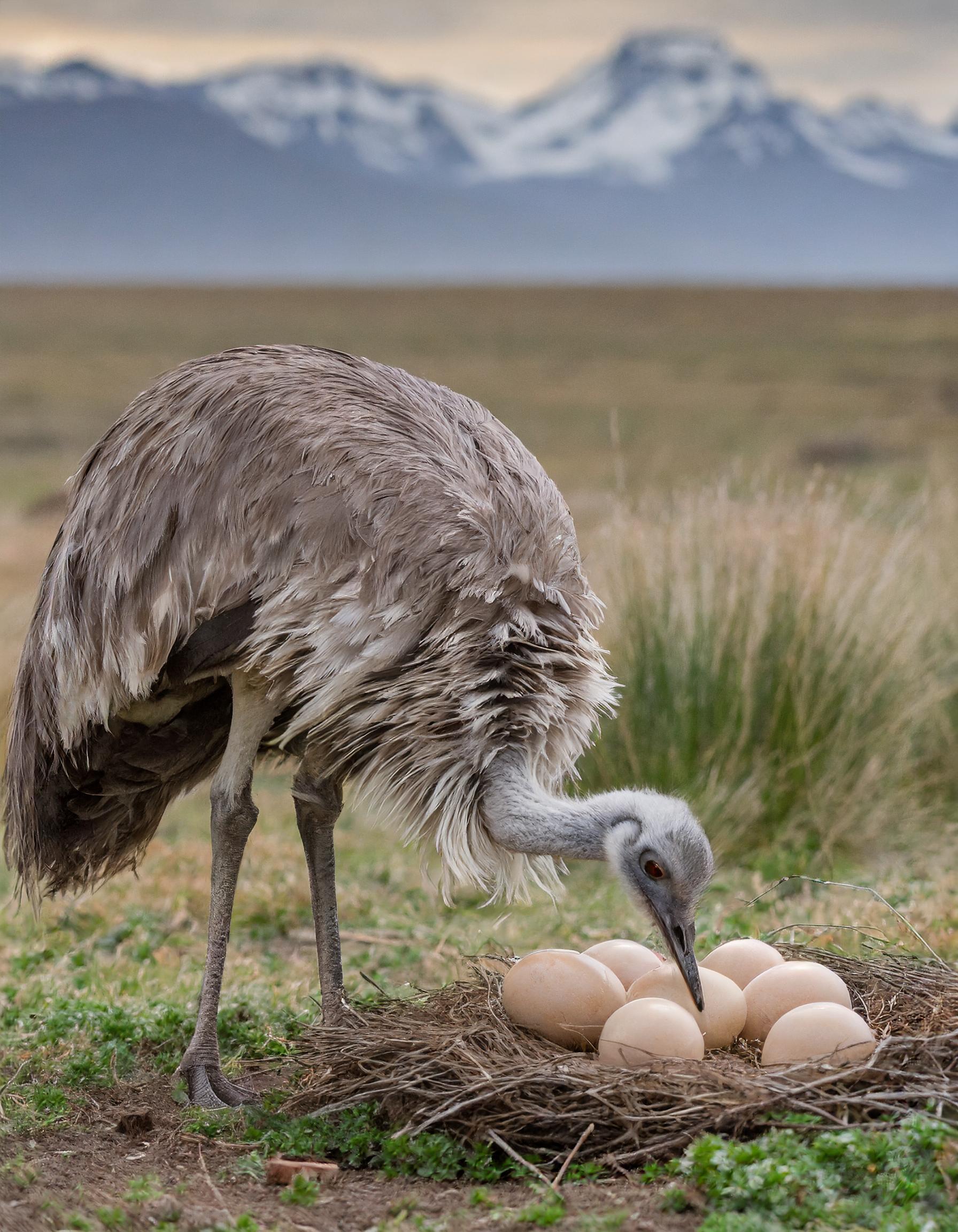
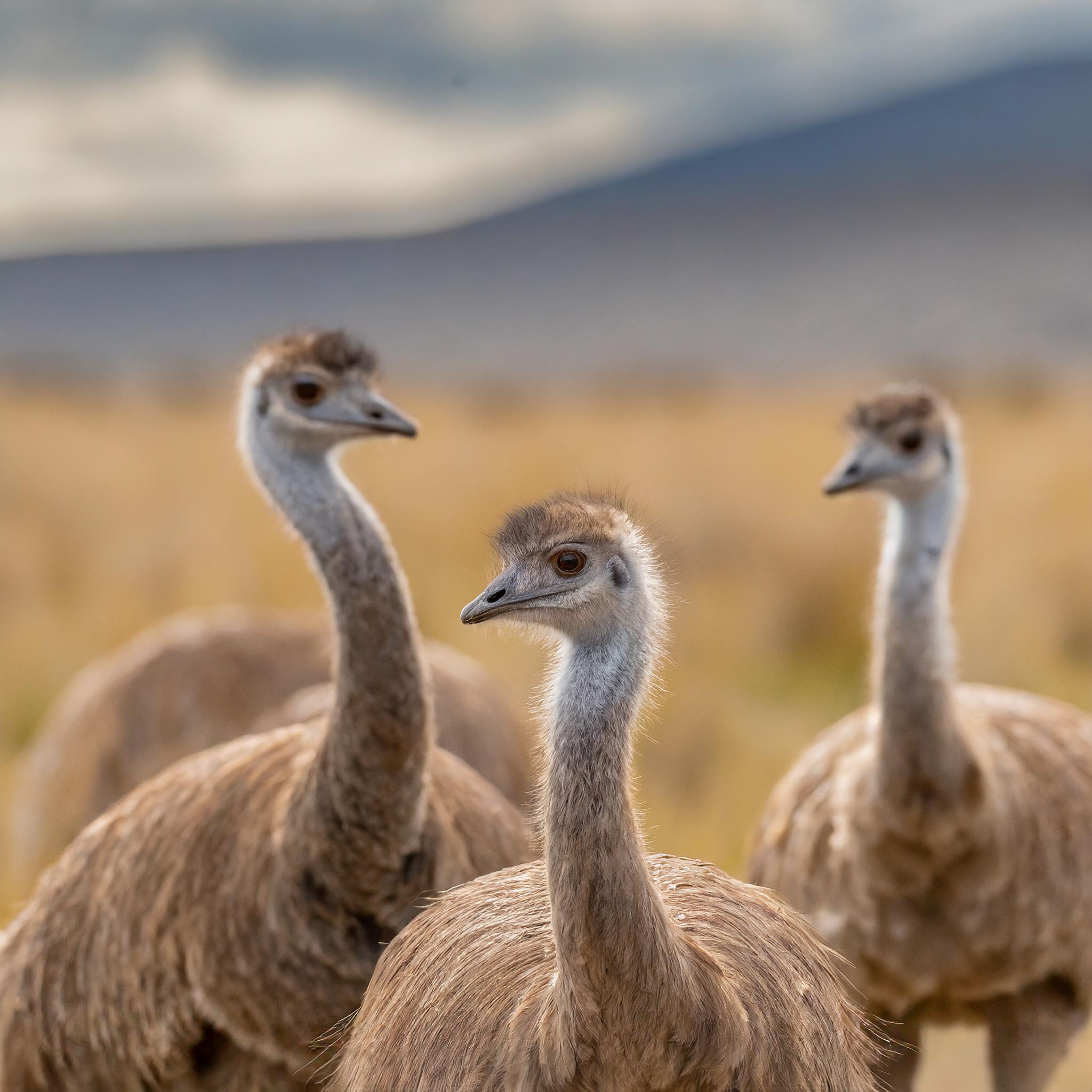
Rheas are sociable animals that often form groups for foraging and protection against predators like the Patagonian Puma, enhancing their survival prospects in Patagonia. During the breeding season, the male rhea shows exceptional paternal behavior, incubating up to 50 eggs from several females and safeguarding the chicks post-hatching.
Conservation Efforts for Rheas
Despite their significant adaptations, rheas face threats from habitat loss, poaching, and food competition with livestock like Guanaco. Conservation efforts are vital, involving both local and international support to protect these birds and preserve Patagonia’s biodiversity. For a deeper insight into rhea adaptations, visit Animalia.bio.
Understanding Patagonian Rheas
The resilience of rheas in Patagonia underscores the diversity of life and the importance of conservation. Protecting these species ensures a sustainable future for both wildlife and human communities.
Rhea Curiosities
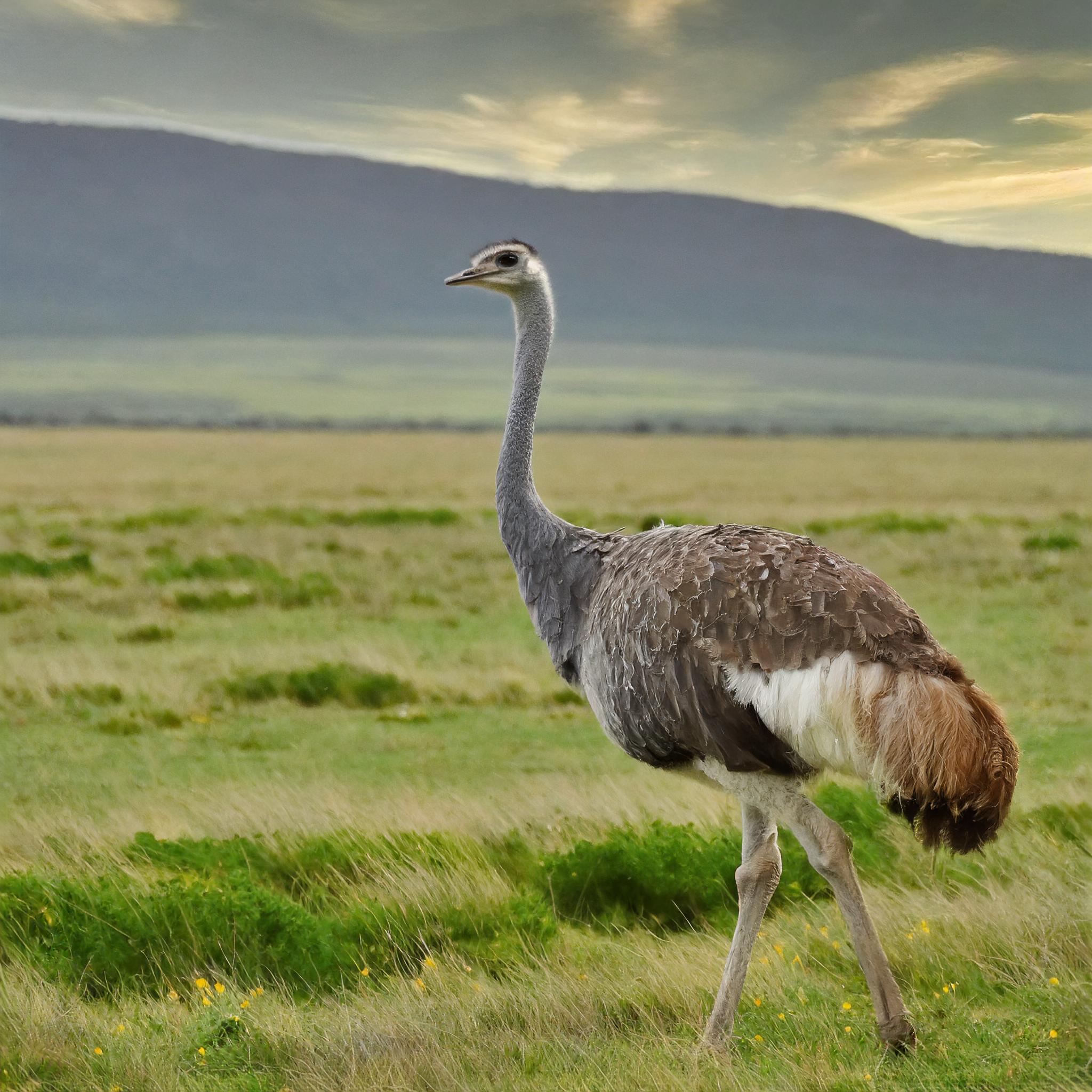
- The Patagonian rhea can reach speeds of 60 km/h, perfectly adapted to its environment. More about its speed at ExpertoAnimal.
- Standing up to 150 cm tall and weighing about 25 kg, its plumage camouflages well within the steppe.
- As omnivores, their diet includes everything from plants to small animals, similar to other Patagonian birds like the Southern Lapwing. Learn more at ExpertoAnimal.
- They are primarily found in the open scrublands and steppes of Argentine and Chilean Patagonia. Geographic details at Animalia.bio.
- Although rheas have wings, they cannot fly; however, their strong legs allow them to escape predators effectively, much like the Gray Fox uses its speed to evade threats. More details at ExpertoAnimal.
- They play a crucial role in the ecosystem by dispersing seeds and controlling insect populations.
Want to hear the sounds of this animal?
Imagine being in the heart of Patagonia, surrounded by nature, and hearing the unique calls of a Rhea in the wild. We’ve included a video where you can listen to its incredible sounds and feel the connection with Patagonia’s wildlife. Hit play and enjoy this interactive experience!
Frequently Asked Questions
1. What physical features help rheas survive Patagonia’s extreme cold?
Rheas have dense plumage with a specialized feather system that traps warm air, creating an effective thermal barrier against Patagonia’s harsh climate. Their long, strong legs also allow them to cover great distances efficiently while searching for food, minimizing exposure to dangerous weather conditions.
2. Do rheas live alone or in groups in Patagonia?
Rheas are sociable animals that form groups for both foraging and protection against predators like the Patagonian Puma. This social behavior significantly enhances their survival prospects in the challenging Patagonian environment.
3. How do male rheas care for their young?
During breeding season, male rheas display exceptional paternal behavior by incubating up to 50 eggs from multiple females and then safeguarding the chicks after they hatch. This dedicated parental care is crucial for the survival of the next generation.
4. What are the main threats to rheas in Patagonia?
Rheas face multiple threats including habitat loss, poaching, and food competition with livestock such as Guanacos. These challenges require significant conservation efforts to protect the species and maintain their populations.
5. Are rheas native to Patagonia?
Yes, rheas are native birds of the vast steppes of Patagonia and have evolved remarkable adaptations specifically suited to thrive in one of Earth’s most challenging environments. They are considered the giants of the Patagonian steppe.
6. What conservation efforts are helping protect rheas in Patagonia?
Conservation efforts involve both local and international support aimed at protecting rheas and preserving their Patagonian habitat. These initiatives work to address threats from habitat loss, poaching, and competition with introduced livestock species.