
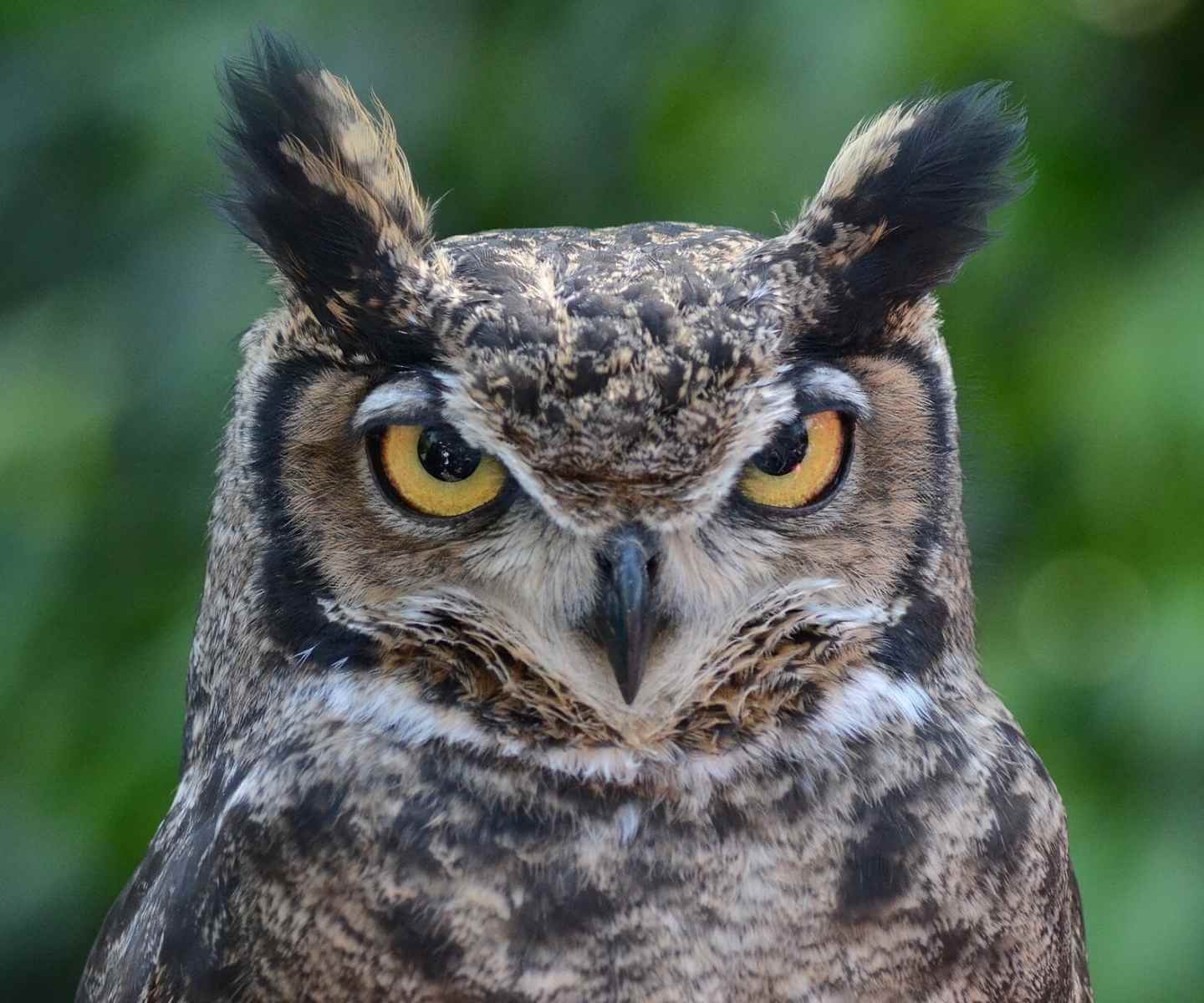
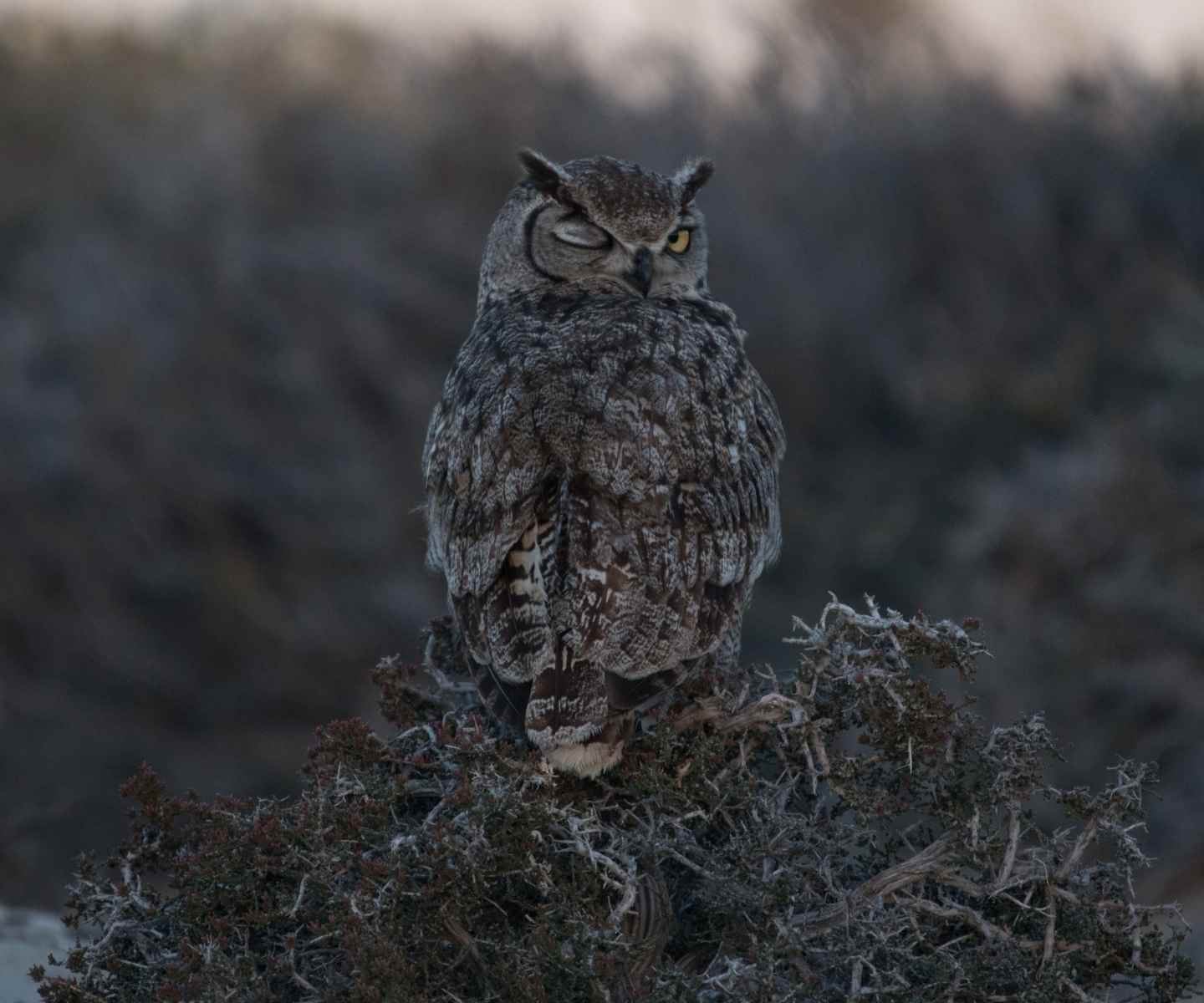
The Magellanic horned owl (*Bubo magellanicus*), known locally as the “tucuquere,” is one of the most iconic and recognizable birds of Patagonia. This nocturnal predator inhabits native forests, steppes, and mountainous regions of Argentina and Chile, playing an essential ecological role as a natural controller of small mammals. Its presence and its distinctive call are a fundamental part of the soundscape of the southern continent.
What is the Magellanic Horned Owl?
The Magellanic horned owl is a large owl from the *Bubo* genus. For a long time, it was considered a subspecies of the Great Horned Owl, but morphological and genetic studies in the 2000s confirmed its status as an independent species. It is one of the most emblematic nocturnal birds of prey in Patagonia, crucial for regulating small mammal populations and maintaining the ecological balance of southern ecosystems.
Fun Fact: Its local name “tucuquere” mimics the rhythm of its deep call, which many people easily recognize on cold southern nights.
Distribution in Patagonia
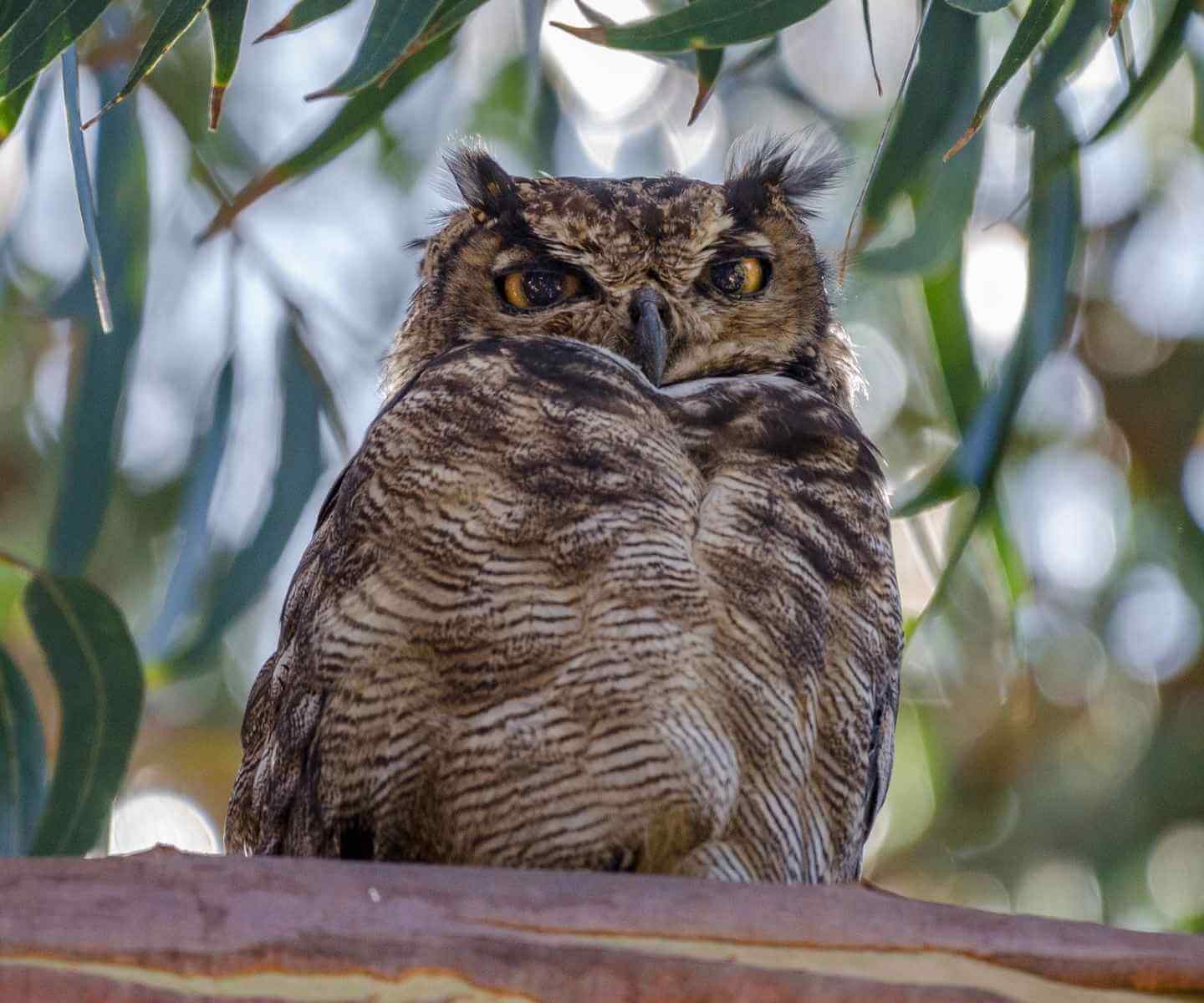
According to eBird, the Magellanic horned owl ranges from north-central Chile and Argentina all the way to the southern tip of the continent, with a strong presence in Patagonia. It can be found in:
- Bariloche and the mountain ranges of Río Negro
- The Andean region of Neuquén and Chubut
- Aysén and Magallanes in Chile
- Mainland Tierra del Fuego
Main Characteristics
Morphology
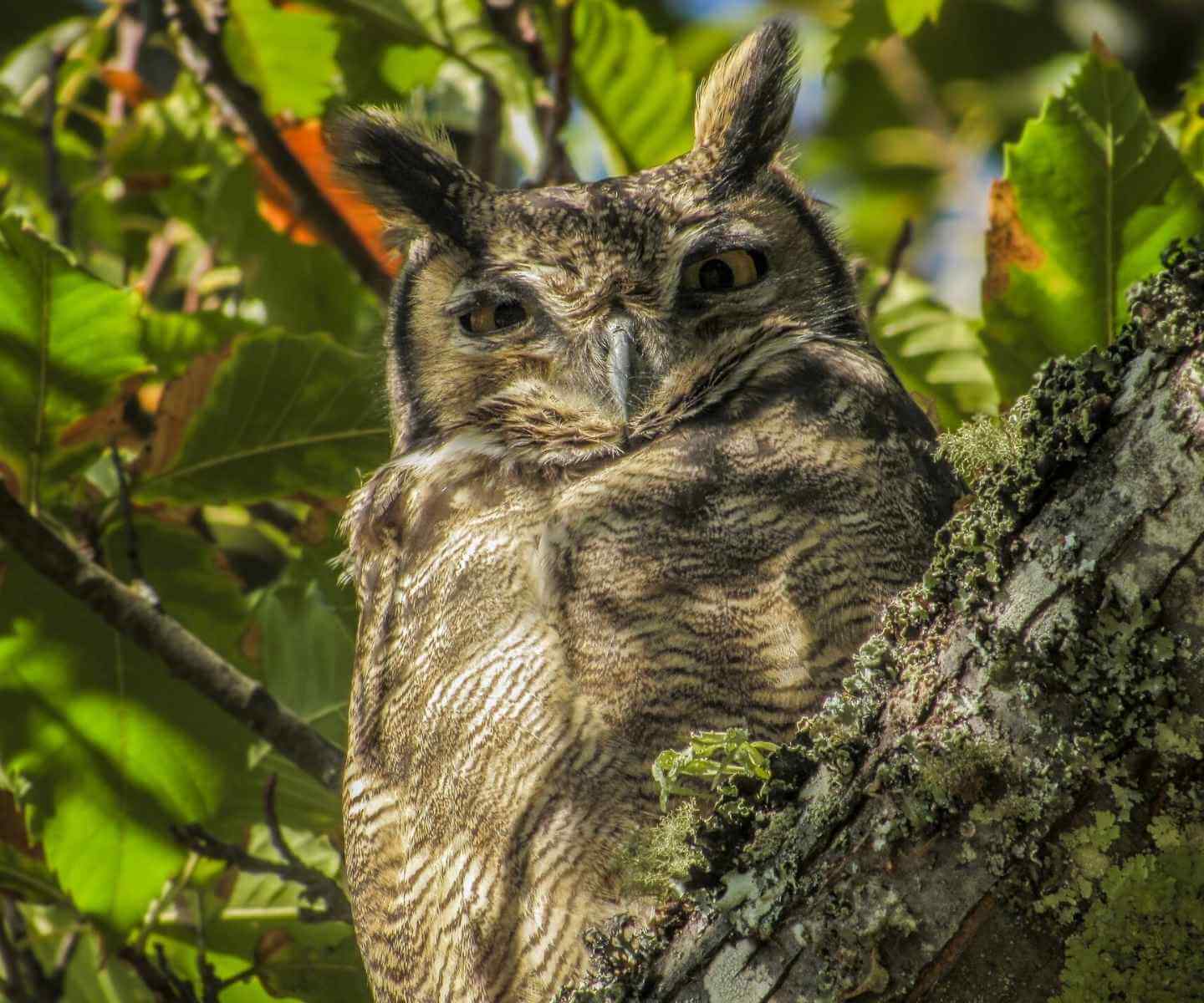
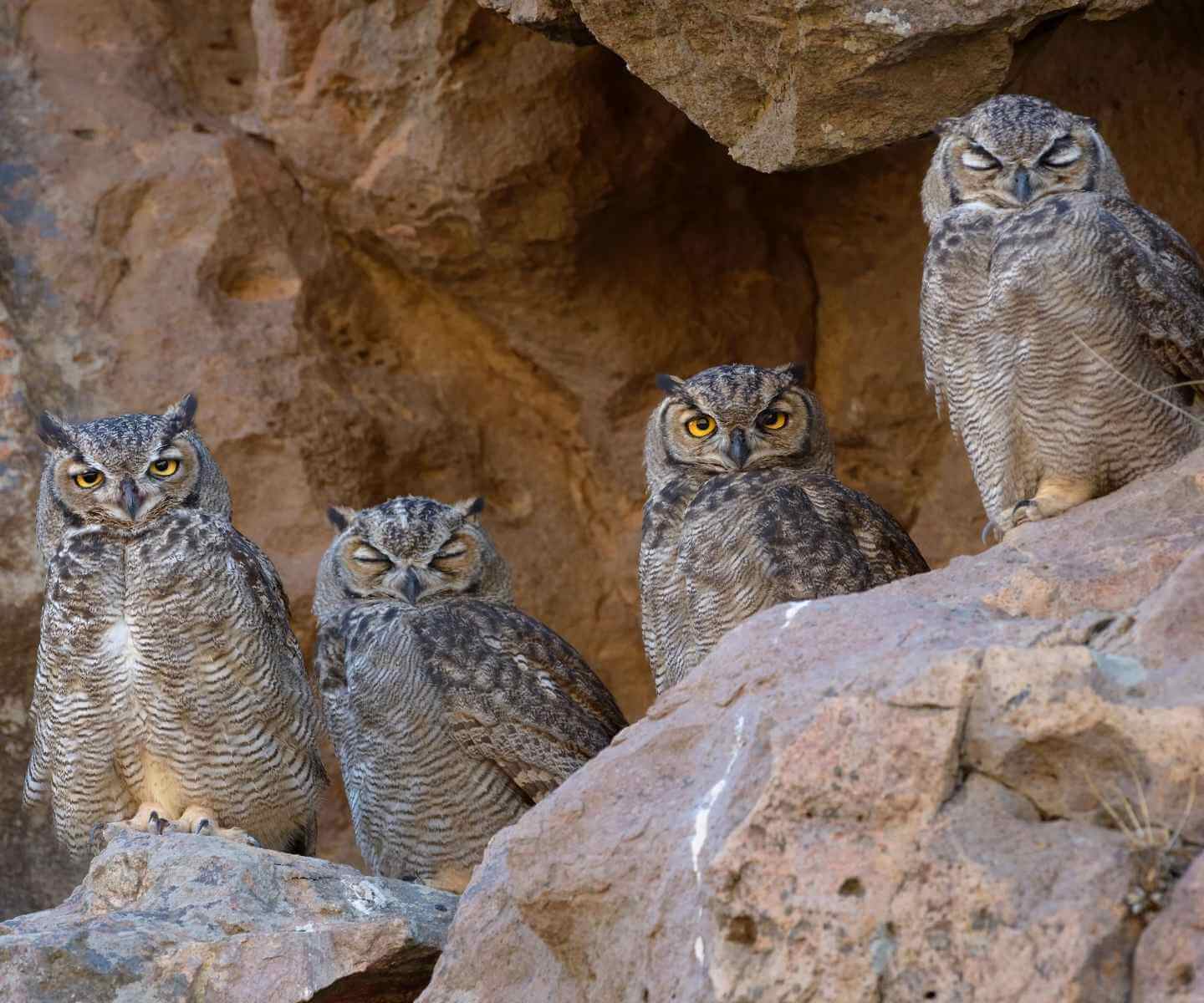
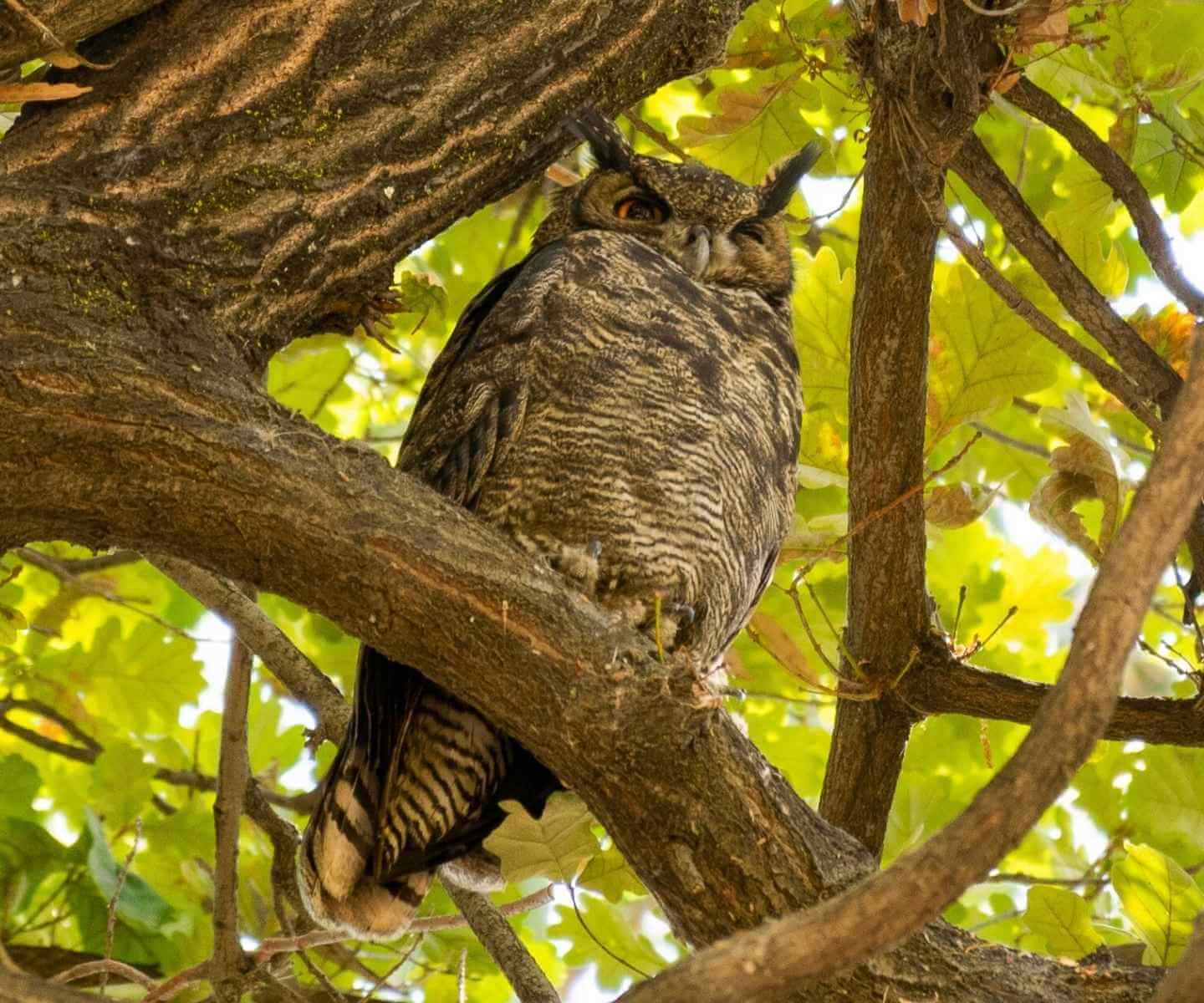
This owl is robust, with piercing yellow eyes and mottled plumage that provides perfect camouflage among rocks and tree trunks.
- Height: 18 to 20 inches (45-50 cm).
- Wingspan: Up to 47 inches (120 cm).
- Plumage: Greyish-brown with dark streaks.
- Ear Tufts: Long and prominent.
Behavior
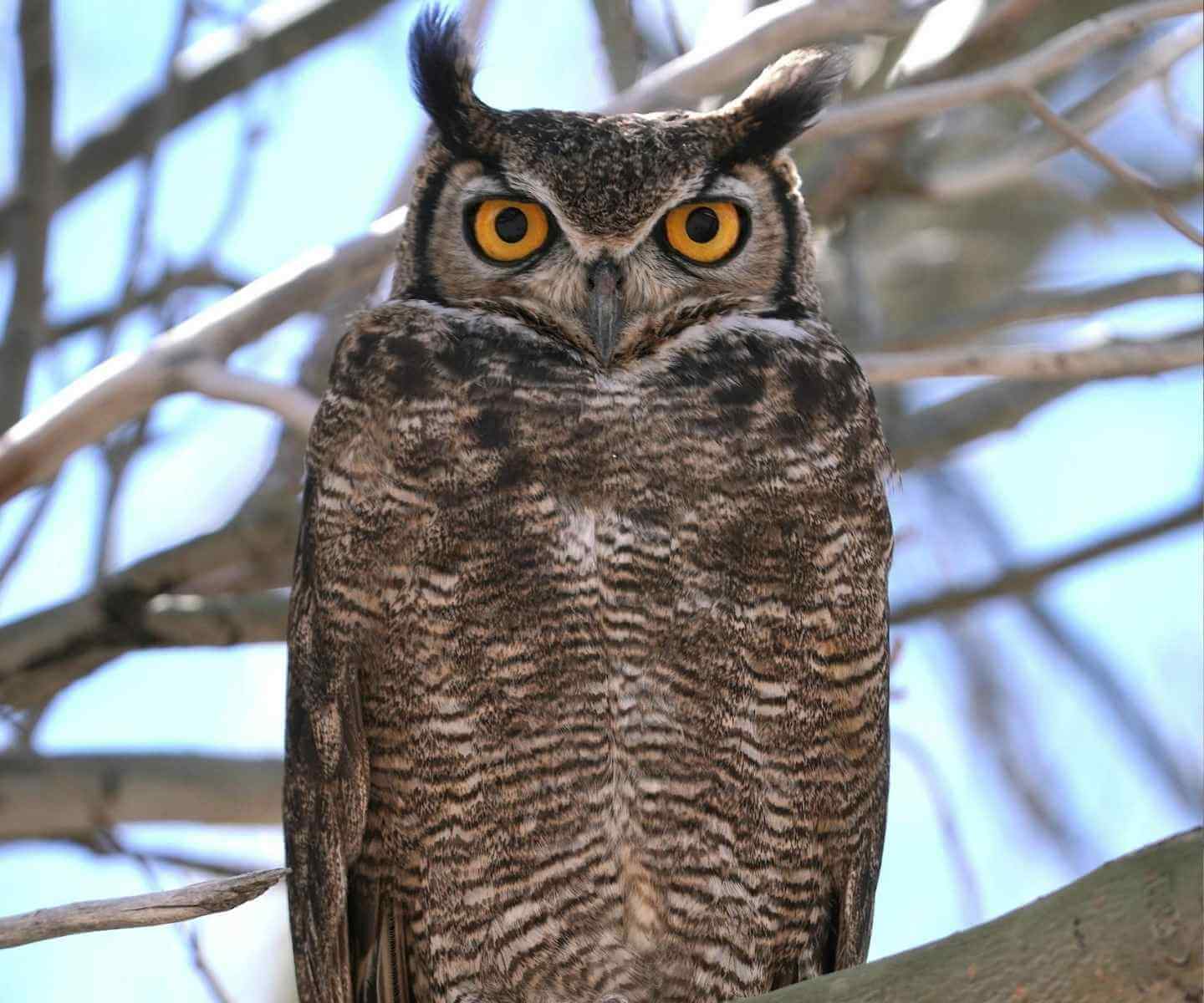
It is strictly nocturnal, territorial, and a strategic hunter. It often uses elevated perches like dead tree snags or prominent rocks to observe and listen before swooping down on its prey. These owls maintain pair bonds and defend their territory for many years.
The Sound of the Tucuquere
The call of the Magellanic horned owl is one of the most iconic sounds of Patagonian wildlife. Its call consists of two deep, spaced-out notes: “oo-HOO, oo-HOO.” This vocal behavior intensifies during the fall and the breeding season.
- Related keywords: Magellanic horned owl call, tucuquere sound.
Did you know? Many sound recordings on eBird help identify areas where the species is most active at night.
Patagonian Habitat
The Magellanic horned owl inhabits a variety of environments, from Andean forests to arid steppes. In Patagonia, it uses:
- Forests of Lenga, Coihue, and Ñire trees
- Shrub steppes
- Rocky ravines and wetlands (mallines)
- Lakeshores and forest-steppe transition zones
Diet
It is a top nocturnal predator. Analysis of pellets conducted by Argentine researchers confirms its diet includes:
- Patagonian rodents (Oligoryzomys, Abrothrix, Loxodontomys)
- Small birds
- Occasional reptiles
- Large insects
This dietary versatility makes it a key species for maintaining balanced populations of both native and invasive species.
Reproduction
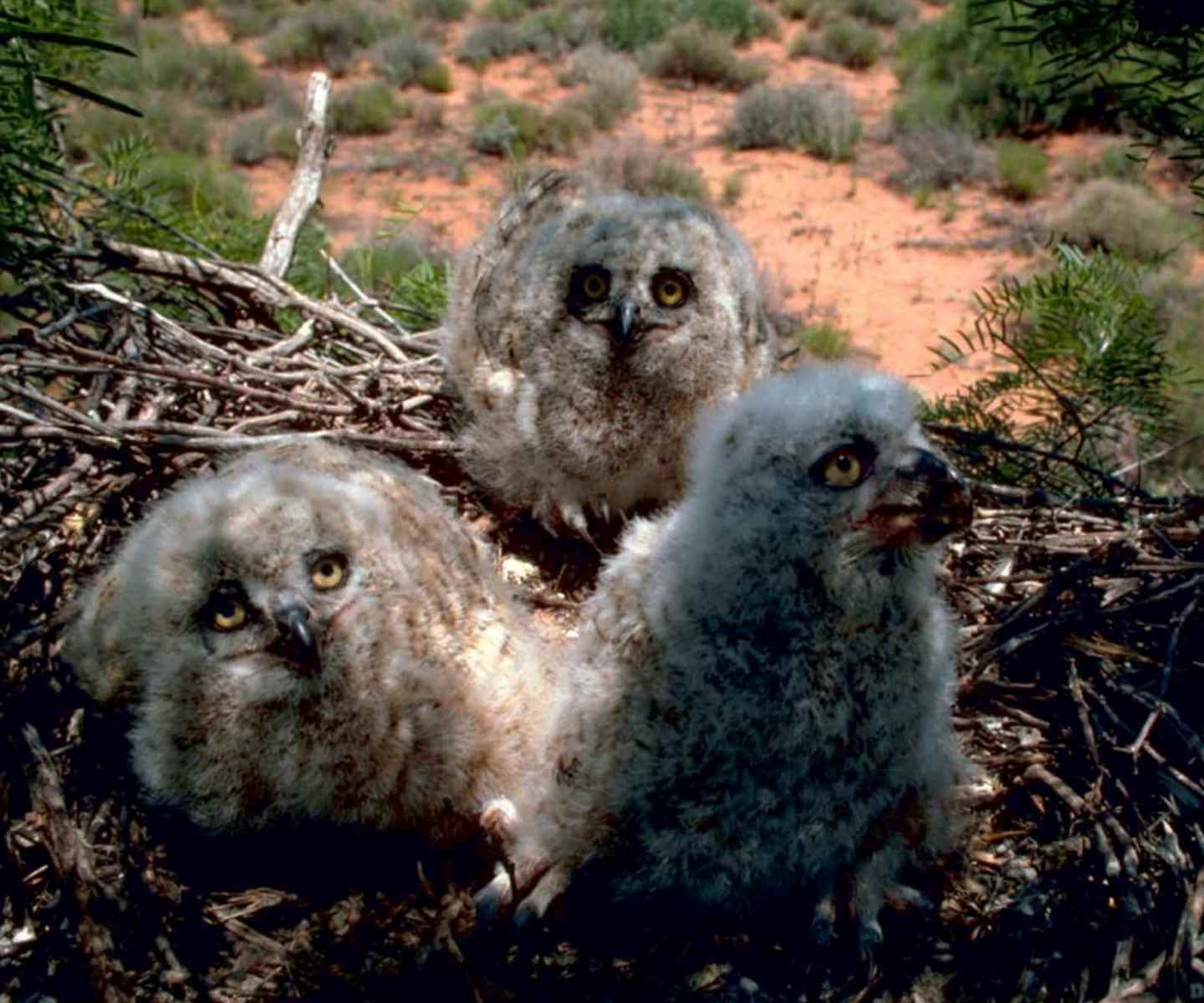
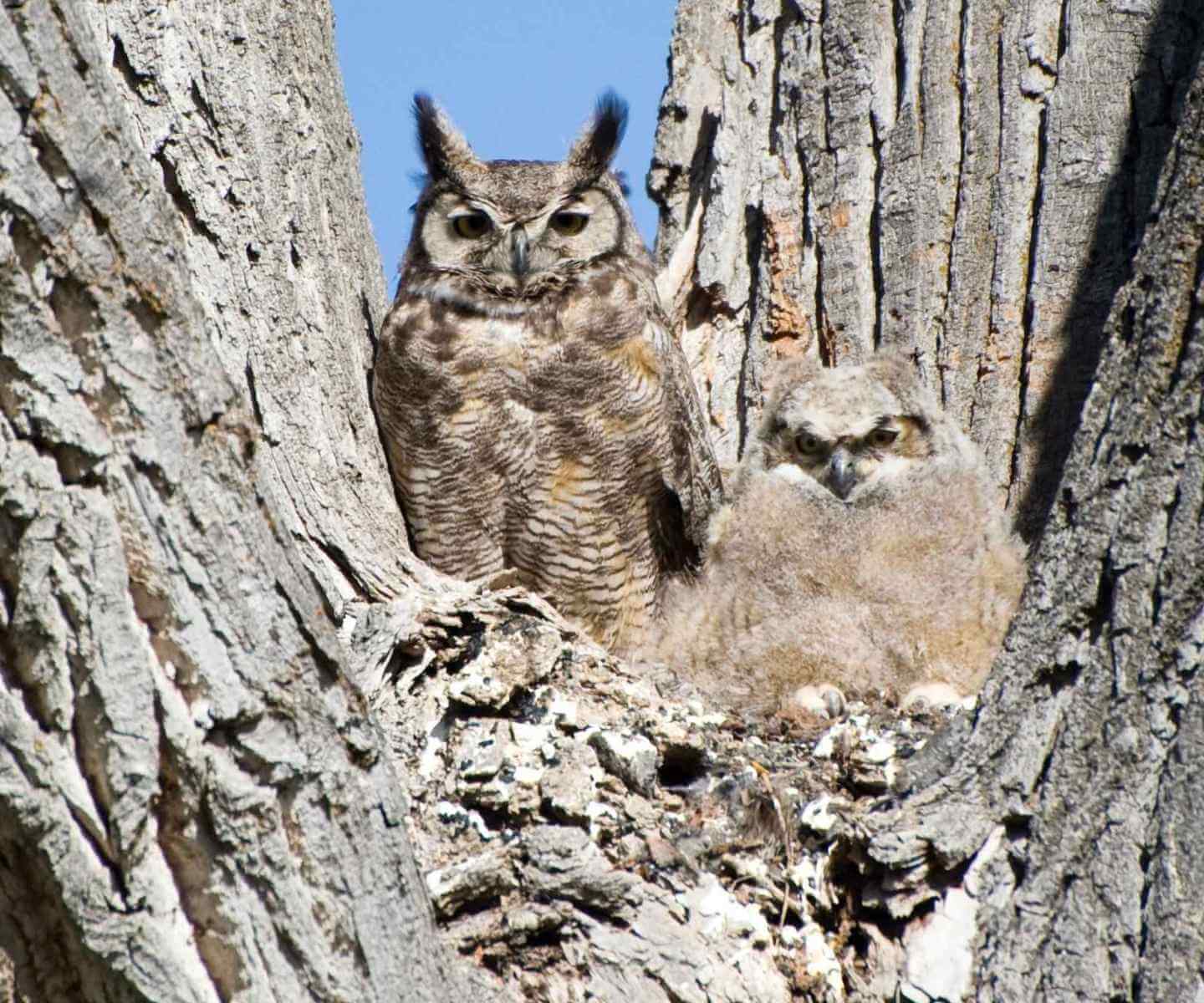
The breeding season runs from August to December. Unlike many other birds, the Magellanic horned owl does not build complex nests. It uses natural cavities, shallow depressions on the ground, or crevices among rocks to lay its eggs.
It typically lays two eggs, and both adults participate in defending and raising the owlets.
Ecological Role
The Magellanic horned owl plays an essential role in Patagonia by regulating rodent and other small animal populations. Its presence helps maintain the stability of fragile ecosystems and reduces the need for artificial pest control methods.
- Control of agricultural pests
- Reduction of invasive species
- Serves as an environmental indicator of good habitat quality
Threats and Conservation
According to the IUCN, it is listed as “Least Concern,” but it faces local threats.
- Habitat loss due to wildfires
- Collisions with vehicles at night
- Electrocution on power lines
- Decline in prey availability due to climate change
Organizations like Aves Argentinas work on monitoring, education, and conservation campaigns to protect the species.
Relationship with Local Communities
In rural areas, the tucuquere appears in traditional stories and southern mythology. Some communities consider it a “guardian of the night” and an ally for controlling mice in barns and fields.
Cultural Insight: Its presence near campsites or shelters is often interpreted as a sign of good weather to come.
Timeline
- 1830s: First anatomical records of horned owls in the Southern Cone.
- 1900–1950: Naturalists document its distribution across Patagonia.
- 2000s: Genetic studies confirm its split from the Great Horned Owl.
- 2013: Formal recognition as a distinct species (Bubo magellanicus).
- 2020–Present: Growth of citizen science records on eBird and community monitoring.
Sources
- Administración de Parques Nacionales (Argentina)
- BirdLife International
- eBird / The Cornell Lab of Ornithology
- IUCN Red List
- Aves Argentinas
Sound of the Magellanic Horned Owl: Authentic Nighttime Call
Listen to the real sound of the Magellanic Horned Owl—its classic, deep, and repetitive “oo-HOO”—recorded in the wild habitats of Patagonia. Perfect for identifying it during your nighttime outings.
Conclusion
The Magellanic horned owl is an essential component of the Patagonian ecosystem. Its role as a nocturnal predator regulates rodent populations and helps conserve local biodiversity. Understanding and protecting this majestic bird is key to maintaining the natural balance that defines Patagonia and its unique identity.
Frequently Asked Questions
Where does the Magellanic Horned Owl live?
It inhabits Andean forests, steppes, and open areas of Argentina and Chile, especially in Patagonia.
What does it eat?
Its diet includes rodents, small birds, and large insects.
What does it sound like?
It has a deep, rhythmic, two-note call: “oo-HOO, oo-HOO.”
Is it endangered?
It is not globally threatened, but it faces risks like wildfires, urban development, and vehicle collisions.
Is it easy to spot?
It is elusive and nocturnal, but its call is frequently heard in rural and mountainous areas.