
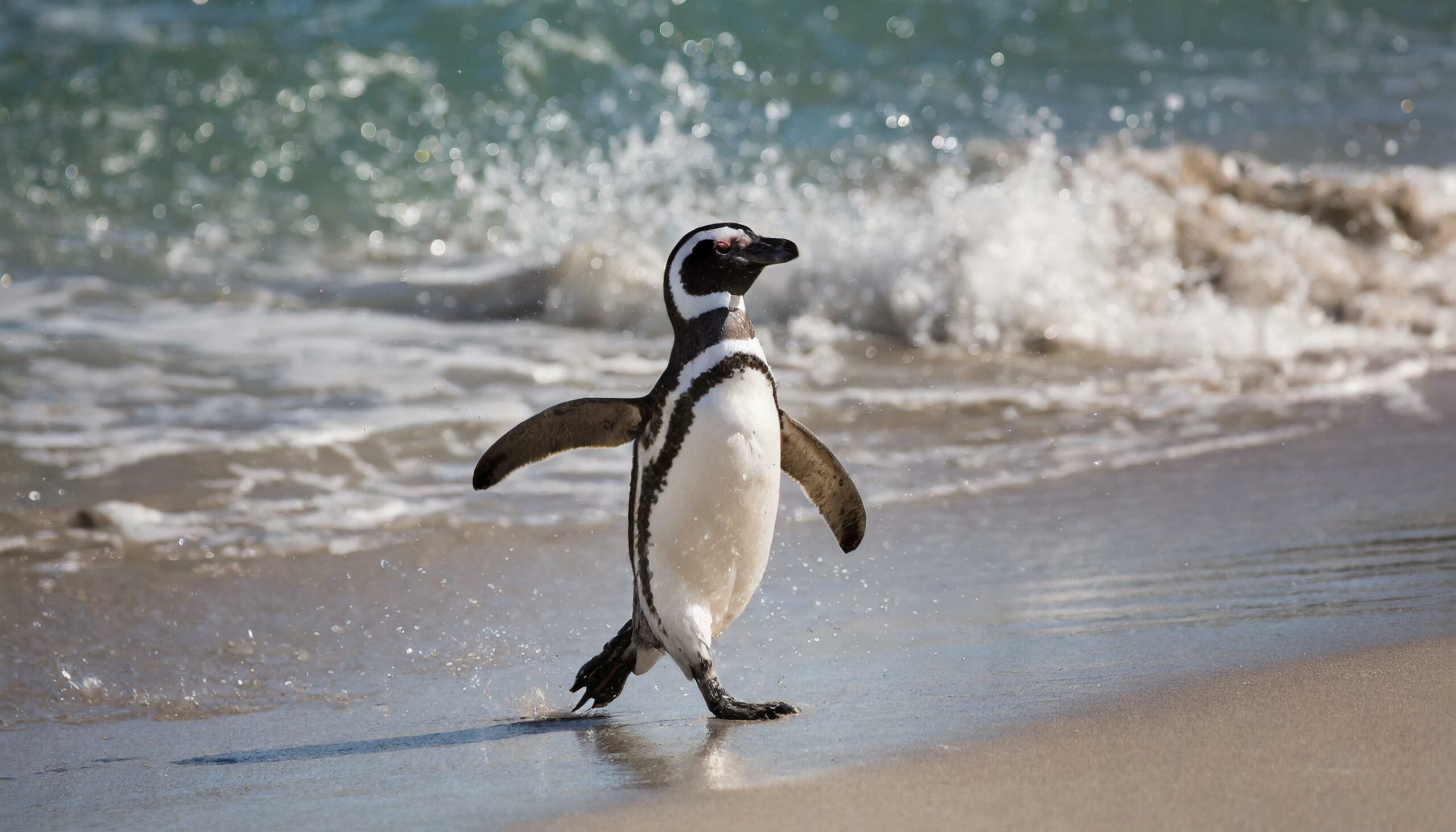
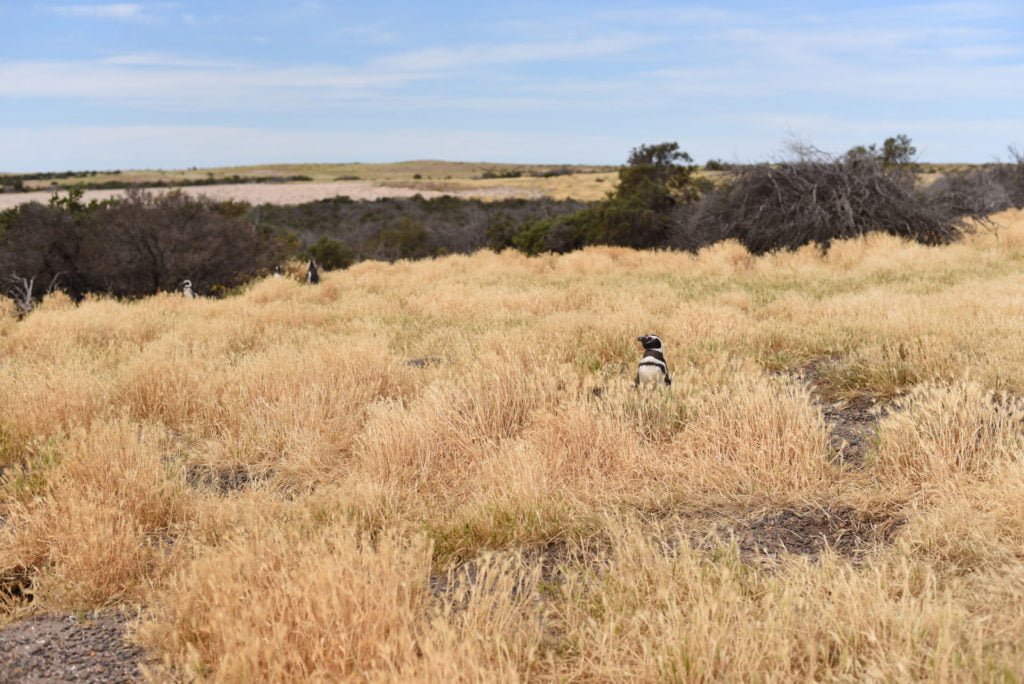
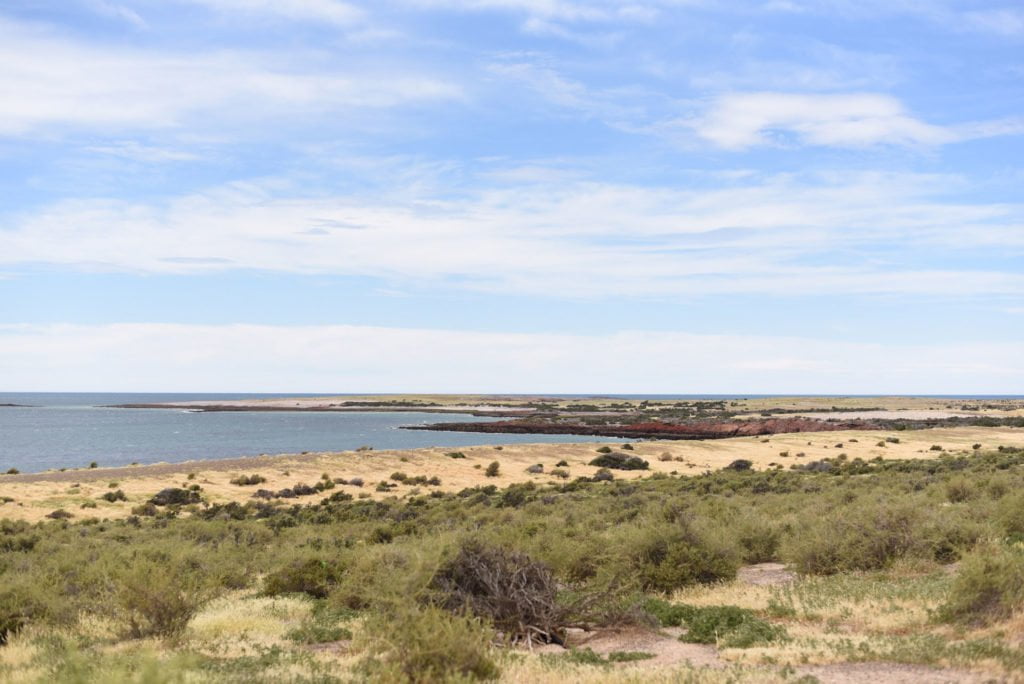
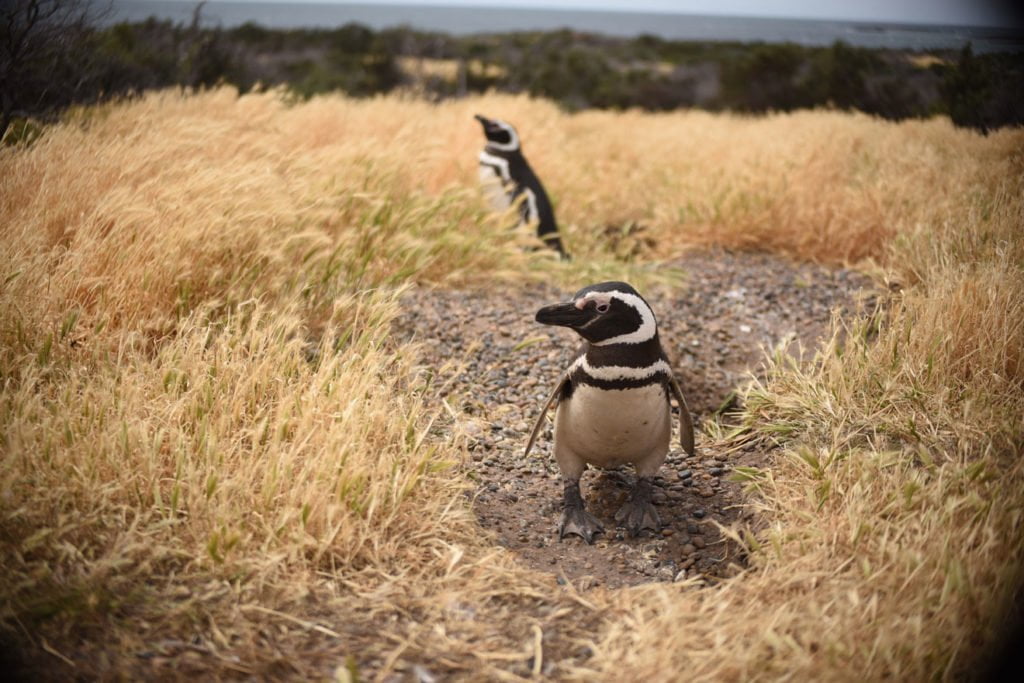
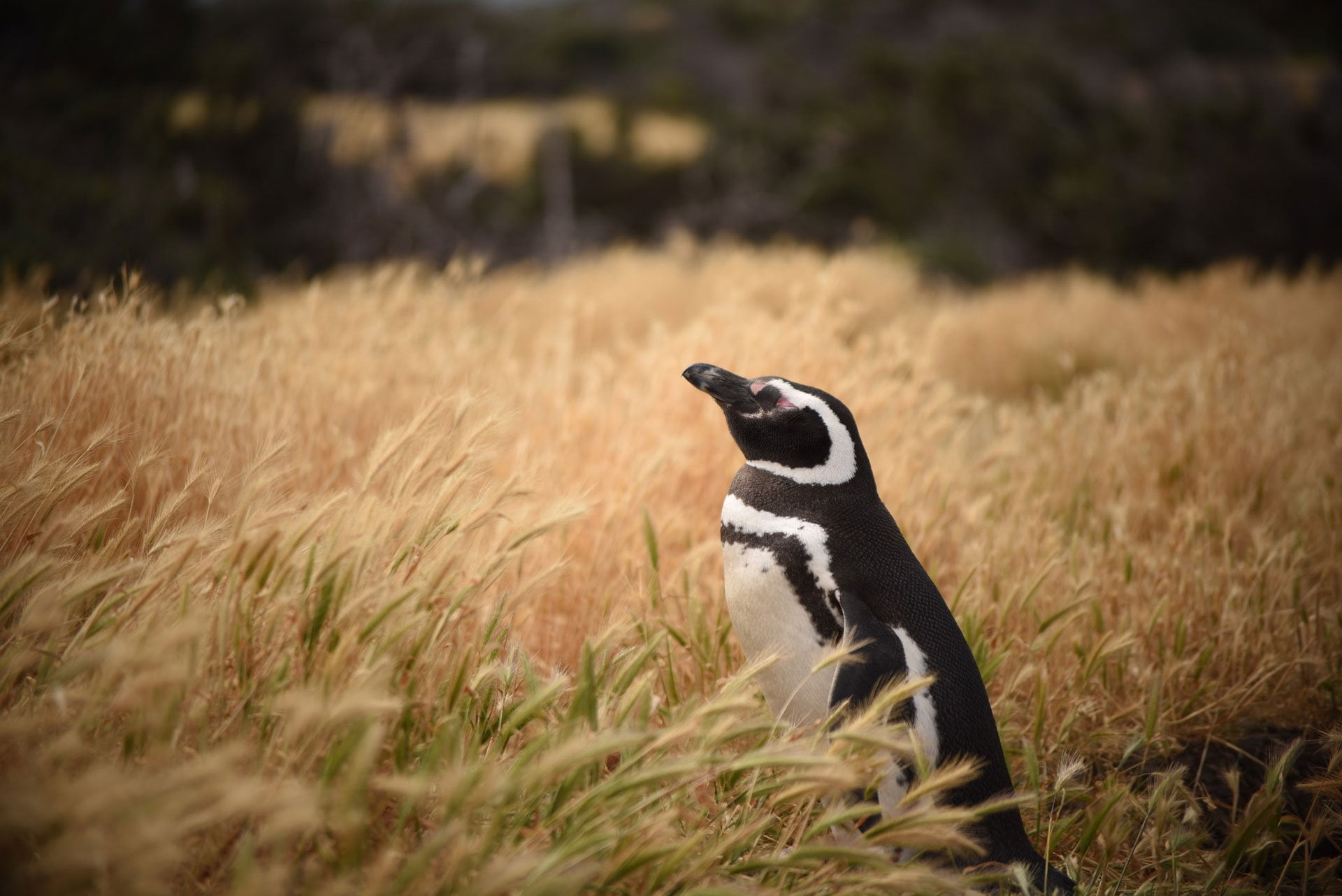
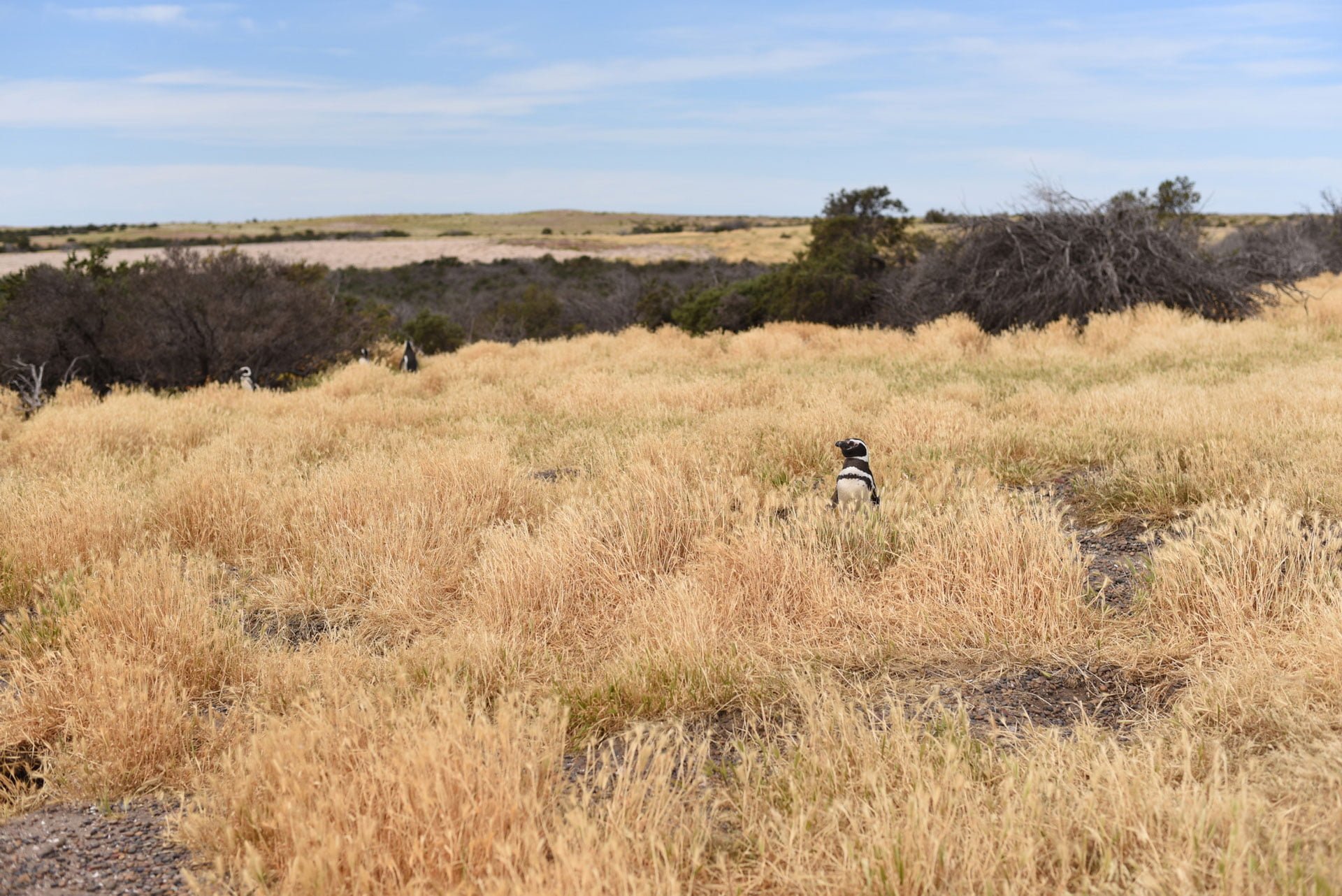
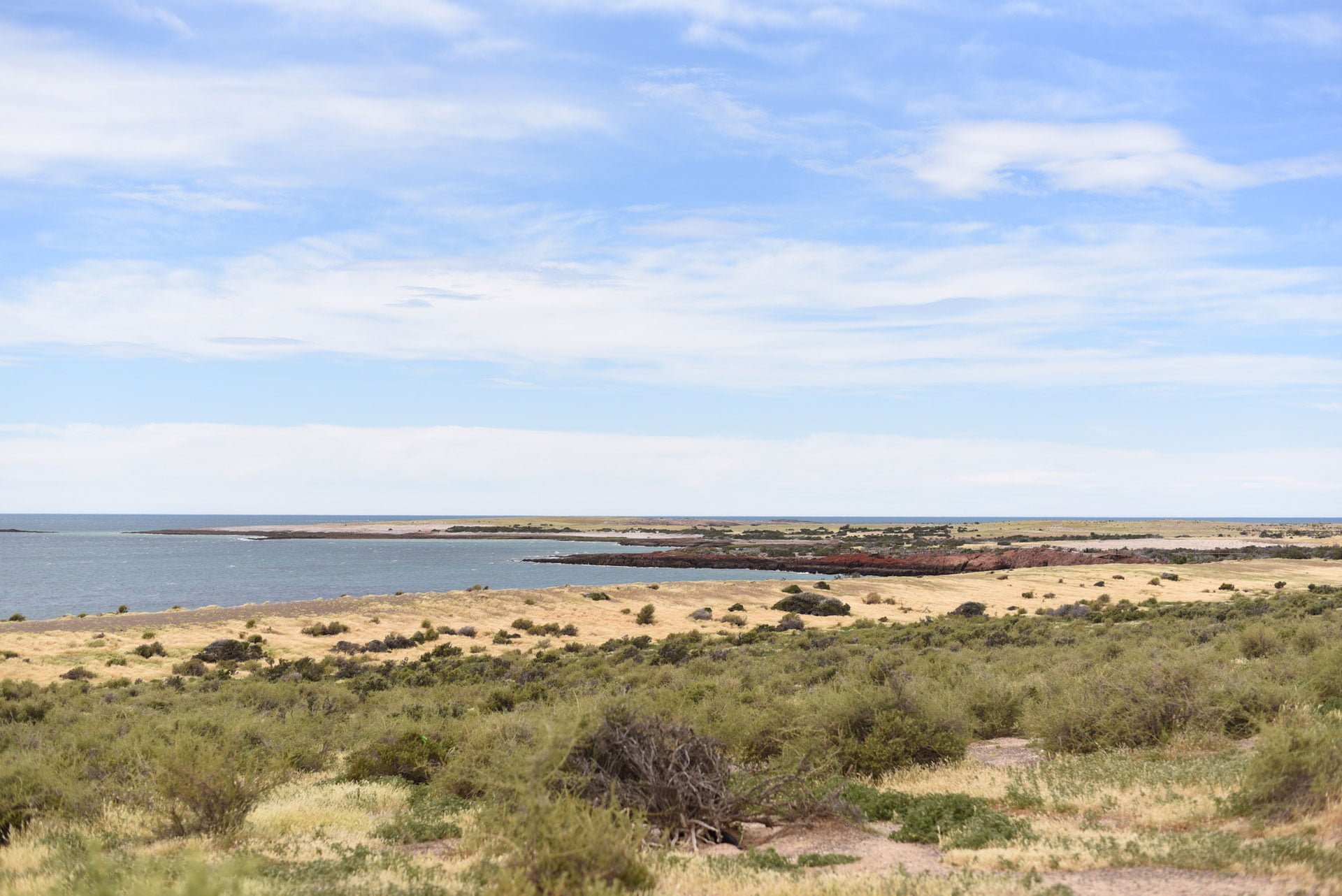
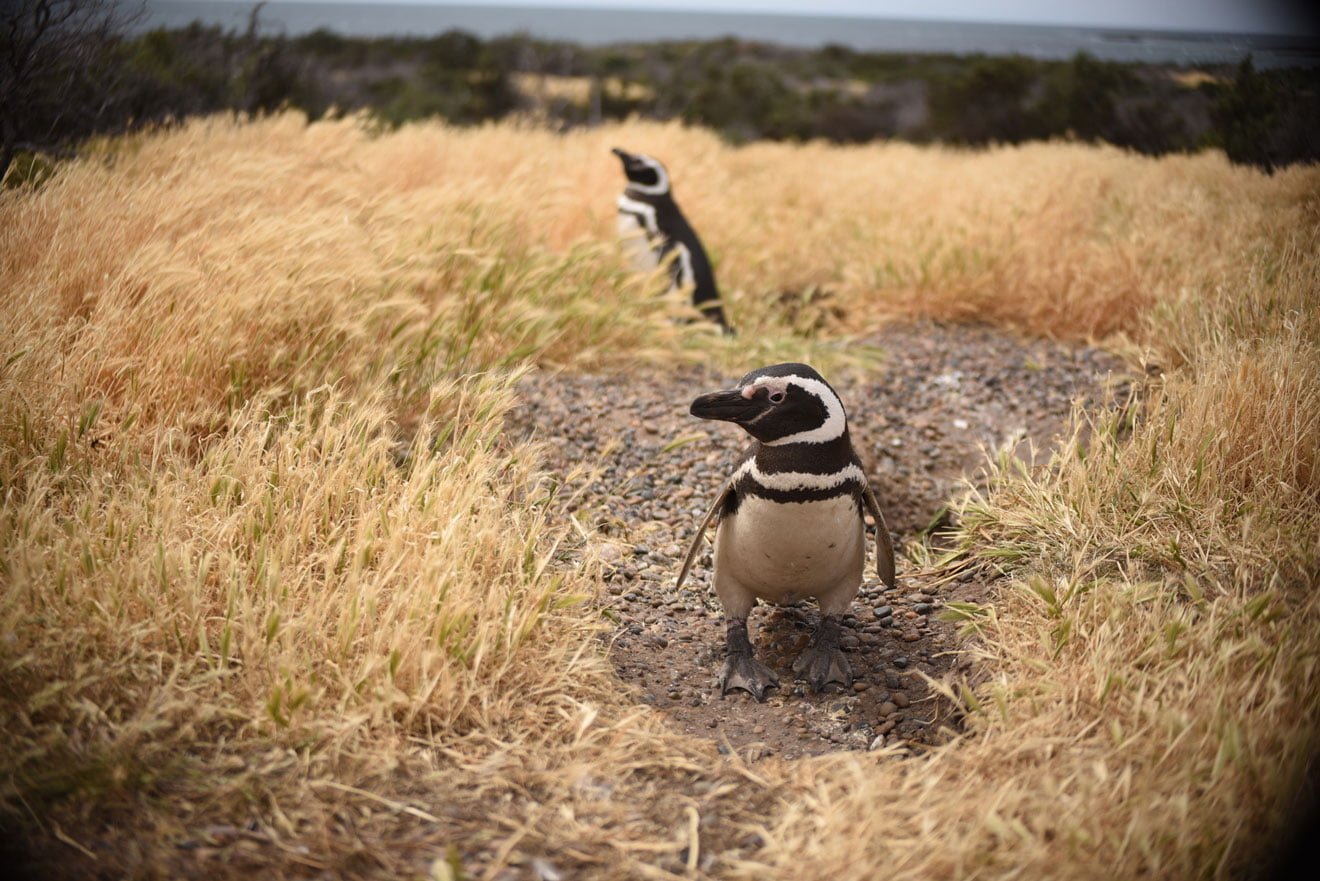
Punta Tombo: Home of the Magellanic Penguins offers an unforgettable experience in one of Argentine Patagonia’s most stunning wildlife sanctuaries. Located on the Atlantic coast of Chubut province, this reserve is renowned for hosting the world’s largest colony of Magellanic penguins, with over a million individuals calling it their home.
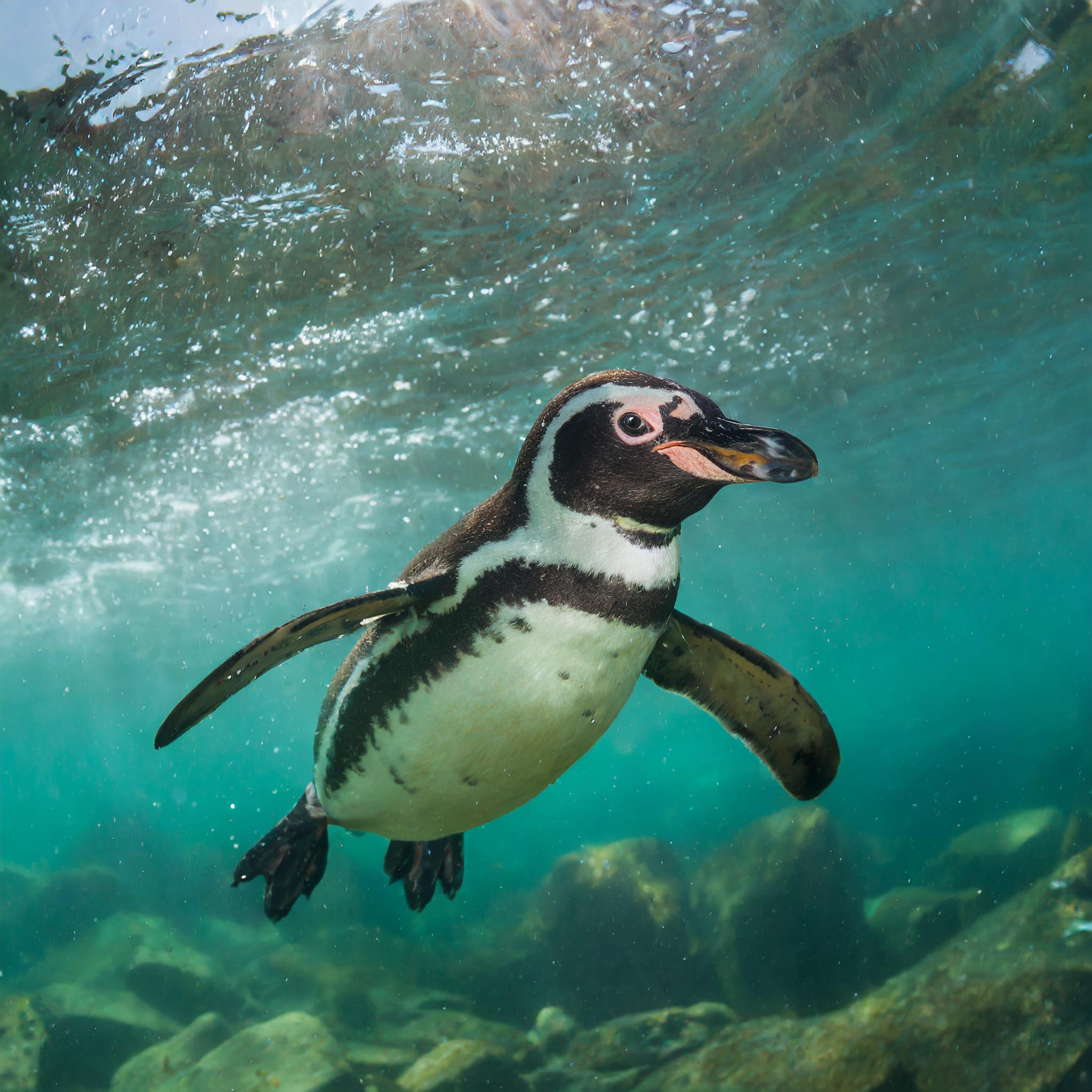
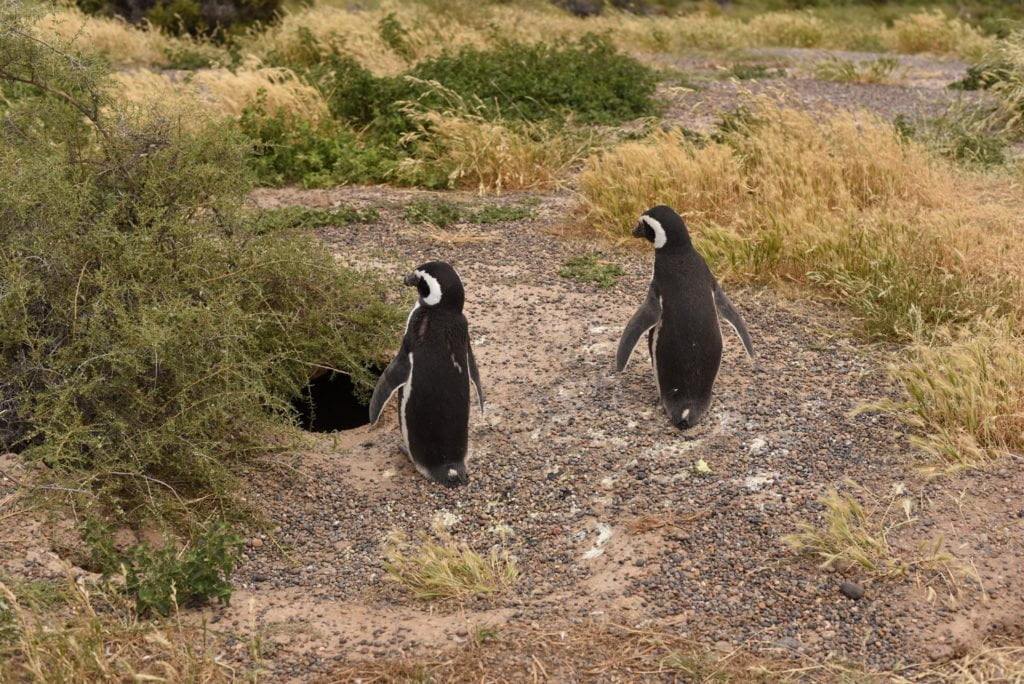
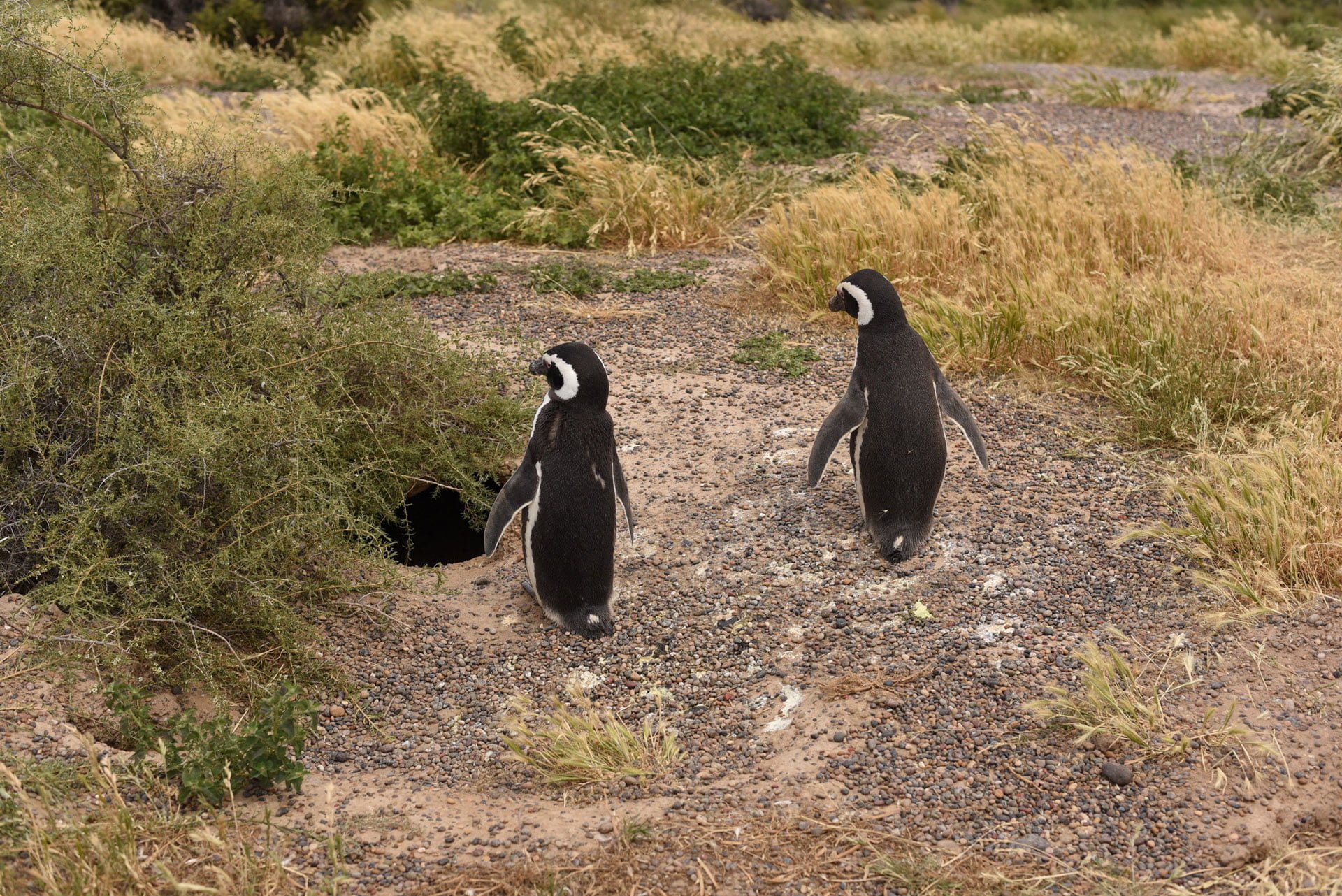
Each year, especially during the breeding season from September to February, thousands of visitors flock to Punta Tombo. They are keen to closely observe the fascinating lifecycle of the Magellanic penguins. Visitors witness everything from nest building to chick hatching, experiencing how these charming animals thrive in a spectacular natural environment.
For more detailed information about the Magellanic penguins, visit their dedicated Wikipedia page.
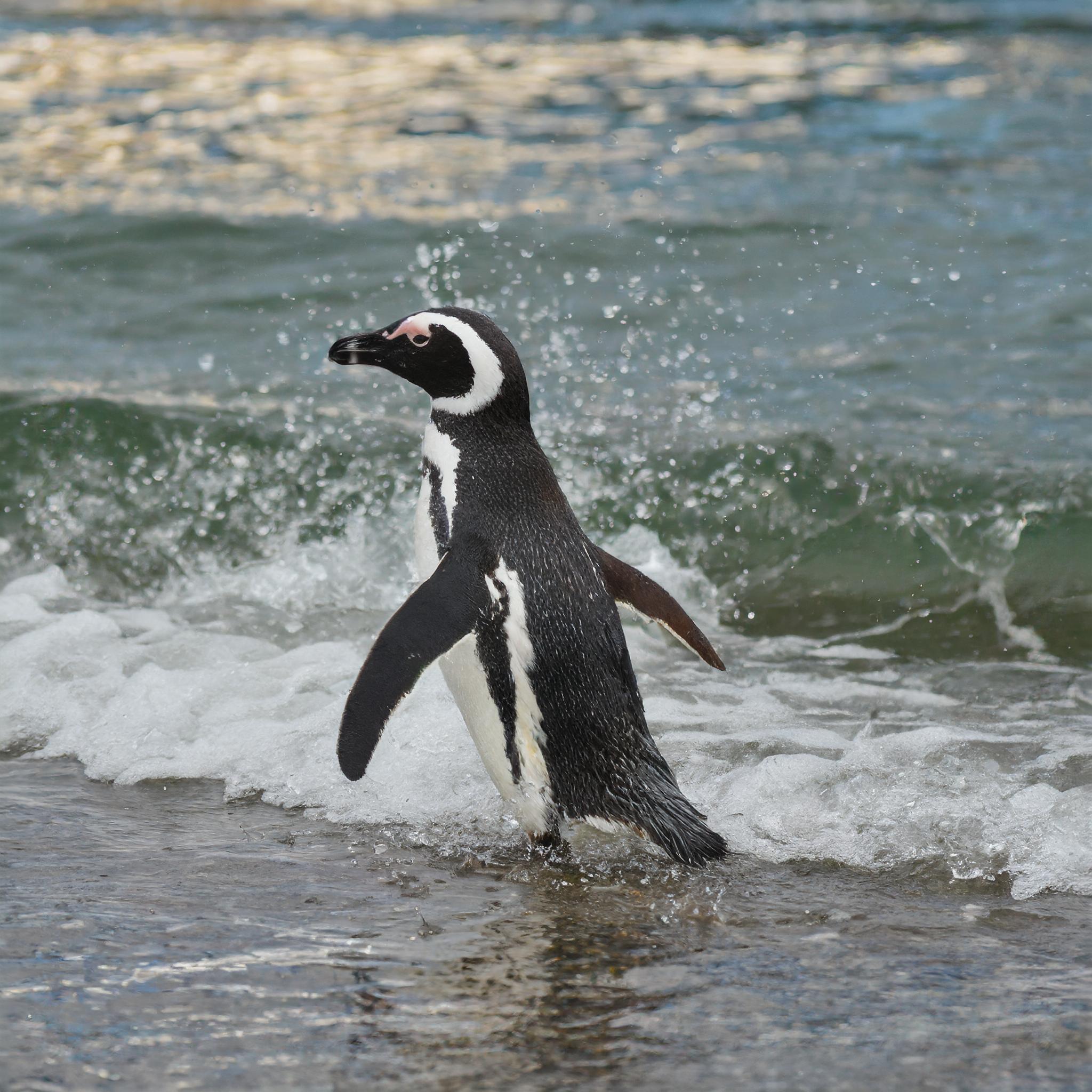
In addition to penguins, Punta Tombo also provides opportunities to observe a variety of other bird species and marine fauna, making it a major draw for nature enthusiasts and photographers.
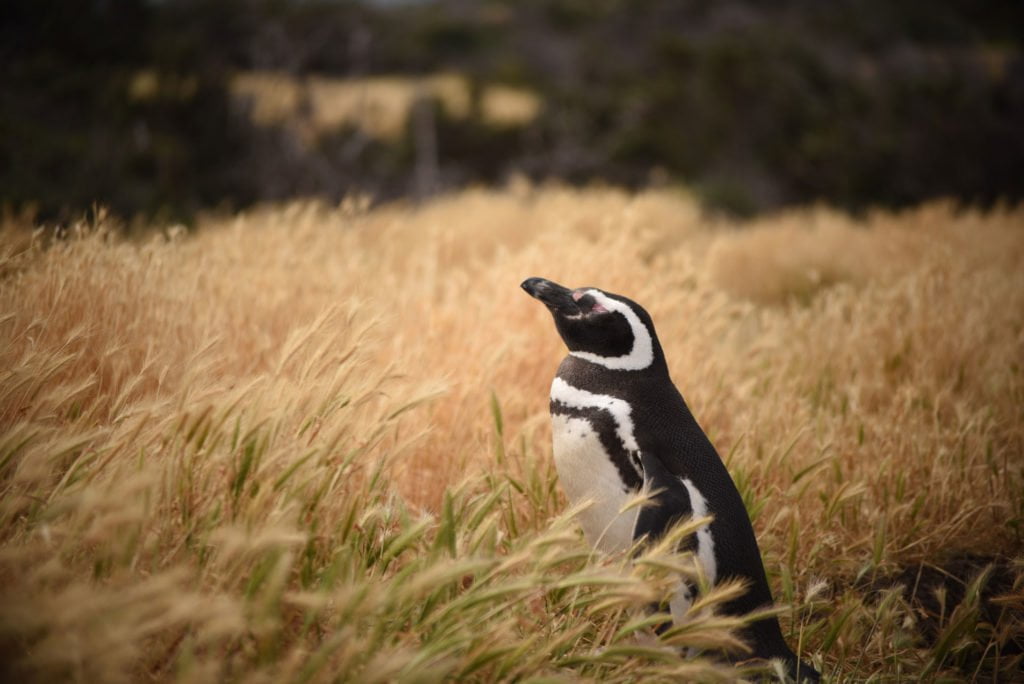
Education and Conservation at Punta Tombo
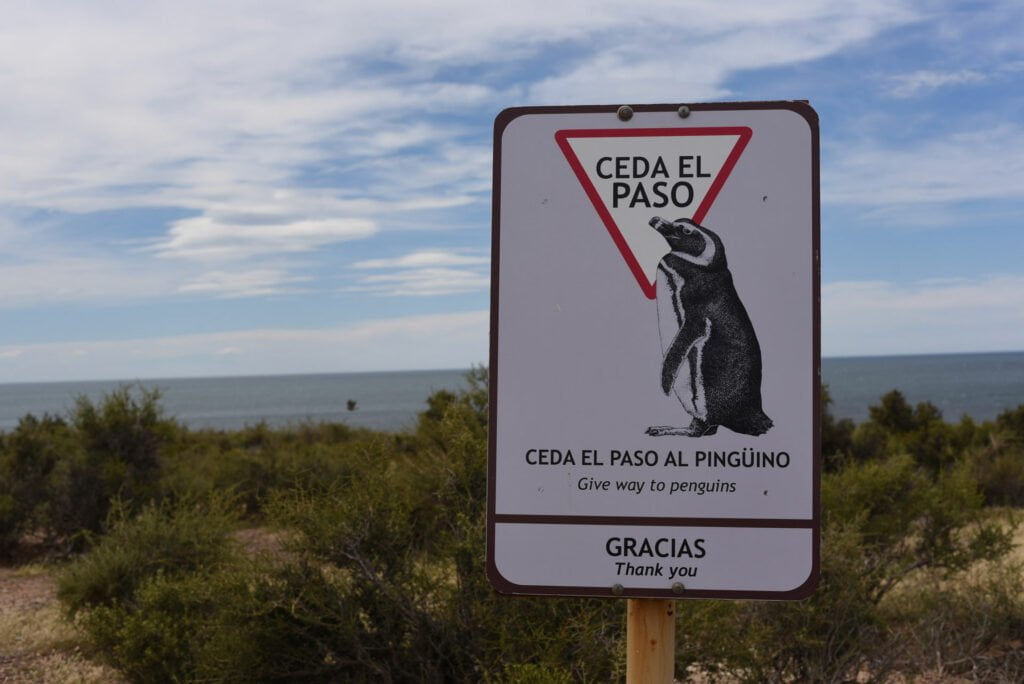
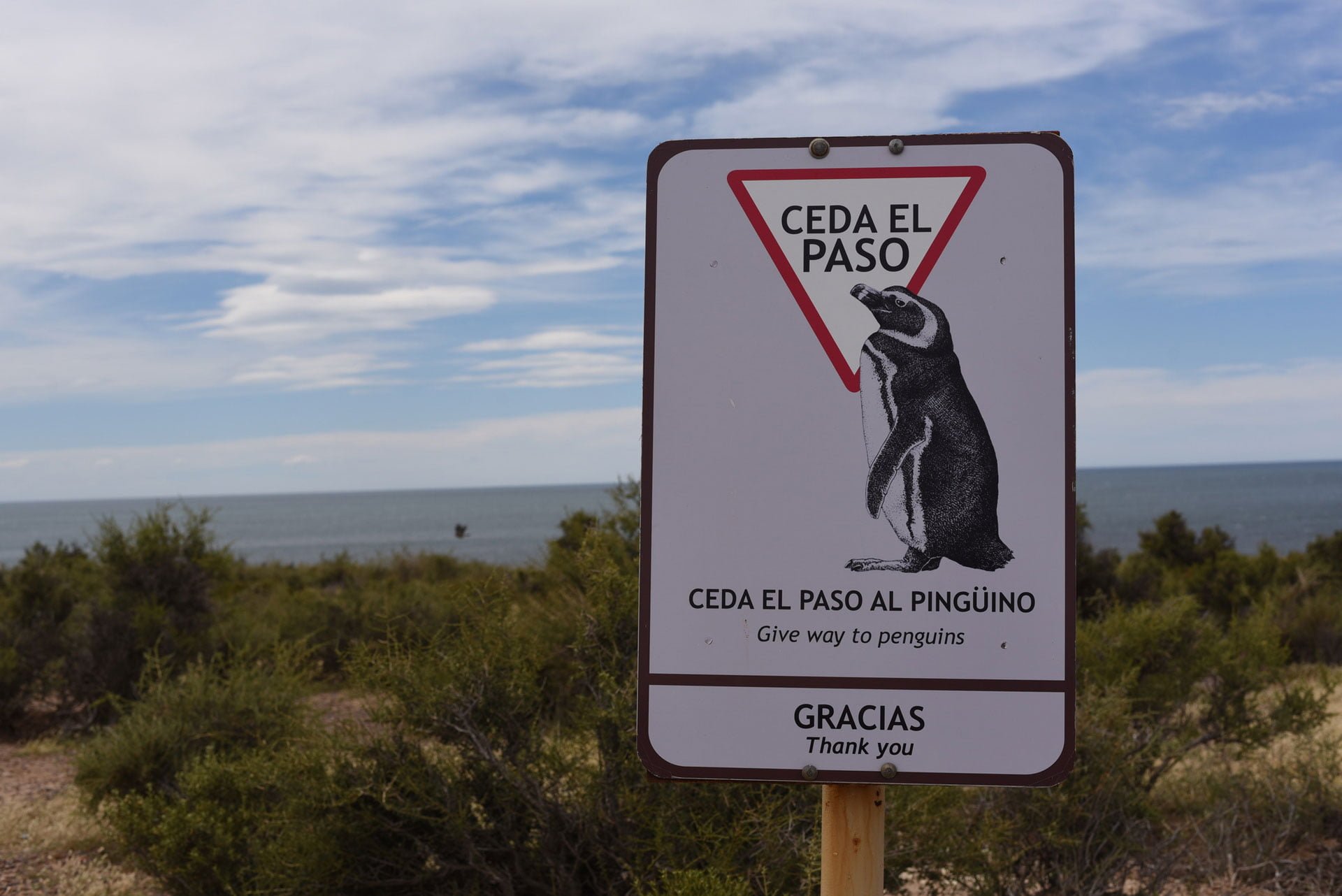
Visiting Punta Tombo is not only educational but also crucial for fostering awareness about wildlife conservation. The reserve conducts various educational activities that emphasize the importance of protecting the natural habitats of these animals.
Plan Your Visit to Punta Tombo
Visiting Punta Tombo during August or September allows you to see the arrival of the penguins, their territorial disputes, and nest building. October is perfect for observing egg incubation, which lasts between 30 and 45 days. Moreover, November marks the birth and early care of the chicks, offering tender and memorable moments.
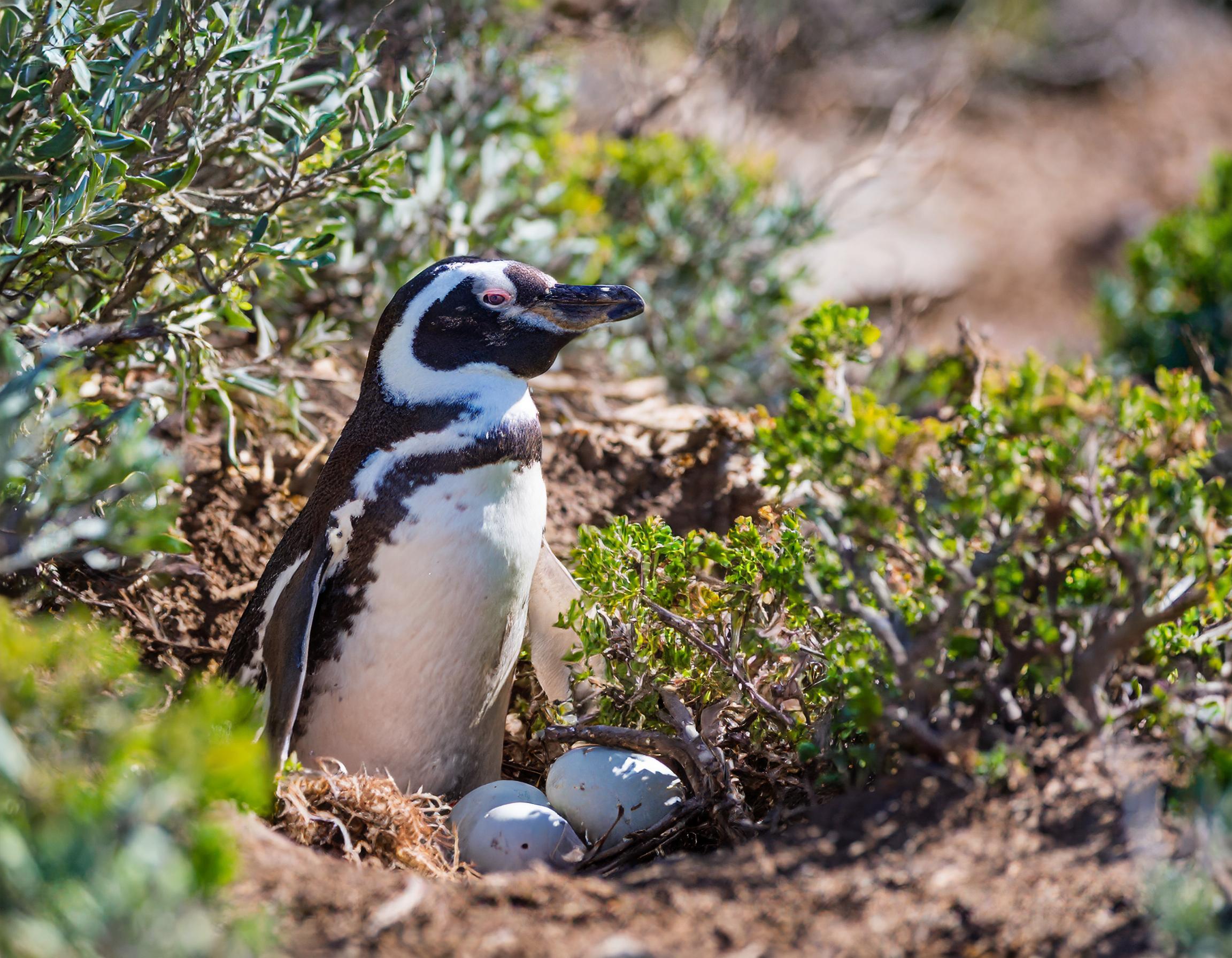
Punta Tombo is undoubtedly a destination that every nature enthusiast should visit at least once to witness the diversity and beauty of Patagonian wildlife in a truly remarkable setting.
Want to hear the sounds of this animal?
Imagine being in the heart of Patagonia, surrounded by nature, and hearing the unique calls of a penguin in the wild. We’ve included a video where you can listen to its incredible sounds and feel the connection with Patagonia’s wildlife. Hit play and enjoy this interactive experience!
Frequently Asked Questions
1. When is the best time to visit Punta Tombo to see the Magellanic penguins?
The best time to visit is during the breeding season from September to February, when thousands of visitors come to witness the penguins’ fascinating lifecycle, from nest building to chick hatching. August and September are particularly recommended months for planning your visit to see the penguins in their natural habitat.
2. How many Magellanic penguins live at Punta Tombo?
Punta Tombo is home to the world’s largest colony of Magellanic penguins, with over a million individuals living at this Argentine wildlife sanctuary. This makes it one of the most significant penguin colonies globally.
3. What wildlife besides penguins can visitors see at Punta Tombo?
In addition to the Magellanic penguins, visitors can observe a variety of other bird species and marine fauna throughout the reserve. This diversity makes Punta Tombo particularly appealing for nature enthusiasts and photographers seeking rich wildlife experiences.
4. Where is Punta Tombo located?
Punta Tombo is located on the Atlantic coast of Chubut province in Argentine Patagonia. This coastal setting in southern Argentina provides the perfect environment for the massive penguin colony.
5. What educational and conservation activities does Punta Tombo offer?
Punta Tombo conducts various educational activities that emphasize the importance of protecting the natural habitats of the penguins and other wildlife. Visiting the reserve helps foster awareness about wildlife conservation while learning about these remarkable animals.
6. What can visitors expect to see during the penguin breeding season?
During the breeding season, visitors can witness the complete lifecycle of Magellanic penguins, including nest building, egg laying, and chick hatching. These observations provide an intimate look at how these charming animals thrive in their spectacular natural environment.