
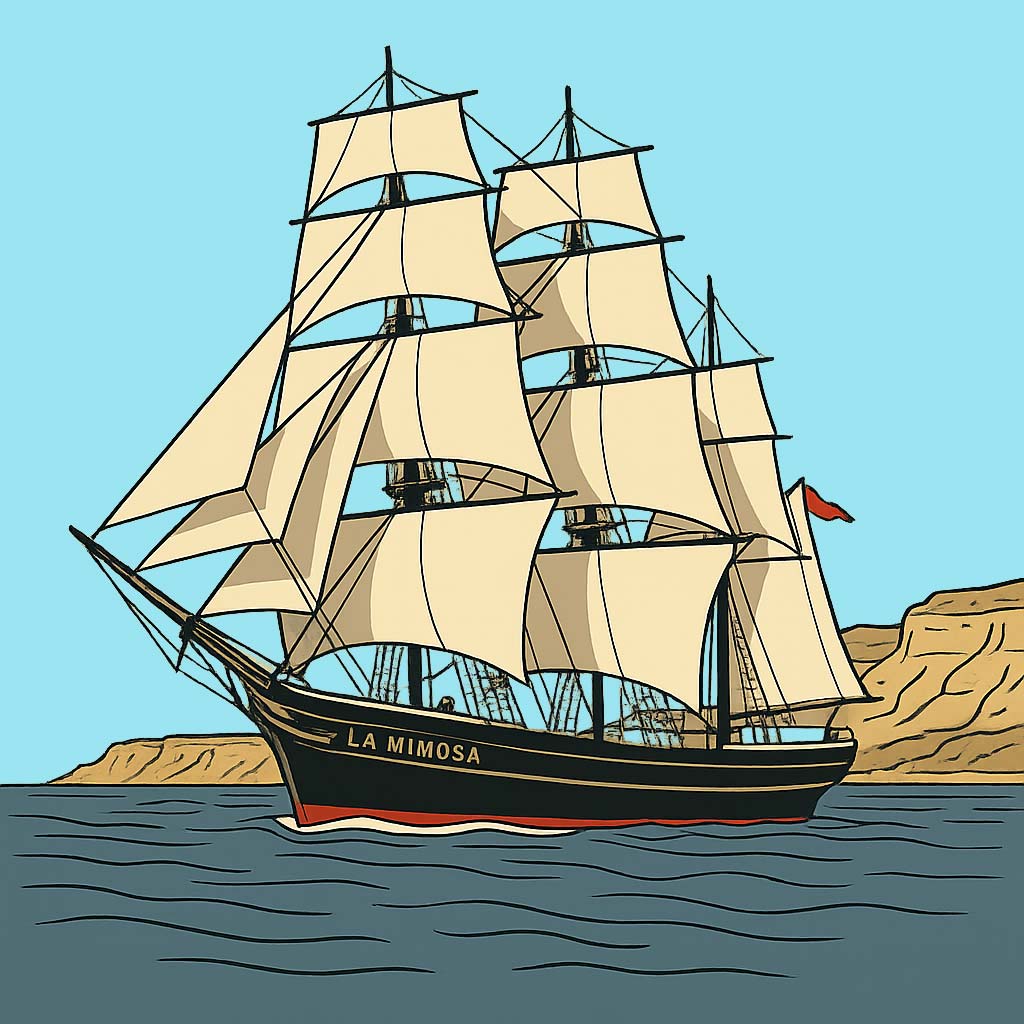
In the vast Argentine south, where the wind sculpts canyons and the horizon fades into the steppe, a piece of Wales beats strong. The story of the Welsh in Patagonia is not merely a tale of immigration: it is a cultural resistance epic that now marks 155 years. Since July 1865, when the Mimosa ship touched the shores of Chubut, the legacy of Welsh Patagonia lives on in the tea houses of Gaiman, the choirs of Trelew, and in surnames blending Celtic sounds with Patagonian accents.
The Voyage of the Mimosa: A Journey That Changed History
On May 28, 1865, the port of Liverpool bid farewell to the Mimosa, a merchant ship reconverted to transport dreams. Onboard, 153 passengers — including 50 children — carried Welsh bibles, farming tools, and an ideal: to create a “New Wales” where their language and traditions could be preserved, far from British assimilation. The journey, led by Reverend Abraham Matthews, lasted 59-60 days. Two babies were born at sea, and three passengers died. Their daily ration: flour, rice, and limited water.
“On July 28, we sighted land… It was a desolate landscape, treeless, only sand and wind. Some wept upon seeing it.” — Diary of Mary Jones, Mimosa passenger
First Years: Hunger, Thirst, and Hope
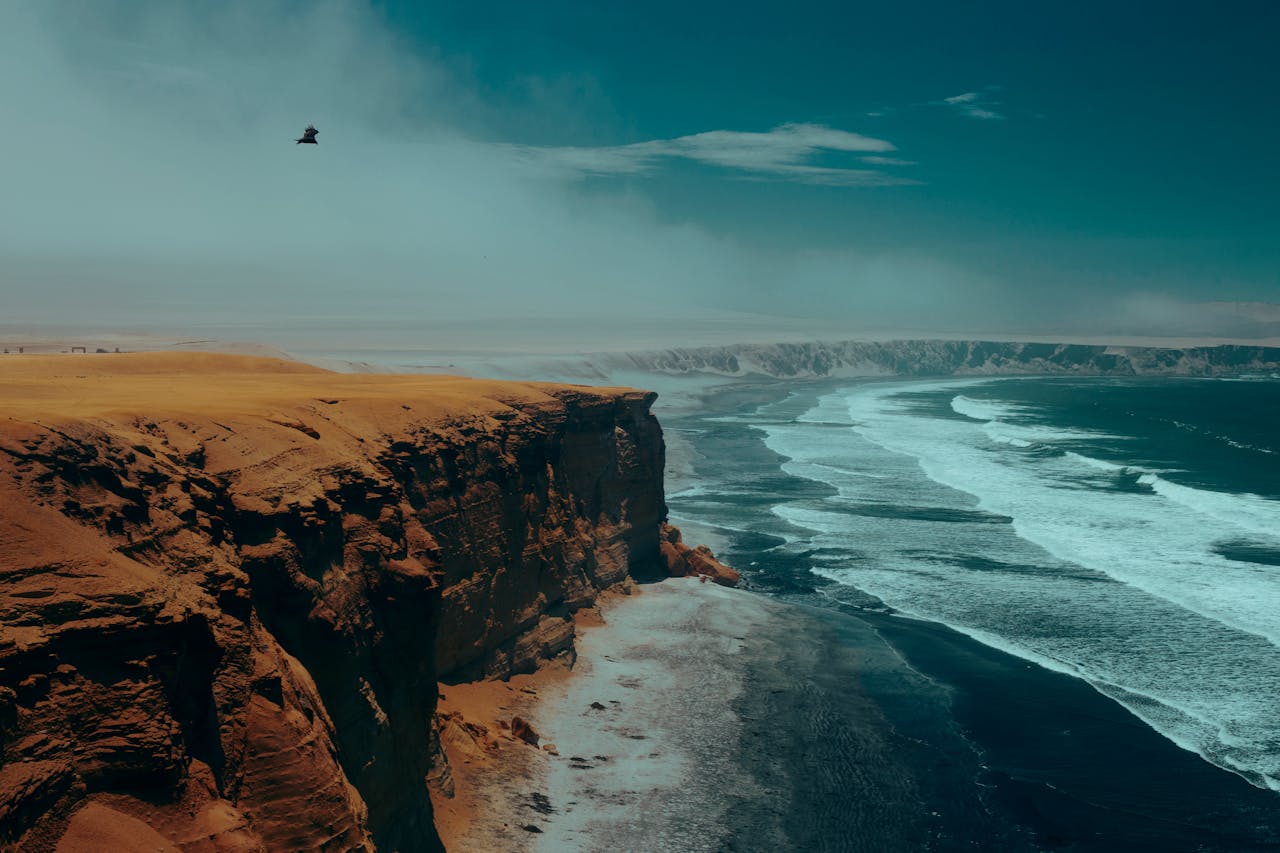
The reality was harsher than the promises. The settlers encountered:
- A hostile climate: Winds up to 100 km/h and extreme temperatures.
- Lack of fresh water: They dug wells as deep as 15 meters without success. Salvation came only upon discovering the Chubut River, 60 km inland.
- Extreme hardships: In the first months, many settlers suffered severe privations. Some walked for miles across the steppe searching for water. At least two colonists died of thirst before the discovery of the Chubut River, highlighting the constant mortal risks of isolation.
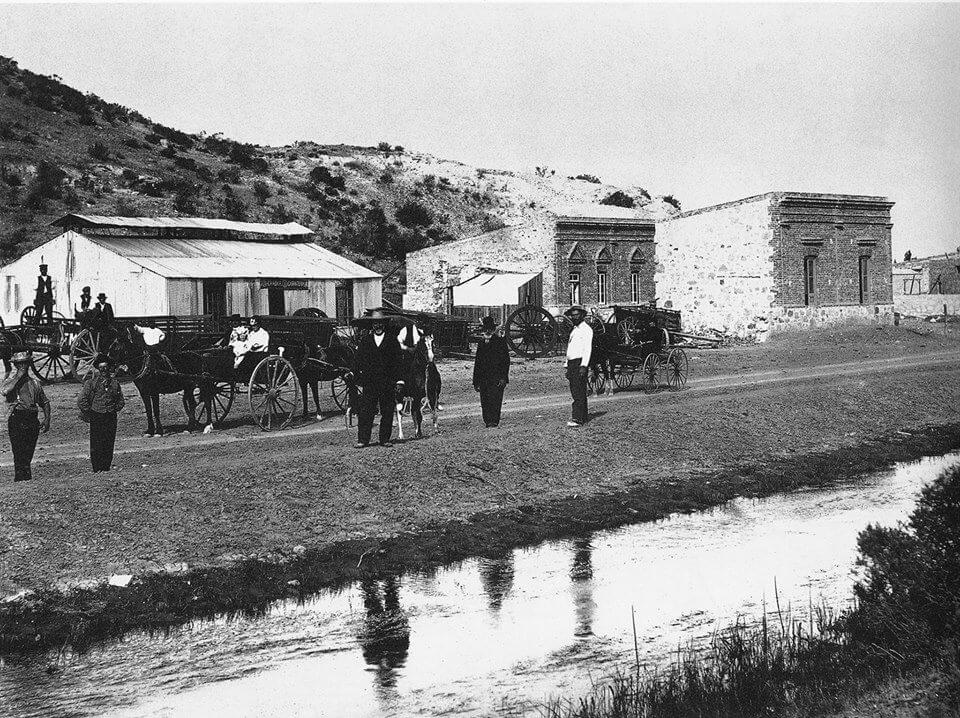
Despite everything, by 1866 they achieved their first wheat harvest using irrigation canals — now recognized as National Historic Heritage. Dug by hand, these canals transformed the desert into a fertile valley.
The Expansion Towards the Andes: Rifleros and Mills
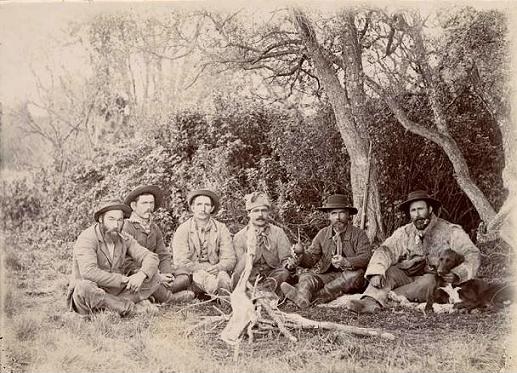
In 1885, a legendary expedition — the Rifleros del Chubut — marched towards the Andes. Among them was John Daniel Evans, who survived a puma attack and founded Trevelin (“Mill Town”). Here, Welsh settlers adopted Mapuche agricultural techniques, creating a unique bilingual society:
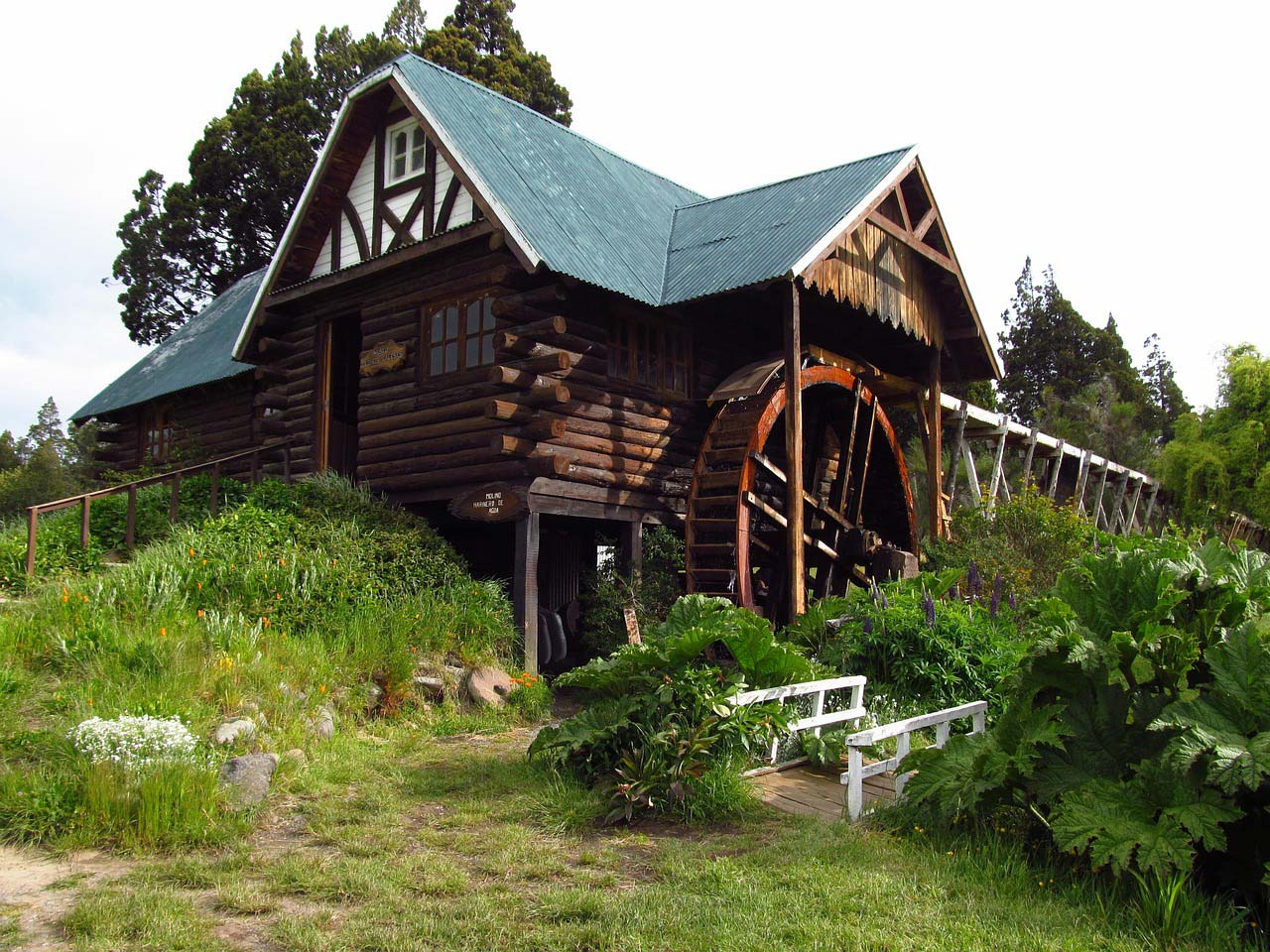
- Hybrid architecture: Chapels with metal roofs and Gothic windows surrounded by araucarias.
- Mestizo cuisine: The traditional Welsh black cake (eggless due to scarcity) served with mate tea.
- Poetic place names: Bryn Gwyn (“White Hill”), Dolavon (“Meadow of the River”).
The 21st Century: Welsh Patagonia Renaissance
Today, the Welsh Patagonians are experiencing a cultural revival:
- Education: 12 schools teach Welsh, including Ysgol yr Hendre in Trelew.
- Events: The Eisteddfod gathers over 5,000 people annually for poetry and singing contests.
- Recognition: Although 2020 saw the expansion of Welsh education programs in Chubut, the language still lacks formal national recognition as a protected minority language.
“My grandmother spoke Welsh to me while baking cakes. Today I teach the same language at the university.” — Elin Williams, Professor at the University of Chubut.
Visitor’s Guide: Experiencing Welsh Patagonia
1. The Historic Route of the Mimosa
- Puerto Madryn: The Welsh Patagonia Mimosa Ship Memorial and the Provincial Museum.
- Trelew: Regional Welsh Museum (featuring original 1865 letters).
- Gaiman: Traditional Welsh tea houses like Ty Te Caerdydd with antique furniture brought from Wales.
2. Must-Try Flavors
- Welsh full tea service: Includes homemade bread, scones, and the iconic Welsh fruit cake.
3. Unique Experiences
- Learn a few Welsh phrases: “Bore da” (Good morning), “Diolch” (Thank you).
- Visit Trevelin in spring: When tulips bloom in homage to the Welsh settlers.
Curious Facts About Welsh Patagonia
- The first soccer match south of the Río Negro was played by Welsh settlers between 1886 and 1887, using a handmade leather ball. By 1889, formal clubs were established in Trelew and Gaiman.
- The surname “Jones” is more common in Chubut than in any other Argentine province.
A Royal Visit: The Day Lady Di Had Tea in Gaiman
On November 23, 1995, the town of Gaiman experienced a historic moment: the visit of Princess Diana of Wales. Her passage through Welsh Patagonia was brief yet highly symbolic. Diana chose to visit the Ty Te Caerdydd tea house, founded by descendants of the original settlers, where she enjoyed traditional Welsh tea, black cake, and homemade bread.
It was not an official protocol visit: Lady Di, moved by her heritage and humanitarian interests, included Gaiman on her South American tour. Dressed simply and warmly engaging with locals, she inquired about the story of the Mimosa and the early struggles of the settlers. Today, the teapot and cup she used are displayed at Ty Te Caerdydd, commemorating her visit.
Conclusion: A Bridge Between Two Worlds
Welsh Patagonia is not a museum: it is a living culture where harps play alongside criollo guitars, where tea is enjoyed with mate, and where Celtic surnames carry an Argentine accent. As we celebrate the 155th anniversary of the Mimosa‘s arrival, their story continues teaching us that borders are imaginary and identity is built by weaving roots together.
Would you like to be part of this tradition? Discover specialized tours to Welsh Patagonia or learn how to enroll in Welsh language courses offered by the Chubut government.
Frequently Asked Questions
1. When did Welsh settlers arrive in Patagonia and why did they come?
Welsh settlers arrived in Patagonia on July 28, 1865, aboard the ship Mimosa, which departed from Liverpool on May 28 of that year. They came to establish a “New Wales” where they could preserve their language, culture, and traditions away from British assimilation in their homeland.
2. How many people were on the Mimosa and what was the journey like?
The Mimosa carried 153 passengers, including 50 children, on a grueling 59-60 day voyage across the Atlantic. During the journey, two babies were born at sea while three passengers died, and the travelers survived on meager rations of flour, rice, and limited water.
3. What were the first challenges the Welsh settlers faced in Patagonia?
The settlers encountered a hostile environment with winds reaching up to 100 km/h, extreme temperatures, and a critical shortage of fresh water, forcing them to dig wells as deep as 15 meters with limited success. The landscape was desolate and treeless, consisting mainly of sand and wind, which shocked and dismayed many of the new arrivals.
4. Where can visitors experience Welsh Patagonian culture today?
The Welsh legacy lives on in towns like Gaiman, known for its traditional tea houses, and Trelew, famous for its Welsh choirs. These communities preserve Welsh traditions and provide visitors with authentic cultural experiences rooted in 155 years of heritage.
5. Who led the Welsh settlement expedition to Patagonia?
Reverend Abraham Matthews led the Welsh settlers on their journey to Patagonia, guiding the 153 passengers aboard the Mimosa in their quest to create a new Welsh community in South America.
6. How has the Welsh heritage influenced Patagonia after 155 years?
The Welsh legacy has become deeply woven into Patagonian culture through the preservation of the Welsh language, surnames that blend Celtic sounds with Patagonian accents, and cultural traditions maintained in local communities. This cultural resistance has created a unique fusion that continues to define the identity of Welsh Patagonia today.