Since ancient times, medicinal plants have been pillars of human health. Across cultures and centuries, roots, leaves, flowers, and barks were used to treat ailments, heal wounds, and strengthen the body. Today, this ancestral knowledge not only remains relevant—it is gaining value in regions like Patagonia, where the wisdom of Indigenous and rural communities preserves a unique herbal medicine tradition. In this article, we explore the history of healing plants and their roots in southern Patagonia.
Global history of medicinal plants
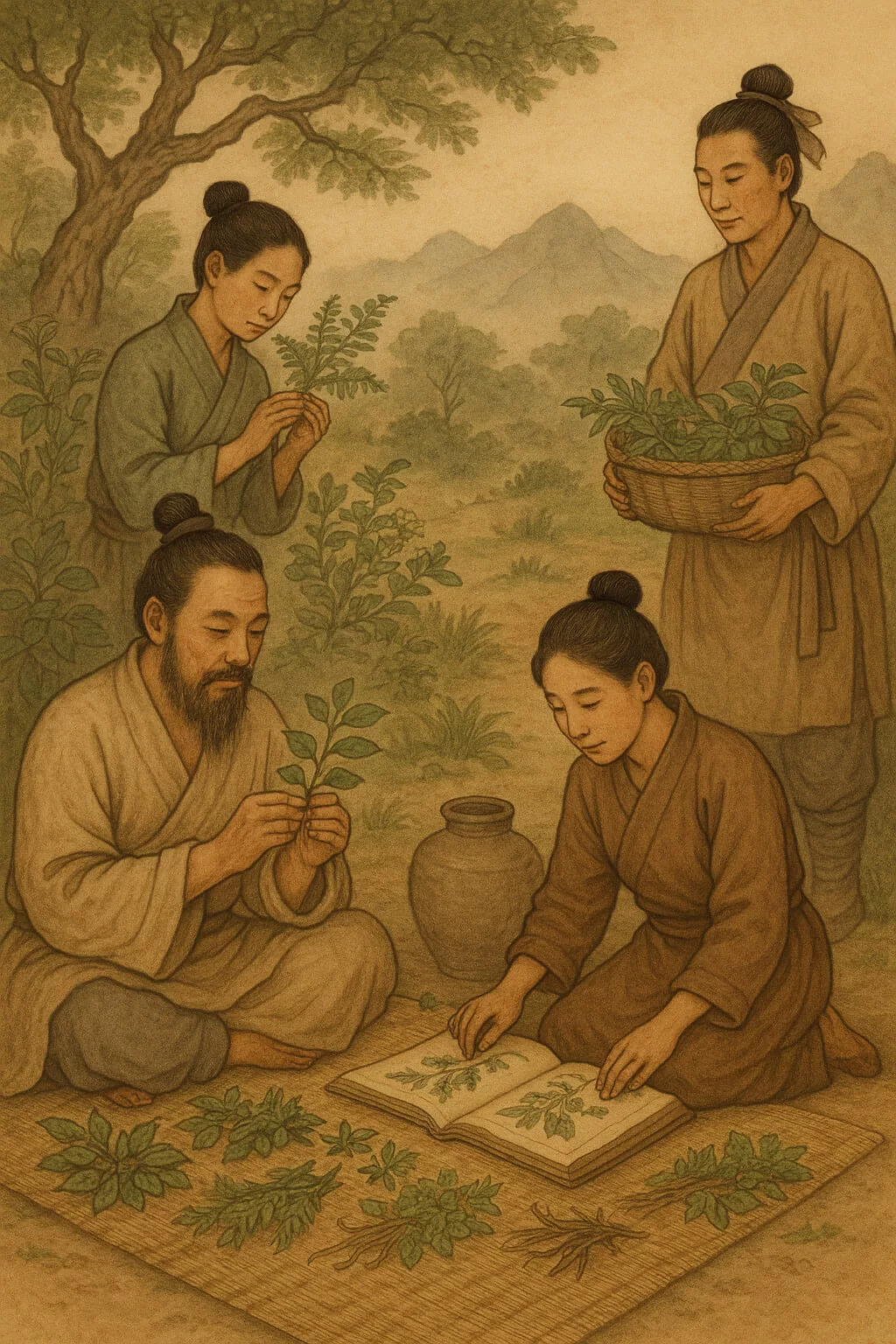
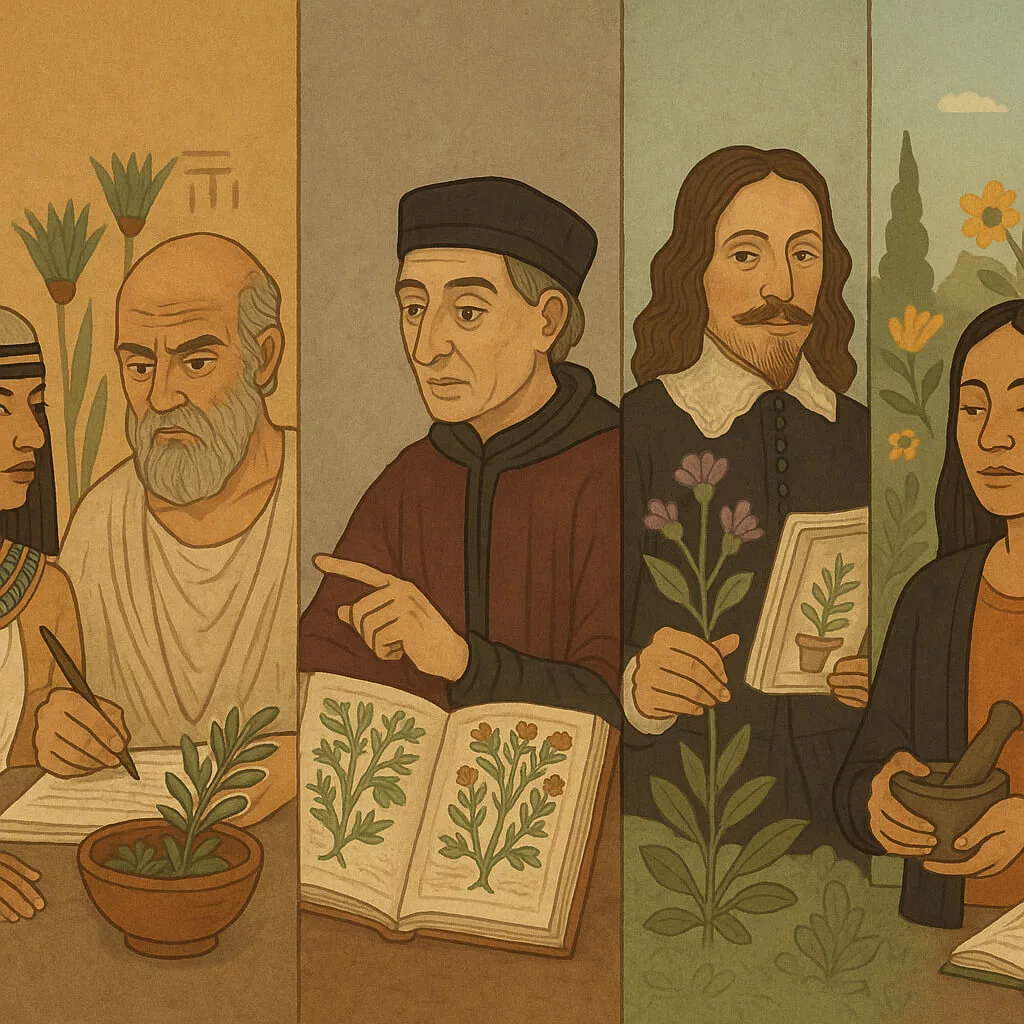
The therapeutic use of plants has been documented for over 5,000 years. Ancient civilizations like the Chinese, Egyptians, Indians, and Mesopotamians developed systematic treatments involving herbal preparations. The Hindu “Rig Veda” (around 2000 BCE) already mentioned properties of herbs such as sandalwood, turmeric, and ashwagandha. In Egypt, around 250 species were used, with formulas including aloe, myrrh, and wormwood.
In Ancient Greece, Hippocrates and Theophrastus classified over 500 species based on their effects. Rome expanded this knowledge through Galen, who developed the “Theory of Humors.” During the Middle Ages, monasteries became hubs for collecting and transmitting botanical knowledge, with major works like Bartholomaeus Anglicus’s “De Proprietatibus Rerum” and Hildegard of Bingen’s treatises.
The century of plants
The 16th century in Europe saw a botanical boom. Manuals like “Herbarum Vivae Eicones” and Parkinson’s celebrated “Paradisi in Sole” (1629) combined scientific texts and engravings. Modern nomenclature was established by Linnaeus in 1735 with his binomial classification system, still used today.
Indigenous knowledge and American herbalism
Before colonization, the Indigenous peoples of the Americas had a deep understanding of herbal medicine. Mapuche, Inca, Maya, and Guaraní communities cultivated and gathered herbs for healing. In Peru alone, over 1,500 species were used. Ayurvedic medicine also influenced Southeast Asian practices that later reached the Americas via trade.
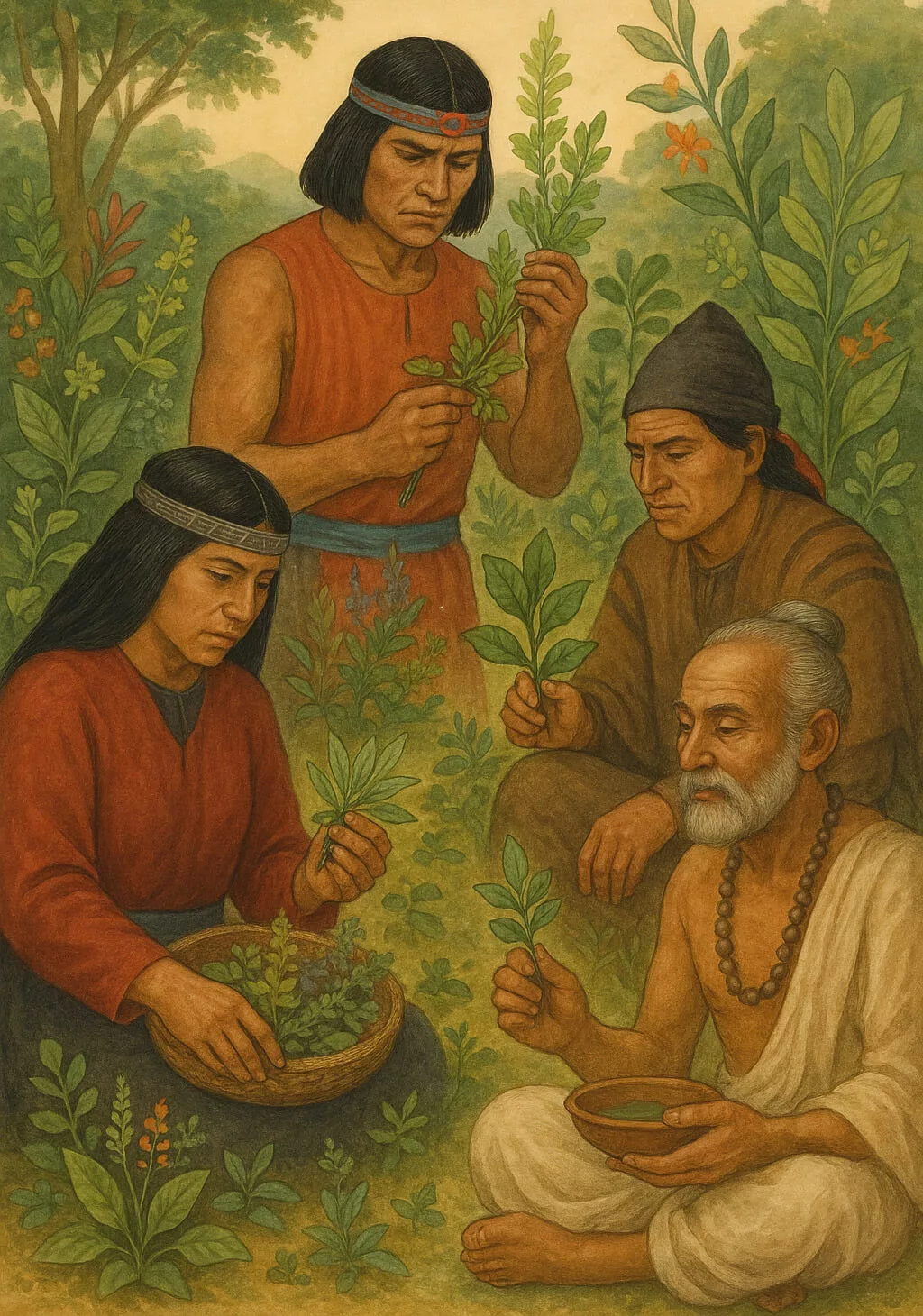
These communities prepared herbs as tinctures, poultices, steam treatments, and baths to treat everything from digestive issues to wounds. Herbs like damiana were used for their aphrodisiac and calming effects, while muña was employed for congestion and altitude sickness.
Remedies and uses in Patagonia
In Patagonia, medicinal knowledge has been preserved through oral tradition and popular practice. According to documented fieldwork and ethnobotanical collections, residents of Tierra del Fuego, Chubut, Santa Cruz, and Chiloé Island created natural remedies to combat cold, muscle aches, infections, and respiratory problems.
Important: In Chiloé, recipes were classified by application: internal (infusions, extracts) and external (compresses, ointments). Pregnant people and children were advised to avoid internal use due to potential side effects.
Commonly used medicinal plants include:
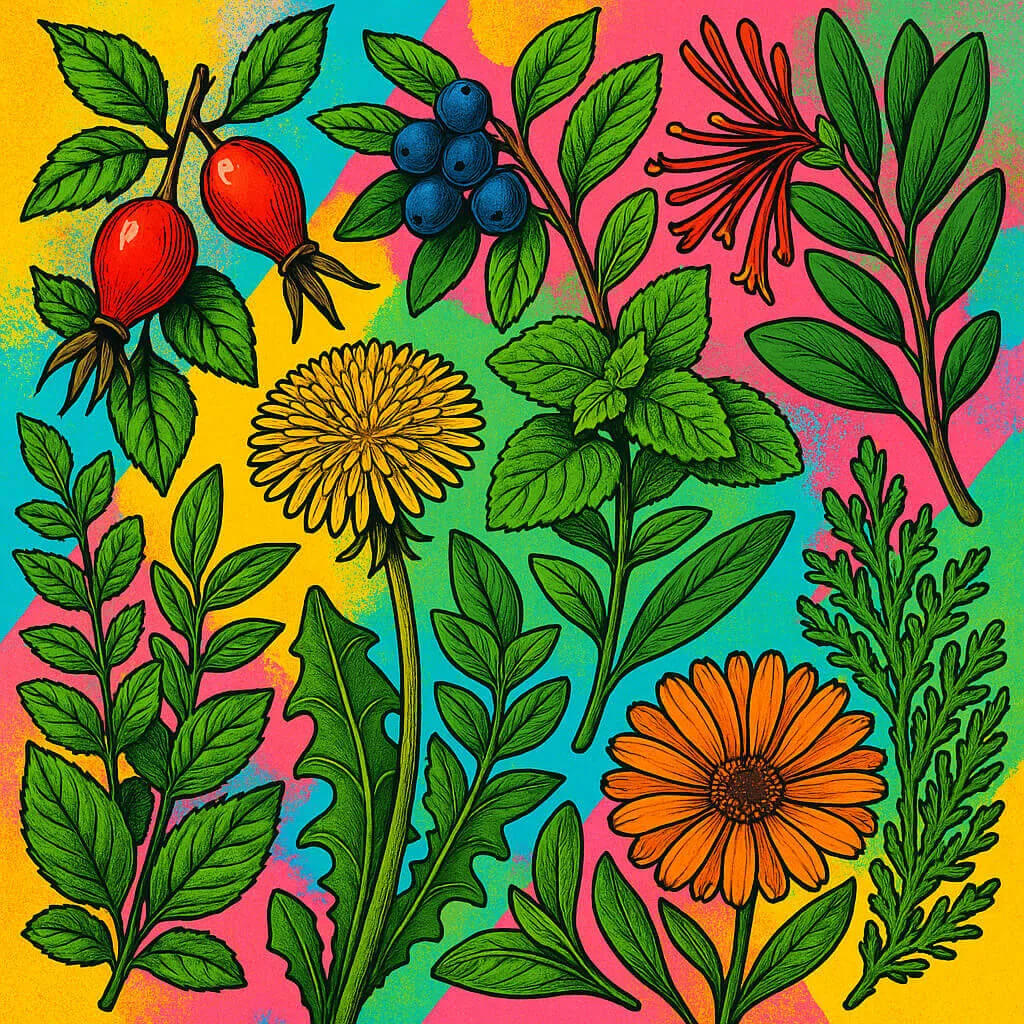
- Calafate: natural wound healer, antioxidant, and immune booster.
- Rosehip: rich in vitamin C, used for skin regeneration, burns, and anti-aging.
- Calendula: anti-inflammatory and antimicrobial, for wounds, dermatitis, and skin ulcers.
- Elderflower: treats colds and flu with its sweat-inducing and expectorant effects.
- Chamomile: digestive, calming, and antispasmodic, commonly used in teas for stomach pain.
This ancestral knowledge has been compiled in herbalist manuals, oral histories, and scientific comparisons by figures like Demetrio Havrylenko and Bruno Polastri, among others. Other native species like calafate and rosehip continue to be valued for their medicinal properties and cultural significance in the region. Additionally, plants such as maqui have gained recognition for their antioxidant benefits and traditional therapeutic applications.
Key timeline
- 5000 BCE – China begins developing medicinal plant use and theory.
- 2500 BCE – Egyptians use 250 species for therapeutic purposes.
- 460 BCE – Hippocrates writes the “Corpus Hippocraticum.”
- 1235 – Arnau de Vilanova documents herbal medicine in Europe.
- 1629 – Parkinson publishes “Paradisi in Sole.”
- Today – Traditional Patagonian recipes are systematized, many rooted in Mapuche, Tehuelche, and Ona culture.
Frequently Asked Questions
1. How far back does the documented use of medicinal plants go in human history?
The therapeutic use of plants has been documented for over 5,000 years, with ancient civilizations like the Chinese, Egyptians, Indians, and Mesopotamians developing systematic treatments involving herbal preparations. For example, the Hindu “Rig Veda” from around 2000 BCE already detailed the properties of herbs such as sandalwood, turmeric, and ashwagandha.
2. What role did Indigenous and rural communities play in preserving medicinal plant knowledge?
Indigenous and rural communities have preserved a unique herbal medicine tradition that remains particularly valuable in regions like Patagonia, where ancestral knowledge continues to guide the use of healing plants. This traditional wisdom has proven so enduring that it is gaining renewed appreciation and value in modern times.
3. Which ancient civilizations made significant contributions to medicinal plant classification?
Ancient Greece made major advances through scholars like Hippocrates and Theophrastus, who classified over 500 plant species based on their effects, while Ancient China developed systematic discovery and classification methods. Rome furthered this knowledge through Galen, who created the influential “Theory of Humors” based on herbal treatments.
4. What medicinal plants were commonly used in ancient Egypt?
Ancient Egypt utilized around 250 medicinal plant species, with formulas frequently including aloe, myrrh, and wormwood. These plants were central to Egyptian healing practices and pharmaceutical traditions.
5. How did monasteries contribute to the preservation of botanical knowledge during the Middle Ages?
During the Middle Ages, monasteries became important hubs for collecting and transmitting botanical knowledge about medicinal plants. This role helped preserve centuries of herbal wisdom during a period when such knowledge might otherwise have been lost.
6. Is ancestral medicinal plant knowledge still relevant to modern travelers and nature enthusiasts in Patagonia?
Yes, ancestral medicinal plant knowledge remains highly relevant and is actively gaining value in Patagonia, where Indigenous and rural communities continue to use traditional herbal medicine practices. For travelers and nature lovers, understanding these healing plant traditions offers insight into the region’s cultural heritage and ecological significance.