
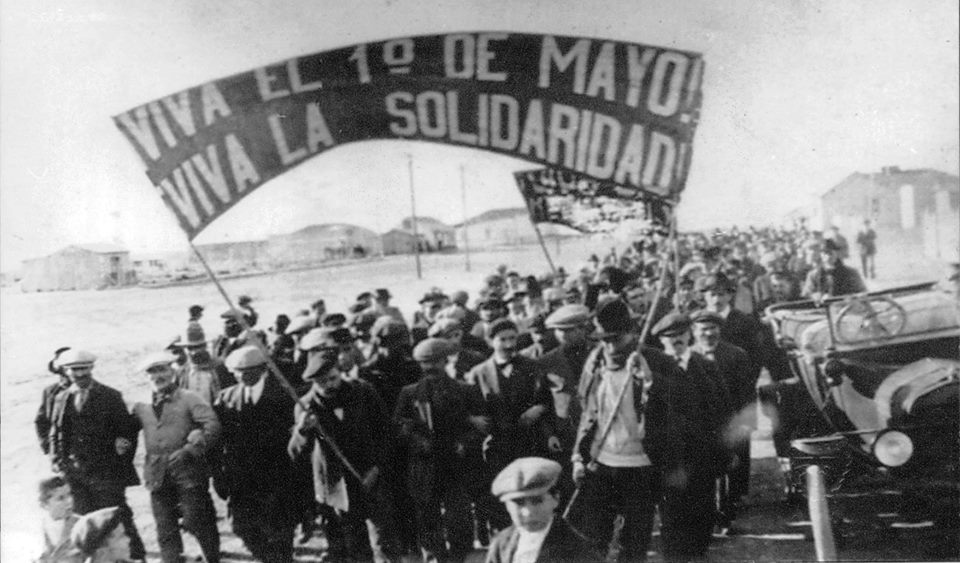
The Patagonia Rebelde was one of the most significant labor strikes in Argentine history, taking place in Santa Cruz between 1920 and 1922. The conflict, which involved rural workers and the Army sent by the national government, left thousands dead and forever marked the social and political memory of the region. This episode, also known as the Patagonia Trágica (Tragic Patagonia), represents a turning point in the history of the labor movement in Argentina and continues to be the subject of studies, debates, and cultural representations.
Historical context
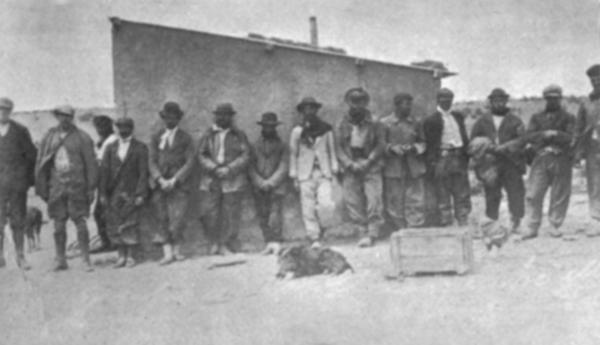
At the beginning of the 20th century, Patagonia was a region with a strong presence of European landowners and rural workers of various nationalities, mostly Chilean, Spanish, and Italian migrants. The sheep industry dominated the economy, with large estates dedicated to wool production for export.
Working conditions were extremely precarious: long hours, low wages, and no basic rights. The situation led workers to begin organizing into unions and demanding improvements.
Curious fact: At that time, landowners were closely tied to British companies, which controlled much of the wool trade through Patagonian ports.
The strikes in Santa Cruz
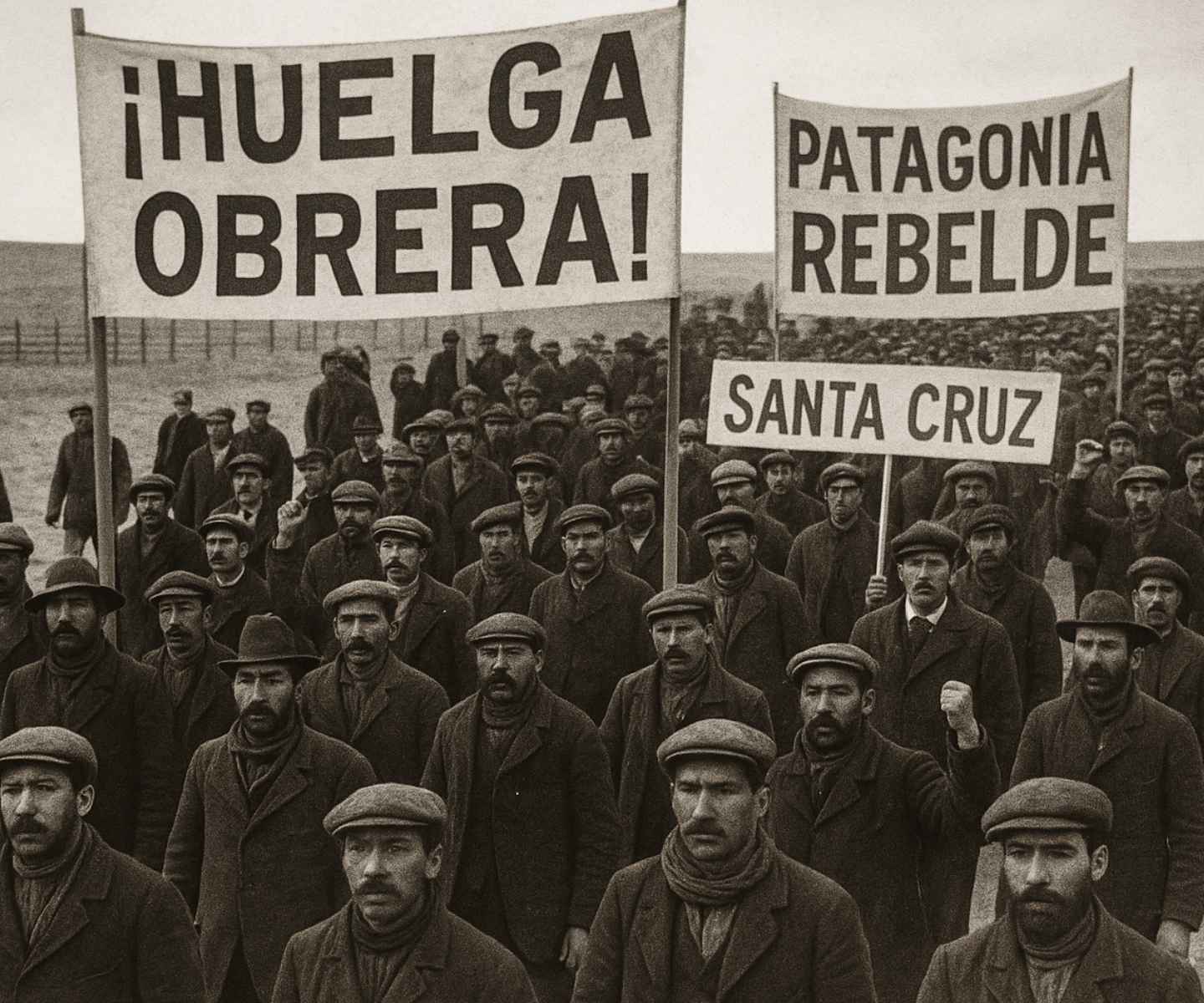
The first rural strikes broke out in 1920. The workers, organized through the Federación Obrera Regional Argentina (FORA), presented a list of demands that included better wages, shorter working hours, and minimum hygiene conditions on the estates.
After an initial agreement that was not fulfilled, the conflicts escalated during 1921. The governor of Santa Cruz requested intervention from the national government, which sent the Army under the command of Lieutenant Colonel Héctor Benigno Varela.
Military repression
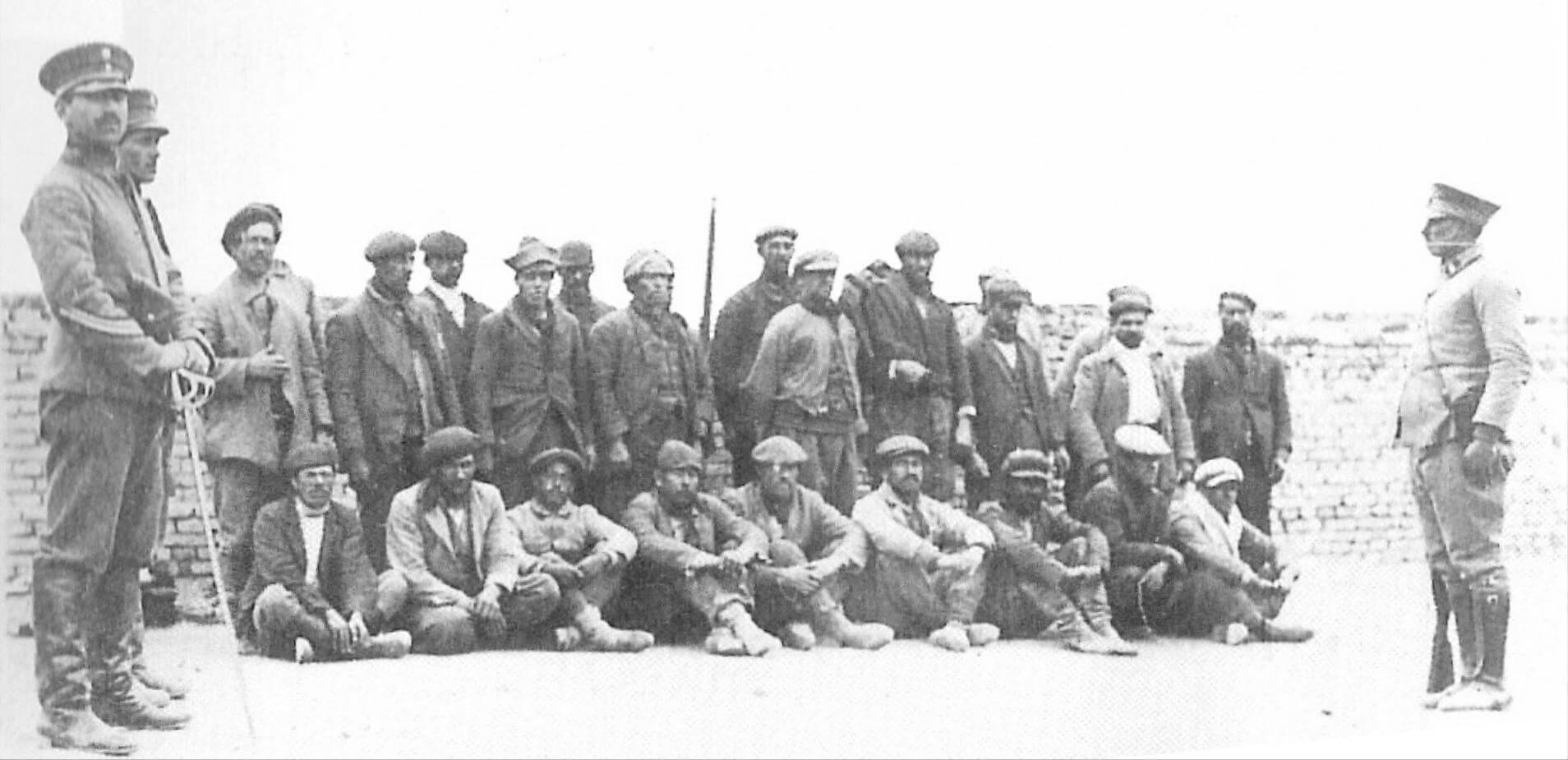
The Army’s return in 1921 marked the beginning of a harsh crackdown. Although negotiations were attempted at first, the lack of agreements and the hardening of measures led to brutal repression. It is estimated that between 1,500 and 2,000 rural workers were executed by firing squad.
Many union leaders were executed without trial, which caused a major outcry in the country. The episode was later documented by researchers such as Osvaldo Bayer, whose book “Los vengadores de la Patagonia Trágica” became a key reference work.
From Patagonia Rebelde to Patagonia Trágica
The term Patagonia Trágica (Tragic Patagonia) emerged to describe the scale of the repression. While initially the events were mentioned only in fragments, over time Argentine historiography came to recognize them as a massacre aimed at crushing the labor movement in Patagonia.
The contrast between the names “rebelde” (rebellious) and “trágica” (tragic) reflects the two sides of the same process: on one hand, the organization and struggle of the workers; on the other, the violence of state forces.
Memory and cultural representation
The Patagonia Rebelde went beyond the historical sphere and became a cultural symbol. In 1974, Héctor Olivera directed the film La Patagonia Rebelde, based on Bayer’s work, which won the Silver Bear at the Berlin Film Festival.
Today, in Río Gallegos and other towns in Santa Cruz, there are monuments and tributes to the fallen workers. Likewise, historians such as Felipe Pigna have spread awareness of the subject through books, talks, and television programs. This tragic chapter in Patagonian history shares similarities with other indigenous conflicts like the The Selk’nam and Julius Popper in Tierra del Fuego, highlighting the broader patterns of violence against vulnerable populations in the region.
Timeline of Patagonia Rebelde
- 1920: The first rural strikes erupt in Santa Cruz.
- 1921: Protests intensify and the Army returns under Varela’s command. The historical context of these events was shaped by the broader pattern of European colonization and settlement across Historical Maps of Patagonia – A Journey Through Time.
- 1921-1922: Mass executions of rural workers. During this period, many rural laborers who worked on sheep estancias producing Patagonian Lamb: Origins, Production and Tradition joined the strikes demanding better conditions.
- 1972: Osvaldo Bayer publishes “Los vengadores de la Patagonia Trágica.” This work documented not only the labor conflicts but also the broader indigenous struggles, including those of The Mapuche in Patagonia: History, Culture, and Present.
- 1974: Release of the film La Patagonia Rebelde.
Frequently Asked Questions
1. What was the Patagonia Rebelde and when did it occur?
The Patagonia Rebelde was one of Argentina’s most significant labor strikes that took place in Santa Cruz between 1920 and 1922, involving rural workers fighting against exploitative working conditions. Also known as Patagonia Trágica (Tragic Patagonia), this conflict resulted in thousands of deaths when the national government sent the Army to suppress the uprising, fundamentally reshaping Argentina’s labor movement history.
2. What were the working conditions like for rural workers in early 20th-century Patagonia?
Rural workers in Patagonia faced extremely precarious conditions including long working hours, minimal wages, and no basic labor rights while toiling on large sheep estates dedicated to wool production for export. The region’s economy was dominated by the sheep industry, with workers mostly consisting of European migrants from Chile, Spain, and Italy seeking opportunity but finding exploitation instead.
3. Who were the main players involved in the Patagonia Rebelde conflict?
The conflict involved rural workers and their union organizers fighting against landowners, with the Argentine national government sending the Army to suppress the strikes. European landowners, who were closely tied to British companies controlling much of the wool trade through Patagonian ports, formed the economic and political opposition to worker demands.
4. Why did workers begin organizing in Patagonia during this period?
Faced with extremely precarious working conditions—long hours, low wages, and absence of basic rights—rural workers in Patagonia began forming unions to demand improvements and advocate for their rights. The exploitative labor system in the booming sheep industry created the conditions necessary for organized resistance.
5. What was the international connection to the Patagonia Rebelde?
British companies played a crucial economic role in Patagonia during this period, controlling much of the wool trade through ports in the region and maintaining close ties with European landowners. This international economic influence meant that labor disputes in Patagonia were connected to global markets and foreign business interests.
6. How is the Patagonia Rebelde remembered today?
The Patagonia Rebelde remains a significant subject of historical study, academic debate, and cultural representation in Argentina, continuing to shape the social and political memory of the southern region. The event is recognized as a turning point in Argentine labor movement history and serves as an important part of Patagonia’s identity and heritage.