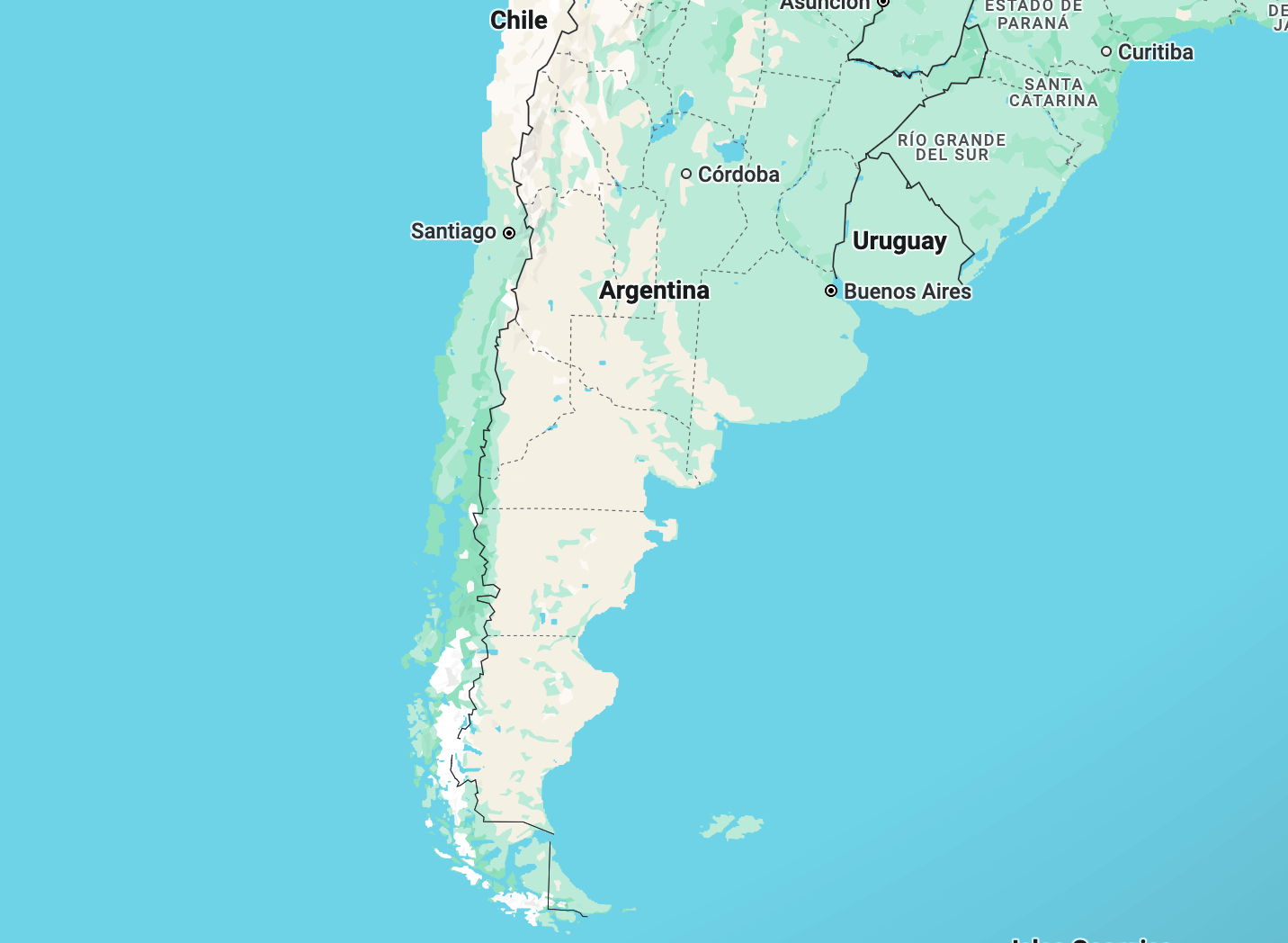
Where is Patagonia located? Is it a Country? Patagonia is not -and has never been- a country. This statement, which should be obvious to any South American, has been distorted by two contemporary phenomena: global geographic ignorance and the marketing of the Patagonia® brand. While the U.S. company founded by Yvon Chouinard in 1973 earns $1.5 billion annually using the region’s name, the real Patagonia -a 1,043,076 km² territory under Argentine and Chilean sovereignty- suffers the consequences of this cultural appropriation: from tourists asking about “the country of Patagonia” to local communities being overshadowed by branding that has nothing to do with their reality. International treaties (from 1881 to present) are clear: there is no “Patagonia country”, but rather a region shared by two sister nations, where indigenous peoples have lived for centuries, and where producers, scientists and artists who truly represent its authentic identity persist today.
Detailed Geographic Location
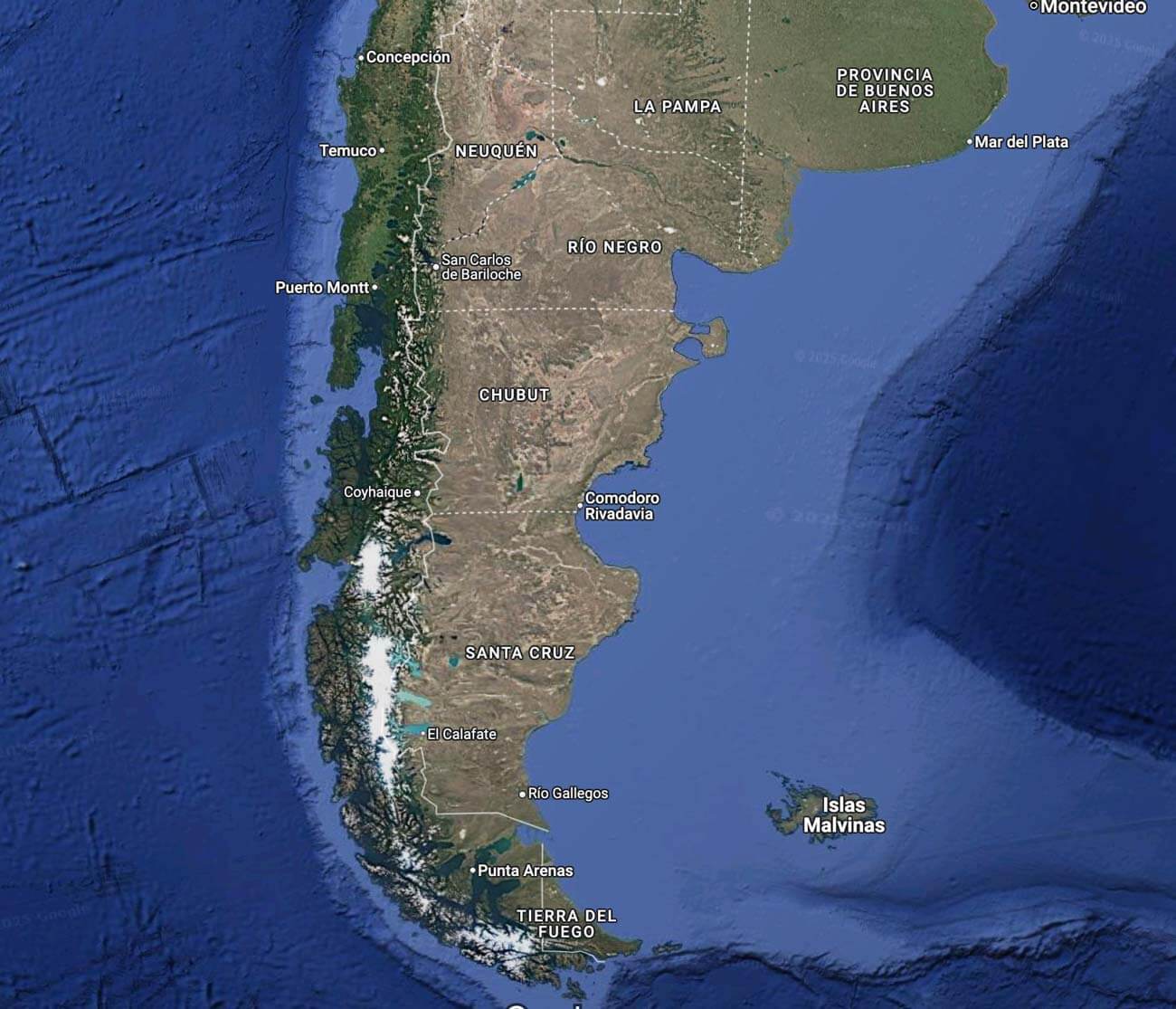
When users search online “where in the world is Patagonia located?”, they discover this vast region occupies the southern cone of South America, extending across:
- Approximate coordinates: From 37°S to 56°S latitude
- Total area: Over 1 million km² (equivalent to France and Spain combined)
- Natural boundaries: Atlantic Ocean to the east, Pacific Ocean to the west, Drake Passage to the south
- Political borders: 78% in Argentina (1,140,532 km²) and 22% in Chile (256,093 km²)
How is Patagonia Naturally Divided?
In the Patagonian region, inhabitants don’t use rigid divisions, but according to the National Geographic Institute (IGN) and studies from the National University of Patagonia, these natural subregions are recognized:
| Biogeographic Division | Official Documentation | Local Community Usage |
|---|---|---|
| Andean Patagonia |
Environmental Atlas of Argentine Patagonia, CONICET (2018). Chapter 3: Ecological regionalization. Includes areas of:
|
According to ethnographic records:
|
| Extra-Andean Patagonia |
Agroecological Zoning Report, INTA (2020). Areas:
|
Registered as:
|
| Coastal Patagonia |
National Census of Protected Areas (2021). Sectors:
|
Local names:
|
“In everyday speech, Patagonians don’t use these technical divisions much. We talk about ‘the Bariloche area’, ‘southern Chubut’ or ‘the Atlantic coast’, as explained by Patagonian linguist Martín Vidal in his book Patagonian Speech.”
Current Political-Administrative Division
According to Argentina’s Ministry of Interior and its Chilean counterpart:
| Jurisdiction | Official Name | Colloquial Name | Legal Source |
|---|---|---|---|
| Argentina | Patagonian Region | “Argentine Patagonia” | National Law 25.955 |
| Chile | Austral Zone | “Chilean Patagonia” | Political-Administrative Division of Chile |
Where Do Technical Names Come From?
Academic classifications come from:
- CONICET studies:
- Project “Ecological Regionalization of Patagonia” (2018)
- Based on biogeographic criteria
- INTA reports:
- Agroecological zoning
- Phytogeographic districts
- National Parks documents:
- Classification by ecoregions
- Protected areas
Explore Patagonia with an expert guide
Glaciers, wildlife and unique landscapes · Free cancellation · Departures from multiple points
Local Perspective: How We Patagonians Experience It
In daily life, we use more practical references:
- “The valley” (for agricultural areas like Río Negro)
- “The southern line” (in Río Negro, National Route 23)
- “The gulf” (Valdés Peninsula area)
- “The mountains” (without technical distinctions)
As Ana López, trekking guide from El Chaltén explains: “Here we don’t say ‘Andean Patagonia’, we say ‘I’m going to the mountains’ or ‘going down to town’. Academic divisions are useful for studies, but on the street we use simple language.”
Consulted Sources
- National Geographic Institute (IGN) – Argentina
- National University of Patagonia San Juan Bosco
- CONICET – Patagonian Environmental Atlas
- INTA – Zoning reports
- Interviews with local residents (2024)
Political Status: Debunking Concepts
The frequent searches for “Patagonia country” or “Patagonia flag” reveal a common misunderstanding. Let’s analyze in depth:
Reasons Why It’s Not a Country
- Legal history: Since the 1881 Boundary Treaty, the territory was formally divided between Argentina and Chile
- International recognition: No organization like the UN or OAS recognizes Patagonia as a sovereign state
- Administration: Depends on the constitutions and governments of Argentina and Chile
- Currency: Argentine and Chilean pesos are used, there is no Patagonian currency
Origin of the Confusion
Several factors explain why many think it’s a country:
- Strong cultural identity: With distinctive gaucho and Mapuche traditions
- Commercial brands: Companies like Patagonia Inc. give global visibility to the name
- Geographic isolation: Its remoteness from major urban centers
- Historical movements: Failed independence attempts in the 19th century
Where to Stay: Options for Every Type of Traveler
For those researching “where to stay in Patagonia”, here are some alternatives:
| Accommodation Type | Best Areas | Experience | Average Price (USD) |
|---|---|---|---|
| Ecolodges | Torres del Paine, El Chaltén | Pure nature | $150-$400/night |
| Gaucho Ranches | Santa Cruz, Chubut | Rural culture | $80-$200/night |
| Boutique Hotels | Bariloche, Puerto Natales | Urban comfort | $120-$300/night |
| Mountain Refuges | Fitz Roy Trail, W Circuit | Extreme adventure | $20-$50/night |
10 Must-See Places in Patagonia
Comprehensively answering “where to go in Patagonia” and “where to visit in Patagonia”:
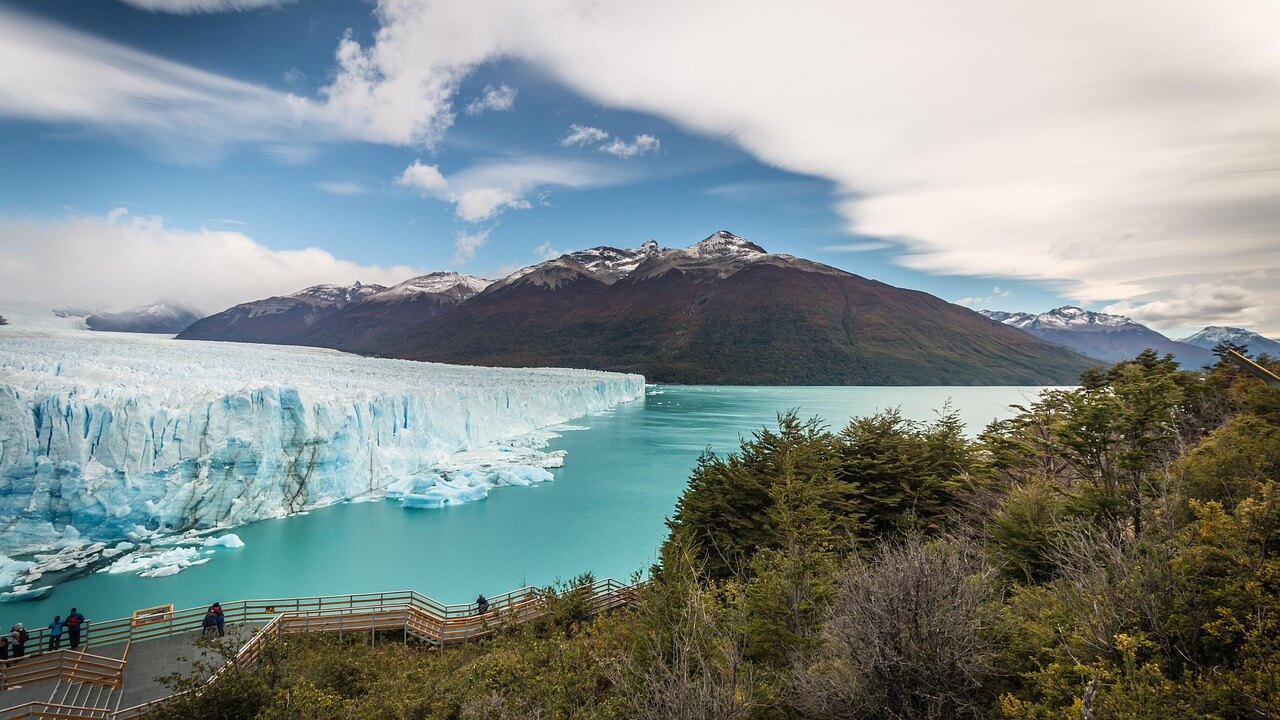
- Perito Moreno Glacier (Argentina): One of few advancing glaciers
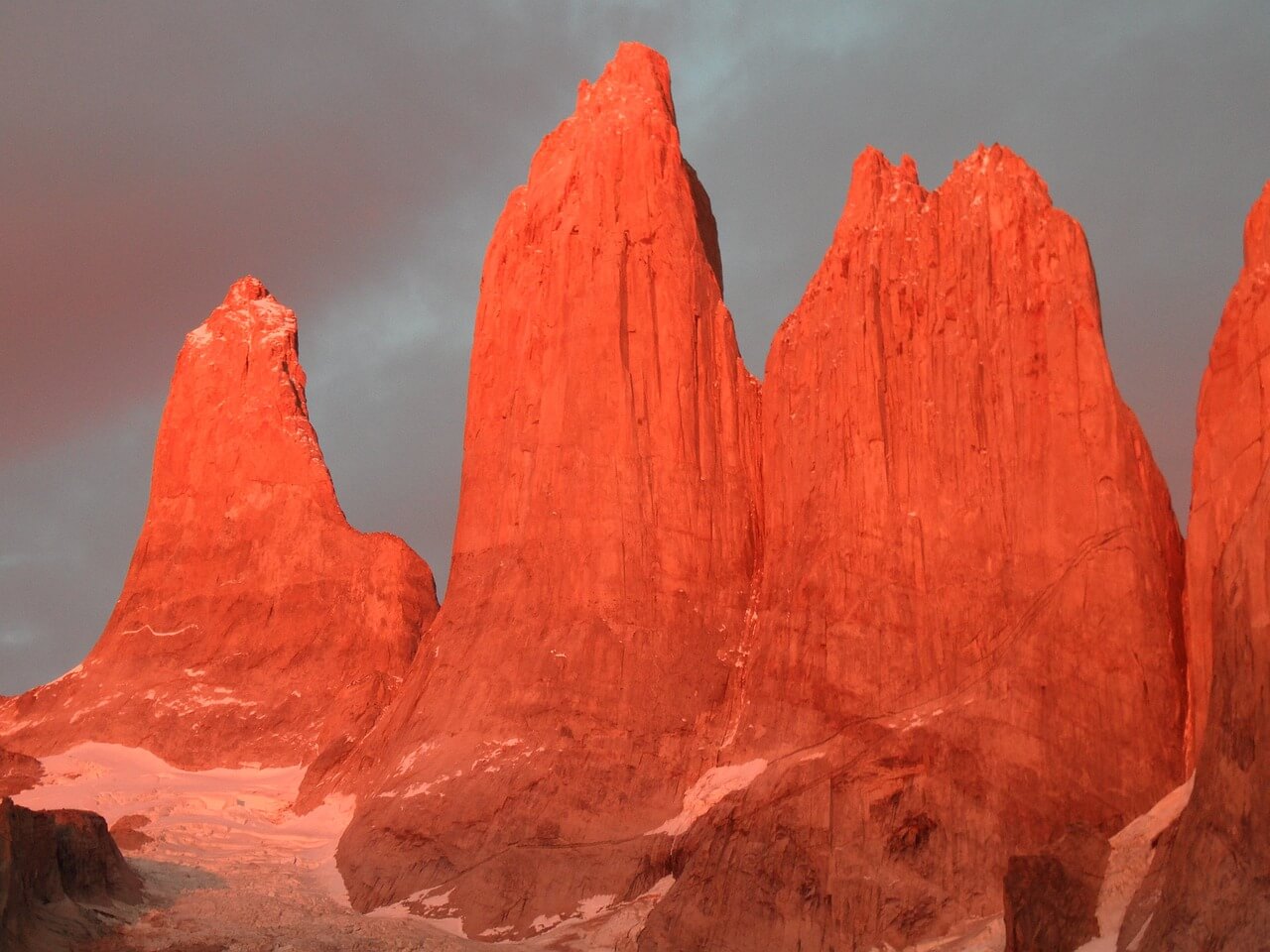
- Torres del Paine National Park (Chile): Considered world’s best trekking destination
- Ushuaia (Argentina): Southernmost city on Earth
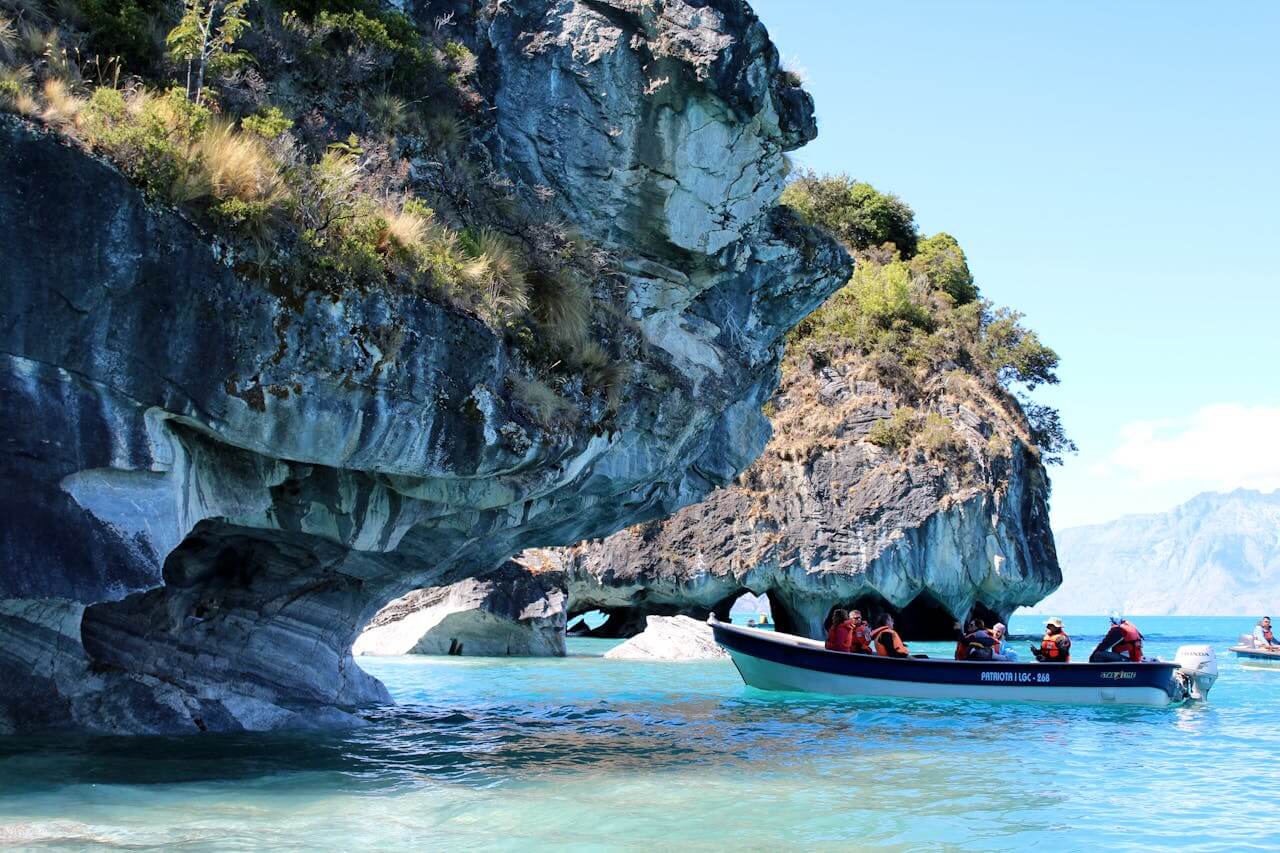
- Marble Caves (Chile): Answering “where are the marble caves in Patagonia?”
- Mount Fitz Roy (Argentina): Global mountaineering mecca
- Valdés Peninsula (Argentina): Southern right whale watching
- Carretera Austral (Chile): One of most spectacular road trips
- El Chaltén (Argentina): Argentina’s trekking capital
- Cueva de las Manos (Argentina): 9,000-year-old rock art
- Cape Horn (Chile): Where Pacific and Atlantic meet
Welsh Patagonia: A Fascinating History
The search for “Welsh Patagonia” leads to discovering this unique chapter:
- Origin: In 1865, 153 Welsh arrived seeking to preserve their culture
- Settlements: Mainly in Lower Chubut River Valley
- Current legacy:
- Over 5,000 descendants
- Annual Eisteddfod festival
- Traditional Welsh tea houses in the region
- Historic Protestant chapels
- Language: Welsh still taught in some schools
Practical Tips for Visitors
Essential information for trip planning:
| When to go | Summer (Dec-Feb) for hiking Winter (Jun-Aug) for snow |
Avoid extreme spring winds |
| What to pack | UV clothing, SPF50+ sunscreen | Ozone hole intensifies radiation |
Little-Known Fascinating Facts
- Contains 30% of non-polar glacial ice
- Patagonia National Park (Chile) is one of 21st century’s most ambitious conservation projects
- Argentina’s Route 40 runs 1,850 km through Patagonia
- Has some of clearest skies for astronomy
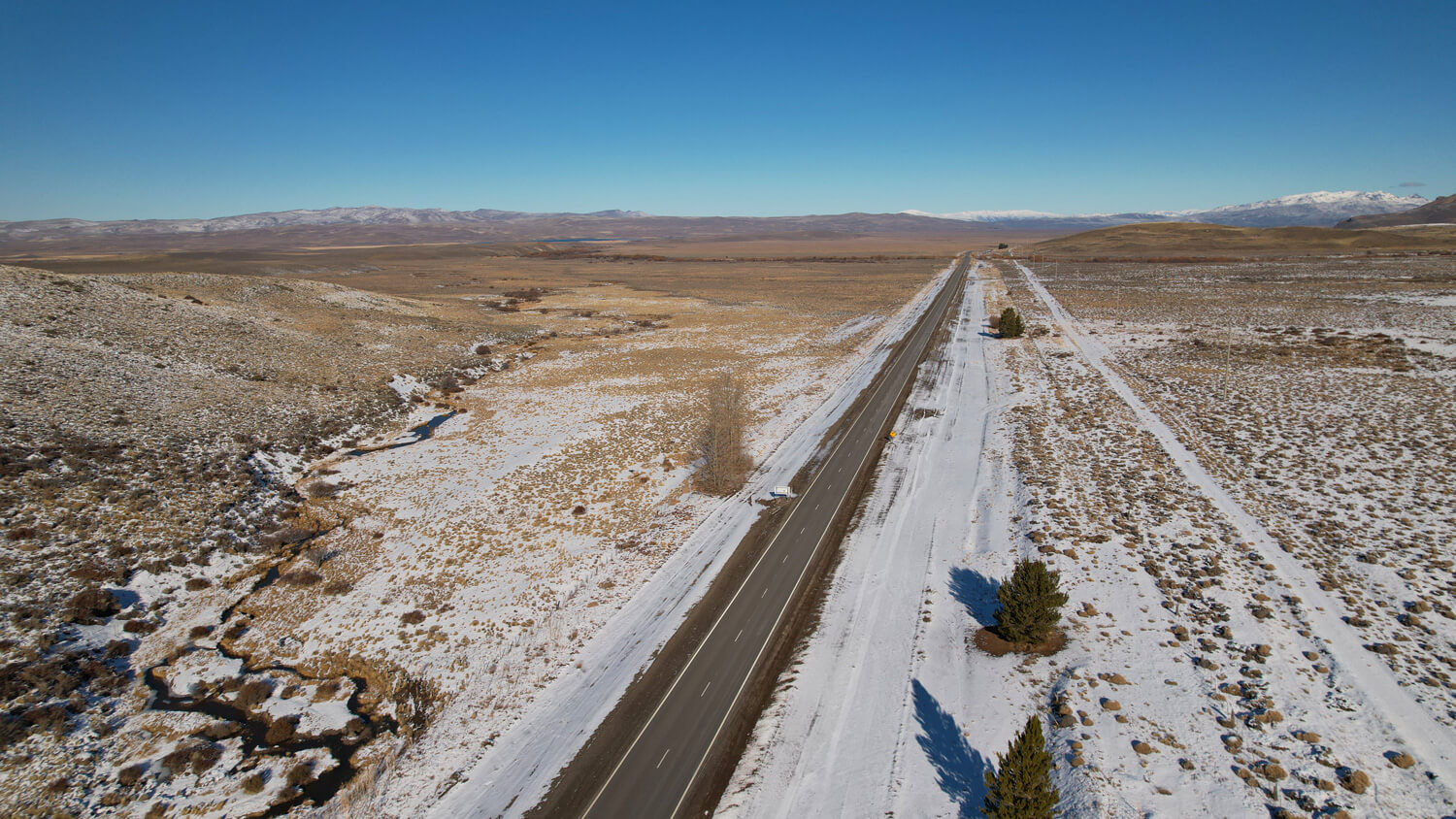
From those searching “where is Patagonia” to adventurers asking “where to hike in Patagonia”, this comprehensive guide shows Patagonia is much more than a point on the map. It’s a transformative experience, a cultural melting pot and natural sanctuary that continues captivating those privileged to know it.
Explore Patagonia with an expert guide
Glaciers, wildlife and unique landscapes · Free cancellation · Departures from multiple points
Frequently Asked Questions
1. Is Patagonia a country?
No, Patagonia is not and has never been a country. It is a vast region spanning over 1 million square kilometers that is shared between Argentina and Chile under their respective sovereignty, as established by international treaties dating from 1881 to the present.
2. What causes confusion about Patagonia’s status as a country?
The confusion stems from two main factors: widespread geographic ignorance globally and the massive marketing of the Patagonia® brand, the U.S.-based company founded in 1973 that generates $1.5 billion annually using the region’s name. This branding has inadvertently overshadowed the authentic identity of the real Patagonia and its local communities.
3. Which countries claim Patagonia as part of their territory?
Patagonia is divided between Argentina and Chile, with both nations sharing sovereignty over the 1,043,076 km² region. International treaties have clearly defined the borders and established that this vast territory belongs to these two sister nations rather than existing as an independent country.
4. What are the geographic boundaries of Patagonia?
Patagonia extends from approximately 37°S to 56°S latitude in the southern cone of South America, with the Atlantic Ocean to its east, the Pacific Ocean to its west, and the Drake Passage marking its southern boundary. The region covers over 1 million square kilometers, an area equivalent to France and Spain combined.
5. Who are the true inhabitants and representatives of Patagonia?
Indigenous peoples have lived in Patagonia for centuries and remain part of its authentic identity, alongside contemporary producers, scientists, and artists who represent the region’s real character. These communities and their contributions have been largely overshadowed by international branding that misrepresents the region.
6. How large is Patagonia compared to other regions?
Patagonia encompasses over 1 million square kilometers, making it equivalent in size to France and Spain combined. This vast territory stretches across the southern portions of South America, making it one of the continent’s most expansive geographic regions.