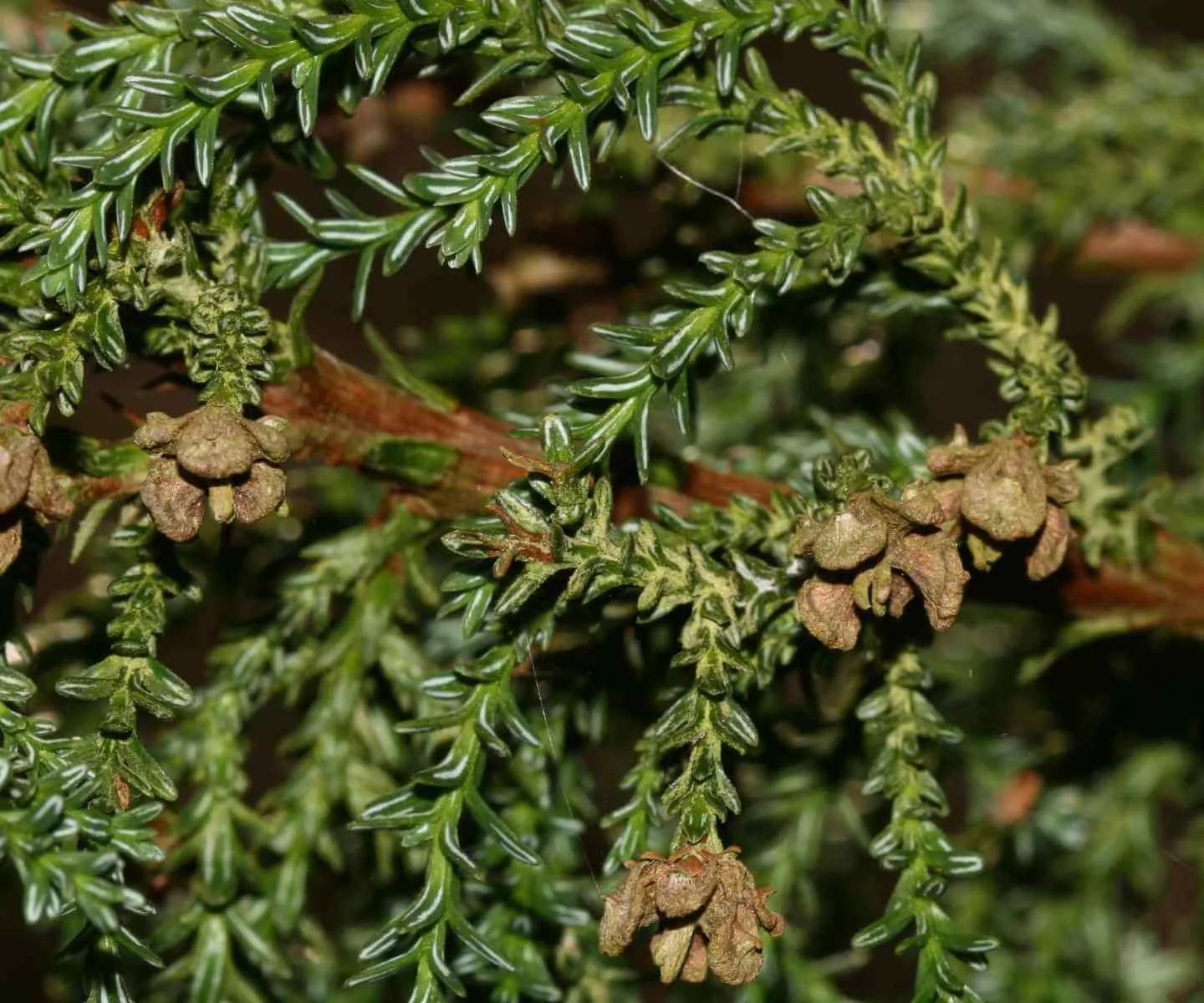
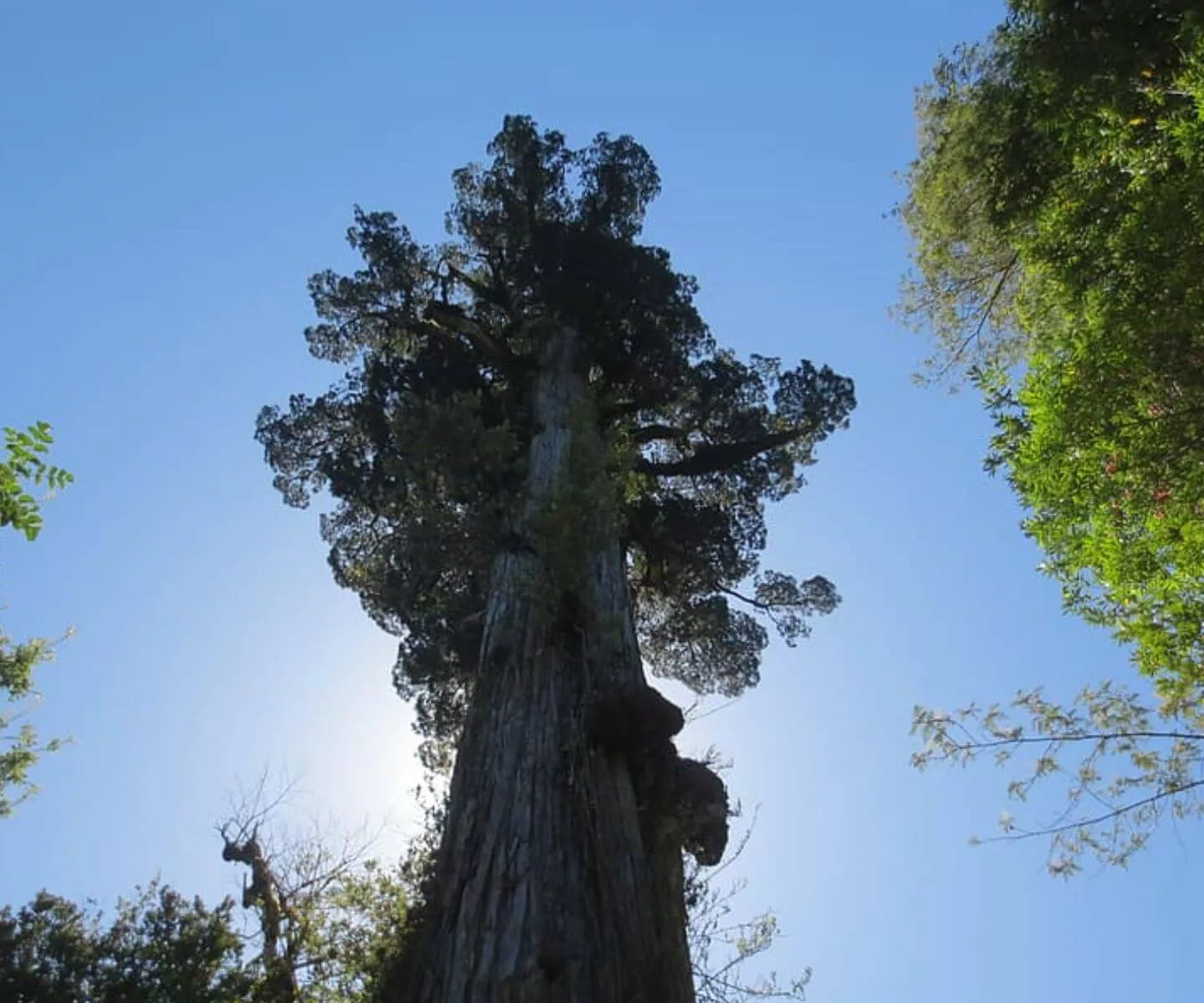
Known scientifically as Fitzroya cupressoides and called lahual (or “lawal” in Mapudungun) by indigenous peoples, one of the most long-lived and majestic tree species on the planet emerges: the alerce (Patagonian cypress). This arboreal giant is not only a natural emblem of Chile and Argentina but also plays a crucial role in soil conservation, water regulation, and biodiversity preservation. Throughout this article, we will explore its characteristics, distribution, history, cultural significance, traditional and modern uses, as well as conservation challenges and strategies.
General characteristics of the alerce
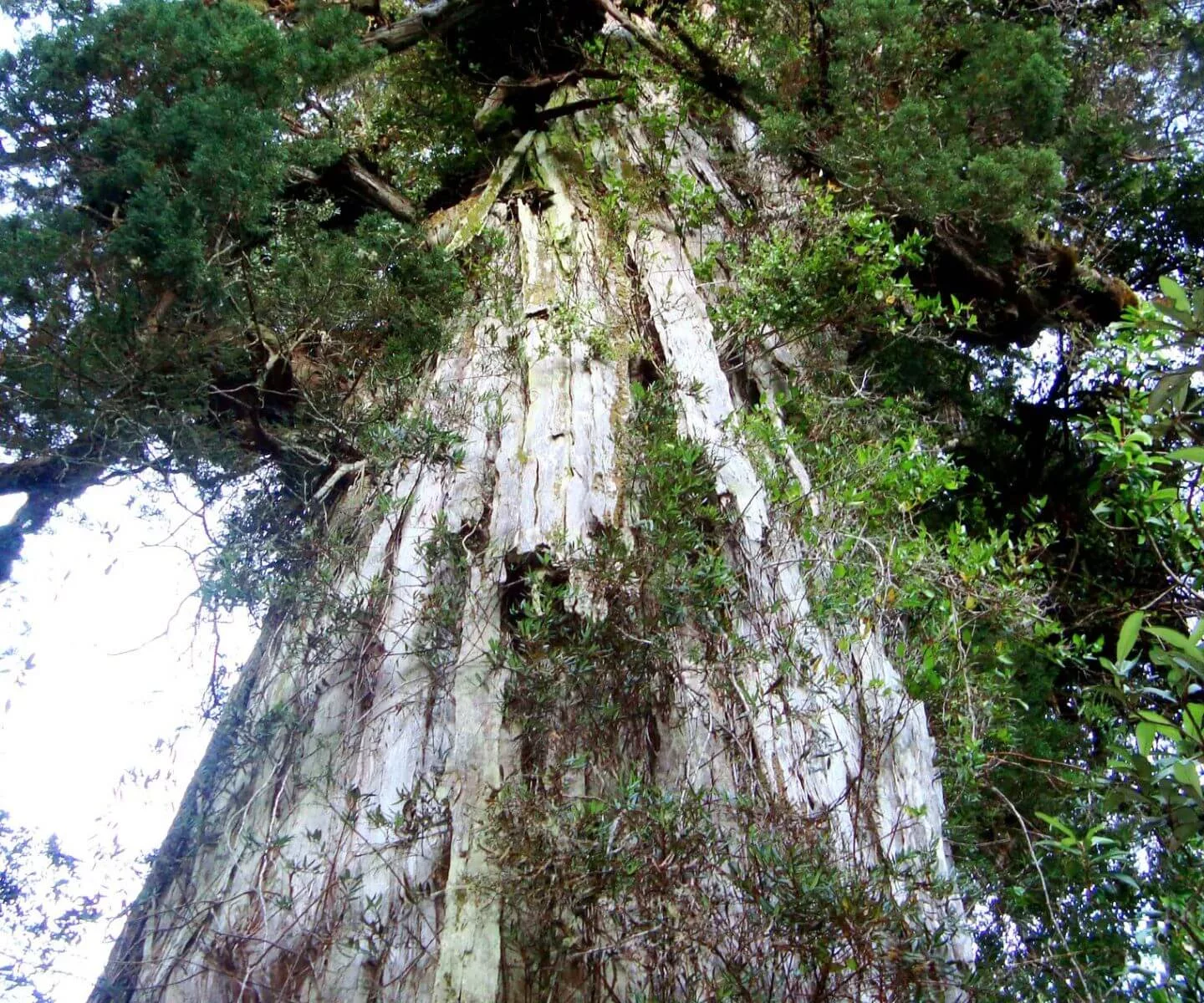
It is distinguished by its reddish-toned wood and thick bark, designed to withstand low temperatures and constant humidity. It can exceed 60 m in height and 3 m in diameter in centuries-old trees, making it one of the most imposing species in Patagonian forests.
“The alerce acts like a giant sponge, absorbing and slowly releasing water, which stabilizes watercourses and prevents erosion.”
Morphology and growth
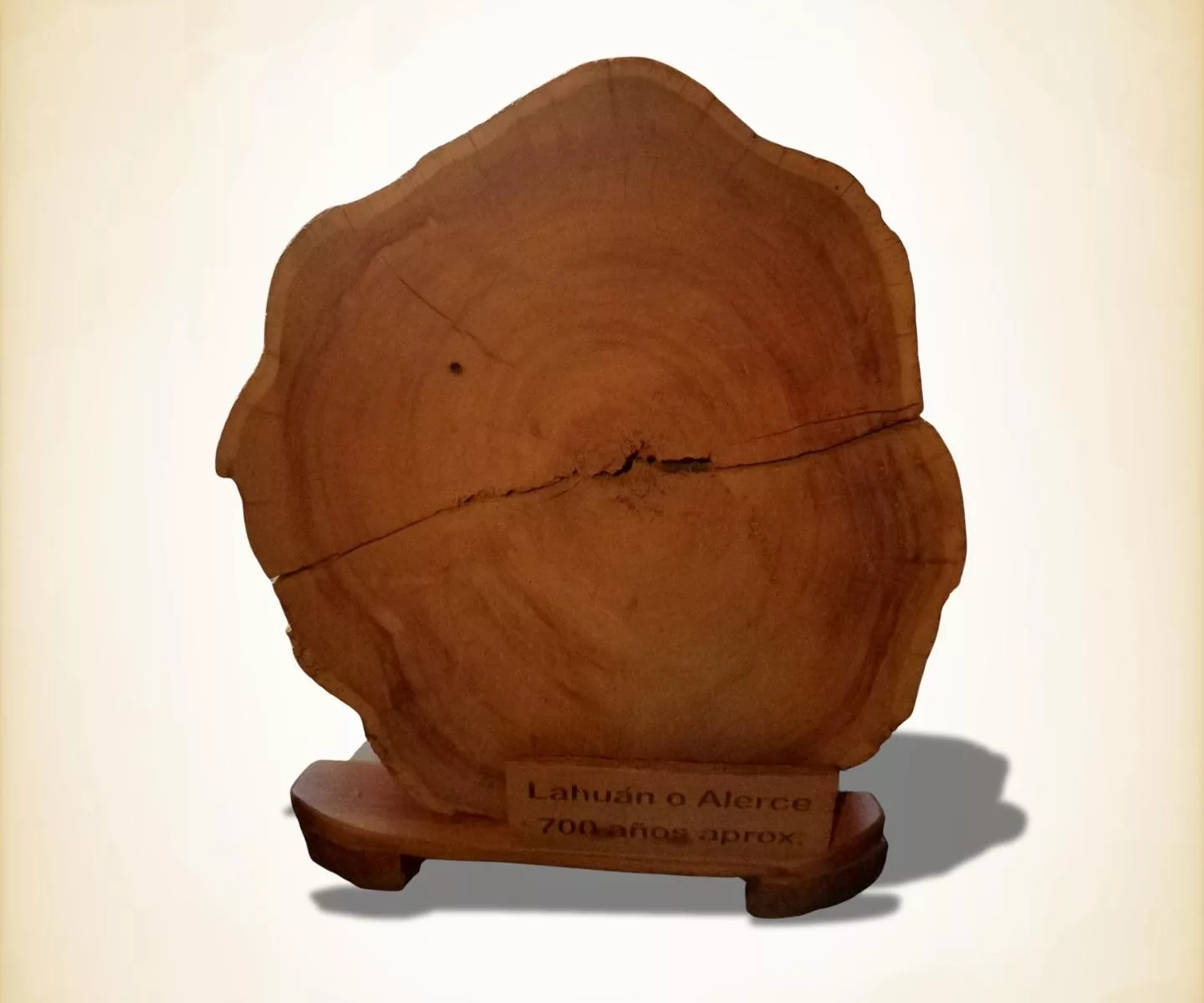
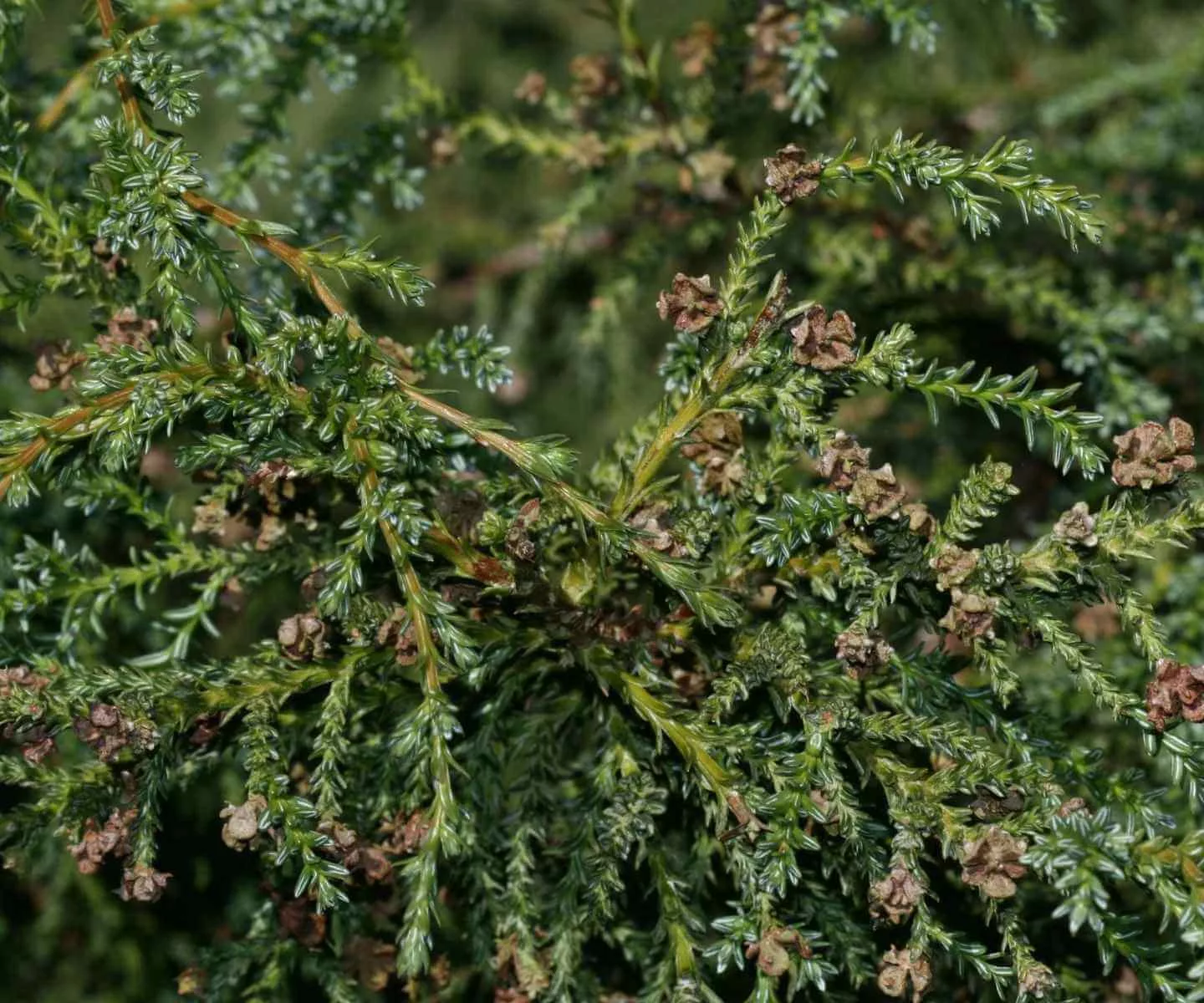
The leaves are scaly, arranged in pairs, and maintain dense foliage year-round. Annual growth is very slow—just 0.5–1 mm in trunk diameter per year in basal environments—and ring formation allows the dating of millennial trees.
Taxonomy and common names
- Patagonian cypress (Fitzroya cupressoides): endemic to southern Chile and Argentina.
- Japanese cedar (Cryptomeria japonica): though not directly related, it shares the name due to similarities in wood.
- Young alerce: a generic term for saplings used in nurseries and restoration plantings.
- Genus Fitzroya: monotypic, dedicated to Captain Robert FitzRoy, with F. cupressoides as its sole species.
Geographic distribution
The alerce is found in four main areas:
- Patagonian Andes (Los Lagos and Los Ríos Regions, Chile; Chubut, Argentina).
- Alerce Andino National Park: over 13,000 protected hectares in Los Lagos Region, Chile.
- Alerce Costero National Park: 13,975 hectares in the Coastal Range, Los Ríos Region, Chile.
- Los Alerces National Park: 259,822 hectares in Chubut, Argentina, near Esquel.
Patagonian climate
It inhabits elevations between 700 and 1,400 m above sea level in Argentina and from sea level up to 1,500 m in Chile, always in Valdivian temperate rainforests with rainfall exceeding 2,000 mm/year. Frequent fog provides additional moisture, crucial during dry summers.
Wood properties (dry): density 480 kg/m³; hardness 254 kgf; compression 362 kgf/cm²; radial shrinkage 4%, tangential 6%.
Ecological role
As a keystone species, the alerce creates microhabitats under its canopy, fostering the growth of mosses, lichens, and saprophytic fungi. It also contributes to biodiversity by providing shelter and food for endemic birds like the monito del monte.
Conservation status: “Endangered” (IUCN Red List).
Timeline
- 1782: Botanist Pedro Nogué first records the species.
- 1849: David Don publishes the official description in London.
- 1910: Intensive exploitation during railway expansion in Chile.
- 1962: First dendrochronology studies reveal ages exceeding 3,000 years.
- 1982: Founding of Alerce Andino National Park.
- 1987: Creation of Alerce Costero National Park.
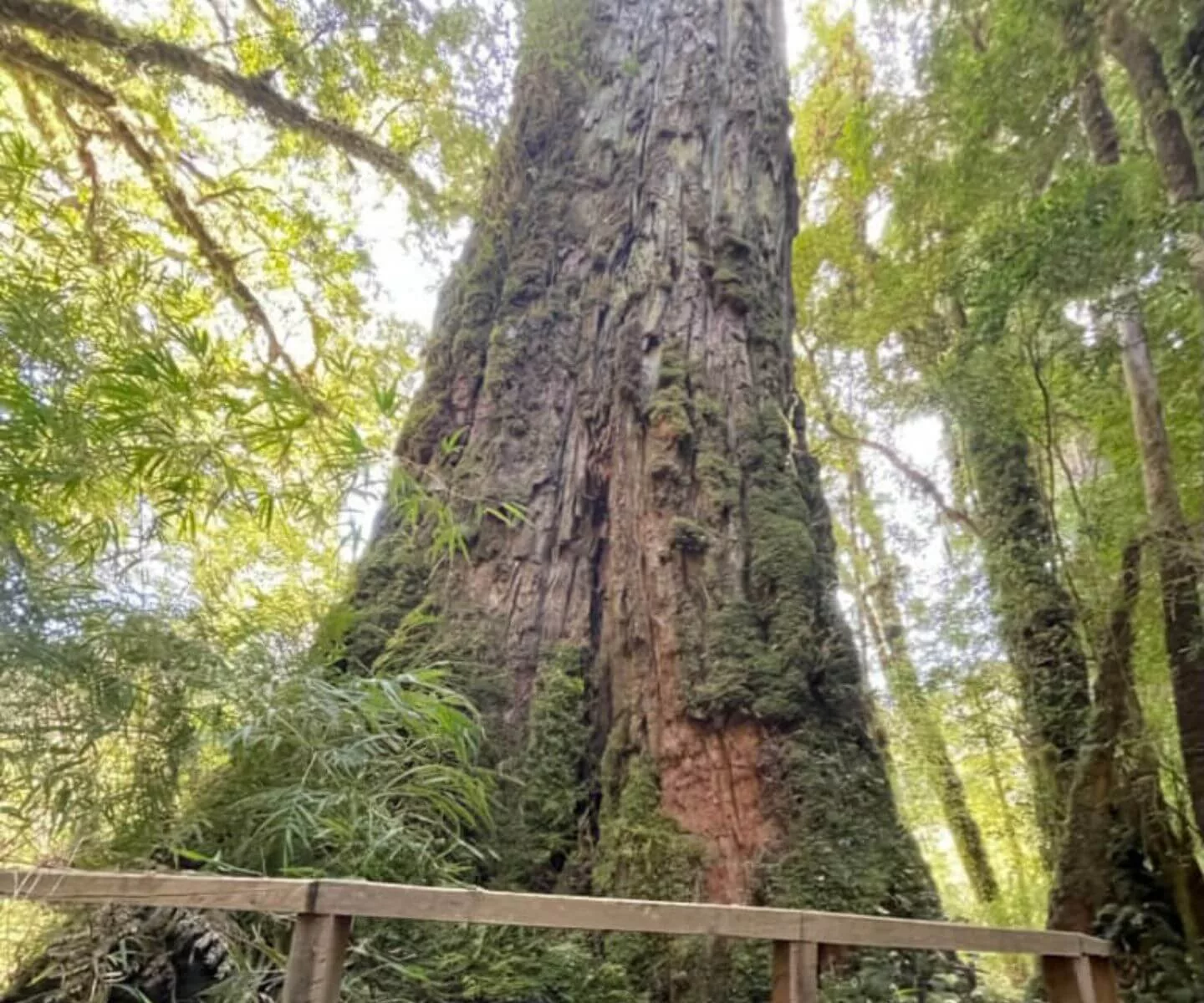
- 1993: The “Gran Abuelo” in Alerce Costero National Park was dated at >3,622 years, making it one of the oldest trees in the world.
- 2002: Designation of biological corridors in Chubut, Argentina.
- Present: Satellite initiatives and monitoring.
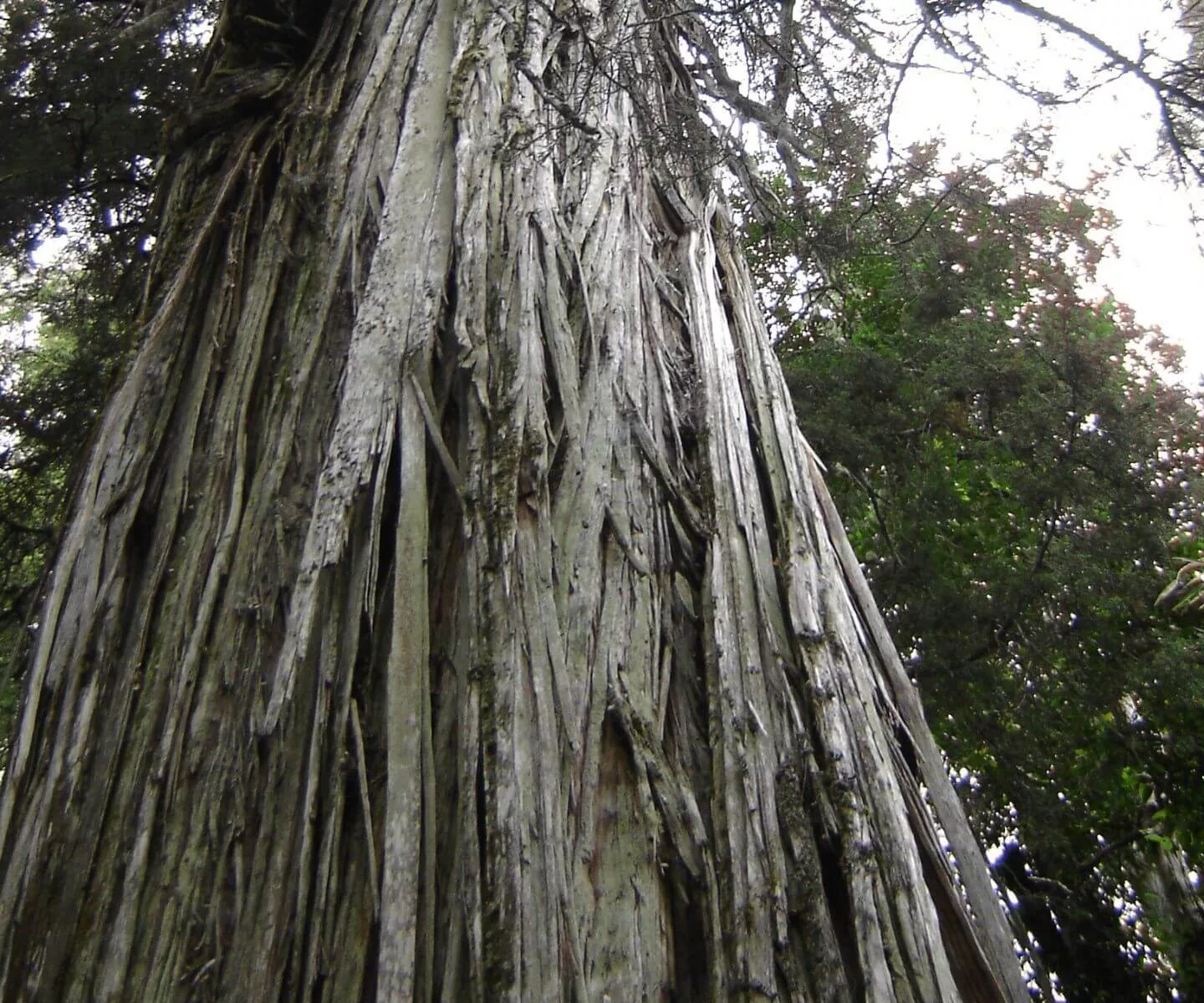
Cultural and heritage significance
The Mapuche people know the alerce as lahual and consider it a guardian spirit of the forests. After European colonization, alerce wood was heavily extracted for housing, railways, and shipbuilding, drastically reducing its populations.
Traditional and modern uses
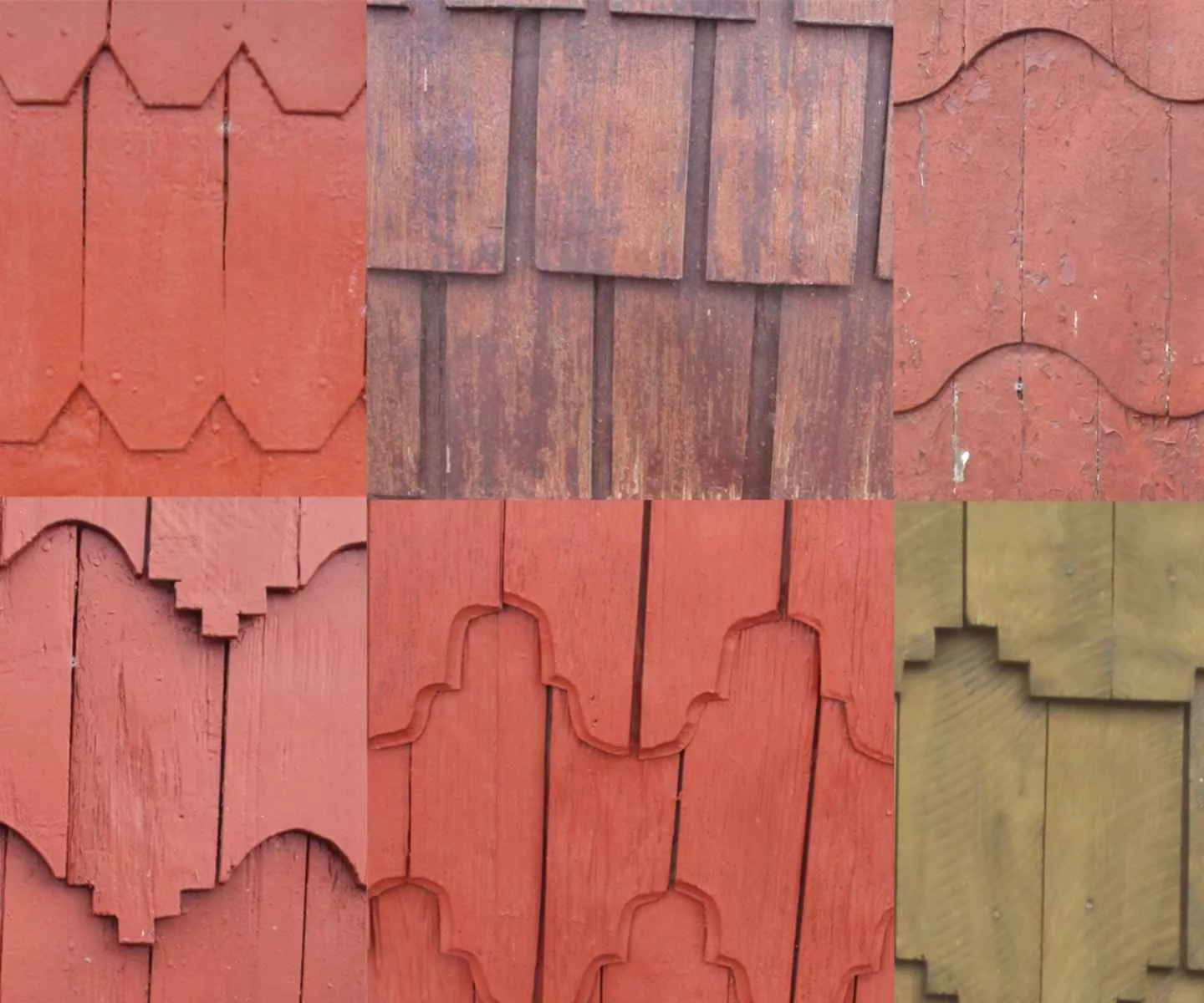
- Shingles for cladding: pieces ~80 × 20 × 0.5 cm, highly valued in Chiloé for their resistance to humidity.
- “Real de alerce”: a unit of payment in the 18th century in Chiloé, and resin used as incense in Catholic ceremonies.
- Historical construction: beams, floors.
- Local craftsmanship: sculptures and custom furniture.
- Timber industry: restricted and regulated by environmental policies.
- Nature tourism: interpretive trails in protected areas.
Current threats
Major threats include:
- Illegal logging: removal of centuries-old trees for sale on black markets.
- Forest fires: intensified by prolonged droughts.
- Diseases: pathogenic fungi favored by temperature changes.
- Climate change: alters precipitation and fog patterns.
Conservation strategies
To ensure its survival:
- Participatory reforestation: collaboration with local communities and schools.
- Satellite and drone monitoring: early detection of fires and logging.
- Environmental education programs: workshops and guided visits.
- Legislation and enforcement: strengthening forest laws in Chile and Argentina.
Since 1977 in Chile and 2003 in Chubut (Law 5015), the alerce has been a Natural Monument, prohibiting its logging and regulating the use of deadwood.
Scientific research
Current projects include genetic analysis to identify populations with greater resistance to water stress and paleoclimatic studies based on growth rings that reconstruct climate variations over the last 4,000 years.
Conclusion
The alerce represents an invaluable natural and cultural heritage. Understanding its biology, history, and threats is key to designing strategies that combine science, society, and public policies. Only then can these Patagonian giants remain living witnesses of time and guarantors of ecological balance.
Frequently asked questions
Where can I see alerce trees in the wild?
In Alerce Andino and Alerce Costero National Parks (Chile) and Nahuel Huapi National Park (Argentina).
Why is the alerce so long-lived?
Its slow growth, fungus-resistant wood, and regenerative capacity grant it exceptional longevity.
Can alerce wood be obtained legally?
No. It is protected under CITES Appendix I and national laws prohibiting commercial logging.
How can I help conserve the alerce?
By supporting conservation projects, avoiding overgrazing, and spreading awareness of its cultural importance.
Are there alerce nurseries?
Yes. For example, CONAF’s Huillilemu Nursery in Alerce Costero National Park produces Fitzroya cupressoides saplings for ecological restoration programs, and the NGO Reforestemos has established a community nursery to supply alerce reforestation efforts in the same area.